 Where to Eat Near Penn Station That Isn't a Chain
US Open 2026
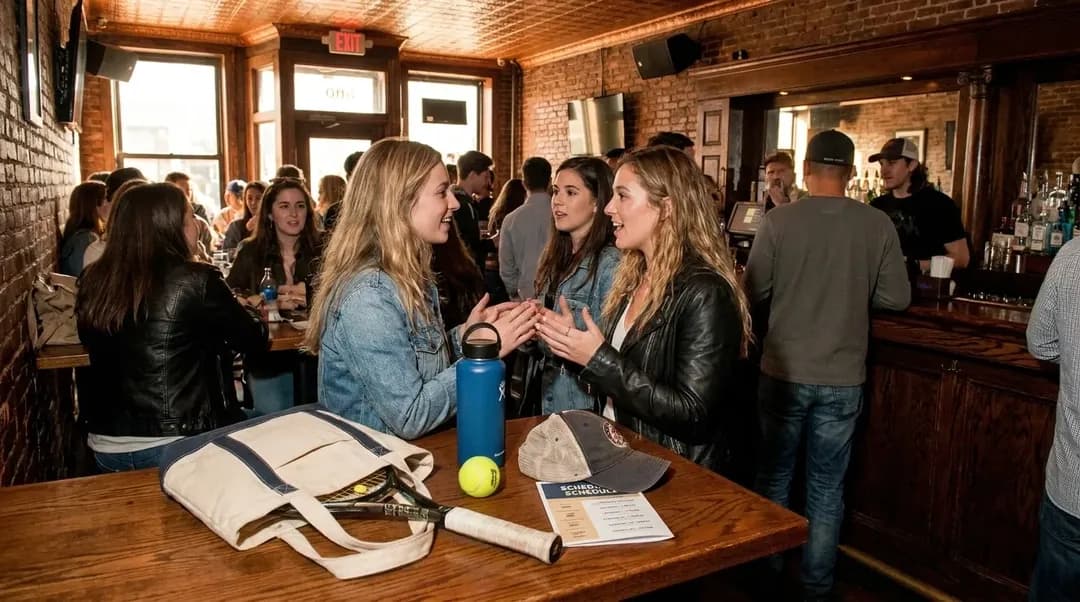
Madison Beer Concert Style: NYC Music Venues Near US Open
A practical guide to live music venues, pop-friendly clubs, and evening performance spaces across Queens and Manhattan for US Open visitors seeking concert-style entertainment…
If you're drawn to Madison Beer's polished pop aesthetic—catchy hooks, confident stage presence, and arena-ready production—you'll find plenty of live music venues across Queens and Manhattan that book similar artists and offer evening entertainment after a day at the US Open. The 7 train corridor connecting Flushing Meadows to Midtown passes through neighborhoods with intimate clubs, mid-size performance halls, and pop-friendly spaces where emerging and established acts perform throughout late August and early September. Planning your evening around live music means understanding transit connections, typical set times, and how to move efficiently between the tournament grounds and the city's music districts without missing either experience.
Text Karpo with your US Open session time and Queens starting point, and we’ll turn this Pop music clubs and performance spaces for evening entertainment during tournament into a practical local plan.
Understanding the 7 Train Music Corridor
The 7 train runs express and local service between Flushing–Main Street and Times Square, passing through neighborhoods with distinct music scenes. Long Island City and Astoria host warehouse-style venues and artist-run spaces that book indie pop, electronic, and experimental acts. Jackson Heights and Woodside offer smaller bars with live music on weekends. Closer to Manhattan, the train connects to larger concert halls in Midtown and the Lower East Side. The MTA's official US Open transit guide at new.mta.info/guides/stadiums/us-open details service frequency during tournament weeks, and evening trains typically run every 8–12 minutes after 7 p.m., making it practical to leave Flushing Meadows after an evening session and reach most music venues by 9 or 10 p.m.
Most pop and indie acts in New York perform sets between 9 p.m. and midnight, with doors opening an hour earlier. If you're attending a day session at the US Open, you'll have ample time to return to your hotel, change, and reach a venue in Queens or Manhattan. Evening sessions that end around 11 p.m. or midnight make it tighter, so consider venues closer to the 7 train or in western Queens to minimize travel time.
Queens Venues Within 30 Minutes of Flushing Meadows
Long Island City and Astoria are home to several mid-size venues and artist collectives that host touring pop, indie, and electronic acts. These neighborhoods sit just a few stops west on the 7 train or a short ride on the N/W lines, making them practical options for post-match entertainment. Warehouse spaces and converted industrial buildings often feature strong sound systems, standing-room floors, and bar service, creating an energetic atmosphere similar to the pop club experience. Checking venue websites and social media in the weeks before your visit will show you who's performing during the tournament dates.
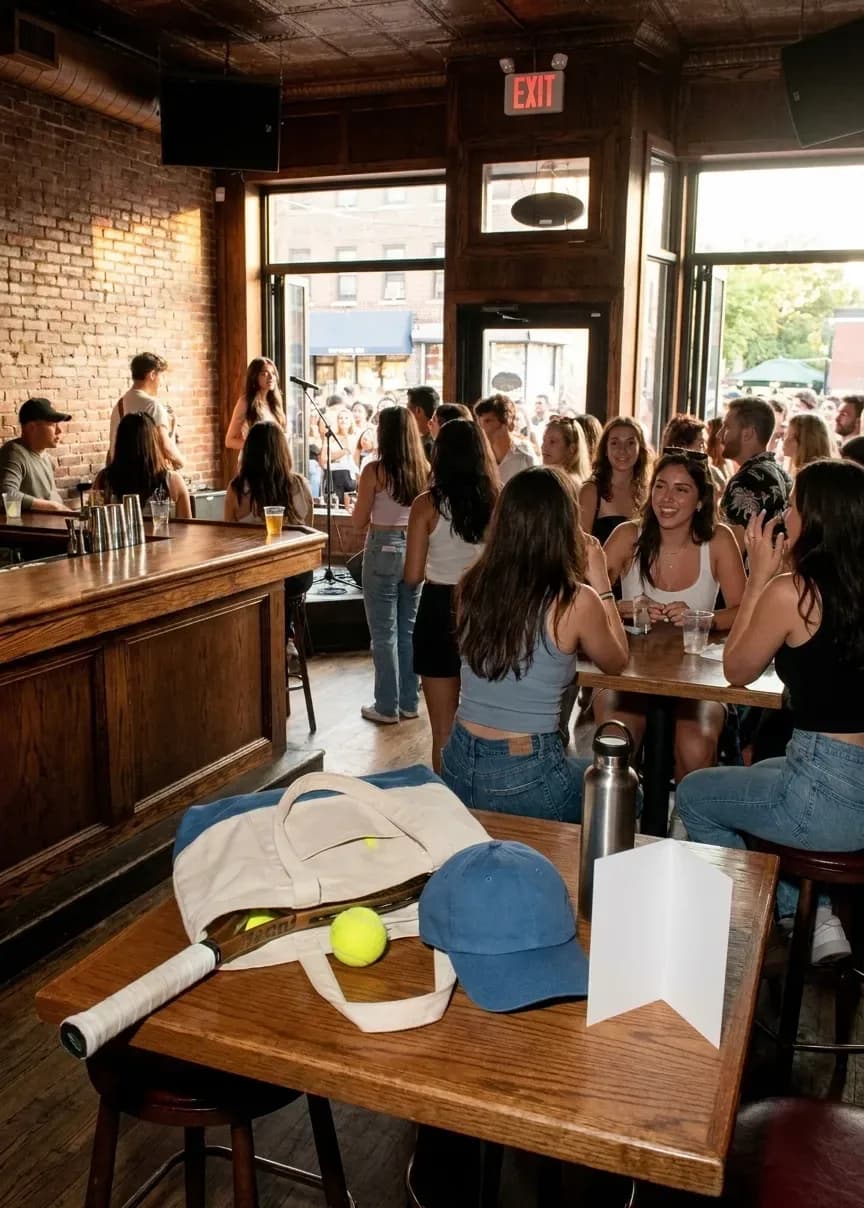
Astoria also has smaller bars and clubs with live music several nights a week, often featuring local bands, DJ sets, and open-mic nights. These spots are less formal than ticketed concert halls and allow you to drop in without advance planning. The neighborhood's Greek, Latin American, and Middle Eastern communities contribute to a diverse music scene, and you'll find everything from pop covers to electronic dance music depending on the night.
Manhattan Pop and Indie Venues
If you're willing to travel 45 minutes to an hour from Flushing Meadows, Manhattan offers a wider range of established music venues that regularly book pop, indie, and alternative acts. The Lower East Side, East Village, and Williamsburg (just across the river in Brooklyn) are traditional hubs for live music, with venues ranging from 200-capacity clubs to 1,500-person halls. These spaces often host artists with similar production values and fan bases to Madison Beer—polished pop with strong visual elements, confident vocals, and a mix of original songs and covers.
Midtown venues near Times Square and Hell's Kitchen are easier to reach via the 7 train but tend to book larger touring acts, Broadway-adjacent performances, and corporate events. They're worth checking if a specific artist you follow is performing during your visit, but the neighborhood itself is less conducive to spontaneous music discovery. The Lower East Side and East Village remain the most reliable areas for finding multiple venues within walking distance, allowing you to check out a few spots in one evening.
Timing Your Evening Around Match Schedules
The US Open's official event schedule at usopen.org/en_US/about/eventschedule.html shows session start times and typical match durations, which vary depending on the round and court. Day sessions generally run from 11 a.m. to around 5 or 6 p.m., while evening sessions start at 7 p.m. and can extend past midnight if matches go to five sets. If you're planning to attend both a match and a concert, day sessions offer the most flexibility—you can leave the grounds by early evening, travel to your venue, and arrive in time for doors.
Finding Shows During Tournament Weeks
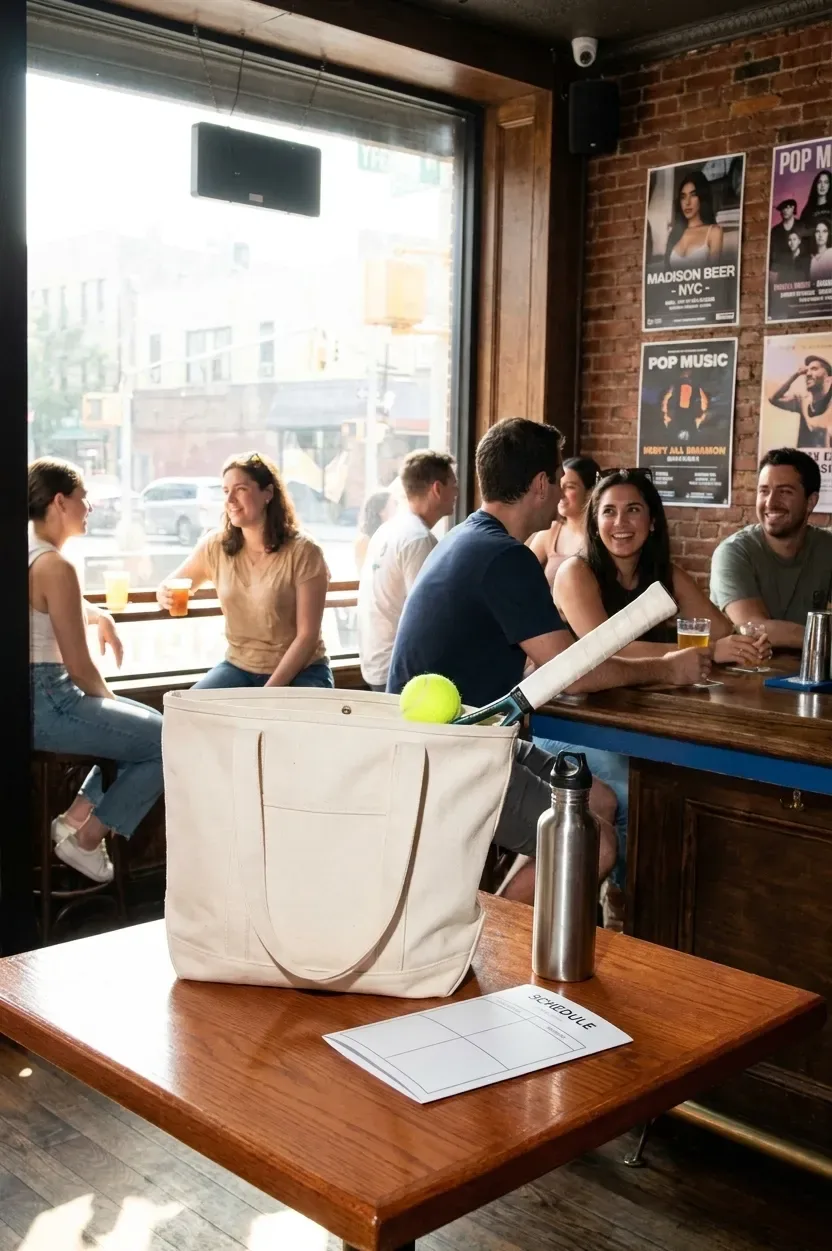
Late August and early September are active months for live music in New York, as touring schedules ramp up after summer festivals and before fall theater season. Venue websites, local music blogs, and event aggregators will list upcoming shows, and many clubs post their monthly calendars in early August. If you're looking for pop acts specifically, search for terms like 'indie pop,' 'synth pop,' 'dream pop,' or 'alt pop' alongside the venue name to filter results. Smaller venues often book multiple acts per night, so even if the headliner isn't your style, an opening act might surprise you.
Social media is also useful for discovering last-minute shows, pop-up performances, and DJ sets that aren't listed on official calendars. Many artists announce New York dates a few weeks in advance, and local promoters share event details on Instagram and Twitter. Following a few key venues and promoters in the weeks before your trip will give you a sense of what's happening during your visit.
Practical Considerations for Live Music Nights
Most New York music venues operate on a first-come, first-served basis for general admission, though some offer advance tickets online. Arriving 30 minutes before doors open usually promise entry for smaller shows, but popular acts can sell out or reach capacity quickly. If you're committed to seeing a specific artist, buying tickets in advance is the safest approach. Cover charges for walk-in shows typically range from $10 to $25, and many venues accept card payments, though carrying some cash is practical for smaller bars.
Sound levels at live music venues are significantly louder than recorded music, and earplugs are a practical accessory if you're sensitive to volume or attending multiple shows during your trip. Many venues have coat checks, but bag policies vary—check the venue's website for restrictions, especially if you're carrying a backpack or larger purse. The US Open's official prohibited-items guide at usopen.org/en_US/visit/prohibited_items.html outlines what you can't bring into the tournament grounds, but music venues have separate policies, so plan accordingly if you're moving between both locations in one day.
Combining Music with Other Queens Evening Activities
If you're building an evening around live music, consider pairing it with dinner or drinks in the same neighborhood. Astoria is known for Greek tavernas, Brazilian churrascarias, and Middle Eastern cafes, many of which stay open late and offer outdoor seating in good weather. Long Island City has waterfront bars with views of the Manhattan skyline, and Jackson Heights offers some of the city's best South Asian and Latin American food. Arriving in a neighborhood an hour or two before a show gives you time to explore, eat, and settle in before heading to the venue.
Some music venues are located near galleries, bookstores, and independent shops that stay open into the evening, especially on weekends. Browsing before a show can make the night feel less rushed and help you get a sense of the neighborhood's character. The NYC Tourism guide to Queens at nyctourism.com/boroughs-neighborhoods/queens/ offers additional context on each area's cultural offerings, though specific business hours and availability should be confirmed closer to your visit.
Tags: #USOpen2026 #Queens #FlushingMeadows #KarpoFinds #Karpo #madisonbeer #NewYorkLocal #TennisTravel #NYCLocalLife #TennisTravel
Sources consulted: usopen.org — Official event schedule · usopen.org — Official visitor A-Z guide · usopen.org — Official transportation directions · usopen.org — Official prohibited-items guide · MTA — Official US Open transit guide · NYC Parks — Flushing Meadows Corona Park · NYC Tourism — Queens · MTA — Service status
All trademarks are the property of their respective owners.
Ask Karpo first
Want to know what is actually open, how to time the trip, and where to pause around Queens? Ask Karpo for the latest public US Open context, a respectful visitor plan, and a live route around Flushing Meadows before you head out.
Ask Karpo for more information.
Keep reading
- Where to Eat Near Penn Station That Isn't a Chain
 Andytown Coffee in the Outer Sunset: The Snowy Plover Explained
- Best Things to Do in Chicago: What the City Gives Away