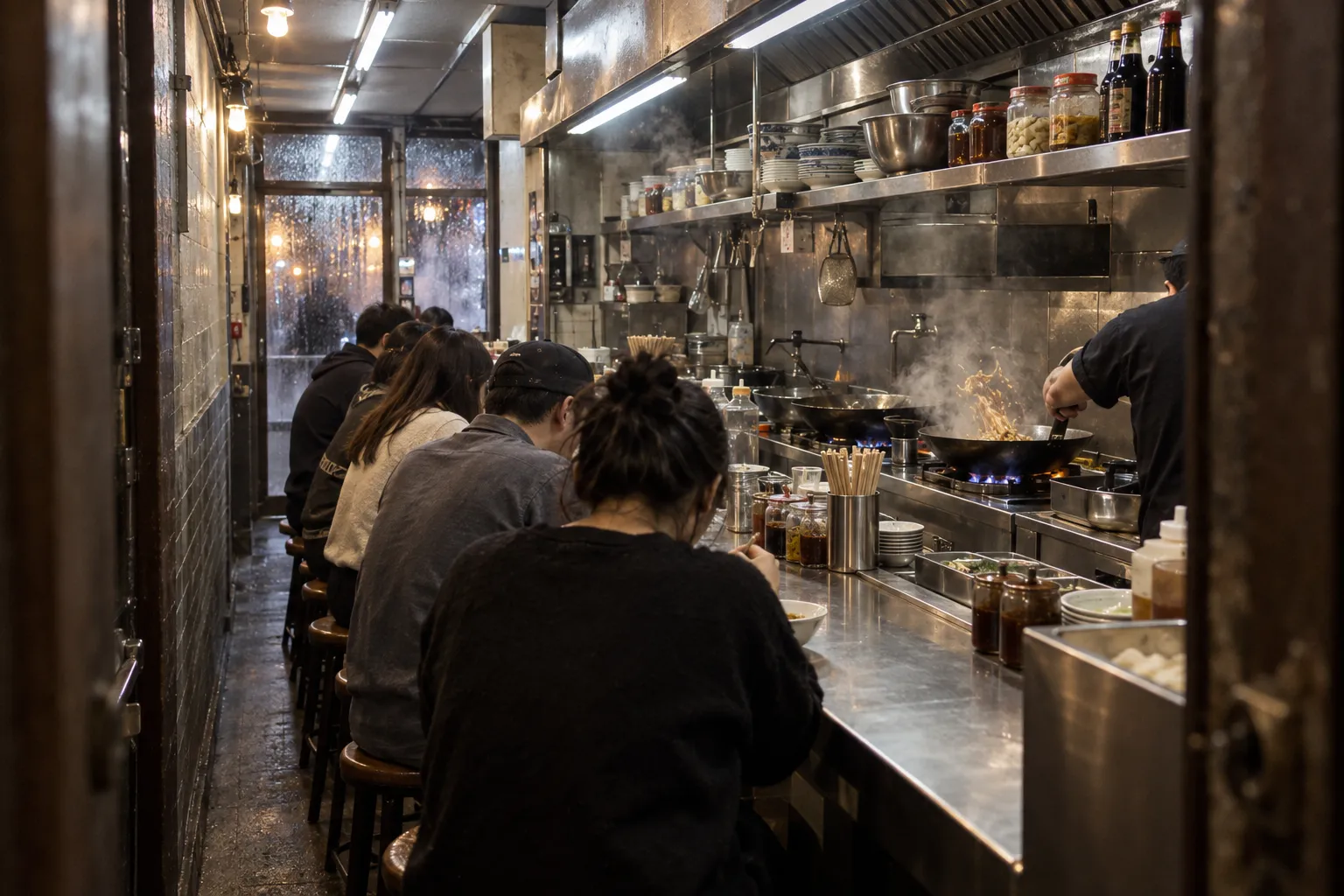
Yamo is about the size of a generous hallway. There is a counter, there are stools, and behind the counter there are two or three people cooking Burmese food on a line you can reach across. That is the entire restaurant. It has been on 18th Street in the Mission for years, it takes cash, and on a good day the tea leaf salad and a plate of noodles will cost you less than a cocktail two doors down.
Yamo has about nine stools and no waiting area, so the difference between a five-minute wait and a thirty-minute one is which side of the lunch rush you arrive on. Ask Karpo how 18th Street looks right now.
It is Burmese, and that is the point
Burmese food is under-represented almost everywhere outside a small number of American cities, and San Francisco is one of the places it has genuinely landed. The cooking sits at a crossroads — Indian spicing, Chinese technique, Thai brightness — and the result does not taste like a compromise between them. The flavours are savoury, sour and funky in a way that is distinct from all three neighbours.
The dish that explains it is the tea leaf salad. Fermented tea leaves are tossed with fried beans, peanuts, sesame, dried shrimp, tomato and cabbage, and the texture is as important as the flavour: crunchy, chewy and soft in the same mouthful, with a sour vegetal hit from the leaves that has no real equivalent in other cuisines. Order it first, every time.
What else to get
After the salad, the noodle dishes are the core of the menu — stir-fried, with a wok character that is only possible over a proper flame in a small kitchen with nothing else going on. The curries are milder than the Thai equivalents and thicker, closer to an Indian preparation, and they come with rice rather than in a bowl. Samusas — the Burmese samosa — turn up as a snack and as a soup, and the soup version is genuinely unusual and worth ordering once.
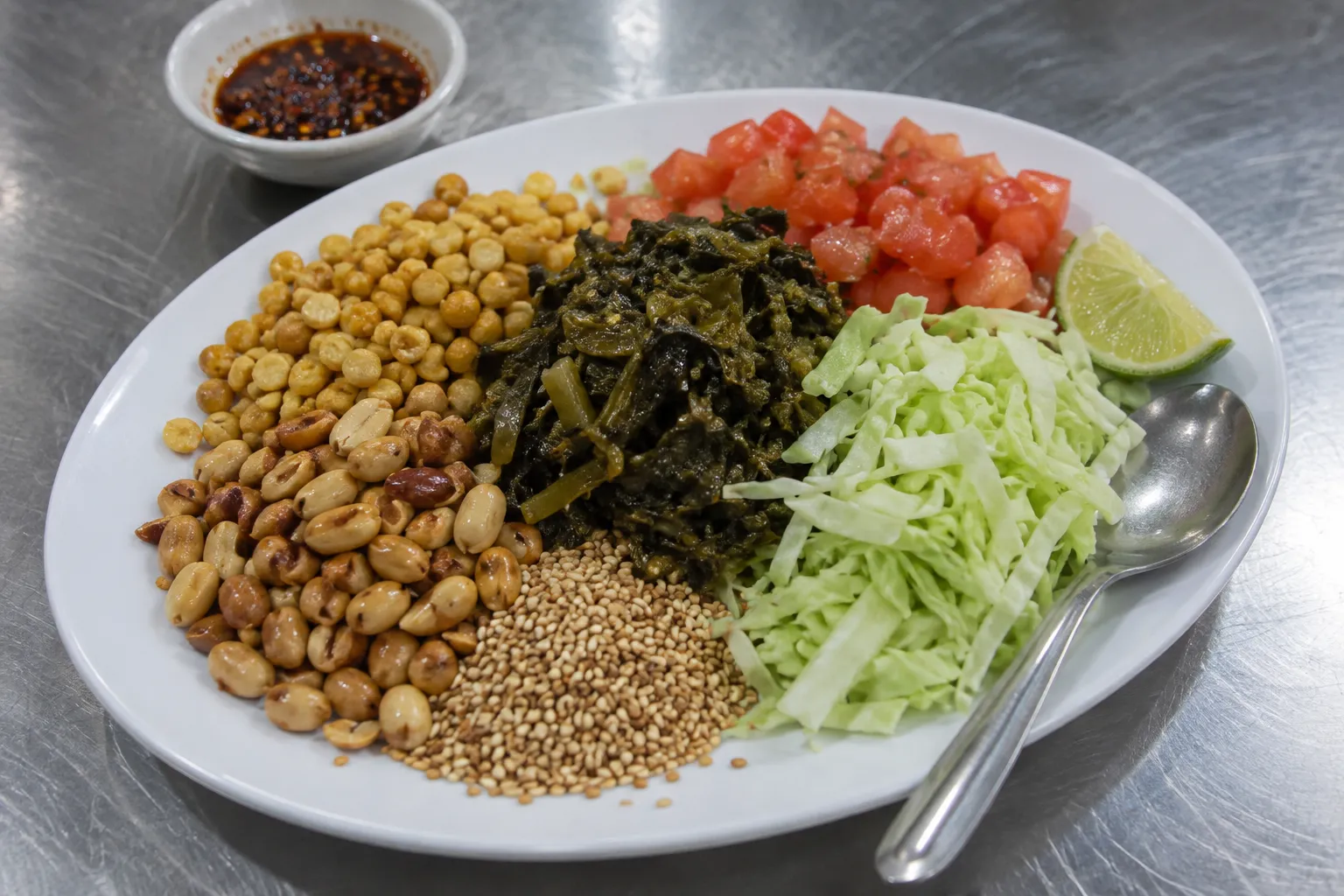
The pricing is the other half of the appeal. This is one of a shrinking number of places in the Mission where two people can eat properly, with leftovers, for a genuinely small amount of money, and it has stayed that way while the street around it has not.
Cash, stools and the rules of the room
There are around nine seats. They are stools at a counter, they face the kitchen, and there is no table service, no waiting area and nowhere to stand politely. When it is full, the honest options are to wait outside on the pavement or to order to go. Bring cash — a counter this small has always run that way and it is not worth finding out the hard way.
The correct etiquette in a nine-seat restaurant is to eat and leave. Nobody will hurry you and everybody will notice. If you want to sit and talk for an hour, that is a different restaurant on the same street.
When to go
Mid-afternoon is the answer — after the lunch rush, before the evening one. At that hour you will walk in, sit down, and get food in ten minutes. Weekday lunch is the busiest stretch and the queue on the pavement is real. Evenings fill up but turn over faster than lunch does, because the seats are stools and stools do not encourage lingering.
The other thing worth knowing is that a very small kitchen occasionally closes for a day, a week or a refit without much warning, which is the trade-off for the size and the price. A quick check before you walk over costs nothing.
Ordering it to go
Takeaway is a completely legitimate way to use Yamo and is what a lot of the neighbourhood does. The noodles travel well, the curries travel very well, and the tea leaf salad travels best of all because it is dressed at the table anyway. Dolores Park is about eight minutes' walk west and is the obvious destination on a clear day.
What it is not
It is worth setting expectations plainly, because a small restaurant with a devoted following attracts people expecting a hidden temple. Yamo is a good, cheap, fast counter that cooks one under-represented cuisine properly. It is not a destination dining experience, the room is bright and functional, and the service is brisk because it has to be. Arriving expecting atmosphere is a misunderstanding of what you are buying.
What you are buying is a plate of food that costs very little, tastes distinctly of somewhere, and arrives in under ten minutes. In a neighbourhood where the median dinner has quietly tripled in price over a decade, that combination is genuinely rare and is the reason the stools stay full.
Where it puts you
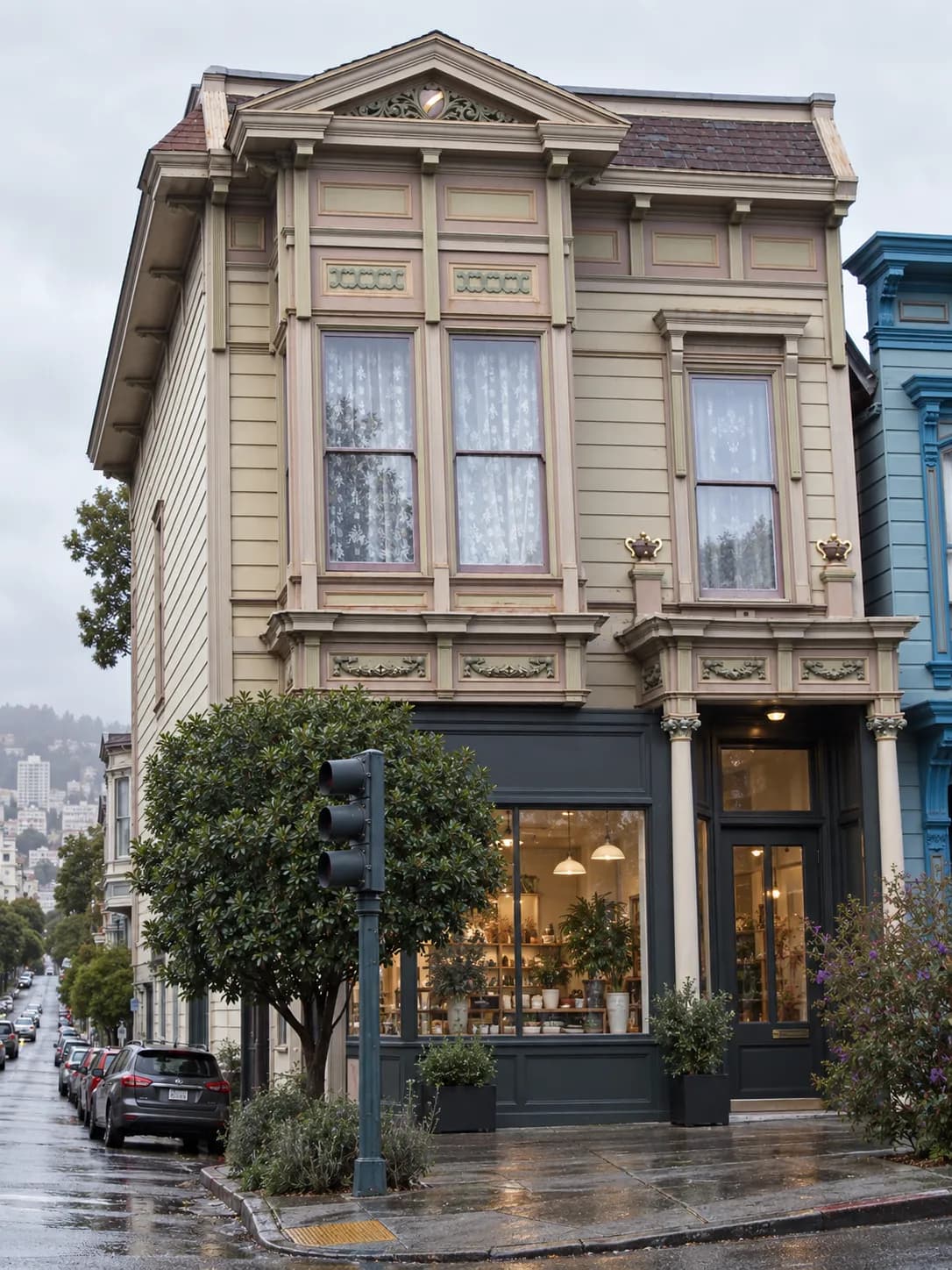
18th Street between Valencia and Guerrero is one of the densest few blocks of good food in San Francisco — bakeries, ice cream, taquerias and bars all within a couple of minutes — and Yamo sits in the middle of it as the cheapest serious thing on the strip. If you are building an evening, this is a good early stop precisely because it is fast and does not commit you to anything.
Practical notes
Yamo is a tiny Burmese counter on 18th Street in the Mission, San Francisco, with roughly nine stools, no table service and no waiting area. Cash is the safe assumption. Order the tea leaf salad first, then a stir-fried noodle dish; the samusa soup is the unusual one worth trying. Prices are genuinely low and portions are generous. Mid-afternoon is the easiest time to walk in; weekday lunch is the worst. Takeaway is normal here and Dolores Park is about eight minutes away. As with any very small kitchen, check it is open before making the trip.
One habit that separates regulars from first-timers: order before you look for a seat. The counter turns over faster than the kitchen cooks, and a party that secures stools first and reads the menu second will be waiting while the person behind them eats.
Tags: #SanFrancisco #Yamo #BurmeseFood #TeaLeafSalad #LunchNearMe #TheMission #CheapEatsSF #HiddenGemsSF #18thStreet #SFEats #CounterDining #BayAreaFood #MissionDistrict #SFNoodles
All trademarks are the property of their respective owners.
Ask Karpo first
Want to know whether Yamo has a stool free right now, if it is open today, and what else on 18th Street is worth the walk? Ask Karpo for a live read on the block, the quietest hour to go, and a nearby backup if the counter is full.