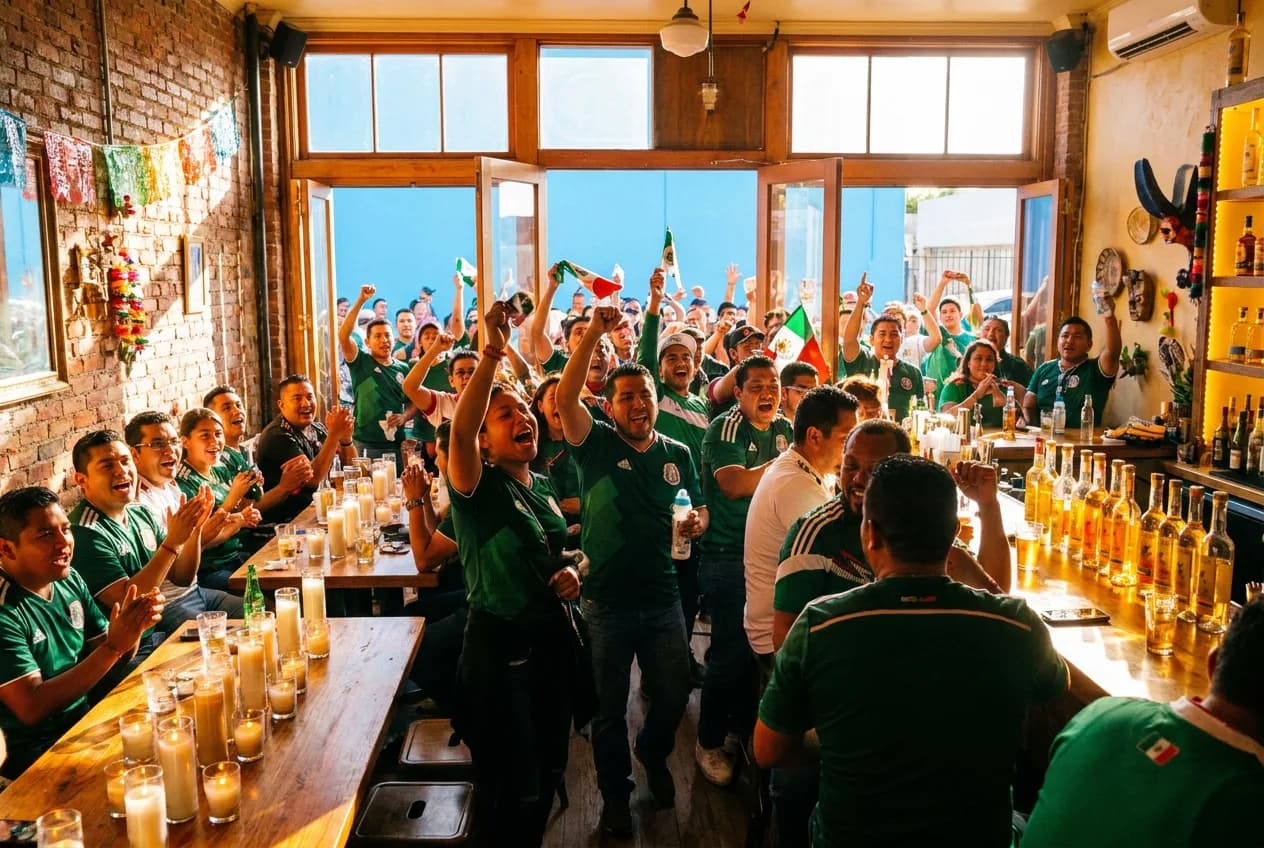
The first sip of mezcal hits like smoke and earth after ninety minutes of shouting at screens. At Café Pequeño on Orchard Street, the bartender doesn't need to ask which team you supported—the way you approach the bar, shoulders high or slumped, tells the whole story. By 11 PM, strangers are pulling chairs together, debating offside calls over shared bottles of espadín while the restaurant's wood-fired comal sends up ribbons of charred poblano and onion into the candlelit air.
Want the after-match scene? Ask Karpo which Lower East Side mezcal bars anchor World Cup nightlife.
The Immediate Migration
When the final whistle blows at MetLife Stadium or wherever you caught the match, Lower East Side devotees know the real analysis begins in the mezcalerías. The crowd flows down from rooftop bars and packed restaurants into the neighborhood's intimate agave temples, where the post-match energy finds its perfect pairing in smoky spirits and small plates designed for lingering.
The bartenders at these spots have developed an uncanny ability to read the room before anyone orders. Celebratory crowds dive straight into the premium bottles—perhaps a wild tepextate or rare tobala—while consoling groups start with familiar espadín, something smooth to ease the sting. Either way, the mezcal becomes the medium for the evening's second act.
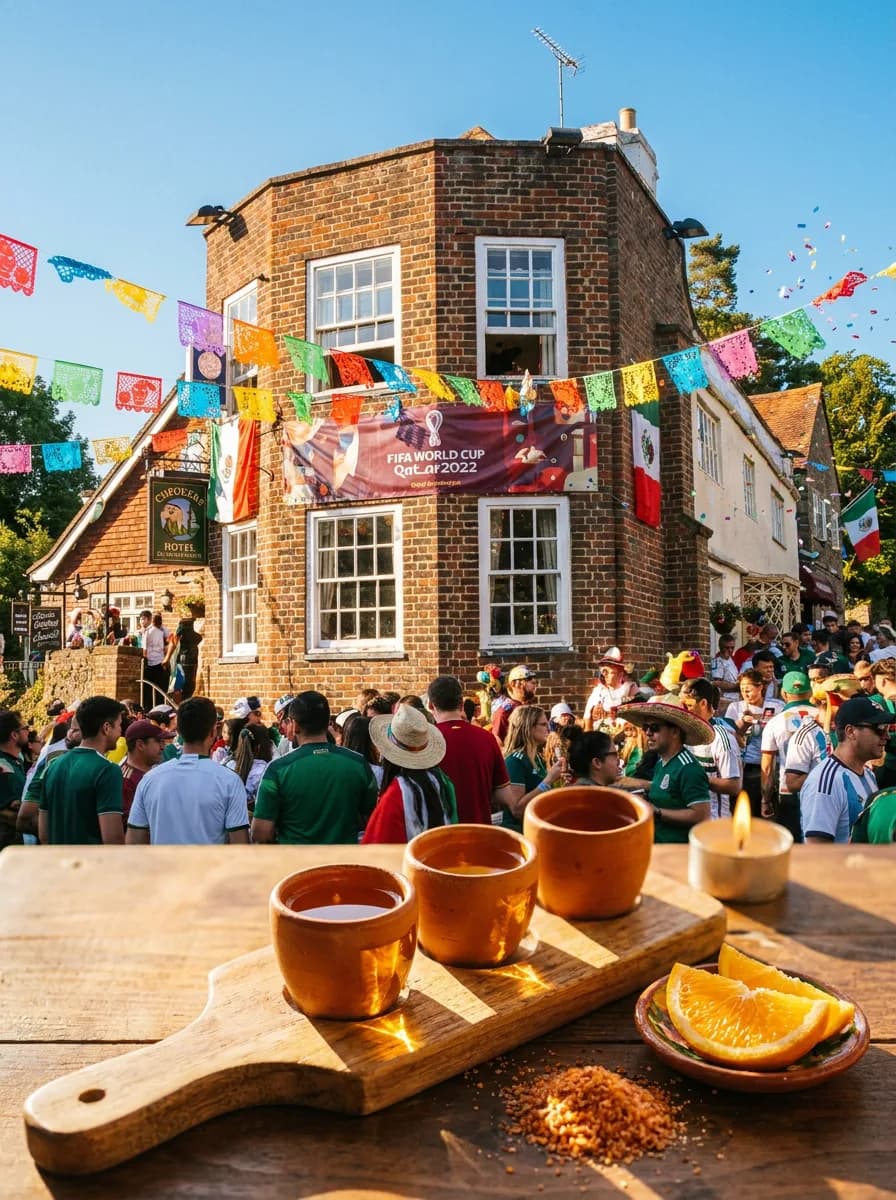
Where Strangers Become Tactical Analysts
Casa Mezcal transforms completely once the world cup nightlife kicks into high gear. Tables that started the evening with couples or small friend groups expand organically as the night progresses. Someone makes a particularly astute observation about defensive positioning, chairs get pulled over, and suddenly six people who met an hour ago are sharing a bottle and sketching formations on napkins.
The restaurant's tlayudas—massive crispy tortillas topped with beans, cheese, and your choice of carnitas or chorizo—become communal fuel for these extended debates. The smokiness of the mezcal mirrors the charred edges of the tortilla, creating flavor layers that somehow make every tactical argument more compelling. By midnight, the conversations have taken on their own rhythm, punctuated by the crack of lime being squeezed into clay copitas and the scrape of forks against shared plates.
The Ritual of Rounds
Mezcal service creates natural pause points that soccer analysis craves. Unlike beer or wine, mezcal demands attention with each pour—the ritual of examining the color, inhaling the aroma, taking that first careful sip. These moments become breathing spaces between heated debates about substitution timing or referee decisions.
At Nublo on Allen Street, the bartenders lean into this ceremony, explaining each bottle's origin story while pouring. The oaxacan cheese plates arrive with membrillo and marcona almonds, but it's the house-made grasshopper salt that becomes the evening's conversation starter. Watching someone try chapulines for the first time while explaining why the midfielder should have tracked back creates exactly the kind of memorable chaos that defines World Cup nightlife.
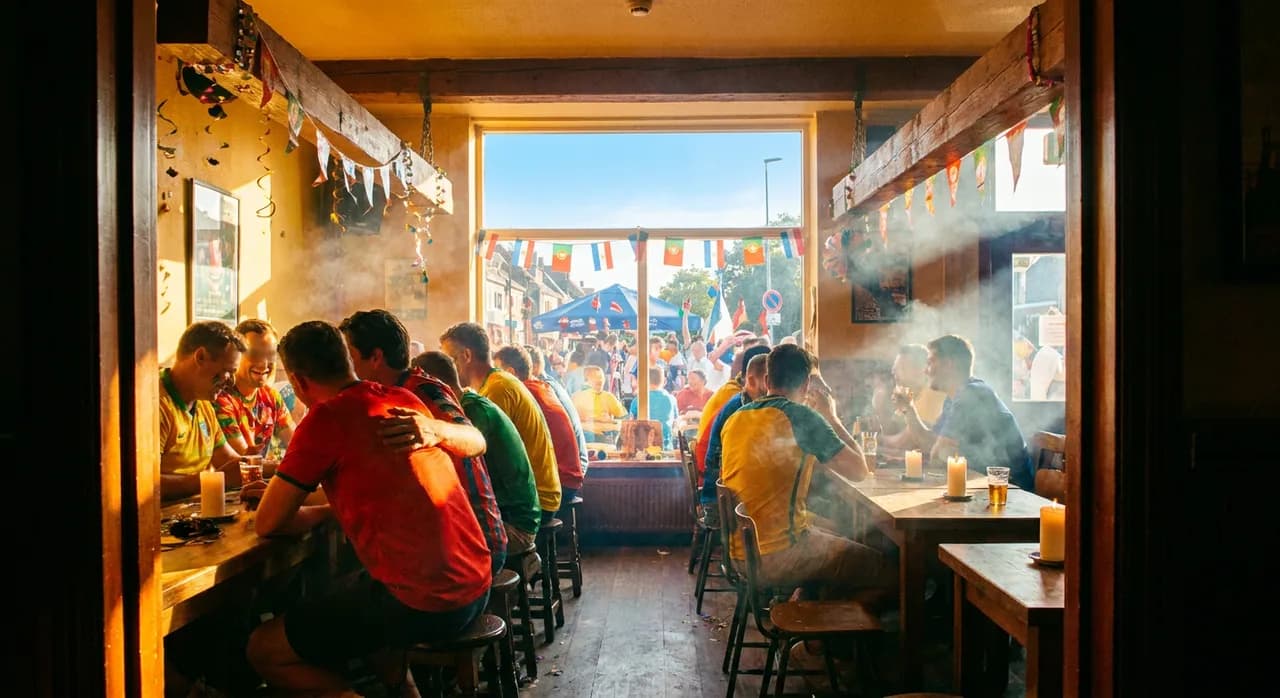
After Midnight, When Music Stops
The most sophisticated mezcalerías understand that post-match energy needs room to breathe. Around midnight, places like Los Feliz turn off the background music entirely, letting the natural soundtrack of animated conversation take over. The acoustics change—voices carry differently in candlelit spaces, and suddenly every passionate argument about formations or missed opportunities becomes part of the ambient experience.
This is when the evening's most interesting food moments happen. Small plates get ordered almost unconsciously—elote with cotija and chile, or simple but perfect guacamole with thick tortilla chips. The food serves as punctuation for the ongoing analysis, something to occupy hands while minds work through what went right or wrong on the pitch.
The Long Goodbye
World Cup matches end definitively, but mezcal bar conversations spiral and evolve. What starts as match analysis morphs into broader soccer philosophy, then personal stories about childhood teams, then planning for the next viewing party. The smoky agave becomes a social lubricant that transforms strangers into temporary family members united by shared passion and strong opinions.
The beauty lies in mezcal's natural pacing—it's impossible to rush, which extends these magical post-match moments far beyond what beer or cocktails would allow. Plates of esquites or simple quesadillas keep appearing, ordered by whoever happens to be feeling generous, and suddenly it's 2 AM and you're exchanging numbers with people whose last names you never learned but whose soccer takes you'll remember forever.
Practical Notes
Arrive at your chosen mezcalería within thirty minutes of full-time to secure good seating—these spots fill quickly once the mainstream bars start clearing out. Most Lower East Side mezcal bars don't take reservations for post-match crowds, so flexibility helps. Expect to spend more than at regular bars; quality mezcal and authentic preparation command premium prices, but the experience justifies the cost. Come hungry—the food is designed for sharing and pairs perfectly with the spirits. If you're new to mezcal, start with espadín varieties before exploring wilder expressions. Cash tips are appreciated since many places still run old-school payment systems.
Tags: #WorldCup2026 #FIFA2026 #WorldCupNightlife #LowerEastSide #MezcalBars #NYCNightlife #SoccerBars #PostMatchDrinks #NYC2026 #WorldCupNYC #FootballNightlife #AgaveBars #NYCSoccer #MezcalCulture
Sources consulted: fifa.com · espn.com
Please drink responsibly. Must be of legal drinking age.
All trademarks are the property of their respective owners.
Ask Karpo first
Want the best spot near you to catch every World Cup 2026 match, plus live scores and a matchday plan? Ask Karpo for personalized viewing recommendations, the nearest fan-friendly bars, and real-time bracket updates wherever you are.