 Where to Eat Near Penn Station That Isn't a Chain
US Open 2026
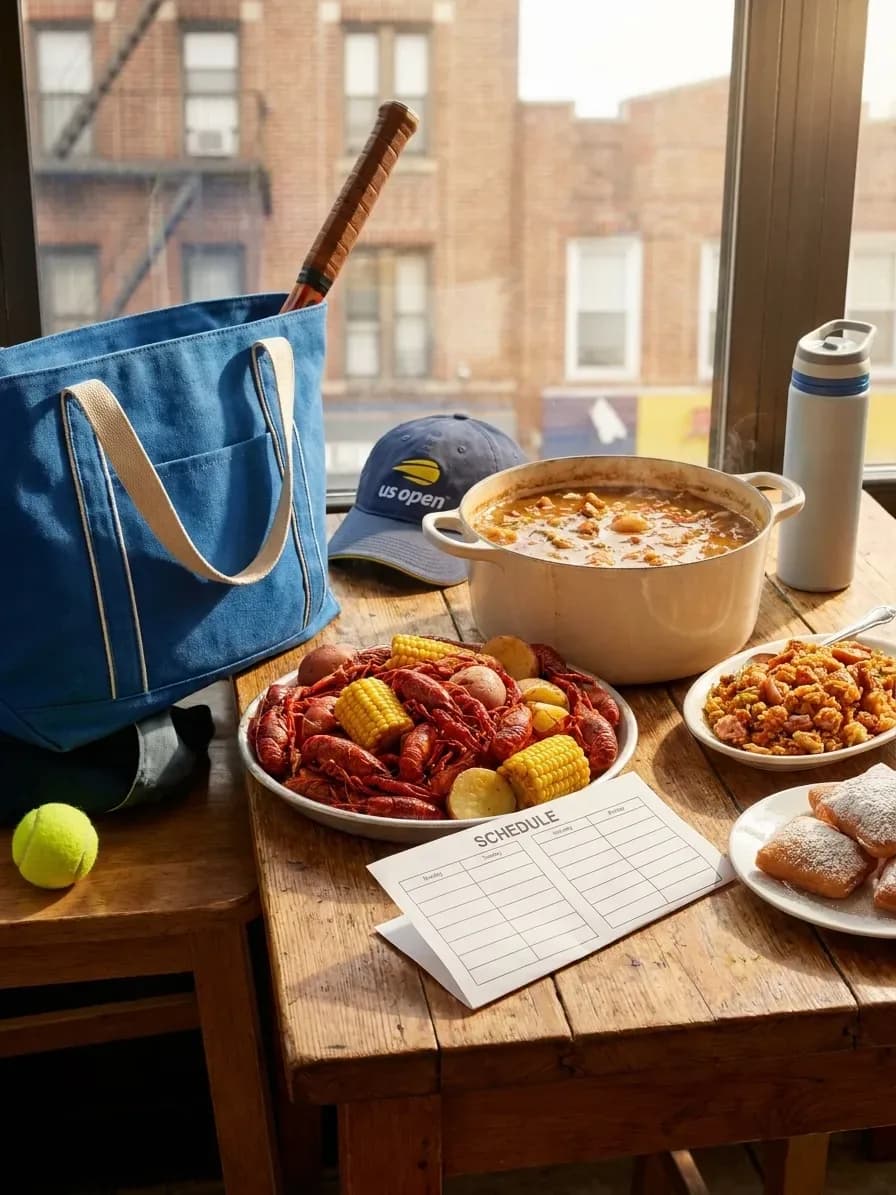
Louisiana Creole Cuisine: Queens Cajun Restaurants Near 2026 US Open
A guide to finding authentic Louisiana Creole and Cajun flavors in Queens during the 2026 US Open tennis tournament.
When tennis fans from Louisiana, Mississippi, and the Gulf Coast travel to Queens for the 2026 US Open at the USTA Billie Jean King National Tennis Center in Flushing Meadows Corona Park, many arrive hoping to find a taste of home between match sessions. While New York is celebrated for its global dining scene, authentic Creole and Cajun cooking—the kind rooted in roux, the holy trinity of celery, bell pepper, and onion, and Gulf seafood traditions—requires a bit of local knowledge to locate along the 7 train corridor and surrounding neighborhoods. This guide connects visitors from the South with Queens dining experiences that honor Louisiana culinary traditions, offering practical context for planning meals around tournament schedules, transit connections, and the rhythms of a multi-day visit to one of the city's most diverse boroughs.
Text Karpo with your US Open session time and Queens starting point, and we’ll turn this Authentic Gulf Coast dining experiences for visitors from the South into a practical local plan.
Understanding Louisiana Creole and Cajun Traditions in New York
Louisiana Creole cuisine reflects the layered history of New Orleans and surrounding parishes, blending French, Spanish, West African, Caribbean, and Native American influences into dishes like gumbo, jambalaya, étouffée, and red beans with rice. Cajun cooking, rooted in the rural Acadiana region, emphasizes one-pot meals, smoked meats, and bold seasoning. Both traditions rely on technique—building flavor through slow-cooked roux, layering spices, and respecting the integrity of Gulf seafood like crawfish, shrimp, and oysters. In New York, restaurants that honor these traditions often adapt to ingredient availability and local tastes, but the best examples maintain the foundational techniques and flavor profiles that define the Gulf Coast table. Visitors planning meals around US Open sessions can use these culinary markers to identify authentic experiences, whether seeking a full sit-down dinner or a quick plate before heading back to Flushing Meadows.
Queens Dining Landscape and the 7 Train Corridor
Queens is home to one of the most ethnically diverse dining scenes in the world, with neighborhoods along the 7 train corridor—Flushing, Corona, Jackson Heights, Woodside, Sunnyside, and Long Island City—offering cuisines from every continent. However, Louisiana Creole and Cajun restaurants are less common here than in other parts of the city, making advance research essential. Visitors from the South may find Gulf Coast flavors in unexpected places: a Cajun-spiced seafood boil at a fusion spot, a po'boy-inspired sandwich at a neighborhood deli, or a gumbo special at a bar with rotating menus. The key is to check current menus, hours, and availability directly with businesses close to your visit, as restaurant offerings and operating schedules shift frequently. The official US Open transportation guide and MTA resources provide transit context for planning meal stops before or after matches.

Timing Meals Around US Open Sessions
The US Open typically runs from late August through early September, with day and evening sessions that shape dining rhythms. Day sessions often begin around the posted time, while evening sessions start in the late afternoon or early evening. Visitors planning to eat before a match may prefer a mid-morning or early lunch spot near their hotel or along the 7 train route, while post-match diners often seek dinner options that stay open later. Checking the official US Open event schedule and the visitor A-Z guide helps coordinate meal timing with match start times, security procedures, and transit connections. Restaurants in neighborhoods like Astoria, Long Island City, and Jackson Heights may offer more flexible hours and seating availability than spots immediately adjacent to Flushing Meadows, which can fill quickly during tournament weeks.
What to Look for in Authentic Gulf Coast Cooking
When evaluating a restaurant's approach to Louisiana Creole or Cajun cuisine, certain markers signal authenticity and respect for tradition. Look for menus that feature dishes built on a proper roux—a slow-cooked mixture of fat and flour that forms the base of gumbo, étouffée, and many sauces. The holy trinity of vegetables should appear prominently, and seafood should be treated with care, not overpowered by heat or heavy breading. Seasoning blends should balance cayenne, paprika, garlic, and herbs without relying solely on salt or generic hot sauce. Sides like dirty rice, collard greens, cornbread, and red beans indicate a kitchen that understands the full Louisiana table. Visitors can also ask staff about preparation methods, ingredient sourcing, and whether the kitchen uses Gulf seafood or local substitutes. These conversations often reveal a restaurant's commitment to honoring the cuisine's roots.
Exploring Broader Queens Food Culture
If Louisiana Creole or Cajun options prove limited during your visit, Queens offers countless other culinary traditions worth exploring. Jackson Heights is renowned for South Asian, Tibetan, and Latin American dining; Flushing is a hub for Chinese, Korean, and Malaysian cuisine; Astoria features Greek, Egyptian, and Middle Eastern restaurants; and Corona offers Mexican, Ecuadorian, and Colombian flavors. Many of these neighborhoods are accessible via the 7 train or a short bus or taxi ride from Flushing Meadows. The NYC Tourism Queens guide provides neighborhood overviews, and the NYC Parks page for Flushing Meadows Corona Park includes context for the surrounding area. Visitors can also explore food markets, bakeries, and delis that reflect the borough's immigrant communities, creating a richer sense of place beyond the tennis grounds.
Practical Considerations for Dining Around the Tournament
- Check restaurant hours and reservation policies directly with each business close to your visit, as schedules and availability change frequently during high-traffic events.
- Review the official US Open prohibited-items guide before planning to bring outside food or beverages into the tennis center.
- Use the MTA US Open transit guide to plan meal stops along your route to and from Flushing Meadows, accounting for potential delays during peak travel times.
- Consider dining in neighborhoods slightly farther from the tournament grounds—such as Astoria or Long Island City—for more seating availability and a quieter atmosphere.
- Confirm ingredient sourcing and preparation methods with restaurant staff if you have specific dietary needs or preferences related to Gulf Coast cooking traditions.
- Explore the NYC Health food safety resources if you have questions about restaurant inspection records or food handling practices.
- Plan for longer wait times at popular spots during tournament weeks, and consider off-peak meal times to avoid crowds.
- Bring cash or confirm payment options in advance, as some smaller neighborhood restaurants may have limited card processing or prefer cash transactions.
Building a Respectful Visitor Experience
Approaching Queens dining with curiosity and respect for the borough's communities enhances any visit. Many neighborhood restaurants are family-owned, operate on tight margins, and serve regulars who rely on consistent service and atmosphere. Visitors can support these businesses by arriving with realistic expectations, tipping generously, and engaging politely with staff. If a restaurant's interpretation of Louisiana Creole or Cajun cuisine differs from what you know at home, consider it an opportunity to learn how culinary traditions adapt and evolve in new contexts. Queens is not the Gulf Coast, and its dining scene reflects the borough's own history, demographics, and ingredient networks. Recognizing that complexity makes for a richer, more grounded experience than seeking an exact replica of a New Orleans or Lafayette meal.
Tags: #USOpen2026 #Queens #FlushingMeadows #KarpoFinds #Karpo #louisiana #NewYorkLocal #TennisTravel #NYCLocalLife #TennisTravel
Sources consulted: usopen.org — Official event schedule · usopen.org — Official visitor A-Z guide · usopen.org — Official transportation directions · usopen.org — Official prohibited-items guide · MTA — Official US Open transit guide · NYC Parks — Flushing Meadows Corona Park · NYC Tourism — Queens · NYC Health — Food Safety
All trademarks are the property of their respective owners.
Ask Karpo first
Want to know what is actually open, how to time the trip, and where to pause around Queens? Ask Karpo for the latest public US Open context, a respectful visitor plan, and a live route around Flushing Meadows before you head out.
Ask Karpo for more information.
Keep reading
- Where to Eat Near Penn Station That Isn't a Chain
 Andytown Coffee in the Outer Sunset: The Snowy Plover Explained
- Best Things to Do in Chicago: What the City Gives Away