 Where to Eat Near Penn Station That Isn't a Chain
US Open 2026

Louis Armstrong Stadium Guide: Seats, Shade, and Match Access
Use this Louis Armstrong Stadium guide to choose reserved or general-admission access, plan for comfort, manage queues, and build a smarter US Open day.
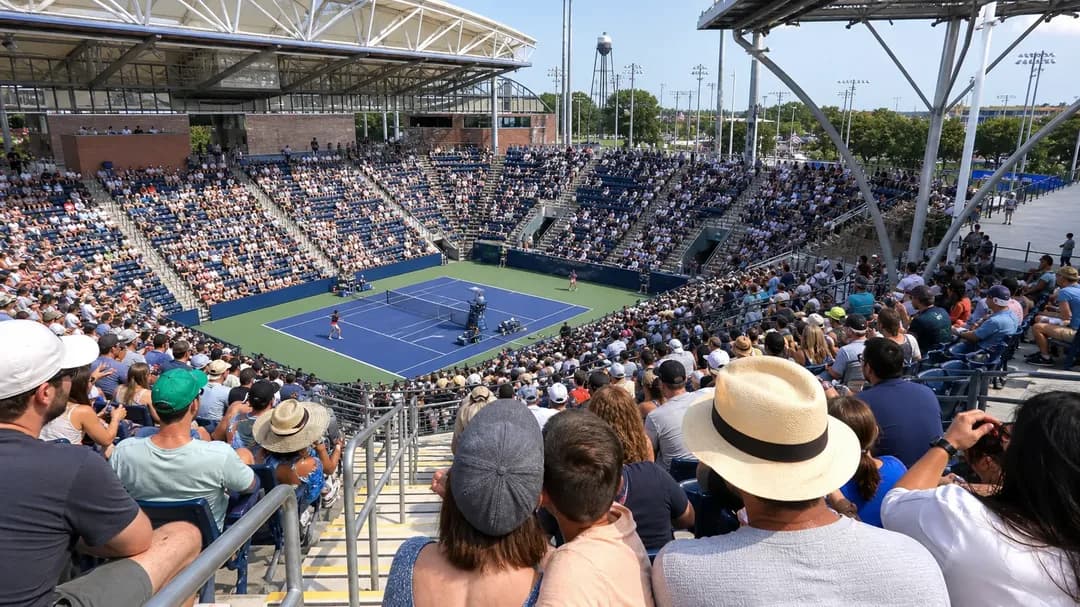
Louis Armstrong Stadium is often the sweet spot of a US Open day: large enough to feel like a major stage, intimate enough that tennis still feels close, and flexible enough to anchor a plan that also includes outer courts, practice viewing, food breaks, and late-session decisions. Reopened in 2018 with a retractable roof and a capacity of about 14,000, Armstrong offers a different experience from Arthur Ashe Stadium. The key is understanding what your ticket controls. A reserved Armstrong ticket gives you an assigned seat inside Armstrong plus grounds access, but it does not include a seat in Arthur Ashe. Grounds and Ashe ticket holders can use Armstrong general-admission areas when space is available, while reserved inventory provides the security of a designated Armstrong seat.
Text Karpo Now: Tell us your session and comfort priorities, and Karpo can help plan an Armstrong-focused day with realistic access and timing.
Reserved Versus General Admission
The reserved-versus-general-admission choice is really a choice between certainty and flexibility. If Armstrong is the court you most want to experience, a reserved Armstrong ticket removes much of the stress from your day. You can leave for food, restrooms, outer-court scouting, or a walk around the grounds and still know where your main seat is when you come back, subject to normal stadium re-entry procedures and crowd flow. That matters most when a popular matchup lands in Armstrong or when weather pushes fans toward covered courts.
General-admission access is more opportunistic. Grounds and Ashe ticket holders may enter Armstrong general-admission areas when available, but availability can change quickly. A lightly attended early match may feel easy; a later match with a recognizable name, a tight fifth set, or a crowd-building doubles match can create a very different doorway experience. If you are relying on general admission, treat Armstrong like a court you earn by arriving early and making tradeoffs.
- Choose reserved Armstrong if watching a full match there without queue anxiety is a main goal.
- Use general admission if you are comfortable sampling matches and changing plans when an area fills.
- Remember that an Armstrong reserved seat is not an Arthur Ashe seat.
- Build in time for walking, entry procedures, concessions, and restrooms before important matches.
Roof, Shade, And Airflow
Armstrong’s retractable roof is a major part of its modern identity, but fans should think of it as operational infrastructure rather than a personal comfort guarantee. The roof can help the tournament manage play in certain weather conditions, yet it does not mean every seat is shaded at every moment or that the building will feel identical all day. Sun angle, time of day, humidity, attendance, and whether you are in a concourse or sitting for a long stretch can all affect comfort.
For planning purposes, assume Armstrong can offer more protection and continuity than an uncovered outer court while still requiring normal late-summer preparation. Fans who are sensitive to sun should not rely on seat maps alone to promise shade, because exact conditions vary by day and session. Bring a hat, use sunscreen before entering, hydrate steadily, and consider a light layer for evening. The best comfort strategy is building a day that lets you cool down, move, and reset before the matches you care about most.

Sightlines And Seat Feel
Armstrong’s appeal comes from a balance between scale and visibility. It is not a tiny outer court where every sound feels close, but it is also not the largest show court on the grounds. That middle ground can be ideal for fans who want atmosphere without feeling detached from the tennis. Lower seats tend to emphasize pace, spin, body language, and the physicality of players changing direction. Higher seats often make patterns clearer: crosscourt exchanges, court positioning, return depth, and how one player opens space before attacking.
If you are choosing a reserved seat, think about what kind of tennis viewer you are. Fans who love tactics often enjoy being high enough to see geometry develop. Fans who want photographs, emotional reactions, and a stronger sense of speed may prefer being closer, while accepting that near-court angles can make some patterns harder to read. Baseline perspectives help with depth and serve-plus-one patterns; sideline perspectives can be strong for movement, net approaches, and how much court a player must cover.
For general-admission users, sightline strategy is also timing strategy. Do not assume you can arrive at the last minute and choose among the best open looks. If Armstrong general-admission areas are available, early arrival usually gives you more choice and a calmer entry. Once you sit, think twice before leaving during a match that is gaining energy. A quick food run can become a lost viewing position if demand rises while you are gone.
Queues And Session Timing
The smartest Armstrong day starts with the order of play, but it should not pretend to know player assignments before they are released. Until the schedule is published, all planning should be conditional. Once the order of play is available, look at Armstrong as part of a campus-wide puzzle: which matches are must-see, which are easy to sample, which courts are nearby, and where your ticket gives you certainty versus possibility. A reserved Armstrong ticket can make the stadium your base. A grounds or Ashe ticket can still make Armstrong a target, but only when general-admission space cooperates.
Queues tend to grow when the tennis story becomes obvious to everyone at once. A recognizable player, a close scoreboard, a weather-related shift, or a match ending elsewhere can all redirect crowds. Because tennis has no clock, the match you planned around can start later than expected, and a match you meant to sample can become the best drama of the day. Armstrong rewards fans who stay flexible but disciplined: know your priorities, decide what you are willing to miss, and avoid chasing every surge.
- Before leaving a good Armstrong spot, consider whether the next match may pull a bigger crowd.
- Use changeovers and set breaks for short movements, but save longer errands for between matches.
- If you have reserved access, let that certainty reduce stress rather than overpacking your schedule.
- If you are relying on availability, arrive before the match becomes the obvious attraction.
Practical Notes
Make Armstrong your home base if your ticket includes a reserved seat there, then add nearby courts in short, realistic blocks. If you have grounds or Ashe access and want Armstrong general admission, target earlier windows, enter before a match becomes the campus magnet, and avoid leaving a strong seat casually. Pack for heat, sun, and evening temperature changes without assuming a specific shade outcome. Check the official event schedule and order of play before travel, then re-check on site because tennis timing changes as matches run long or short. Keep meals simple around priority matches: eating before a key Armstrong window is usually less stressful than trying to squeeze in food after a crowd has already formed.
Tags: #LouisArmstrongStadium #USOpen2026 #USOpenSeats #TennisTickets #FlushingMeadows #NewYorkTennis #TennisFans #StadiumGuide #SportsTravel #USOpenGuide #MatchAccess #KarpoFinds
Sources consulted: usopen.org — Official reference · usopen.org — Official reference · usopen.org — Official reference
All trademarks are the property of their respective owners.
Ask Karpo first
Want to know when to queue, whether reserved seating is worth it, and what is actually open to your ticket type? Ask Karpo for current Louis Armstrong access details, a respectful fan plan, and a live route around Flushing Meadows.
Ask Karpo for more information.
Keep reading
- Where to Eat Near Penn Station That Isn't a Chain
 Andytown Coffee in the Outer Sunset: The Snowy Plover Explained
- Best Things to Do in Chicago: What the City Gives Away