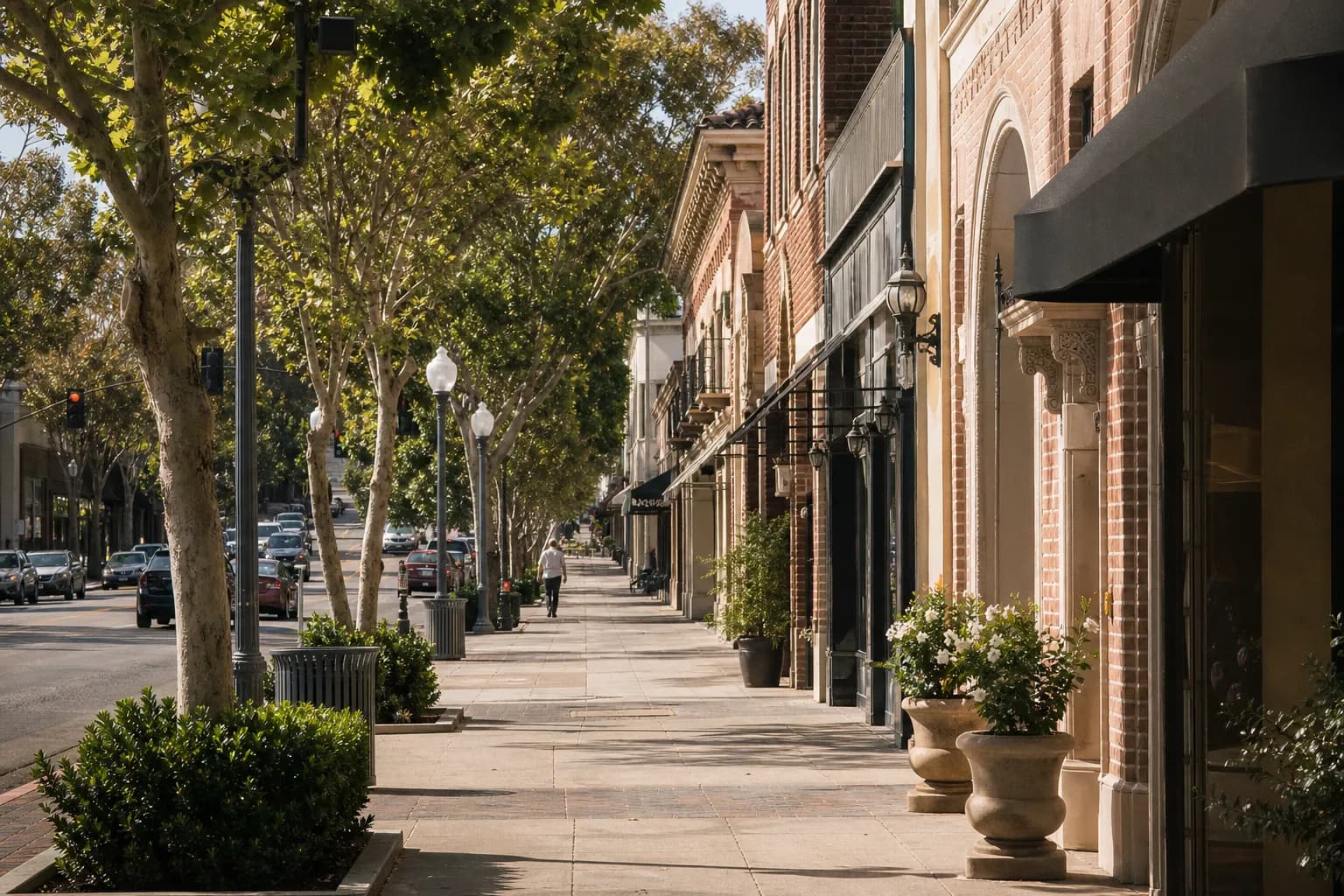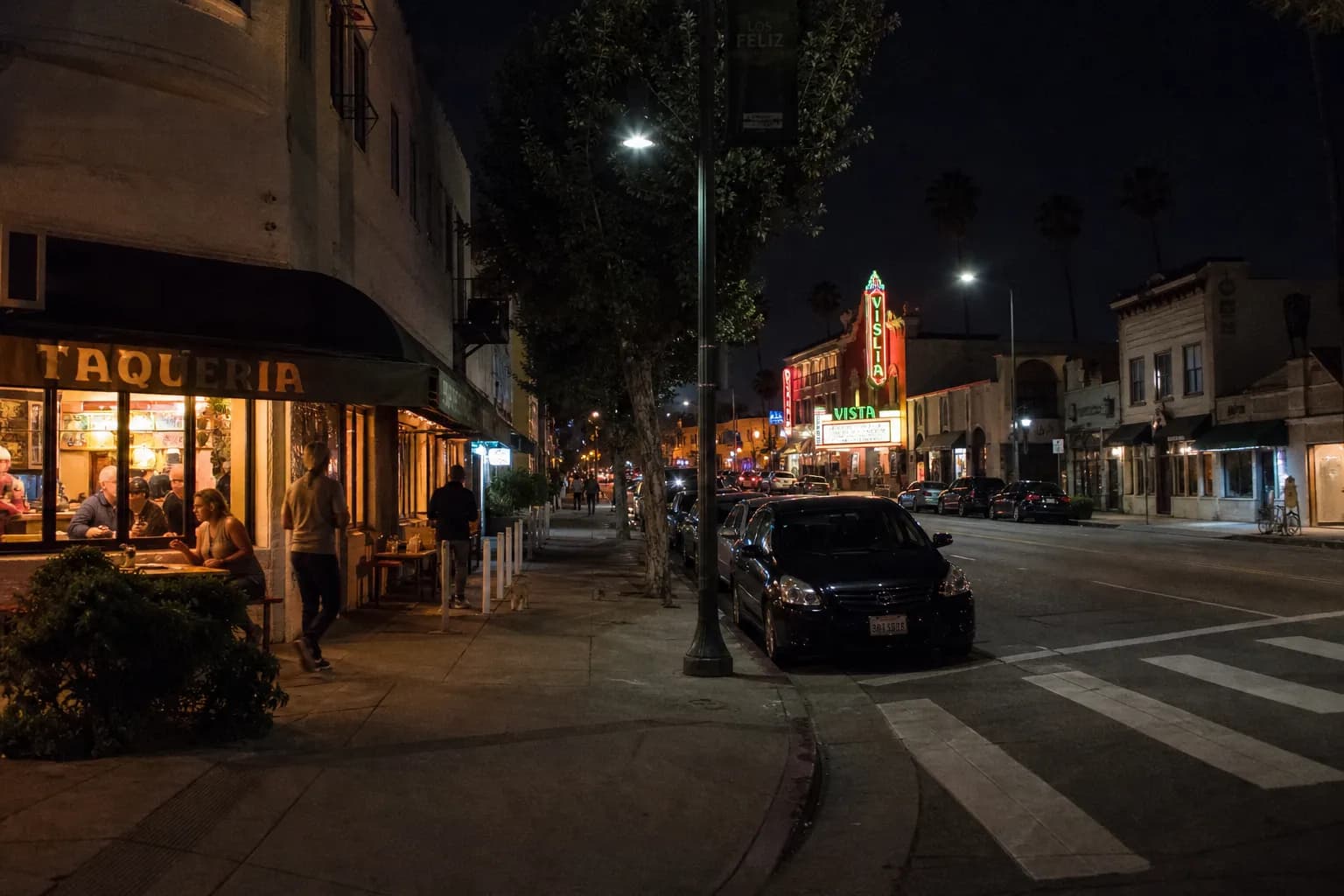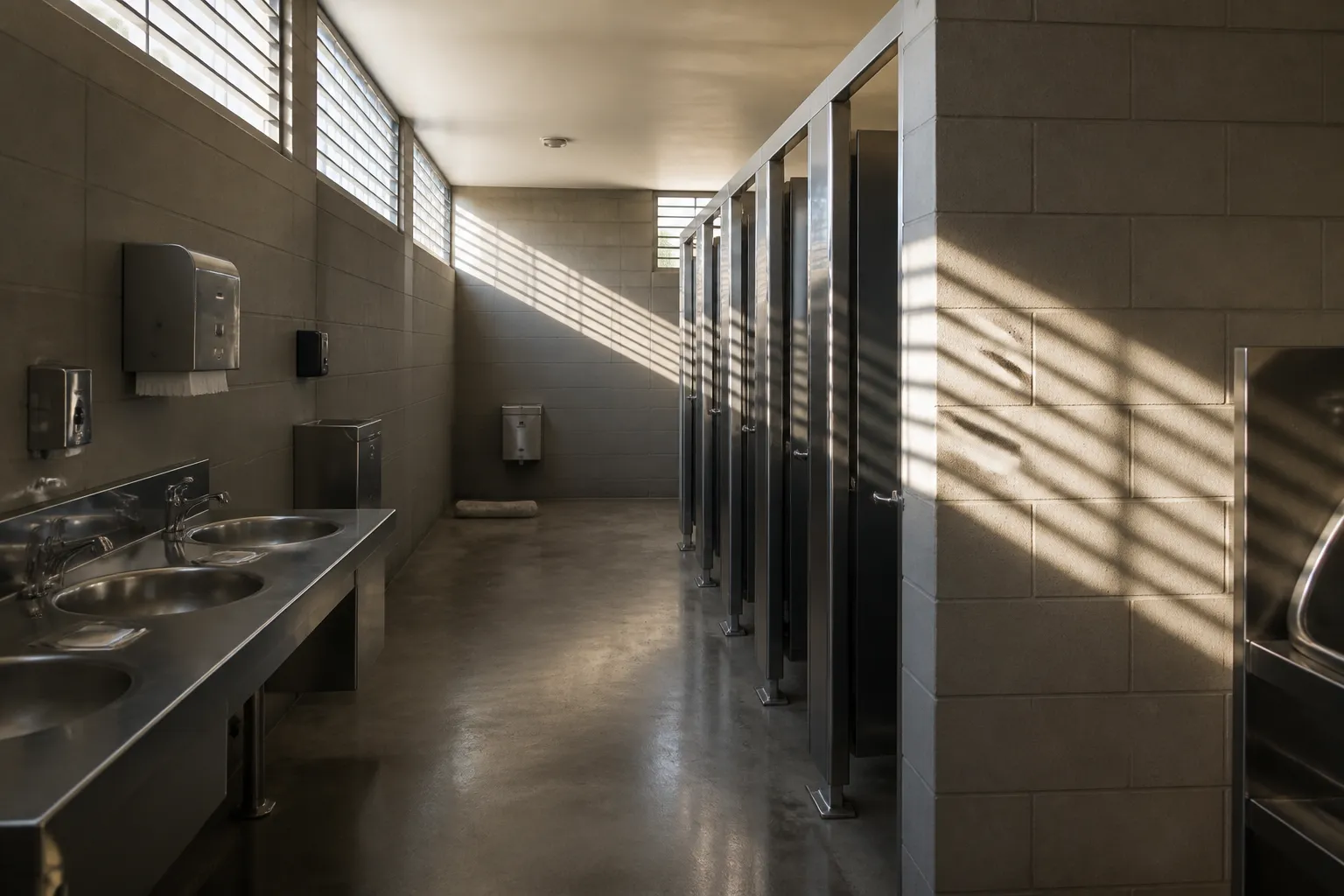
In Los Angeles, “public restroom near me” works best when you treat it like a live logistics question, not a broad location search. Open your map app and try a few practical terms: restroom, bathroom, toilet, accessible restroom, open now, and public access. Then compare what the map shows with what the street actually looks like. A pin near a busy corridor is often more useful than one that is technically closer but sits inside a place with restricted entry, a long indoor route, or unclear access rules.
Build your LA restroom backup plan before you start walking
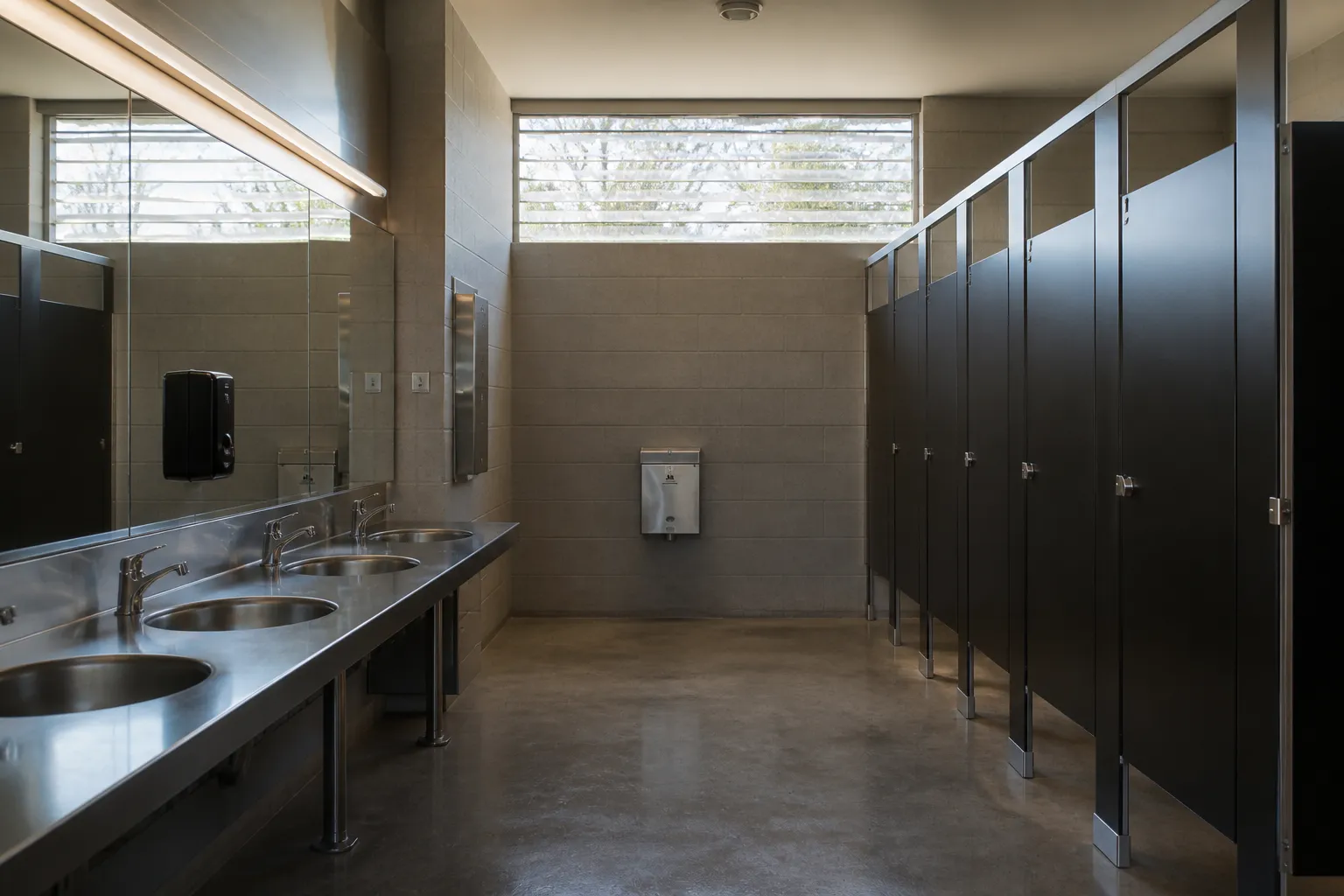
The most useful result is usually the one you can reach quickly and use without guessing. Check whether the listing shows recent reviews, recent photos, and clear entry cues. If you need step-free access, make that the deciding factor before anything else. In LA, a restroom that is ten minutes away but simple to enter is often a better choice than a closer option hidden behind a lobby, a paid area, or a confusing set of doors.
Use LA neighborhood patterns instead of hoping every block is the same
LA is not built like one compact downtown. Public access tends to cluster around certain types of places: civic centers, library branches, parks, beach corridors, major transit nodes, and larger commercial areas. In dense neighborhoods like Hollywood or Koreatown, you are more likely to find restroom access in shared commercial buildings or near transit and shopping activity than on quiet side streets. In downtown civic areas, the best odds usually come from public-facing institutions and busy pedestrian zones.
Along the coast, restroom access often follows the shape of the shoreline, parking lots, paths, and recreation spaces, but it can feel spread out once you leave the most obvious walking routes. In more suburban-feeling parts of the city, city facilities and recreation centers can be more dependable than trying to improvise from block to block. The local rule is simple: follow the places where people are already expected to gather, because those are the places most likely to support public use.
Check live details before you leave your current spot
Before you start walking, do a quick reality check. Recent photos can tell you whether a restroom is visibly signed, whether the entrance is easy to spot, and whether the route looks open to the public. Recent comments may mention long lines, temporary closure, or whether the restroom is available only in a ticketed or staff-controlled area. If you are in a hurry, that kind of live detail matters more than a general description of the place.
Also think about the kind of access you need. A restroom can be technically public but still inconvenient if it is upstairs, behind a gate, or inside a building with security screening. If you are traveling with a stroller, carrying bags, or using a mobility device, check for level entry and whether the restroom is near the main entrance rather than buried in a back corner. When the location is unclear, it is safer to assume you may need a second option nearby.
Time your stop around traffic, weather, and transit reality
Timing matters in LA because demand shifts with the day. Midday heat, weekend crowds, and event surges can turn an easy stop into a frustrating one. On hot afternoons, look for indoor options if you can, especially if you have already been walking in the sun. After heavy rain or during uncomfortable wind conditions, outdoor facilities may be less pleasant than a nearby indoor public-access space. A restroom search is always better when you pair it with shade, water, and a short route.
Transit changes the calculation too. If you are using Metro or another bus-and-rail trip, do not assume every stop gives you a simple restroom option. Plan for a restroom before a transfer or after you reach a station area with obvious public access nearby. LA distances can be deceptive: a five-minute walk on a map may become longer because of wide streets, intersections, hills, or freeway edges. When you are already urgent, build in a buffer and avoid gambling on the last possible stop.
Always keep a backup route within the same part of town
The smartest LA restroom plan is a two-stop plan. Pick one primary option and one backup that is close enough to reach without crossing town. If the first place is closed, hard to access, or unexpectedly busy, your fallback should be in the same neighborhood pattern: library branch, civic building, park area, transit-adjacent retail, or another public-facing place you can reach quickly. This is especially important if you are driving, because the wrong detour can turn into traffic, parking, and more waiting.
If you are walking, choose routes with active storefronts, shade, and clear crossings. If you are traveling with children, older adults, or anyone who needs extra time, prioritize level entrances and restrooms that do not require a long interior detour. The goal is not to find the most polished restroom in the city. It is to find the one that fits the trip you are already making, so you can handle the need and keep moving.
A simple plan before you go
- Search for restroom, bathroom, and accessible restroom together.
- Check recent photos and comments before you walk.
- Build a primary option and a nearby backup in the same area.
- Plan around heat, transit transfers, and LA walking distance.

Tags: #weekend_plans #la
Sources consulted: Official city information · Google Maps · Karpo local search
All trademarks are the property of their respective owners.