 Nisei Week Events: Little Tokyo's Enduring Japanese American Heritage Festival
Free Things to Do
Trace george lombard jr Draft News through LA Baseball Stops
A free Downtown-to-Echo Park baseball reading walk for families tracking Yankees prospect news without chasing rumors or paid stadium access.
Los Angeles can turn a fast-moving baseball headline into a free daytime learning trip without pretending the story belongs to the city. Start at the Los Angeles Central Library, where current newspapers, public computers, Wi-Fi, Special Collections, and librarians make it easier to separate prospect buzz from verified reporting. As of Thursday, August 6, 2026, george lombard jr is tied to Yankees coverage, including official prospect updates and recent MLB debut reporting, not to a confirmed Los Angeles appearance. The useful LA angle is literacy: read reputable baseball sources, compare scouting language, then connect the story to public baseball landmarks that show why prospect news travels quickly here.
Want the LA version without rumor-chasing? Text Karpo for a library-first baseball route, transit checks, public stop ideas, and same-day verification prompts before your family leaves Downtown.
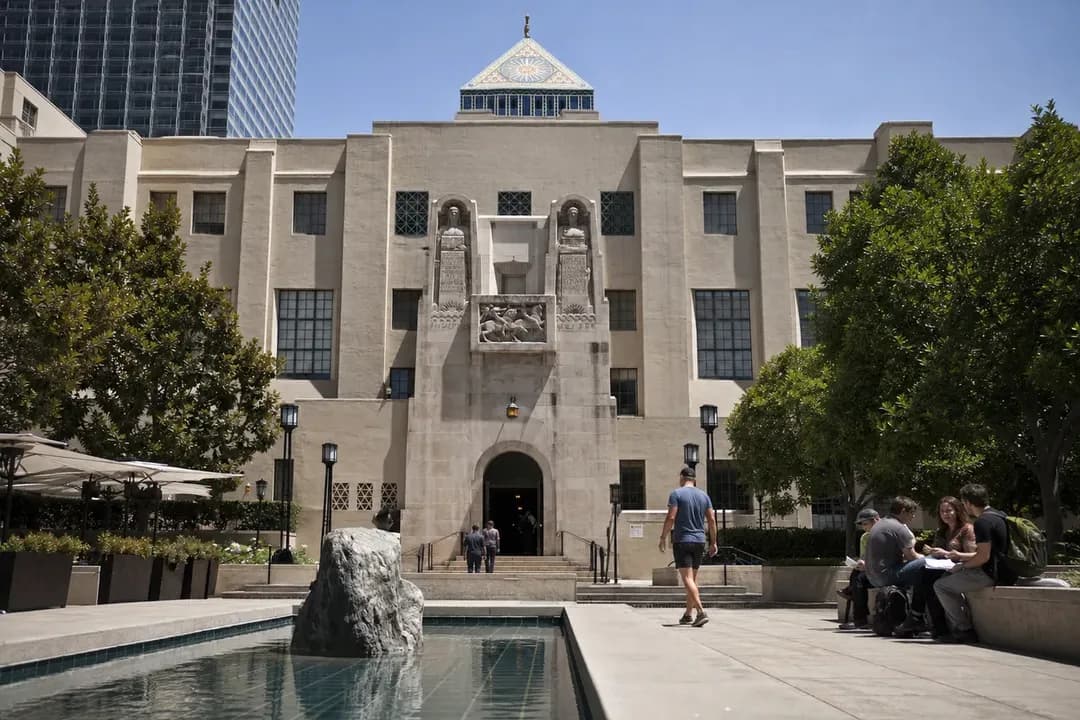
Start at Los Angeles Central Library, 630 W. 5th Street
Central Library is the strongest first stop because it is free, indoors, and built for verification. The Los Angeles Public Library lists the branch at 630 W. 5th Street, with public computers, Wi-Fi, laptops for in-building use, scanners, Special Collections, and extensive subject departments. Its posted Thursday hours are 10:00 a.m. to 8:00 p.m.; still check the branch page before leaving, because closures and service notices can change faster than a sports trend.
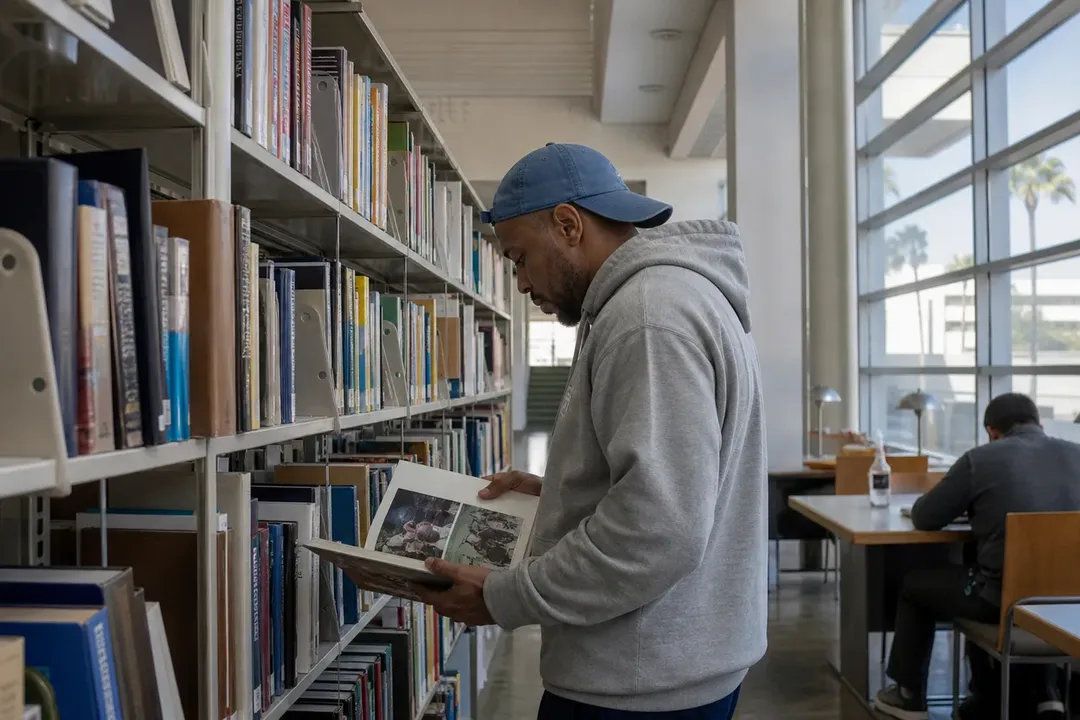
Use the visit like a family research session, not a hunt for the athlete. Pull up MLB.com or MiLB pages on a public computer, then look for matching details in newspapers, books, or database results. The tradeoff is pace: kids may want a quick answer, while good sports reading rewards patience. If computers are busy, ask a librarian where current sports periodicals, baseball books, or database access are easiest.
Compare MLB Pipeline with MiLB Prospect Rankings at a Library Computer
The most useful confirmed frame is that official MLB coverage described Lombard as a Yankees prospect whose glove drew strong reviews while his bat was still developing. MiLB’s 2026 Yankees prospect page lists George Lombard Jr. first in the organization, with SS/3B as his position, age 21, right-handed batting and throwing, and an ETA of 2027. That gives readers concrete facts without stretching into Los Angeles claims.
As of August 6, MiLB’s page also links official headlines about a call-up, debut, and follow-up defensive performance. That makes verification especially important because roster status can change hour by hour. For families, divide claims into four buckets: biography, scouting opinion, transaction, and game result. If a social post says he changed teams, appeared in LA, or has an event nearby, require confirmation from MLB, the Yankees, MiLB, or the venue itself.
Ride the B or D Line to Pershing Square for the Downtown Leg
A rail-first plan keeps the outing close to free. Metrolink’s Central Library destination guide points riders from Union Station to Metro’s B or D Line, then to Pershing Square Station, followed by a short walk on West 5th Street. That route fits a dry sunny afternoon better than circling Downtown for parking, especially when the actual activity is reading, comparing sources, and talking through baseball context.
Accessibility planning matters because the trip mixes platforms, sidewalks, shelves, and screen time. Check Metro service alerts and elevator status before committing, then choose the shortest walk that works for the slowest person in your group. If Pershing Square feels too hectic, use 7th Street/Metro Center as a familiar transfer point and walk from there. If transit disruptions appear, make Central Library the whole outing and save Echo Park for another day.
Use Maguire Gardens for a Short Baseball Conversation Break
Maguire Gardens, the public park adjoining Central Library, is the easiest reset after reading. LAPL describes it as a 1.5-acre public park, which makes it useful for relatives who are curious but not deep into player development. Keep the conversation grounded: Los Angeles fans understand prospect pressure, patience, and scouting language even when the player being discussed is attached to the Yankees rather than the Dodgers or Angels.
The failure mode is overpacking the afternoon. A short library visit, one outdoor pause, and one nearby baseball landmark can be stronger than four loosely related stops. Bring water, especially in August, and keep snacks outside library study spaces because meeting-room rules allow water but not food or other drinks. If heat, construction, or fatigue slows the group, treat the gardens as the finish line and continue the baseball discussion from home.
Treat Dodger Stadium as Public Baseball Context, Not Access
Dodger Stadium matters here because it anchors how Los Angeles thinks about baseball history, not because there is a verified personal tie to Lombard in this route. The Dodgers’ official tour site describes paid tours, behind-the-scenes areas, the Club Level Museum, Trophy Gallery, press box, and field-related access depending on tour type. Those details are useful context, but they are not the free core of this itinerary.
For a no-cost version, keep Dodger Stadium as a geography lesson from legal public areas only. Do not enter restricted lots, gates, ramps, service roads, or event operations. If a game, concert, tour setup, or security change is active, access and traffic can shift quickly. The better family decision may be to view the stadium landscape from a public route, talk about why LA ballparks shape national stories, then leave before congestion builds.
Make Echo Park Lake the Backup Walk Near the Stadium Landscape
Echo Park Lake gives the outing a gentler ending near the Dodger Stadium landscape. The City of Los Angeles Department of Recreation and Parks lists Echo Park Lake at 751 Echo Park Ave., with walking paths, picnic tables, pedal boats, and no fishing permitted. That makes it useful for a family walk after the research portion, especially if stadium-area traffic, parking limits, or heat make a closer stop feel impractical.
This stop works best when the group wants conversation more than access. Walk part of the path, compare reliable and unreliable prospect claims, and let younger readers explain what each source proved. The tradeoff is that Echo Park Lake is not a sports archive, so do not oversell it. If the afternoon is hotter than expected, shorten the loop, look for shade, and make the final roster check from a phone before heading home.
Recheck LAPL, MLB, Dodgers Tours, Metro, and LA Parks Before Leaving
The final action is verification, not one more attraction. Reopen the Central Library branch page for same-day hours, check MLB or MiLB for Lombard’s latest status, review Dodgers tour and access rules if you plan any stadium-adjacent visit, and look at transit alerts before committing to rail. For Echo Park Lake, confirm city park notices if your group needs predictable paths, restrooms, concessions, or accessible routing.
This last check protects the outing from the common bad outcomes: stale roster news, closed library services, event traffic, restricted stadium access, or a rail delay that turns an easy trip into a long one. It also keeps the story honest. Los Angeles is the lens here: a free public-learning walk through library research, transit choices, and baseball landmarks, built around curiosity rather than speculation about where an athlete might be.
Tags: #LosAngeles #DTLA #CentralLibrary #LAPL #DodgerStadium #EchoParkLake #Baseball #MLB #Yankees #FreeThingsToDo #FamilyOuting #PublicTransit #AskKarpo #BeforeYouGo
All trademarks are the property of their respective owners.
Ask Karpo first
Tell Karpo your date, group size, budget, and starting point. We’ll check current access, timing, transit, and the cleanest Los Angeles plan for Los Angeles Central Library sports research shelves before you head out.
Ask Karpo for more information.
Keep reading
- Nisei Week Events: Little Tokyo's Enduring Japanese American Heritage Festival
 Hollywood Forever Cemetery Events: Dia de los Muertos, Cinespia in Hollywood
 Unforgettable Free Summer Events: Grand Performances, California Plaza, Downtown LA