 Hollywood Forever Cemetery Events: Dia de los Muertos, Cinespia in Hollywood
Free Things to Do
Nisei Week Events: Little Tokyo's Enduring Japanese American Heritage Festival
Dive into Nisei Week, Little Tokyo's vibrant Japanese American festival. Witness parades, traditional odori, and powerful taiko drums, celebrating heritage amidst a bustling urban tapestry.
Nestled within the vibrant heart of Downtown Los Angeles, Little Tokyo unfurls a tapestry woven with generations of Japanese American resilience and cultural pride. This historic enclave, a designated National Historic Landmark District, pulses with a unique energy, a fascinating confluence of tradition and contemporary urban life. Every August, this pulse intensifies, culminating in the annual Nisei Week Japanese Festival – a spectacular, multi-faceted celebration that transforms the streets and plazas into a living testament to heritage, community, and the enduring spirit of the Nisei (second-generation Japanese Americans). It’s an essential pilgrimage for anyone seeking an authentic cultural immersion in the city.
Open the Karpo APP to explore real-time table availability, walking routes, and insider tips for Nisei Week.
The Legacy Unveiled: Founding Lore of Nisei Week in Little Tokyo
The story of Nisei Week is inextricably linked to the very fabric of Little Tokyo itself. Born in 1934, amidst the Great Depression, its genesis was not merely as a festival, but as a defiant act of community building and cultural assertion. The Nisei, a generation grappling with their identity as both American citizens and inheritors of Japanese traditions, sought to create a platform for their unique bicultural experience. This was a time when Japanese Americans faced significant discrimination, and Nisei Week emerged as a powerful statement of presence, pride, and economic vitality within their burgeoning community. The festival’s early years saw it primarily as a local affair, a chance for families to gather, celebrate, and pass down traditions. However, even then, its core elements – the Grand Parade, the cultural exhibitions, and the Obon dances – were firmly established. It was a space where the intricate artistry of ikebana could sit beside the thunderous rhythm of taiko, where the delicate movements of traditional odori told stories without words, and where the collective memory of a community was honored and renewed. This deep-rooted history imbues every aspect of the festival with a profound sense of purpose, making it far more than just a series of events; it's a living, breathing archive of resilience.
Navigating the Festivities: Seating Dynamics, Walk-In Timing, and Etiquette
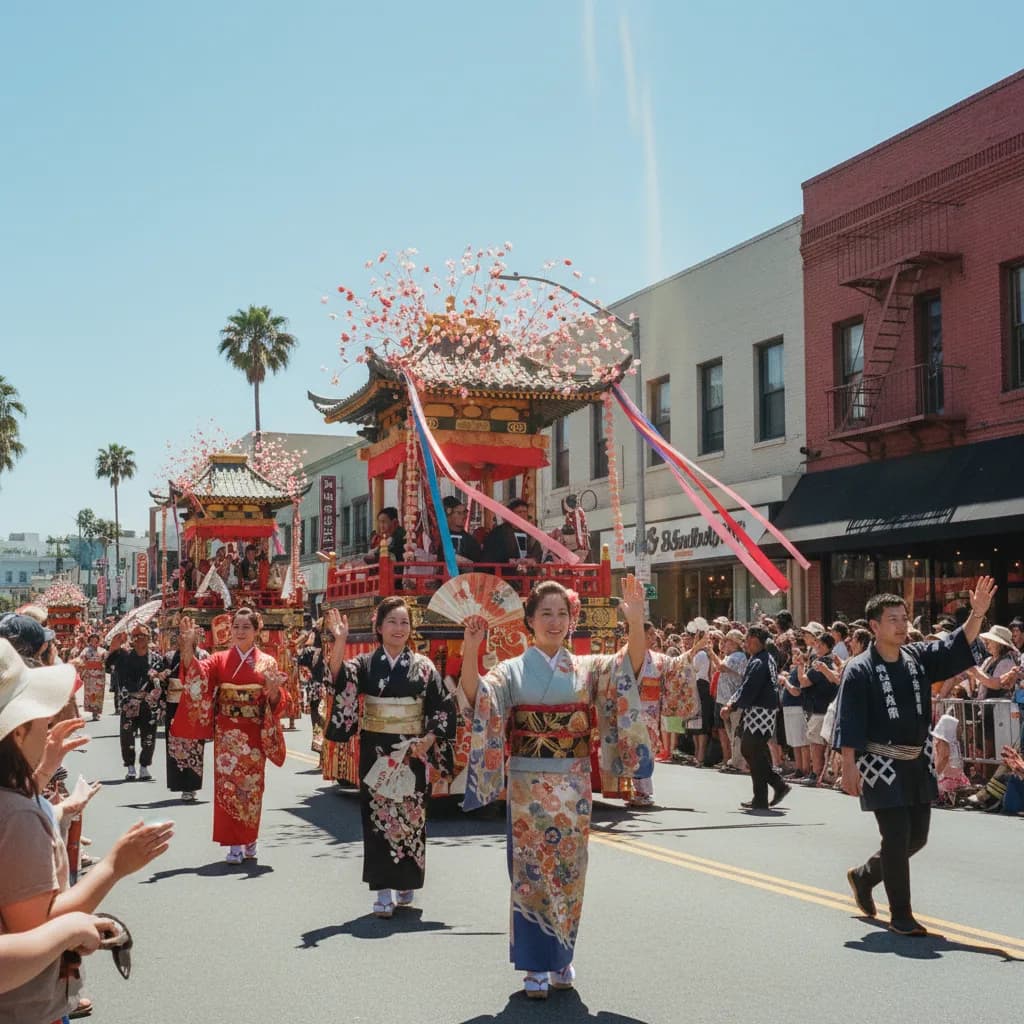
Nisei Week’s 'layout' is fluid, encompassing the entirety of Little Tokyo. For the Grand Parade, which typically unfolds along Central Avenue and First Street, securing a prime viewing spot requires strategic planning. Early arrival, often an hour or two before the scheduled start, is paramount, especially for curbside seating or spots near the main reviewing stand. Bring a foldable chair or a blanket for comfort. For the various cultural performances at venues like the Japanese American Cultural & Community Center (JACCC) Plaza or the Japanese Village Plaza, seating is generally first-come, first-served. These are often open-air, so sun protection is advisable. Most events are walk-in friendly, but specific workshops or ticketed performances (like the Coronation Ball for the Nisei Week Queen) may require pre-registration or purchase. Bar etiquette, while not applicable in a traditional sense, translates to respectful engagement with performers and vendors. Be mindful of personal space in crowded areas, and always ask before photographing individuals, particularly those in traditional attire. The flow of the festival is organic; embracing a spirit of exploration, allowing yourself to wander from a taiko drum circle to a bonsai exhibit, is the best approach to fully experience its breadth. Weekends, particularly Saturday afternoons, are the busiest, offering the most vibrant atmosphere but also the largest crowds. Weekday events tend to be more intimate.
A Symphony of Sights and Sounds: Parade, Odori, and Taiko Breakdowns
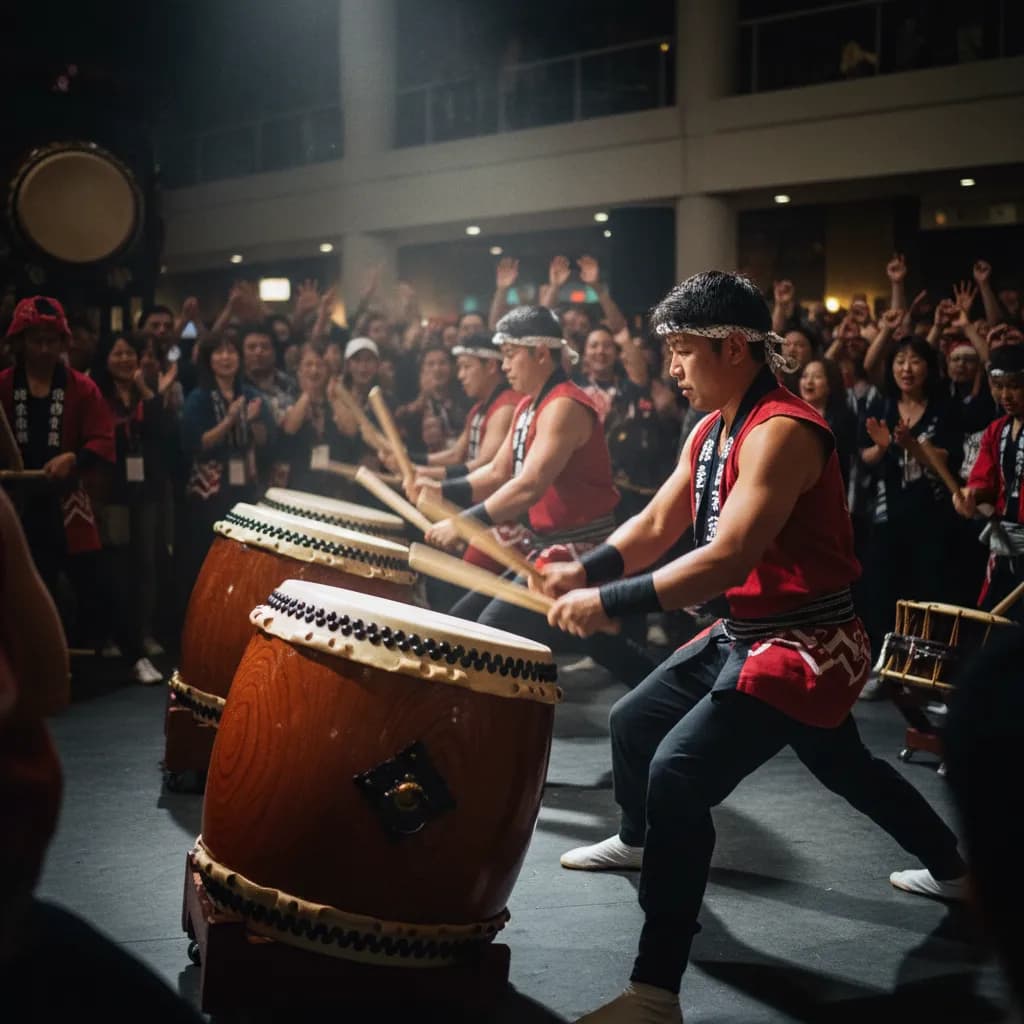
The Nisei Week Grand Parade is the festival's pulsating heart, a vibrant procession that is a feast for the senses. Imagine an intricate tapestry of color and sound: elaborate floats, often depicting scenes from Japanese folklore or contemporary community achievements, glide alongside groups performing traditional odori (Japanese folk dances). The dancers, adorned in brilliant kimonos and happi coats, move with graceful precision, their steps telling stories of harvest, nature, and ancestral reverence. The rhythm is often provided by portable taiko drums, creating a mesmerizing, percussive backbone that resonates through the streets. Beyond the parade, the festival’s stages and plazas come alive with dedicated performances. Taiko drumming, a signature element, is not just music; it's a visceral experience. The drummers, often in synchronized formations, strike large and small drums with incredible power and precision, their movements a dynamic dance of strength and focus. Each beat is a testament to discipline and tradition, shaking the ground beneath your feet. Traditional odori performances, often held in dedicated spaces, showcase the subtle artistry of Japanese dance, with intricate hand gestures, fan work, and flowing garments. These performances are not just entertainment; they are living expressions of cultural heritage, passed down through generations, each movement carrying a specific meaning and aesthetic. Seek out the various cultural demonstrations as well, from tea ceremonies to martial arts, each offering a window into the nuanced beauty of Japanese tradition.
Culinary Journeys and Evening Rituals within the Festival
While Nisei Week is primarily a cultural festival, the surrounding culinary landscape of Little Tokyo becomes an integral part of the experience. Food stalls pepper the festival grounds, offering classic Japanese festival fare like takoyaki (octopus balls), okonomiyaki (savory pancakes), and yakitori (grilled skewers). These are quick, satisfying bites perfect for fueling your exploration. For a more substantial experience, the neighborhood's renowned ramen shops, sushi restaurants, and izakayas offer a deeper dive into Japanese gastronomy. Consider a bowl of rich tonkotsu ramen from Daikokuya, its milky broth and tender chashu pork a comforting counterpoint to the bustling streets. Or perhaps delicate nigiri from Sushi Gen, a perennial favorite known for its pristine fish. As evening descends, the festival's energy shifts. The vibrant lights of the Japanese Village Plaza twinkle, and the sounds of music and laughter fill the air. An evening ritual might involve enjoying a cold sake or a Japanese craft beer at an izakaya like Izakaya Hachi, sharing small plates and reflecting on the day's cultural immersion. The atmosphere becomes more intimate, a perfect opportunity to connect with friends and fellow festival-goers, absorbing the lingering magic of Nisei Week under the Los Angeles sky. Don't miss the chance to explore the various sweets, from mochi to matcha-flavored desserts, for a delightful end to your culinary journey.
A Curated Stroll: Little Tokyo's Historic Blocks and Artistic Enclaves
Beyond the immediate festival footprint, Little Tokyo offers a wealth of discoveries. Begin your post-Nisei Week exploration with a visit to the Japanese American National Museum, a poignant and essential institution that chronicles the history and experiences of Japanese Americans in the United States. Its exhibits provide crucial context to the very existence of Nisei Week. From there, wander through the serene James Irvine Japanese Garden, a hidden oasis of meticulously manicured landscapes and tranquil ponds, offering a moment of quiet contemplation amidst the urban buzz. Continue to the Japanese Village Plaza, an iconic pedestrian mall adorned with traditional architecture and vibrant storefronts, perfect for souvenir hunting or a quick snack. Don't miss the opportunity to explore the various art galleries and boutiques that dot the neighborhood, showcasing both traditional Japanese crafts and contemporary Asian American art. For a deeper dive into the district's history, seek out the historic First Street North blocks, where many of the original Japanese American businesses were established. The architecture here tells stories of immigration, resilience, and community building. End your walk at the Go For Broke National Education Center, honoring Japanese American veterans, a powerful testament to their contributions and sacrifices. This curated itinerary enriches the Nisei Week experience, providing a holistic understanding of Little Tokyo's enduring legacy.
Practical Notes for Visiting
- Transit: Accessible via Metro Gold Line (Little Tokyo/Arts District Station) or multiple bus lines. Parking garages available but fill quickly; public transit highly recommended.
- Arrival Window: For parade, arrive 1-2 hours early for prime viewing. For general festival exploration, mornings offer fewer crowds, evenings provide a lively atmosphere.
- Vibe: Vibrant, family-friendly, culturally rich, often crowded. Expect a festive, community-driven energy.
- Reservations: Generally not required for most festival events, but check the official Nisei Week website for specific performances or workshops that may require pre-booking. Restaurant reservations advisable for popular spots during peak times.
Why Nisei Week Remains Irreplaceable in Los Angeles
Nisei Week is more than just an annual festival; it is a vital cultural touchstone for Los Angeles. It serves as a powerful reminder of the Japanese American community's resilience, its profound contributions to the city's diverse fabric, and its enduring commitment to preserving heritage. In a rapidly evolving urban landscape, Nisei Week anchors Little Tokyo, ensuring its cultural identity remains vibrant and accessible. It fosters intergenerational connection, allowing elders to share traditions and youth to embrace their roots. For the broader Los Angeles community, it offers an invaluable opportunity for cross-cultural understanding and celebration. It’s a place where history is not just remembered but actively lived, danced, and shared, cementing its irreplaceable role in the city's cultural calendar and its collective consciousness. Through its parades, performances, and palpable sense of community, Nisei Week continues to write new chapters in Little Tokyo's extraordinary story.
Ask Karpo first
Planning your visit to Nisei Week? Check the Karpo APP for real-time neighborhood crowd density, transit updates, and curated evening itineraries across Los Angeles.
Ask Karpo for more information.
Keep reading
- Hollywood Forever Cemetery Events: Dia de los Muertos, Cinespia in Hollywood
 Unforgettable Free Summer Events: Grand Performances, California Plaza, Downtown LA
 Free Local Events Happening This Week: Levitt Pavilion MacArthur Park Concerts