 Allied Woodshop Woodworking Workshop: Sunday Club $60
Weekend Plans
Planning a Dr Doom Watch Party in LA Without Everyone Showing Up Late
Traffic and group texts make Marvel viewing nights harder than the plot itself. Here's how Culver City solves both.
The Avengers: Doomsday trailer dropped and within an hour, three separate group chats were debating whether to wait for the theatrical release or organize a Dr Doom movie marathon now. The problem isn't the movies—it's getting six people from different parts of Los Angeles into one room at the same time without someone sitting in traffic for forty minutes while everyone else finishes the guacamole. The city's shape makes synchronized arrival nearly impossible unless someone actually thinks through drive time, parking scarcity, and the gap between when the first person walks in and the last one texts 'leaving now.'
Karpo watches real drive times and sends everyone the same arrival window—no more guessing when to leave Silverlake or whether the 10 is moving. Text it your start point and it builds the group timeline.
Why streaming nights fall apart before anyone presses play
Culver City works for this because it sits in the middle distance from most of LA's residential spread. Someone driving from Los Feliz takes about the same time as someone coming from Manhattan Beach if you avoid the 5 p.m. to 7 p.m. window. The neighborhood has residential blocks with actual street parking—rare for a Saturday night—and you're close to the Expo Line's Culver City station if anyone's coming from downtown or Santa Monica without a car. The calculus isn't about finding the coolest venue; it's about minimizing the chance that half your group is still on the 10 while the other half is deciding whether to start without them.
Dr Doom as a character has always been about control and planning, which is unintentionally appropriate for this scenario. Watching people try to coordinate a Marvel viewing party is like watching a villain's plan unravel in real time: someone forgets to share the address, someone else assumes there's parking, a third person doesn't check the route until they're already late. The solution is less about the content on the screen and more about controlling the variables that happen before anyone sits down.
Hosting at home versus meeting at a theater
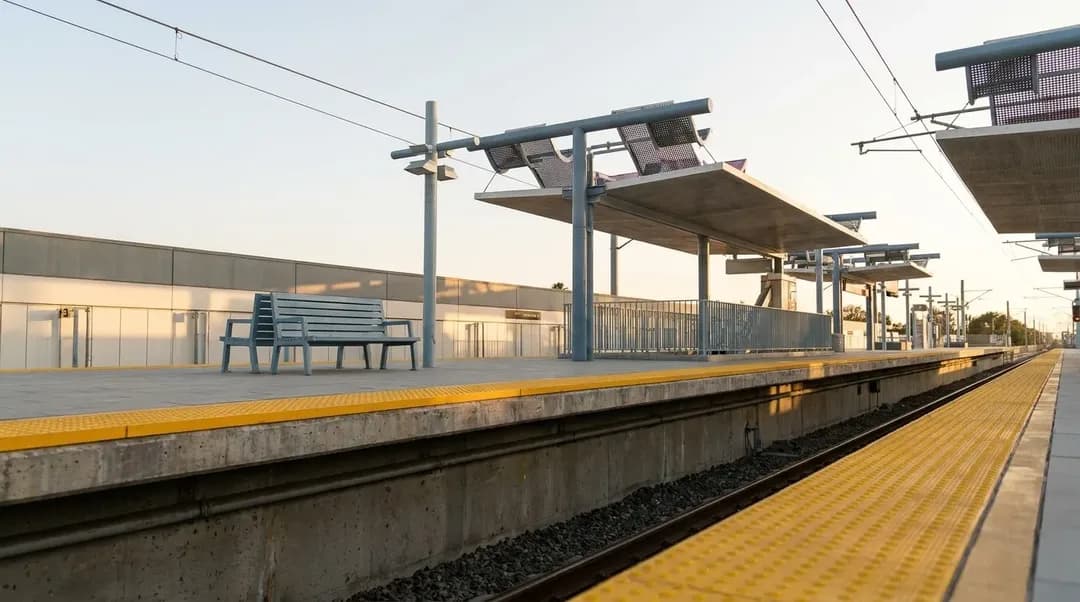
If you're organizing around the actual Avengers: Doomsday release, the Culver City ArcLight is gone—it closed in 2021 and the building is still empty—but the Culver Theater on Washington Boulevard is a small single-screen venue that occasionally does private rentals and special screenings. You'd need to confirm availability and cost weeks ahead, and the room fits maybe fifty people, so this only works if you're planning something larger than a living room setup. For most groups, this is overkill. The more practical version is someone's apartment or house with a decent screen and the ability to queue up the existing Dr Doom appearances: the Fantastic Four films, clips from the animated series, maybe even the infamous 1994 unreleased Roger Corman version if you're committed to the bit.
The home-hosting route gives you control over start time, food, and the ability to pause when someone needs to explain multiverse continuity. The trade-off is that you inherit all the logistics: parking instructions, bathroom access, whether your building's front door lock works, and the fact that your kitchen becomes a staging area for six people's drink preferences. If you're in Culver City proper—say, near the Hayden Tract or along Venice Boulevard—street parking is easier than in West Hollywood or Silver Lake, but it's not infinite. Weekends are better than weeknights because fewer people are circling for commuter overflow spots.
The theater option, if you're booking a private screening for a new release, solves parking because venues like the Cinemark in Playa Vista have dedicated lots, but you lose flexibility on timing and you're locked into whatever the box office schedule allows. For a Dr Doom marathon, you're almost certainly doing this at home unless you're the kind of person who rents out a space for themed events, in which case you're already past the scope of this article.
What the evening actually costs in time and money
Parking in Culver City residential areas is free on most streets, but you'll want to tell people to arrive during daylight if they're not familiar with the blocks—street signs aren't always lit and the numbered avenues near the Culver Hotel can be confusing after dark. If someone's coming from the Valley, they're looking at thirty to forty-five minutes if they leave after 7 p.m. on a Friday; earlier than that and you're adding another twenty minutes. The Expo Line from downtown takes about thirty-five minutes to the Culver City stop, and the walk from the station to the residential blocks south of Washington is another ten to fifteen minutes depending on exact address. That means a 7:30 p.m. start time requires a 6:30 p.m. departure from most of the Eastside, and earlier if someone's transferring from the Red Line.
Food is where costs multiply silently. If you're ordering delivery, a pizza run from Wildflour in Culver City or Joes's on Abbot Kinney will add $40 to $70 depending on the size of the group, plus delivery fees that spike on weekend evenings. The smarter move is asking everyone to bring one item—it distributes cost and avoids the single-host subsidy problem. A bag of ice from the Trader Joe's on Sepulveda costs two dollars; a six-pack from the Culver City Whole Foods on Washington is $12 to $18 depending on what you're buying. If you're streaming, the only subscription cost is whatever service holds the movie—Disney Plus carries the MCU catalog, so $14 a month if you don't already have it.
The hidden cost is time lost to mistimed arrivals. If your start window is 7:30 but people trickle in until 8:15, you've burned forty-five minutes of evening that could have been two episodes or half a movie. This isn't about being rigid; it's about recognizing that LA geography makes 'casual drop-in' impossible unless you're willing to let the event stretch across three hours. Telling people an arrival window—say, 7:15 to 7:35—gives you a realistic target and acknowledges that drive time from Koreatown is not the same as drive time from Redondo Beach.
What to confirm a day ahead
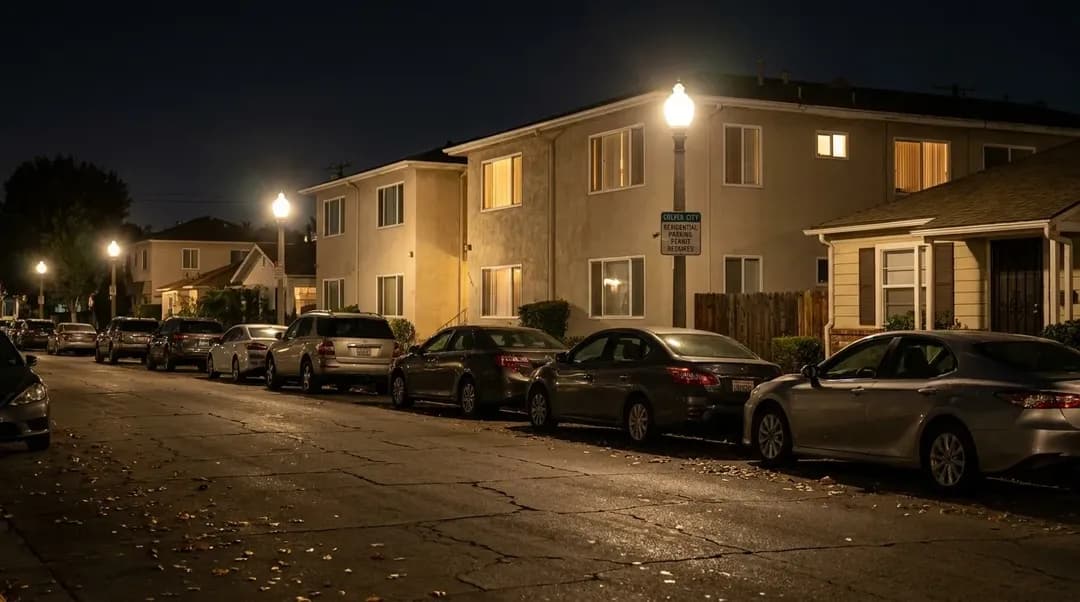
Check parking regulations the morning of, especially if it's street cleaning day. Culver City posts schedules on most blocks, but they're easy to miss if you're not local, and a ticket is $73. If anyone's taking the Expo Line, confirm that night's service status—the Metro website updates delays and weekend track work, and the Expo Line occasionally runs on a modified schedule for maintenance. A fifteen-minute delay turns into a half-hour problem when someone's transferring at Expo/Crenshaw and the next train is running late.
Send the address and a backup contact number in a fresh message the day before, not buried in a week-old thread. Include a note on whether your building has a buzzer or a gate code, and whether street numbers are visible from the curb—a lot of Culver City's older apartment buildings have numbers that are painted over or blocked by trees. If you're hosting, do a quick living-room reset the night before so you're not vacuuming while people are arriving. If you're planning to project onto a wall instead of using a TV, test the setup in actual evening light, not midday sun—ambient street light through windows can wash out a projector image more than you expect.
Ask someone to bring a backup HDMI cable and a phone charger. This sounds trivial, but a missing cable has derailed more viewing parties than anyone admits. If your group includes people who haven't been to your place before, send a photo of the building exterior or a landmark on the same block—'the house with the blue mailbox across from the gas station' is more useful than a street number when someone's circling in the dark. Finally, confirm your start time one more time in the group chat three hours before. People will still be late, but you'll have done everything possible to tighten the window.
Practical notes
- Aim for a 7:30 or 8 p.m. start; earlier and you'll catch commuter traffic, later and people from the Westside will skip it.
- Street parking in Culver City residential blocks is free but fills by 7 p.m. on weekends—tell people to add ten minutes for circling.
- Expo Line from downtown takes thirty-five minutes to Culver City station; check Metro's weekend service status the day before.
- Send the address and any gate codes in a fresh text the morning of, not buried in an old thread.
- A projector setup needs testing in evening light—street lamps and window glare wash out the image more than you expect.
- Confirm your streaming service actually has the movie before everyone arrives; catalog rights shift and Dr Doom titles move between platforms.
Tags: #karpo #losangeles #culvercity #drdoom #avengersdoomsday #marvelmarathon #weekendplansla #lamovienight #laparking #expoline #latraffic #groupplans #streamingnight #lalogistics #marvel
Sources consulted: Metro Expo Line schedule · Culver City parking regulations
All trademarks are the property of their respective owners.
Ask Karpo first
Text Karpo your start point and your host's Culver City address—it'll watch live traffic and tell you exactly when to leave so you're not the person sitting on the 10 for forty minutes. It can also check whether the Expo Line is running on time that night and suggest a parking block if street cleaning is active on the host's street.
Ask Karpo for more information.
Keep reading
- Allied Woodshop Woodworking Workshop: Sunday Club $60
 Collab Woodworking Workshop: $35 Public Classes in LA
 LA Woodshop Woodworking Workshop: Spoon Carving Weekends