 Salad Near Me in the West Village: Westville's Market-Table Vegetables
Back To School
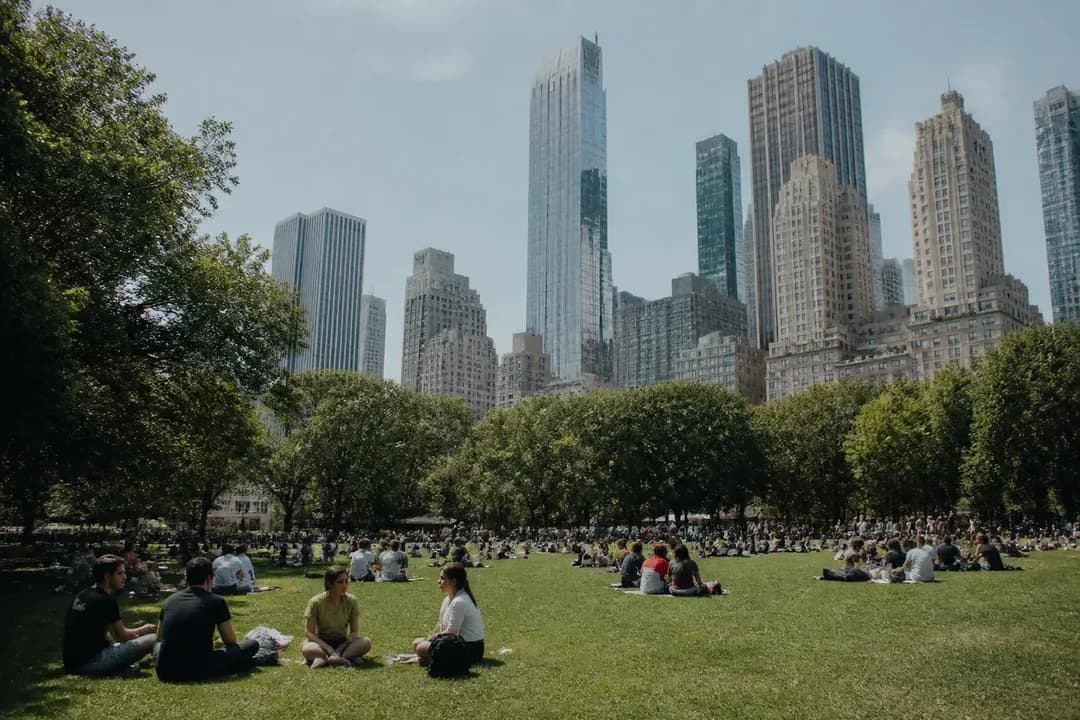
lonnie walker: A NYC Learning and Research Route
Use a sports search spike as a disciplined NYC research route for back-to-school planning, not a reason to assume an appearance.
A name can start the errand, but it should not run the day. If lonnie walker is what pulled a student, parent, or teacher into a search box this week, treat that attention as a prompt for better back-to-school habits: verify the source, separate what is visible from what is assumed, choose a public information starting point, and check access before anyone is already on the sidewalk. This NYC route does not claim a local appearance, school connection, event, ticket, team activity, transit timing, or public availability. It uses the curiosity around a public figure as a practical lesson in how New Yorkers can research without letting a headline, repost, or rumor decide the afternoon.
Want a tighter pre-trip check? Text Karpo to review the NYC library stop, official transit lookup, public-records backup, and access questions before your student leaves.
Turn curiosity into a research question
Start by writing the question in a way that can be answered without guesswork. Instead of “Is lonnie walker in NYC?” use “What reliable public sources confirm what is happening, where, and when?” That small rewrite matters. It keeps a student from treating a search phrase as evidence and turns the assignment into a source-checking exercise.
For a back-to-school afternoon, make the first goal modest: collect what is actually supported by the available source material, list what is unclear, and decide what still needs verification. If the topic is an athlete, entertainer, company, school policy, or city program, do not fill gaps with social posts or assumptions. The practical NYC move is to keep the route flexible until a usable source answers the key questions.
That also protects the schedule. A student can still use the timely hook for a media literacy notebook, English class discussion, sports-business research prompt, or family conversation, without building the day around an appearance or event that has not been confirmed by the extracts provided.
Start with a reliable public resource
Use the New York Public Library website listed in the extracts, https://www.nypl.org/, as the first public-resource stop. The extract supports the existence of that NYPL web address, but it does not provide branch hours, room rules, program schedules, catalog results, prices, or service availability. Treat all of those details as items that still need direct checking before a trip.
The clean route is: open the NYPL site, search for the topic, then search for the place or library stop being considered. If you are helping a student, ask them to record the difference between a homepage, a search result, a news article, and an opinion page. That distinction is more useful than simply collecting links, because it shows how close each source is to the claim being tested.
Do not assume every location, service, or research need will work the same way. A quick homework session, a quiet reading block, a database search, and a group project may require different conditions. The point is to match the stop to the task after checking the relevant page, not before.
Compare primary reporting before opinions
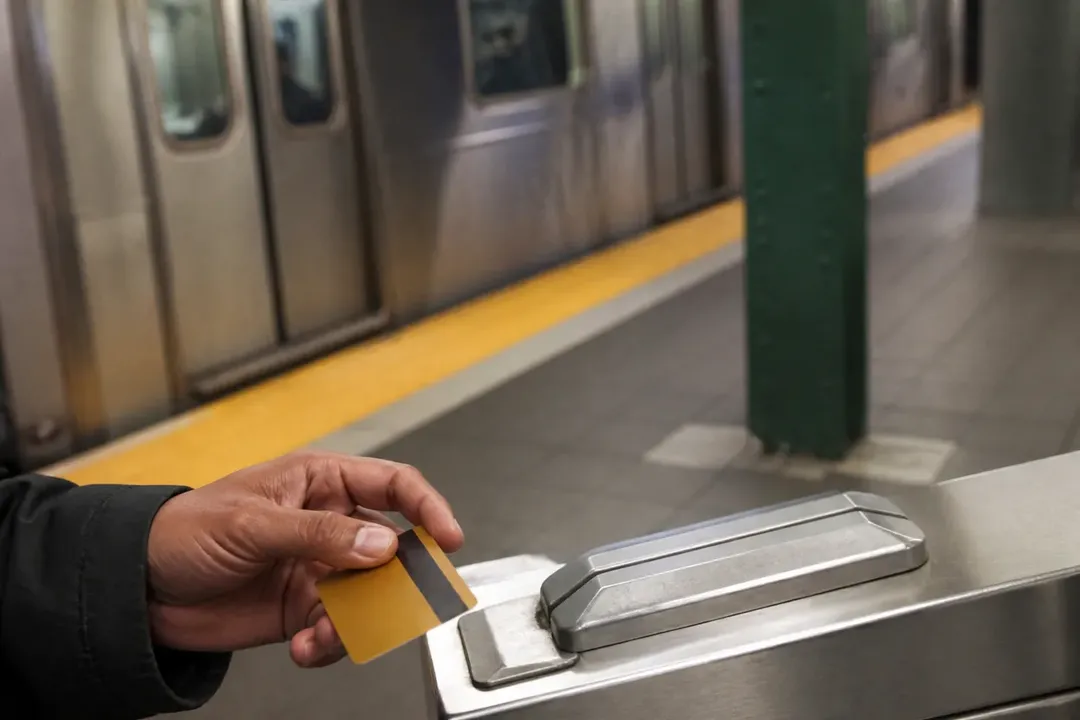
Once the student has one public-resource starting point, compare it with sources that are close to the claim. For a public figure such as lonnie walker, separate direct statements, official pages, and reporting from commentary, fan edits, and engagement posts. The assignment is not to distrust everything. It is to rank sources by whether they actually support the claim being made.
Use a three-column note: confirmed, unclear, and not supported. “Confirmed” needs a source that actually says the thing. “Unclear” can include a headline without usable details, a repost without a link, or a page that cannot be accessed. “Not supported” belongs to assumptions, location leaps, schedule guesses, and claims that sound convenient but are absent from the provided extracts.
This is where the NYC part becomes useful. The city may have many venues, agencies, libraries, schools, and archives, but the presence of a name in a search trend does not create a local connection. Let the research question control the route, and let the extracts limit what can be stated as fact.
Choose a study stop that fits the task
For a student-friendly route, choose the study stop after the source plan is clear. If the work is reading and note-taking, a library lookup may be a reasonable starting point because the NYPL site is one of the provided official extracts. If the work is a short verification errand, keep the plan flexible so the student can stop, switch tasks, or return home without relying on unsupported timing or access claims.
The official NYC records page in the provided extract returned an access-denied message: “You don't have permission to access” the listed page. That is itself a useful lesson. A public-agency URL may still fail from a given device, network, or moment. Do not promise that a document, archive, record, or city page will be reachable on the first try.
A practical sequence is NYPL lookup first, transit-source attempt second, city-records attempt third only if needed. That order keeps the student focused on a stable research workflow before chasing a harder source. It also gives a parent or teacher a clear decision point: continue researching, switch to reading, or postpone the records step until access can be verified.
Add one low-cost reset nearby
Back-to-school research works better when the route includes a short reset that does not depend on a ticket, reservation, or uncertain event. Pick one nearby public-space break only after the library or study location is chosen. Keep it simple: a walk, a pause outside, a snack stop, or time to reread notes before heading home.
The reset should not become the plan. Its job is to give the student a way to step away from screens, review what is confirmed, and decide which claim still needs checking. In NYC, that kind of pause can help keep the afternoon from turning into an overstuffed errand chain built on incomplete information.
Keep the same verification standard here. Do not promise free entry, open seating, food availability, restroom access, hours, or safety conditions unless a current source confirms those details. The extracts provided do not confirm those practical details, so they should remain questions, not claims.
Verify hours and access before leaving
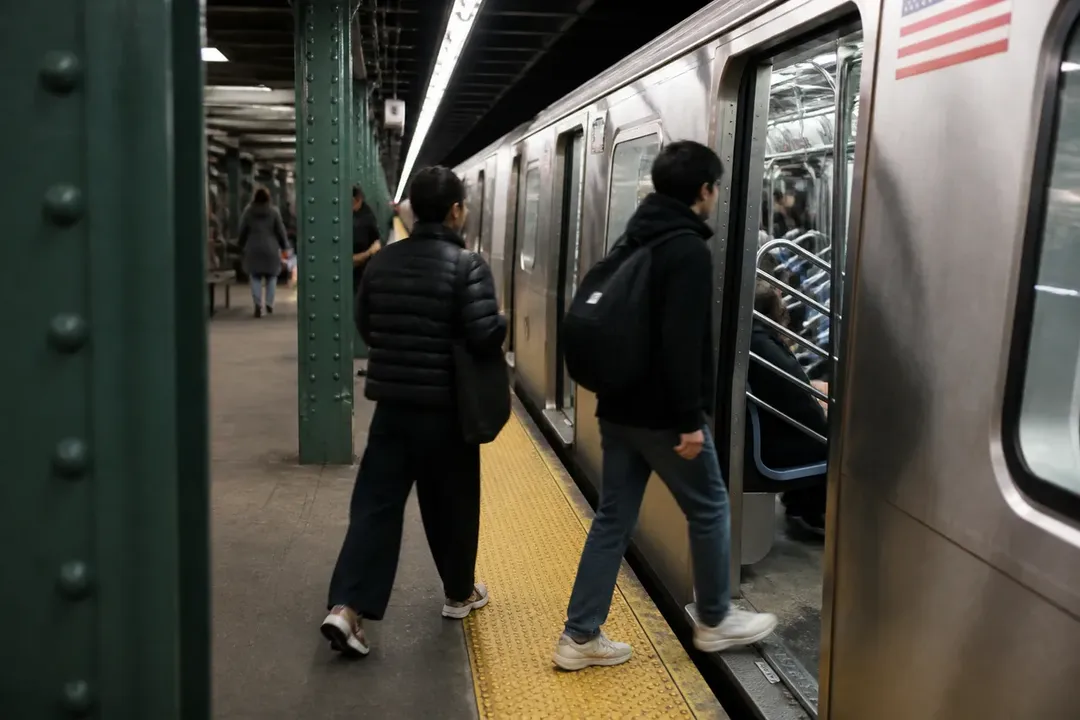
The final step is the one people skip when they are in a hurry: verify the moving parts immediately before departure. Check the NYPL page you plan to use. Attempt the official MTA site listed in the extracts, https://new.mta.info/, but note that the extract returned an access-denied message. Do not treat a blocked page as confirmation of route status, travel time, fares, schedules, delays, or service availability.
Build two backup decisions into the plan. First, decide what the student will do if the study location is not suitable when they arrive. Second, decide what happens if transit information cannot be confirmed from the official source. Those choices can be as simple as using a closer already-verified study option, delaying the trip, or switching the assignment to source comparison from home.
For ticketed venues, events, school programs, transit plans, city records, or public appearances, the rule is stricter: no usable official confirmation, no hard claim. A trending search phrase can be useful for learning, but it should not be treated as a schedule, invitation, endorsement, reservation rule, broadcast note, affiliation, or guarantee.
Tags: #lonniewalker #NYC #BackToSchool #AskKarpo #BeforeYouGo #NYPL #StudentResearch #MediaLiteracy #TransitCheck #PublicLibrary #SourceChecking #NYCParents #StudyPlan #VerifyFirst
Sources consulted: nypl.org · nyc.gov · new.mta.info
All trademarks are the property of their respective owners.
Ask Karpo first
Ask Karpo first before turning a search spike into a city trip. Karpo can help check the NYPL page, flag transit and city-records details that still need confirmation, separate supported claims from assumptions, and shape a backup plan for the exact NYC route.
Ask Karpo for more information.
Keep reading
- Salad Near Me in the West Village: Westville's Market-Table Vegetables
 Lunch Near Me in the Flatiron: S&P Runs a Classic Luncheonette Counter
 Coffee Near Me in the East Village: Abraço Is Standing-Room Only