 Knightsbridge Festive Shop Window Walk Planner: Dusk Loop
Neighborhood Guides
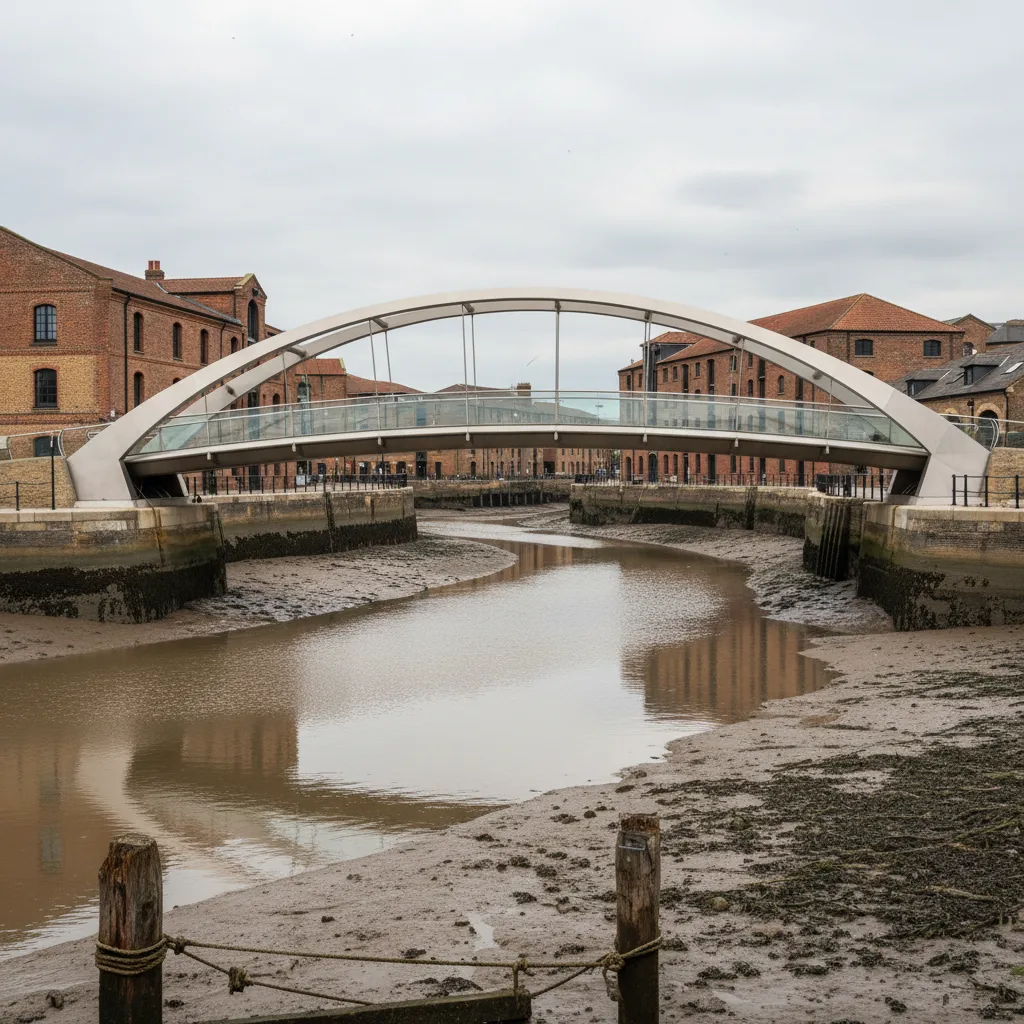
Scenic Canal Bridge Route Around Greenwich And Deptford
A scenic canal bridge route in London around Greenwich, from the Cutty Sark along the Thames to Deptford Creek and the Ha'penny Hatch footbridge and back.
Greenwich is a riverside town rather than a canal town, and the waterways that shape it are the Thames and the tidal Deptford Creek, where the River Ravensbourne meets the river. This scenic canal bridge route makes a loop between the two. It starts by the Cutty Sark, follows the Thames Path west toward Deptford, crosses the creek on the Ha'penny Hatch footbridge and comes back through Greenwich Park for a view over the whole river.
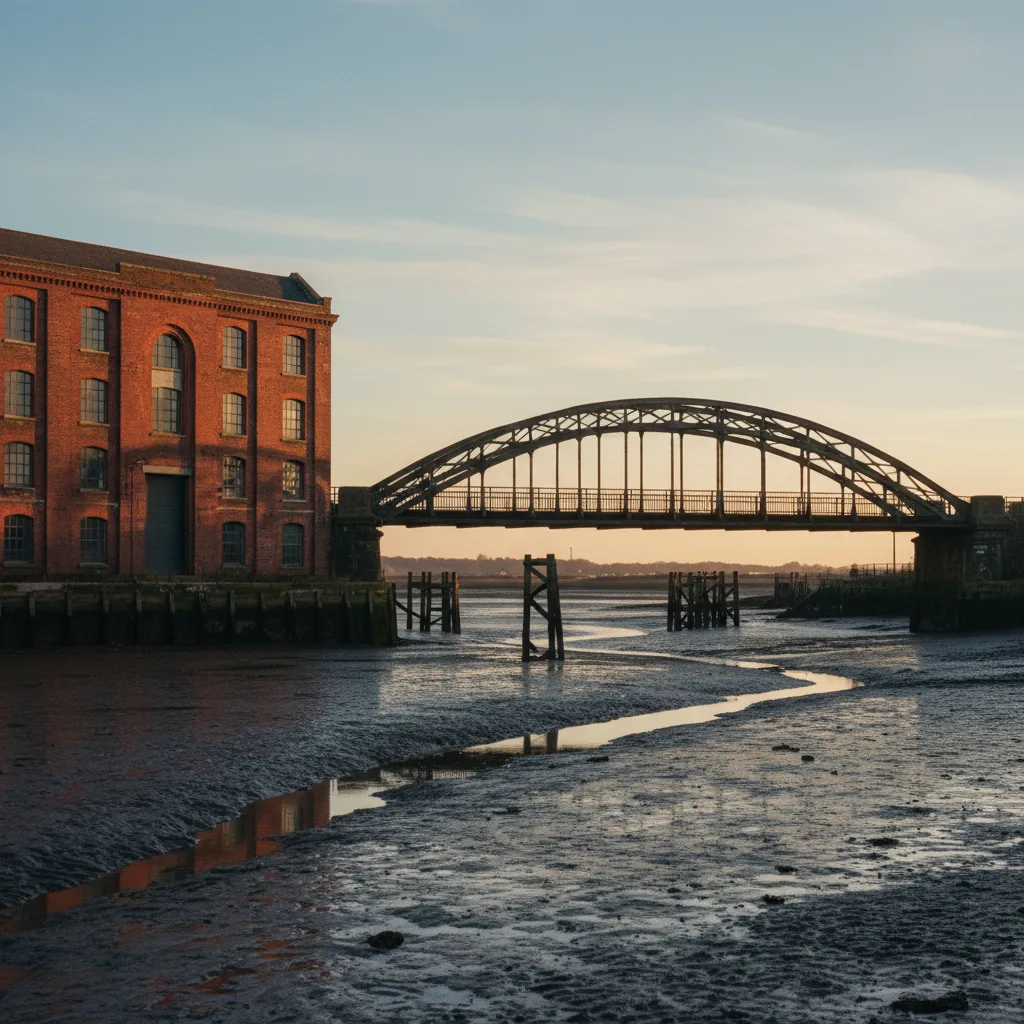
The loop is short enough for a half day with stops, and you can stretch it into a full day by adding the museums along the way. Tides make a real difference here. At high water the creek is wide and full, and at low water it turns into a channel of mud, old timbers and wading birds, so it is worth glancing at a tide table before you set out.
Start at the Cutty Sark
The Cutty Sark is the obvious starting point. Built in 1869 as a fast clipper for the tea trade, she now sits in a glass-sided dry dock beside the river, and walking around her hull from the outside gives a strong sense of how sleek these ships were.
Close by, the round brick entrance of the Greenwich Foot Tunnel leads under the Thames to the Isle of Dogs. The tunnel opened in 1902 so that workers from south of the river could reach the docks on the north side. It is not a bridge, but a quick look down the shaft is a good reminder of how much effort London put into crossing its river.
From the Cutty Sark, the view across the water takes in the towers of Canary Wharf, while behind you the domes of the Old Royal Naval College frame the riverfront. Spend a few minutes here before heading west.
West Along the Thames Path
Follow the Thames Path west from the Cutty Sark. The route leaves the tourist centre quickly and passes newer riverside housing, small gardens and occasional stretches of old wharf. In places the path moves slightly inland around buildings, but signs keep you on track.
This stretch is a good place to watch river traffic. Clipper boats, working barges and the occasional sailing ship move up and down the Thames, and the wide view gives you time to watch them approach and pass.
As you get closer to Deptford, the path reaches the mouth of Deptford Creek. Here the river path has to cross the creek, and this is where the most interesting bridge on the route comes in.
The Ha'penny Hatch Footbridge
The Ha'penny Hatch is a pedestrian and cycle bridge across Deptford Creek, beside the railway and the Docklands Light Railway crossings. It is a lifting bridge, designed so that it can be raised to let taller boats move along the creek, and its name recalls an older crossing that once charged walkers a small toll.
Stand on the bridge and look inland. At high tide the creek is broad and still, reflecting the buildings on either bank. At low tide it shrinks into a narrow channel with mudbanks, abandoned timbers and the remains of old barges, and herons and other birds work the edges for food.
Looking toward the Thames, you can see where the creek empties into the river, and the busy traffic on the Thames contrasts with the quiet water of the creek. It is one of the best places in this part of London to see how the smaller rivers feed into the larger one.
Bridges have crossed the mouth of the creek in one form or another for a long time, because anyone walking between Greenwich and Deptford had to get over the water somehow. The modern footbridge continues that job for walkers and cyclists, while the trains rumble across on their own spans just beside it. Lingering here for a few minutes, watching both kinds of traffic, is the quiet heart of the route.
Creekside and the Laban Building
On the Deptford side, walk a little way inland along Creekside. The area has become a hub for artists and creative workshops, and the Laban Building, the dance conservatoire designed by Herzog and de Meuron, stands beside the water with its translucent coloured walls.
Nearby, the Creekside Discovery Centre runs guided low-tide walks in the creek bed itself, when conditions allow. Wading through the mud with a guide is an unusual way to see the creek, and it shows how much wildlife survives in this tidal channel so close to central London.
From Creekside, you can return toward Greenwich by retracing your steps over the Ha'penny Hatch, or walk inland through Deptford's streets, where the market and older terraces give a different view of south-east London.
Back Through Greenwich Park
Once you are back in Greenwich, walk through the grounds of the Old Royal Naval College, designed by Christopher Wren. The symmetrical buildings and colonnades lead you toward the Queen's House and the edge of Greenwich Park.
Climb the hill in the park to the Royal Observatory and the statue of General Wolfe. The view from the top takes in the whole route: the Cutty Sark, the river, the towers of Canary Wharf and, to the west, the line of the river toward Deptford Creek and central London.
The park is especially good in late afternoon, when the low sun lights the river and the buildings below. Take your time on the slope, since the paths are steep in places.
Practical Notes
Cutty Sark station on the Docklands Light Railway puts you right at the start, and Greenwich station, served by both the DLR and mainline trains, is a short walk away. River boats also stop at Greenwich Pier, which makes a scenic way to arrive or leave.
The Thames Path is mostly paved, with some narrow sections and occasional steps. The climb to the Royal Observatory is steep, so allow extra time if you are walking with children or need to take it slowly.
Wind off the river can be strong, even on mild days, so bring a layer. Greenwich town centre has plenty of places to eat, including the covered Greenwich Market, which makes a good break before or after the loop.
Save the loop in the Karpo APP and use it to plan a full day in Greenwich, adding a museum visit or a meal by the river. It is a walk that shows how ships, bridges and tides have shaped this corner of London.
Ask Karpo for more information.
Keep reading
- Knightsbridge Festive Shop Window Walk Planner: Dusk Loop
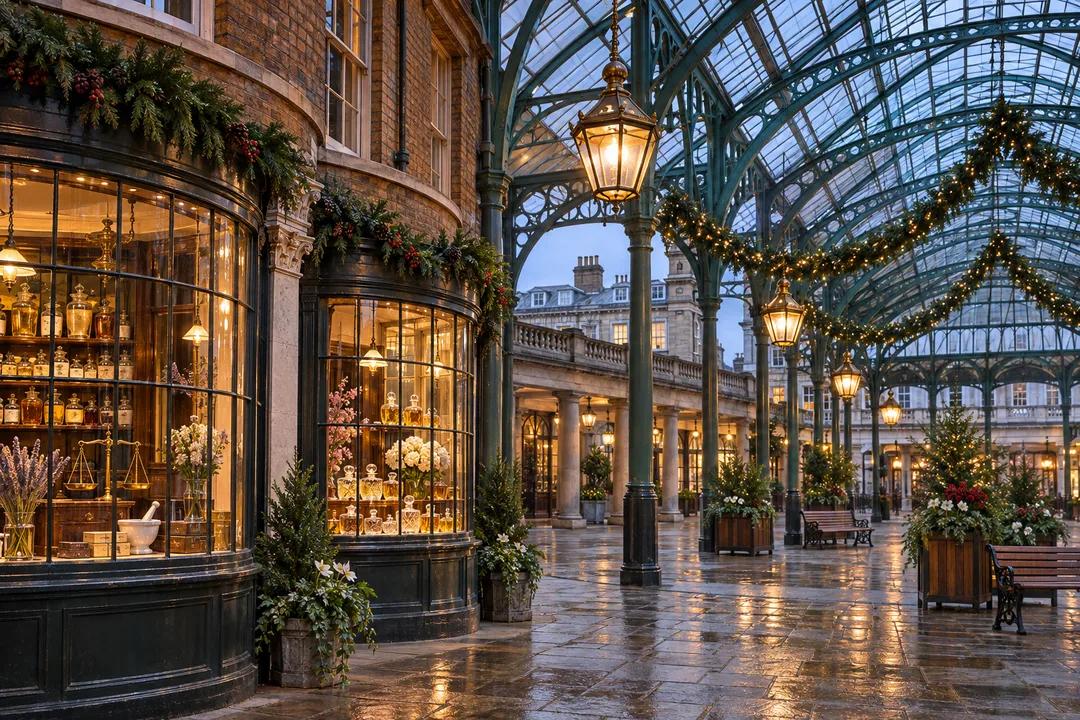 Covent Garden Festive Shop Window Walk Planner: Night Loop
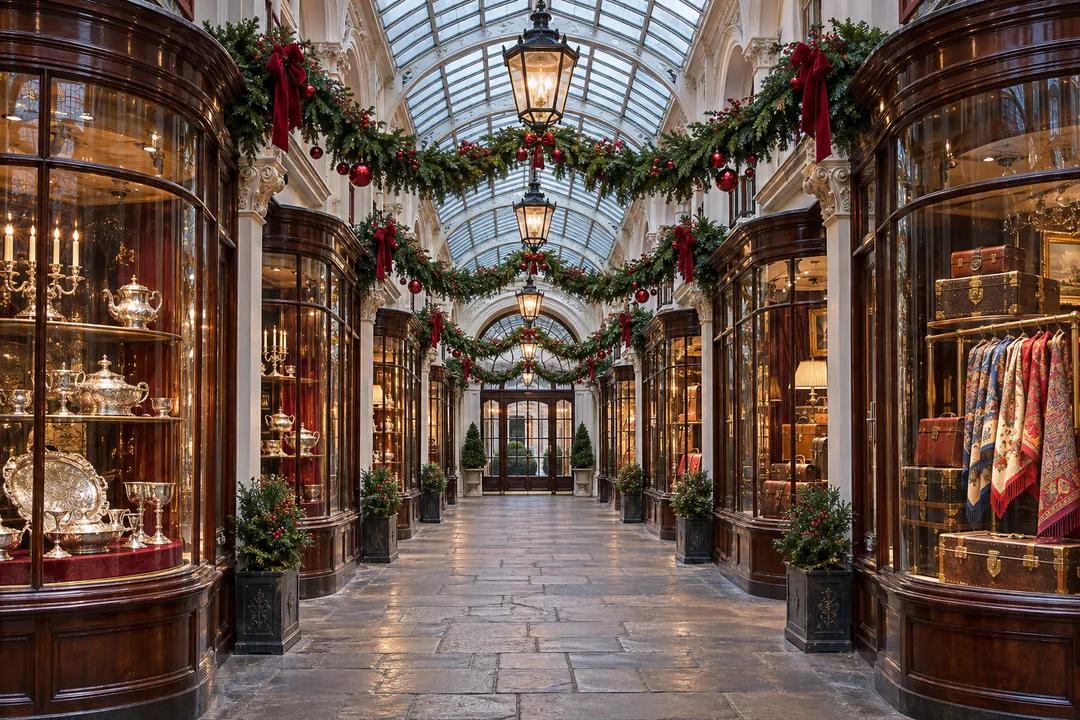 Mayfair Festive Shop Window Walk Planner: Arcade Dusk Loop