 Knightsbridge Festive Shop Window Walk Planner: Dusk Loop
Neighborhood Guides
Spitalfields Neighborhood Walking Guide Before the Market
Walk Spitalfields early, before the market fills: weavers' houses, a church, a mosque that was once a chapel, and Brick Lane bagels, all in one easy loop.
This Spitalfields neighborhood walking guide starts at the hour when the district still belongs to its residents. Before the market traders finish unrolling their awnings, the streets east of Bishopsgate are quiet enough to hear your footsteps on the flagstones, and the houses themselves do the talking. In about ninety unhurried minutes you can trace how French Protestant silk weavers, Jewish tailors and Bengali families each left their mark on the same few blocks, then reward yourself with a hot bagel.
Start Where the Spire Watches the Street
Begin outside Christ Church, the great white Hawksmoor church whose spire you will keep spotting for the rest of the walk. Stand on the steps and look across Commercial Street: the old market roof sits opposite, and the church faces it like a stern landlord. This is the pivot of the district. Everything worth seeing on this route lies within a few minutes of these steps, so it is the easiest place to regroup if your party splits up.
Take a moment with the church before moving on. Its scale feels oversized for the narrow lanes around it, and that is the point: it was built to make a statement in a neighbourhood full of newcomers. Walk slowly around the churchyard edge, where plane trees shade a small garden often used by office workers with coffee later in the morning. Early on, you may share it only with a street sweeper and the pigeons.
Read the Weavers' Houses on Fournier Street
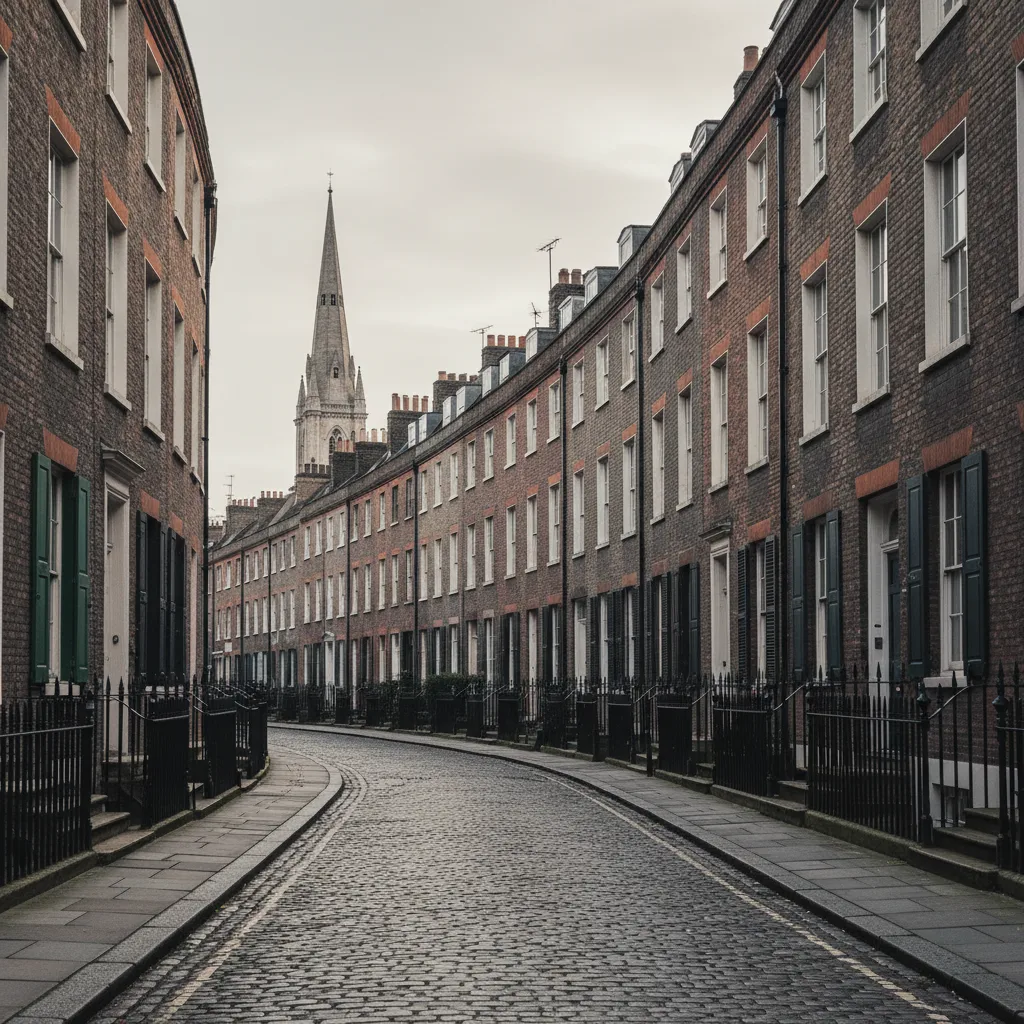
Turn down Fournier Street, which runs along the church's north side, and look up rather than ahead. The tall brick houses have long rows of windows in their attics, and those windows are the clue. Silk weavers needed as much daylight as they could get for their looms, so the top floors were glazed generously. Many houses keep their original doorcases, carved brackets and shutters, and several are still lived in by people who restore them with remarkable patience.
Notice the small details that most visitors walk past. Some doors still have boot scrapers beside the step, a few windows show old hand-blown glass that ripples when you shift your head, and the occasional brass bell pull hints at the house's first owners. Please keep your voice low and do not sit on the steps, because these are homes. A brief pause, a careful photograph from the pavement and a nod to anyone tending a window box is the right etiquette.
At the far end of the street, the corner building with its sundial was once a Huguenot chapel, later a synagogue, and today the Brick Lane mosque. Few buildings anywhere tell the story of a neighbourhood so neatly. Stand back across the road to take in the sundial and its motto, and if you visit near Friday prayers, keep the pavement clear for worshippers arriving from the surrounding streets.
Slip Through Princelet and Wilkes Streets
From the mosque corner, double back along Wilkes Street and into Princelet Street, two of the most atmospheric lanes in East London. The houses here are a little more weathered, which many photographers prefer. Film crews love these lanes for period dramas, and on some mornings you will find lighting rigs and a parked costume van. If you meet a shoot, step aside quietly and take the parallel lane instead. The loop works in either direction.
Princelet Street also hides one of London's most moving buildings: a weaver's house with a small synagogue built into its back garden. It welcomes visitors only on rare occasions, so treat it as a story to know rather than a stop to plan around. Even from outside, the worn façade hints at layers of use. This is the best spot on the walk to explain to companions how one row of houses can hold three different communities.
Cross into Brick Lane for the Bengali Chapter
Walk east until Princelet Street meets Brick Lane, and the mood changes at once. The street signs here are written in both English and Bengali script, a small civic gesture with a big meaning. The lamp posts carry painted decorations, and the shopfronts mix sari fabrics, sweet shops, grocers piled with gourds, and the curry houses that made the street famous. Walk north on the west pavement to see the shops. Cross later for the murals.
Use your eyes more than your wallet here in the morning. Sweet shops arrange trays of brightly coloured sweets in the window, and grocers stack bundles of leaves and vegetables you might not recognise. If something catches your eye, ask the person behind the counter what it is. Most are happy to explain. A small box of sweets makes a better souvenir than anything printed with the street name, and it travels well in a coat pocket.
Follow the Murals and Find the Bagel Ovens
The side streets off northern Brick Lane are some of the most painted walls in London. Look along Hanbury Street and the alleys near the old brewery for large murals, paste-ups and tiny tiles placed high above eye level. The pieces change constantly, which is half the fun: a wall you photographed last spring may now carry something completely different. Look up at shutters too, because some of the best work only appears before shops open.
At the top of Brick Lane, two famous bagel bakeries face each other across the pavement and keep their ovens busy. Locals each have their loyalty, and the friendly argument is part of the experience. Join the line, which moves quickly, and order a salt beef bagel with mustard if you are hungry, or a plain bagel with cream cheese if you just want something warm. Eat it standing on the pavement like everyone else. There is no shame in it here.
Return Through the Market Hall
Walk back south along Brick Lane, then turn west towards the market roof you saw at the start. By now the traders inside the old Spitalfields market hall are setting out vintage clothes, ceramics, prints and handmade jewellery under the glass. Arriving as stalls open is the best time: sellers have energy for conversation, the aisles are clear and you can see the iron structure of the hall before the crowds hide it.
Treat the market as a browse rather than a mission. The covered hall makes it a good rainy-day finale, and the food stalls around its edges offer plenty of choice if the bagel did not fill you up. If you came with children, the open central space gives them room to move while you look at stalls. Skip the chain shops along the outer edge. They are the same as anywhere in London and add nothing to this walk.

Timing, Pace and Who This Walk Suits
Weekday mornings are the calmest, and Sunday is the busiest day in the area, when Brick Lane fills with stalls and visitors. If you love bustle, come on a Sunday and reverse the route so the market hall is your starting point. If you prefer quiet streets and clear photographs, choose a weekday and start early. The whole loop is flat and short, which makes it suitable for older walkers, strollers and anyone with limited time between meetings in the City.
Wear shoes with good grip, because the old flagstones and cobbles can be slippery after rain. Pack a small umbrella and an extra layer. The narrow streets catch a cold wind in winter. The loop works well for solo walkers who like to stop and read buildings, for couples who want a gentle morning together, and for visitors meeting friends who live nearby. It is less suited to anyone looking for big landmarks. The pleasure here is in details.
Extend or Shorten the Loop
To shorten the walk, skip Brick Lane's northern stretch and loop from Christ Church to Fournier Street, the mosque and back through the market. To extend it, continue north along Brick Lane into Shoreditch, or west across Bishopsgate to the narrow lanes around Artillery Passage, where tiny alleys still follow medieval property lines. Each option adds about thirty minutes and keeps the walk interesting without making it a long trek.
The Karpo APP can help you plan the extra stops. Search Spitalfields for cafes, bakeries or quiet places to sit, compare the mood descriptions and save a few favourites before you set out. That way, if the bagel line is long or the weather turns, you already have a nearby alternative in your pocket. It works best as a planning aid. The real discoveries still happen when you look up at an old attic window and wonder about the people who once worked there.
Ask Karpo for more information.
Keep reading
- Knightsbridge Festive Shop Window Walk Planner: Dusk Loop
 Covent Garden Festive Shop Window Walk Planner: Night Loop
 Mayfair Festive Shop Window Walk Planner: Arcade Dusk Loop