 Knightsbridge Festive Shop Window Walk Planner: Dusk Loop
Neighborhood Guides
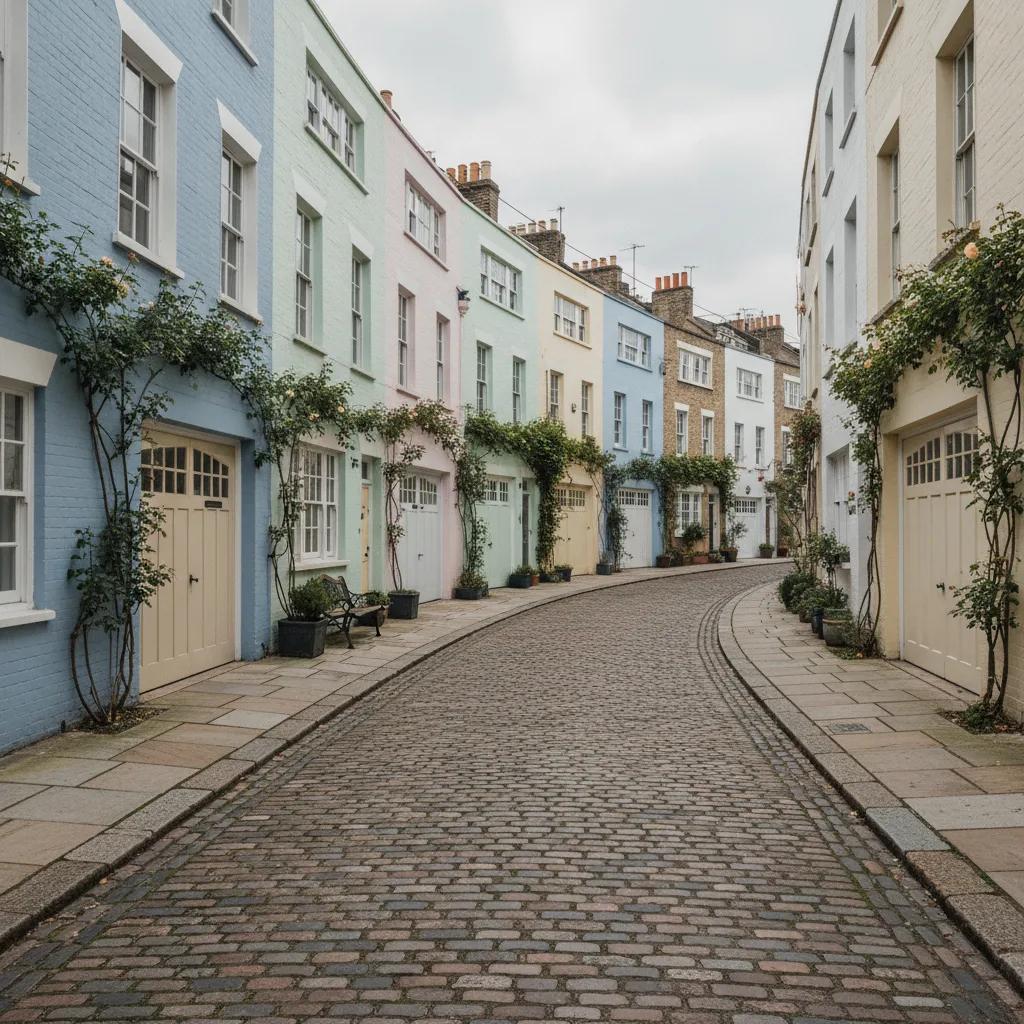
Historic Alleyway Heritage Walk on Portobello Mews Loop
Discover pastel-painted mews, hidden stable arches, and cobbled pathways along this self-guided historic alleyway heritage walk weaving through Notting Hill.
Behind the pastel Italianate villas and vibrant market stalls of Notting Hill lies an enchanting secondary landscape of Victorian carriage mews and narrow pedestrian passages. Developed throughout the 1850s and 1860s on the former farmland of the Ladbroke and Kensington estates, these hidden lanes were deliberately tucked behind principal avenues to shield residents from the sound and bustle of working horses. Following this historic alleyway heritage walk invites pedestrians to explore curved cobblestone alleys, preserved hayloft doors, and quiet garden passages that retain their tranquil village character despite nearby urban energy.
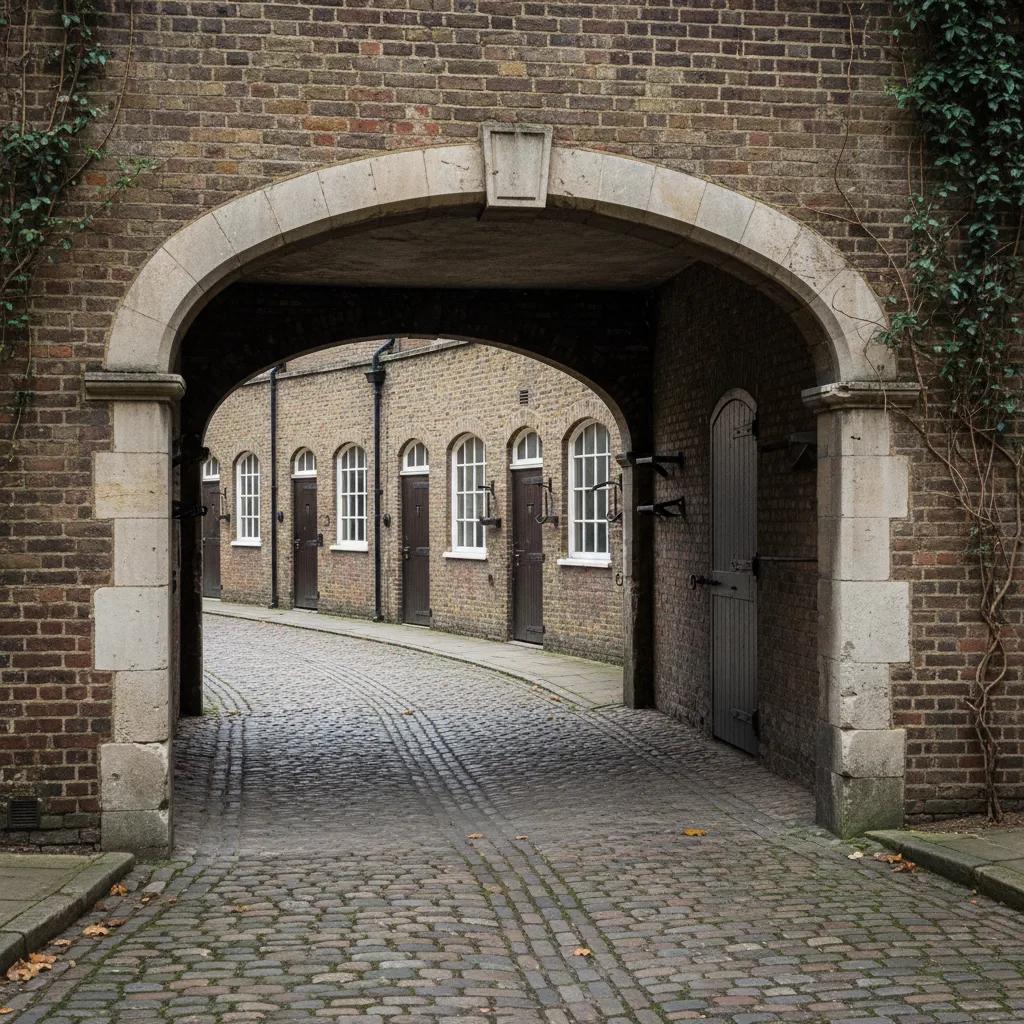
St Luke's Mews and Its Iconic Cobblestone Carriage Arc
St Luke's Mews curves in a picturesque crescent behind All Saints Road, presenting one of the finest ensembles of Victorian mews architecture in West London. Originally constructed in the 1860s to stable carriage horses for the grand townhouses of Lancaster Road, these two-story brick dwellings feature exterior wrought-iron staircases, arched carriage entries, and decorative upper balconies. Wisteria vines and climbing roses cling to pastel-rendered brickwork, softening the historic facades while highlighting original stable ventilation louvers. Walking over the rounded granite cobblestones offers a quiet and tactile journey back to nineteenth-century domestic London life.
Colville Mews and Secluded Horseshoe Workshop Enclaves
Colville Mews forms a private, horseshoe-shaped mews lane tucked immediately behind the vibrant bustle of Portobello Road. Established to accommodate blacksmiths, wheelwrights, and livery operations during the height of the Victorian carriage era, the mews retains several prominent architectural reminders of its working-class past. Heavy wooden double carriage doors with iron strap hinges, overhead lifting beams, and high hayloft windows remain prominent across several properties. The lane remains largely pedestrianized, allowing visitors to inspect original granite setts and brick drainage gulleys without automotive interruptions.
Simon Close and the Hidden Artisan Cut-Through
Simon Close tucks quietly off Kensington Park Road, functioning as an extraordinarily discreet residential cul-de-sac and historic pedestrian cut-through. Built during the mid-Victorian expansion of the Ladbroke Estate, this tiny alley retains its historic perimeter walls and decorative brick bonding patterns. Modest cottage proportions, traditional timber sash windows, and potted climbing plants line the walkway, creating an intimate courtyard atmosphere. The contrast between the broad avenues of Kensington Park Road and the compressed enclosure of Simon Close highlights the clever layered planning of Victorian urban developers.
Pencombe Mews and the Secret Denbigh Archway
Pencombe Mews is entered through an inconspicuous brick carriage archway situated on Denbigh Road, almost invisible to passing pedestrians. Passing beneath the low arch reveals a secluded cobbled courtyard surrounded by converted two-story carriage cottages with painted wooden shutters and brass carriage lanterns. The mews was originally engineered with a gentle slope toward central granite gutter channels, ensuring effective rainwater drainage from the horse stalls. Today, the peaceful enclave remains completely shielded from city noise, offering an inspiring demonstration of adaptive architectural reuse across historic London residential spaces.
Denbigh Close and Secluded Artisan Stable Enclaves
Denbigh Close provides a picturesque cul-de-sac tucked quietly behind Denbigh Road, retaining its traditional Victorian stone setts and painted brick facades. Originally functioning as a dedicated carriage stabling yard for local doctors and merchants residing along Chepstow Villas, the close features arched stable doors, iron drainage grates, and timber-framed sash windows. Potted bay trees, creeping jasmine, and hanging baskets line the pedestrian walkway, softening the historic brick walls while maintaining an intimate residential atmosphere. Walking down this secluded mews offers an exceptional glimpse into how West London's functional equestrian architecture was harmoniously adapted into peaceful urban homes.
Penzance Place and the Quiet Garden Square Passages
Penzance Place and its adjacent pedestrian footways bridge the gap between Clarendon Cross and the classical stucco squares of Notting Hill. Narrow alleyway connections weave between brick perimeter garden walls, shaded by mature plane trees and lined with historic gaslamp standards. Small independent craft workshops, picture framers, and antique dealers have historically congregated in these modest corner premises. The walkway features smooth York stone paving stones alongside traditional cast-iron street nameplates dating back to the late nineteenth century.
Codrington Mews and Historic Carriage Stabling
Codrington Mews showcases another distinctive iteration of West London's equestrian history, tucked behind the southern end of Blenheim Crescent. The mews features robust stock-brick elevations accented by red-brick dressing around segmental carriage arches. Decorative wrought-iron Juliet balconies front former hayloft openings, where pulleys and external winches once hauled fodder from delivery carts below. The lane slopes gently toward an original central drainage channel paved with granite blocks, illustrating the meticulous public health and sanitation engineering implemented by Victorian municipal authorities.
Blechynden Mews and Historic Stable Architecture
Blechynden Mews retains an authentic residential scale situated just west of the main Portobello artery. Modest painted brick terraces, stable-style divided front doors, and cast-iron wall tie plates give this lane an understated charm that feels removed from commercial tourism. Historical records indicate that several carriage hire businesses operated here through the early twentieth century, serving residents of nearby Ladbroke Grove. Walking along the quiet lane provides a chance to examine historic timber lintels, handmade London brickwork, and traditional slate mansard rooflines up close.
Recognizing Victorian Mews Details and Craftsmanship
Exploring these Notting Hill mews pathways offers endless opportunities to spot authentic Victorian craftsmanship and equestrian infrastructure. Notice the cast-iron hitching rings embedded into brick pilasters and the circular iron coal hole covers set into the flagstones. High on several mews gables, timber beam hoists remain in position, historically utilized to haul bales of hay directly from supply wagons into attic lofts. The enduring quality of the hand-laid granite setts reflects the exceptional engineering standards applied even to London's secondary service thoroughfares.
Pacing the Route and Avoiding Market Congestion
This self-guided Notting Hill walking loop extends for approximately 1.5 miles and requires seventy to eighty minutes of relaxed strolling. For the quietest and most contemplative experience, visit on Tuesday or Wednesday mornings between 9:00 AM and 11:30 AM when local streets are virtually empty. Avoid walking this route on Friday and Saturday afternoons, when Portobello Road market crowds spill heavily into surrounding side streets and impede leisurely photography. Notting Hill Gate and Ladbroke Grove Underground stations provide seamless public transport access at either end of the circuit.
Neighborhood Extensions and Scenic Green Stops
Concluding the loop brings you within easy walking distance of Holland Park's tranquil Kyoto Garden and the charming independent cafes of Westbourne Grove. Wandering along nearby Elgin Crescent allows you to appreciate the communal private gardens that these service mews historically supported. The Karpo APP provides detailed walking itineraries, neighborhood architectural notes, and public transit navigation to enrich your London walking adventures. Exploring Notting Hill's hidden mews network reveals the enduring historic charm that lies just steps away from its famous thoroughfares.
Ask Karpo for more information.
Keep reading
- Knightsbridge Festive Shop Window Walk Planner: Dusk Loop
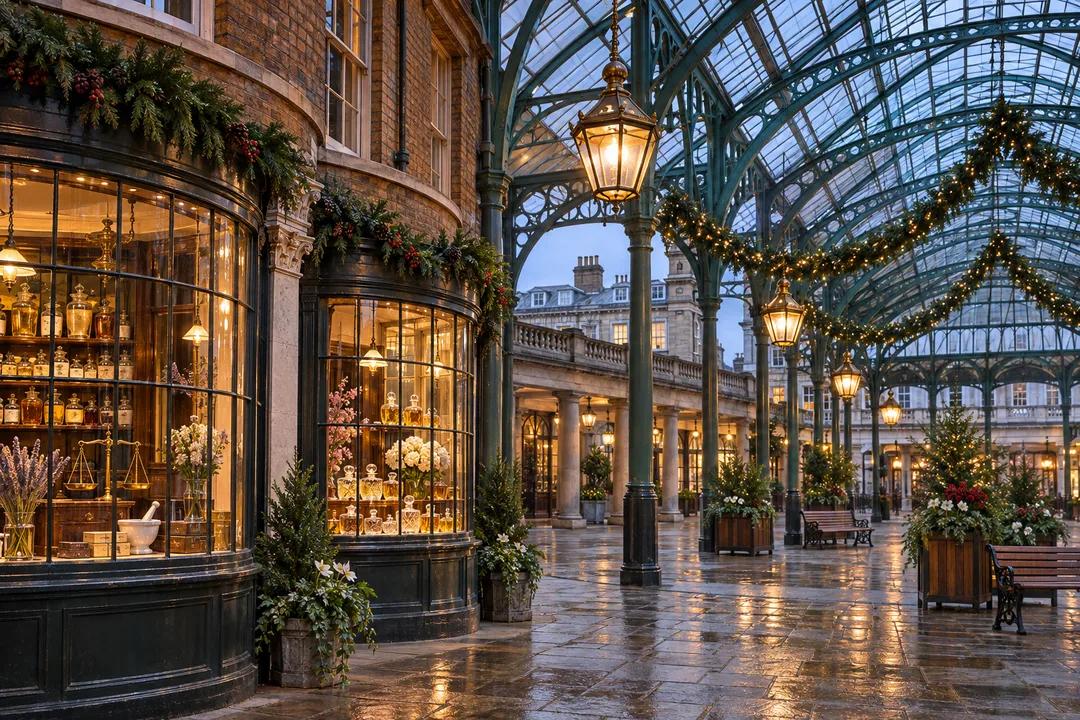 Covent Garden Festive Shop Window Walk Planner: Night Loop
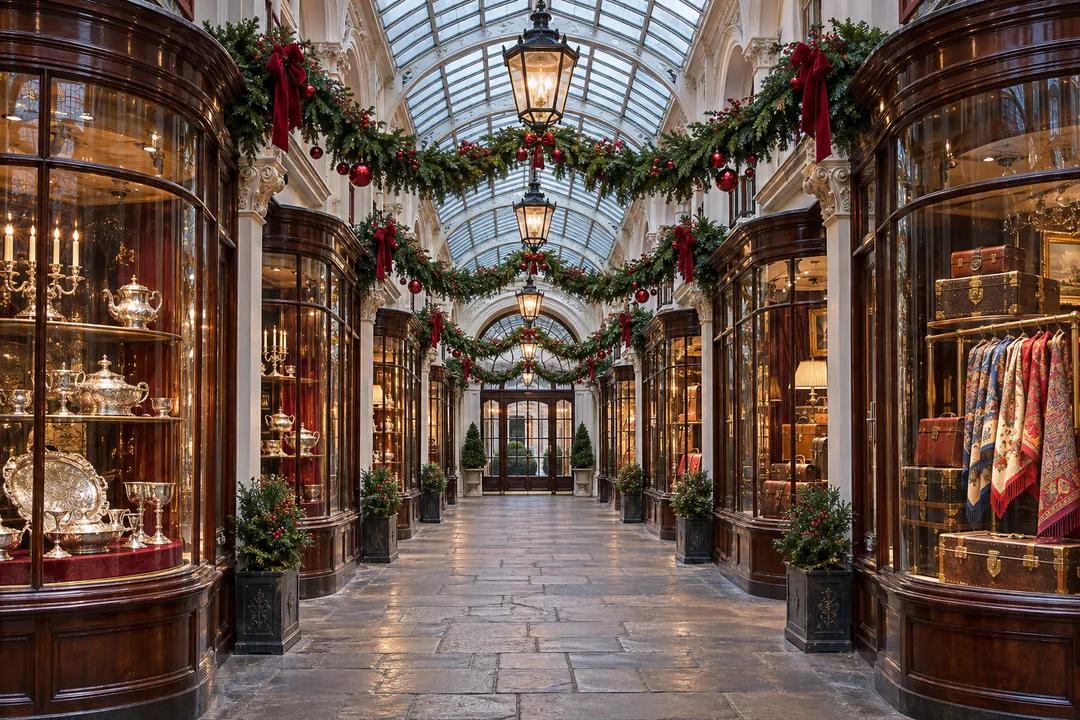 Mayfair Festive Shop Window Walk Planner: Arcade Dusk Loop