 Knightsbridge Festive Shop Window Walk Planner: Dusk Loop
Neighborhood Guides
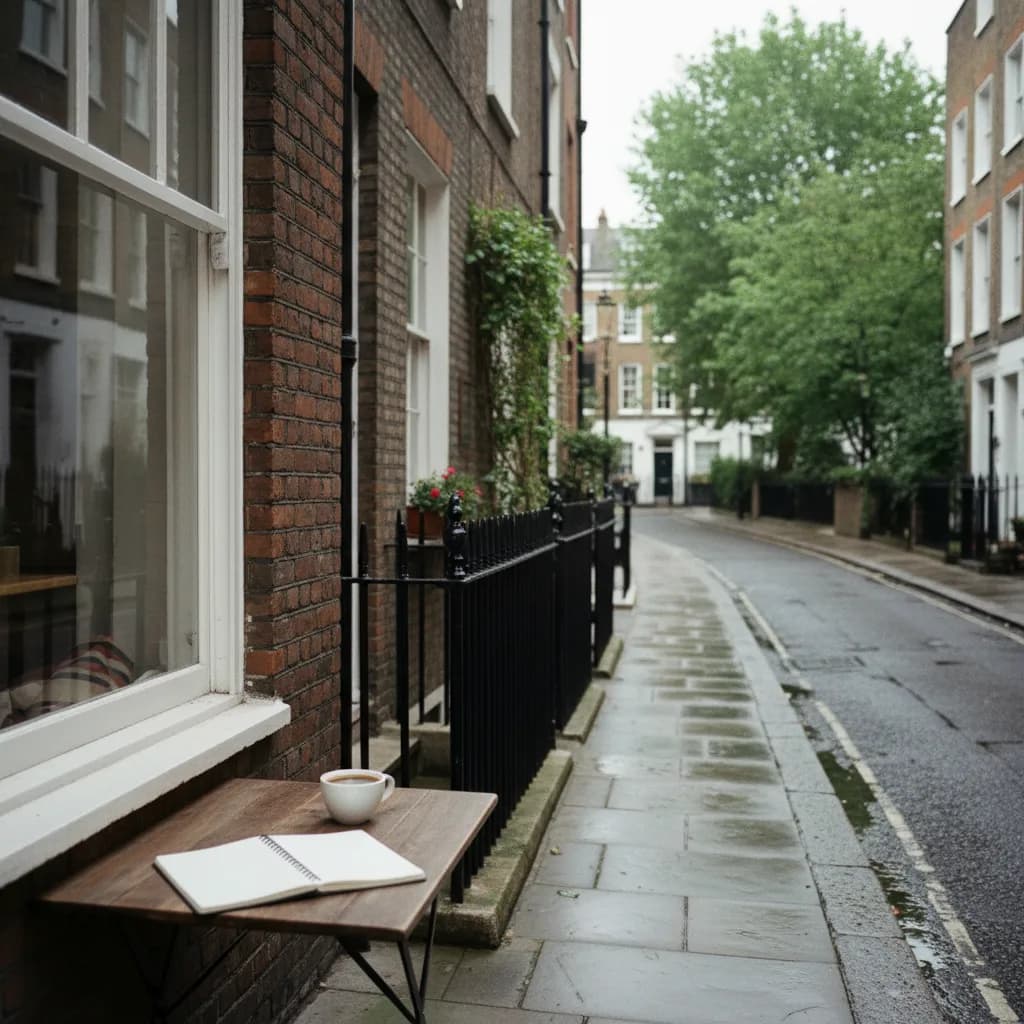
Soho Cozy Study Cafe Finder: Quiet Tables Before Noon
Need a cozy study cafe in Soho? Aim for the side streets off Soho Square before noon, when tables are free and the volume is low. Here is how to shortlist one.
Soho has two personalities, and only one of them is good for revision. Before about noon on a weekday, the streets between Oxford Street, Charing Cross Road and Regent Street are mostly delivery vans, office workers carrying flat whites and shopkeepers rolling up shutters. After six, the same blocks fill with theatre crowds and bar queues. A cozy study cafe finder for Soho is really a timing tool first: pick the morning, pick the right side street, and the table problem mostly solves itself.
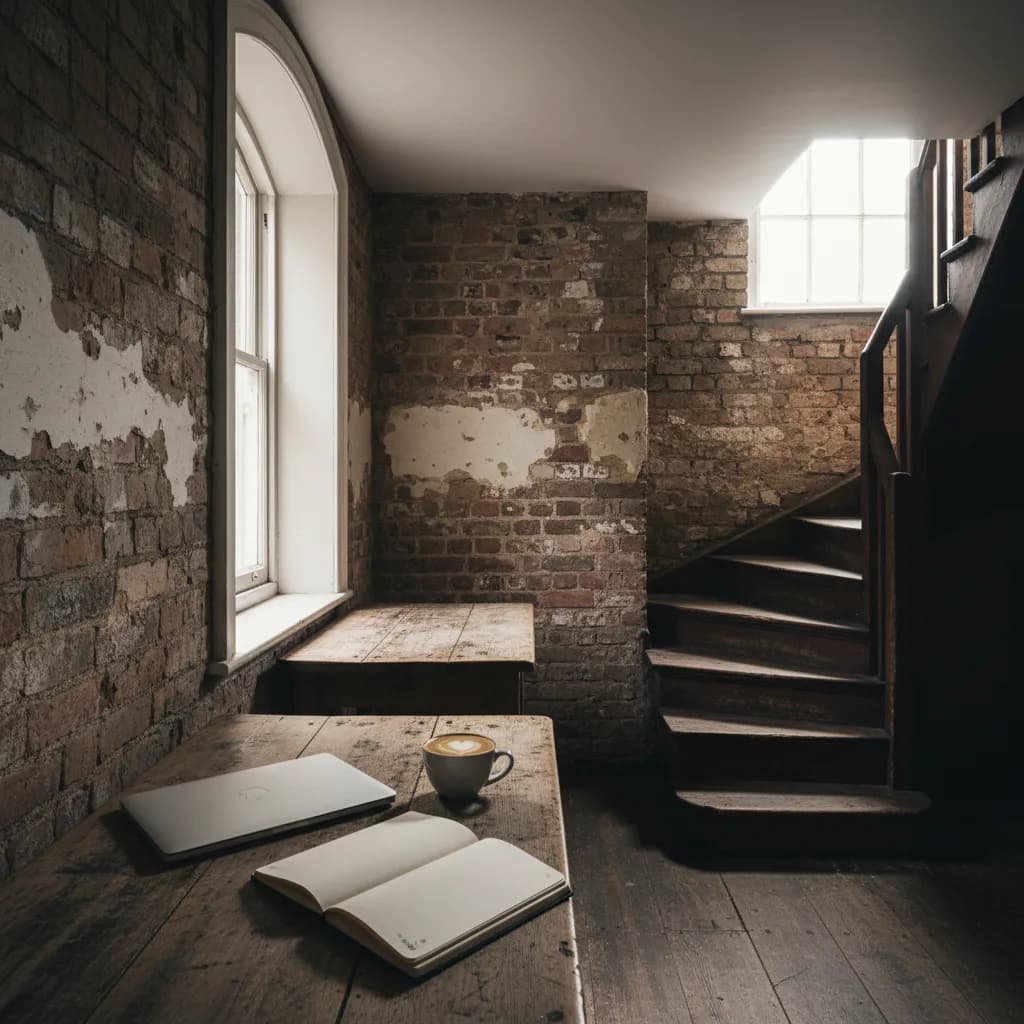
Start With the Clock, Not the Cafe
The single biggest mistake people make when hunting for a study seat in W1 is arriving at two in the afternoon and walking the main drags. Old Compton Street, Wardour Street and the stretch of Dean Street closest to Shaftesbury Avenue are built for turnover. Seats are small, music is part of the brand and staff are watching the door for the next group of four. That is fine for a coffee, terrible for a three-hour essay.
Instead, treat the morning as your window. Plan to be settled with a drink by around nine or ten, work until the lunch rush builds, and then decide whether to move. If you only get one good session a day in Soho, that early stretch is the one worth protecting. Afternoons are better spent somewhere with more space, which this page covers further down.
Which Soho Streets to Search First
Think of Soho as a grid with a calm northern half and a busy southern edge. The streets running up toward Oxford Street, such as the upper end of Dean Street, Frith Street near Soho Square, Greek Street and the little lanes around Bateman Street, tend to hold smaller independent places where a single person with a notebook is not out of place. These blocks were laid out in the late seventeenth century, and many still have narrow Georgian frontages with only a handful of tables inside.
Soho Square itself is a useful anchor. The garden in the middle, with its small half-timbered hut and its statue of Charles II, is a reliable place to take a ten-minute break without spending money. When you search, start with cafes within a two-minute walk of the square and work outward. You lose less time walking back and forth, and you always have a free bench nearby when your brain needs air.
The western side, around Berwick Street and Poland Street, is busier during market hours. Berwick Street market has been trading on that strip for centuries and now runs mostly as a lunchtime street food market, so cafes on the street itself get a burst of foot traffic from late morning. If you like a bit of background energy, that is pleasant. If you need silence, search one street over.
What Makes a Cafe Study-Friendly Here
Soho cafes are small. Rent is high, rooms are narrow, and a lot of places have two or three tables downstairs and a counter facing the window. So the filters that matter are slightly different from a big suburban coffee shop. Look first for a back room or a basement with tables, because those spaces are usually quieter than the counter by the door. Next, check whether people in recent photos are using laptops or only eating. Finally, look for any posted laptop policy, since some places restrict screens at lunch or on weekends.
Power sockets are the hardest thing to predict in old buildings. Many historic Soho frontages simply do not have sockets near the tables. Charge everything fully before you leave home and treat any outlet as a bonus rather than a requirement. A small power bank changes how picky you need to be.
Light matters more than people expect. North-facing windows on the east-west streets give soft, even light that is easy on the eyes for reading. A seat deep in a dim basement may be quiet but can make long reading sessions tiring.
How to Use Karpo APP for the Shortlist
Karpo APP is useful at the planning stage, before you set off. Tell it you want somewhere in Soho to study for a few hours on a weekday morning, that you need a quiet table rather than a counter seat, and that you would like to stay close to Soho Square. It can help you build a short list of cafes and nearby alternatives to look at, and you can refine the list by adding constraints such as a smaller budget, a preference for independent places or a need to be near Tottenham Court Road station.
Karpo APP does not see live seat availability or measure noise inside a room, so treat its suggestions as a starting list rather than a guarantee. The practical approach is to save three options within a few minutes of each other. If the first is full when you arrive, you walk to the second without opening a map, standing in the doorway, or losing focus.
Etiquette That Keeps You Welcome
Small rooms mean every table counts. Buy something roughly every ninety minutes if you are staying longer, and be ready to share a larger table with a stranger if it gets busy. Keep calls outside; Soho side streets are quiet enough in the morning to take a call on the pavement without shouting.
When the lunch crowd starts arriving, usually from about half past twelve, pack up and move if staff are clearly turning tables. It is a small courtesy, and it means the same place will be happy to see you next week. One honest piece of advice: skip any cafe where the only seating is high stools along the window. They look cozy in photos, but after an hour your back will disagree.
A Plan B When Soho Is Full
Rainy weekday mornings during term time can fill every small seat in the area. When that happens, walk east across Charing Cross Road. Westminster's Charing Cross Library sits on that road on the edge of Chinatown and offers a free, quieter alternative, and the walk takes only a few minutes from Soho Square. Another option is to head north across Oxford Street into Fitzrovia, where streets such as Charlotte Street and Goodge Street have their own cluster of cafes and the office crowd thins out after the morning coffee run.
If you are near Golden Square on the western side, the square itself is a calmer pause point than Soho Square, with benches and fewer passers-by. From there, Regent Street and Piccadilly Circus are close, but the side streets of Mayfair across Regent Street tend to be quieter again.
Practical Notes for a Soho Study Morning
Getting there is simple. Tottenham Court Road station, which now has the Elizabeth line as well as the Central and Northern lines, opens straight onto the top of Soho. Oxford Circus and Piccadilly Circus cover the western and southern edges, and Leicester Square is closest to the Chinatown side. Walking from Tottenham Court Road to Soho Square takes only a couple of minutes.
Pack light. Narrow staircases and small tables make a big rucksack awkward. Bring headphones, a charged laptop, a power bank and a paper notebook for the sections you can do away from the screen. If you plan to stay past lunch, decide in advance where your afternoon session will be so you are not wandering when your concentration is lowest.
Soho rewards people who come early and leave before it changes character. Use the morning, keep your shortlist small and local, and let the evening crowd have the streets back.
Ask Karpo for more information.
Keep reading
- Knightsbridge Festive Shop Window Walk Planner: Dusk Loop
 Covent Garden Festive Shop Window Walk Planner: Night Loop
 Mayfair Festive Shop Window Walk Planner: Arcade Dusk Loop