 Places To Eat Near Me in Williamsburg: Smorgasburg's Open-Air Vendors
Weekend Plans
Logan Webb Pitching Days: NYC Weekend Baseball Viewing Route Planner
Plan your weekend around Logan Webb's start with flexible NYC sports bar routes and backup venue strategies. Navigate between neighborhoods with subway-accessible viewing spots that accommodate group preferences.
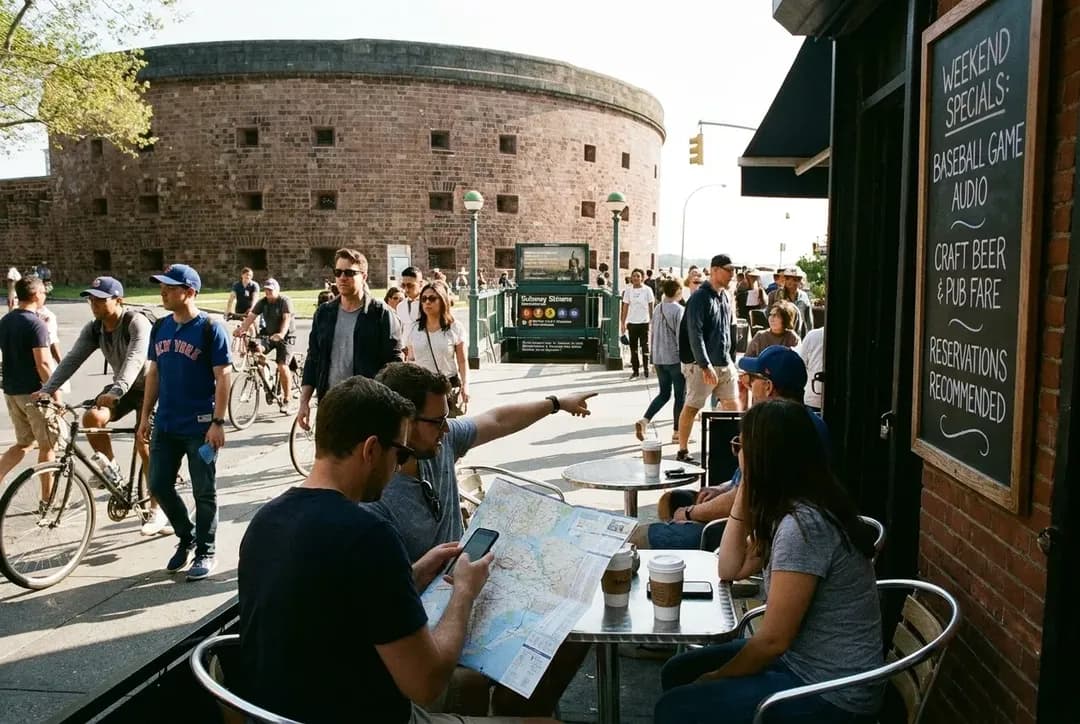
When logan webb takes the mound for a weekend start, coordinating group viewing in NYC requires more than finding one bar—it demands a flexible route with contingency options. Weekend baseball viewing with friends who have varying preferences means balancing audio quality, food variety, reservation policies, and the ability to pivot between venues if your first choice is packed or the game atmosphere isn't right. This route planner approaches a Logan Webb pitching day as a multi-stage weekend experience, mapping primary and secondary sports bar options across neighborhoods connected by subway lines that let you switch locations between innings without losing game momentum. Rather than committing to a single spot for a three-hour game, this strategy builds in decision points where your group can reassess and relocate based on crowd size, service speed, or simply the desire for a scenery change as the game progresses into evening.
Text Karpo your starting point, timing, group size, and priorities for a NYC plan tailored to this exact situation, with one realistic backup before you leave.
Primary Venue Selection Tradeoffs Across Manhattan Neighborhoods
Choosing your starting venue involves weighing audio priority against food quality and reservation availability. Midtown sports bars near Penn Station and Herald Square typically feature robust sound systems with dedicated audio for West Coast games, but they rarely accept reservations for groups under eight and fill quickly on weekend afternoons. The advantage lies in subway access—multiple lines converge here, making it your easiest hub for potential moves to backup locations in Chelsea, the East Village, or Upper West Side if the initial spot disappoints.
Greenwich Village and East Village options often provide better food menus with craft beer selections and elevated bar food, but game audio competes with ambient neighborhood noise, especially at venues with open-air seating. These neighborhoods reward groups willing to arrive early—claiming a table by 12:30 PM for a 1:00 PM first pitch gives you audio positioning near mounted screens. The 4, 5, 6, N, Q, R, and W trains all serve this area, providing escape routes north toward Murray Hill or south toward Lower Manhattan if you need a second-act venue with different energy.
Backup Venue Criteria and Subway Transfer Logic
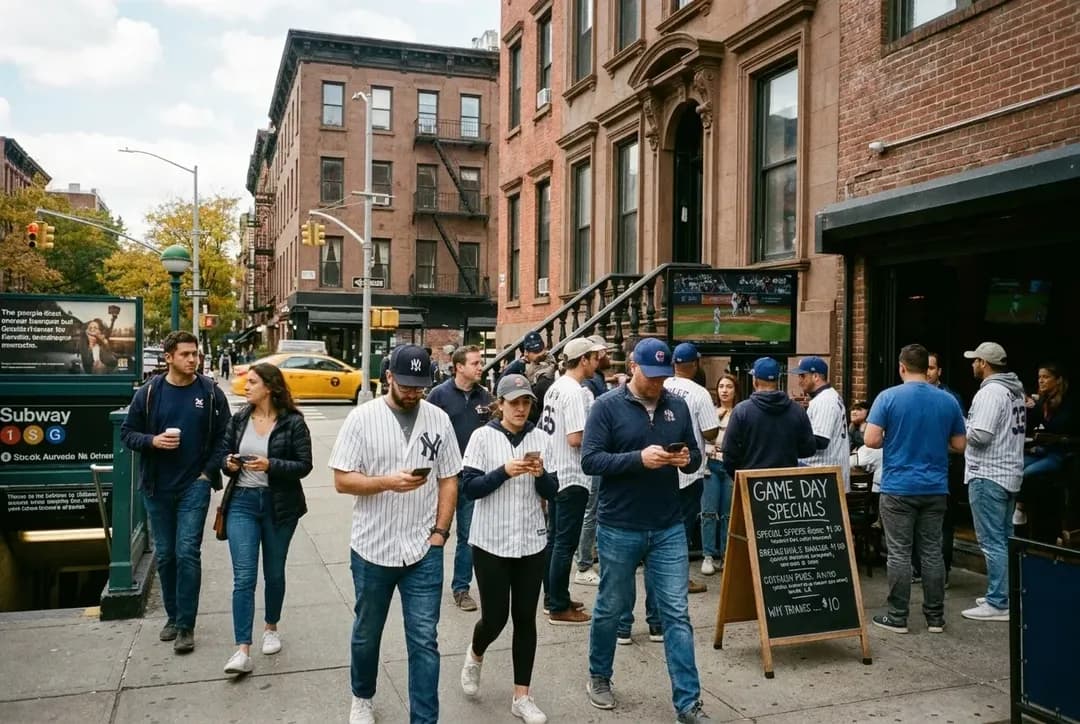
Effective backup planning means identifying secondary venues within 15 minutes of subway travel that offer contrasting strengths. If your primary choice prioritizes game audio but serves limited food, map a backup known for full kitchen service in an adjacent neighborhood—this lets you relocate after the fifth inning when hunger outweighs the need for pitch-by-pitch commentary. Check MTA service alerts before departing, since weekend construction on lines like the 1, 2, 3, and G can add unpredictable delays that turn a simple venue switch into a logistical puzzle.
The Upper West Side and Astoria present geographically opposite backup strategies. Upper West Side bars near the 1, 2, and 3 lines offer spacious seating and family-friendly atmospheres, ideal if your group includes members less invested in every pitch who prefer conversational viewing. Astoria venues accessible via the N and W trains provide larger screens and Greek taverna-style food options, but require commitment—once you cross into Queens, returning to Manhattan mid-game eats significant travel time. Decide which direction suits your group's tolerance for transit time versus their desire for specific food or atmosphere.
Reservation Policies and Walk-In Timing Strategies
Most NYC sports bars don't accept reservations for standard weekend afternoon baseball viewing, treating game days as first-come service. The exceptions are upscale sports lounges in Midtown and Financial District that require minimum spend commitments—these guarantee seating but limit your flexibility to leave if the venue disappoints or the game turns into a blowout. For groups of four to six, walk-in strategy means arriving 45 to 60 minutes before first pitch, accepting that you may start at the bar before table seating opens up.
Calling ahead on Friday evening to ask about Saturday or Sunday game-day policies helps set expectations. Some venues will note your group size and preferred arrival time without formal reservations, giving you soft priority if you arrive within the window. Others operate pure walk-in systems where even advance calls provide no advantage. This reconnaissance step prevents the frustration of arriving with six people expecting a table, only to face a 90-minute wait that extends past the third inning.
Food Menu Comparisons for Extended Viewing Sessions
A three-hour baseball game requires food that arrives quickly enough to avoid missing key at-bats but substantial enough to sustain your group through nine innings. Traditional sports bars offer wings, burgers, and nachos with 15-to-20-minute kitchen times—reliable but repetitive if you're watching multiple games across a weekend series. Gastropubs in neighborhoods like Park Slope or Williamsburg expand menus to include tacos, grain bowls, and vegetarian options, accommodating groups with dietary restrictions, though kitchen speed sometimes lags during weekend rushes.
Consider splitting your route between a first-venue focused on drinks and appetizers, then relocating to a second spot with full entrees if the game extends into evening. This approach works particularly well for West Coast games with later start times—begin at a bar with outdoor seating and lighter fare in the afternoon, then transition to an indoor venue with heartier dinner options as temperature drops. Verify that your secondary venue serves full menus past 7:00 PM on weekends, since some kitchens reduce offerings or close early on slower nights.
Group Decision Points and Mid-Game Relocation Signals
Establish decision checkpoints with your group before the game starts—agree that you'll reassess venue satisfaction after the third inning and again after the sixth. This prevents the common scenario where one person is unhappy but stays silent until the eighth inning, too late to relocate. Signals that warrant a move include poor audio mixing where you can't hear the broadcast, slow service that leaves your group waiting 30+ minutes for food orders, or crowd density that makes conversation impossible. Having pre-scouted backup options lets you execute the switch quickly via nearby subway lines.
The flexibility to relocate mid-game transforms a potentially frustrating experience into an adventure that matches the adaptable spirit of your group. Some members may prefer staying put regardless of conditions, while others embrace the opportunity to see multiple neighborhoods in one afternoon. Acknowledge these preferences upfront and establish a majority-rule or rotating-decision-maker system so venue switches don't devolve into prolonged debates that eat into game time. The goal is maintaining group cohesion while honoring individual comfort levels with spontaneity and transit navigation.
Tags: #LoganWebb #NYCsportsbars #weekendbaseballviewing #NYCsubwayroutes #groupweekendplans #sportsbarreservations #Manhattanneighborhoods #flexibleitinerary #baseballviewingNYC #weekendafternoonplans
Sources consulted: Source 1: nycgovparks.org · Source 2: new.mta.info · Source 3: nypl.org · Source 4: a816-health.nyc.gov
All trademarks are the property of their respective owners.
Ask Karpo first
Ask Karpo to turn this NYC idea into a current plan for your date, budget, companion, transit preference, and energy level. Karpo can narrow the route and flag what to verify before you go.
Ask Karpo for more information.
Keep reading
- Places To Eat Near Me in Williamsburg: Smorgasburg's Open-Air Vendors
 Dinner Near Me in the West Village: Buvette's Tiny French Plates
 Best Restaurants Near Me in Midtown: Le Bernardin Holds Three Stars