The structural change in Los Angeles live music over the past eighteen months is that weeknight residencies have moved earlier and shorter. Rooms that used to program a 10pm headline set now run the main act at 8pm, sometimes 7:30pm, because the one-drink minimum generates more margin when the opener clears by 9pm and the staff goes home before midnight. That shift makes Tuesday and Wednesday the city's best free-music nights, but only if you understand that the set worth seeing almost never follows the time printed on the poster.
Ask Karpo which rooms are running free residencies tonight and what time the good set actually starts. The app reads current lineups across Silver Lake, Echo Park, Downtown and the Westside and tells you whether the door charge is real or waived.
Why the free door exists and what it measures
A residency is a standing weekly or monthly booking, and the artist takes door or bar percentage rather than a guarantee. The venue needs reliable Tuesday traffic, the act needs stage time to work out material, and both sides win when the room stays half full without spending on promotion. That only works if entry is free or extremely cheap, because a five-dollar cover on a weeknight cuts walk-in traffic by half.
The distinction that matters is whether the residency is curated or open-call. A curated slot means the venue or a trusted booker selects the artist and the artist brings a following. An open-call residency is closer to an open mic with a sign-up sheet, and the quality floor is much lower. You can tell the difference by checking whether the same name appears on the same night across multiple weeks. If the lineup changes every week and the poster lists four acts with identical set times, it is open-call and you should expect uneven quality.
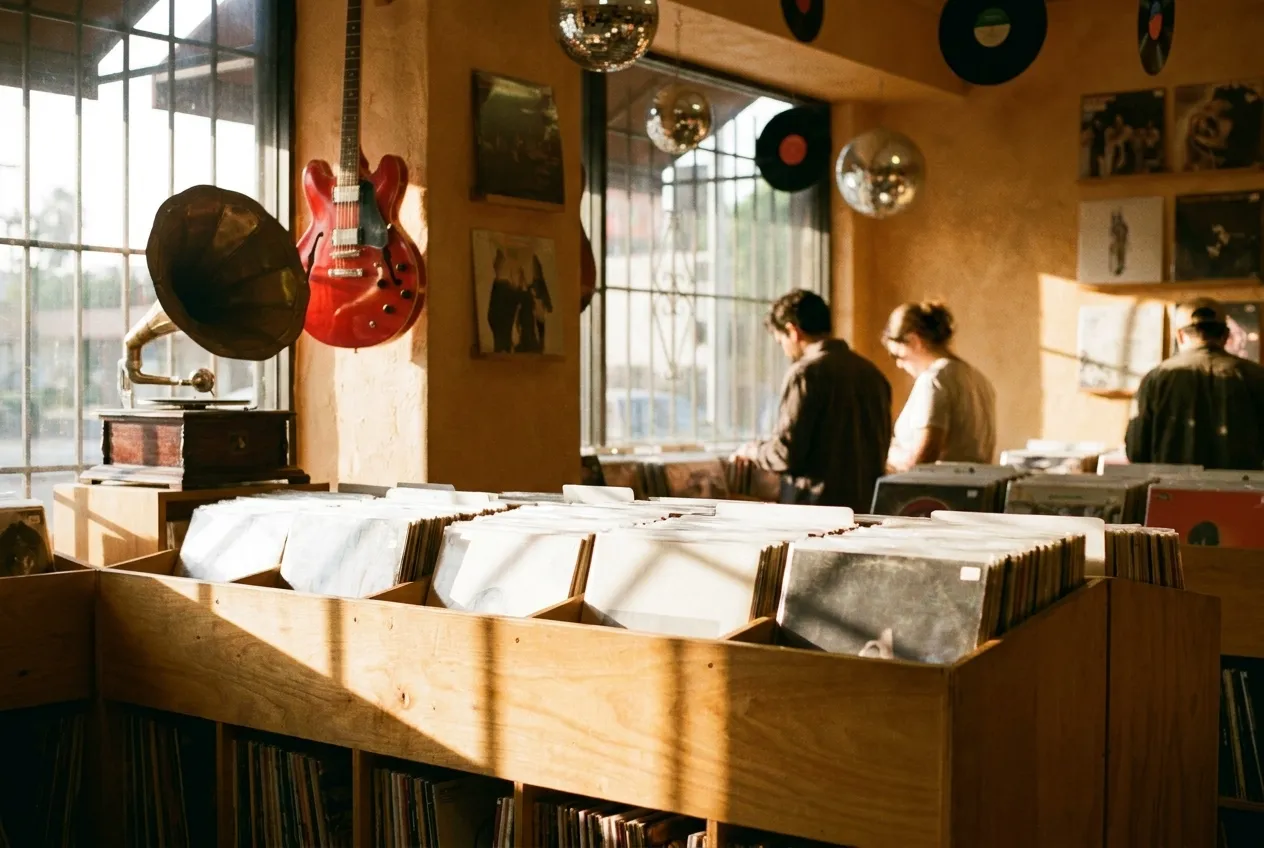
In-stores at record shops follow a different logic. The store wants foot traffic during slow afternoon hours, the label or publicist wants to move physical copies, and the artist wants to reach people who actually buy records. These shows run between 5pm and 7pm, sometimes as early as 4pm on a Saturday, and the performance is almost always acoustic or stripped-down because the setup is minimal. Entry is free but the social expectation is that you buy the record or at least browse for ten minutes before leaving. That expectation is not enforced, but it is real.
When the printed start time is a fiction
The single biggest mistake people make with free weeknight music is believing the posted start time. A venue that says doors at 8pm and music at 9pm is actually telling you that the opener starts at 9pm, the middle act goes on at 9:45pm, and the headliner plays at 10:30pm. If you arrive at 9pm you will watch the opener, who is often the weakest act on the bill. If you arrive at 10pm you will catch the last half of the middle set and the full headline, which is what most people want.
Early-doors shows flip that sequence. When a venue advertises a 7pm start for a free residency, the main act usually plays first, between 7:15pm and 8pm, and the supporting acts follow. The room wants the crowd in and out before 9pm so they can flip to a second booking or close early and save labor. That structure is more common in Silver Lake, Echo Park and Highland Park than on the Westside, and it is the norm for restaurant-adjacent stages where the venue needs the tables back for late dinner service.
The tell is whether the venue sells tickets online. If there is no ticketing link and no RSVP page, the show is genuinely free and probably runs earlier than you expect. If there is a ticket page that says zero dollars or free with RSVP, the venue is measuring demand and may add a cover at the door if the list gets long. That switch happens most often on Friday and Saturday when a weeknight residency tries to extend into the weekend.
What the one-drink minimum actually costs
The phrase you see most often is one-drink minimum, and the price range in Los Angeles is eight to fifteen dollars depending on neighborhood. Silver Lake and Echo Park rooms tend to charge nine or ten dollars for a draft beer, which is the cheapest way to meet the minimum. Downtown venues and anything in West Hollywood or Venice push twelve to fifteen dollars, and the cheapest option is usually a well cocktail or a glass of house wine.
The minimum is not enforced by checking your receipt at the door. It is enforced socially by the fact that the room is small, the bartender can see everyone, and the staff knows who is nursing a water. If you stay for a full set without ordering anything, you will feel the pressure. The workaround is to arrive right before the act you want to see, watch the set, and leave. That approach works better at larger rooms where the bar is separated from the stage area and the staff is not tracking individual faces.
Some venues frame the minimum as a suggested donation, especially at DIY spaces and artist-run rooms. That language means the money goes directly to the performer and the venue is not taking a cut. The suggested amount is usually five to ten dollars, and you pay by dropping cash in a bucket or tipping through a QR code. Those shows are genuinely free to attend, but the social contract is that you contribute something if you stay for more than one song.
Record store in-stores never have a drink minimum because there is no bar, but the expectation is that you buy the record or at least spend time in the store. The artist often sells vinyl directly from a merch table, and the price is usually the same as the shelf price or slightly higher if it is a special pressing. If you are not buying, the polite move is to browse for a few minutes and then leave before the store closes. Most in-stores run for thirty to forty-five minutes, and the store stays open for another hour afterward.
How to read the street and decide in ten seconds
When you walk up to a venue on a Tuesday or Wednesday, the line outside tells you whether you are early, late or correctly timed. No line and the door is open means you are early and the opener has not started. A short line of five to ten people means you are on time and the main act is about to go on. A line that wraps the block means you are late, the room is at capacity, and the headliner is already playing or about to finish.
The other tell is whether the venue is taking names at the door. If someone is holding a clipboard and checking IDs but not collecting money, the show is free but the room is managing capacity with a list. That system is common at smaller venues that hold fewer than a hundred people, and it means you should arrive at least fifteen minutes before the posted start time if you want to guarantee entry. If there is no clipboard and no check-in, the room is open seating and you can walk in anytime.
The final signal is sound bleed from the sidewalk. If you can hear a full band playing from outside, you are late and the set is already underway. If you hear soundcheck or a single instrument, you are early and the show has not started. If you hear conversation and no music, you are in the window between acts and you should go inside immediately because the next set is about to begin. The gap between sets at a weeknight residency is usually five to ten minutes, not the twenty or thirty minutes you get at a weekend ticketed show.
Tags: #LiveMusicNearMe #LosAngelesMusic #FreeThingsToDo #LANightlife #SilverLakeMusic #EchoParkShows #DowntownLA #LiveMusicLA #WeekdayMusic #MusicResidencies #RecordStoreShows #FreeConcerts #LosAngeles #LAMusic #KarpoApp
Please drink responsibly. Must be of legal drinking age.
All trademarks are the property of their respective owners.
Ask Karpo first
Ask Karpo which free residencies are running tonight and what time the headliner actually plays. The app checks current lineups across Echo Park, Silver Lake, Downtown and the Westside and tells you whether to arrive at doors or an hour later. Open the Karpo app before you leave the house and get a live route to the room with the set you want.