The encore ends, the house lights come up, and three thousand people open the same rideshare app in the same sixty seconds. Surge pricing hits four times the base fare before you reach the sidewalk. In Los Angeles the venue you can get home from is more important than the venue you want to see, because the city's live music infrastructure was built for cars in the 1970s and most of it still assumes you drove. The fix is planning the exit before the entrance: which venues sit near a Metro line that still runs, where lot parking beats street parking, why walking six blocks before requesting a car cuts the price in half, and how a weeknight show sidesteps the whole problem.
Before you buy tickets, ask Karpo which venues have Metro access after midnight and where to park without getting boxed in by the crowd. The app maps your exit before you commit to the entrance.
The Metro Math: Which Venues You Can Actually Leave
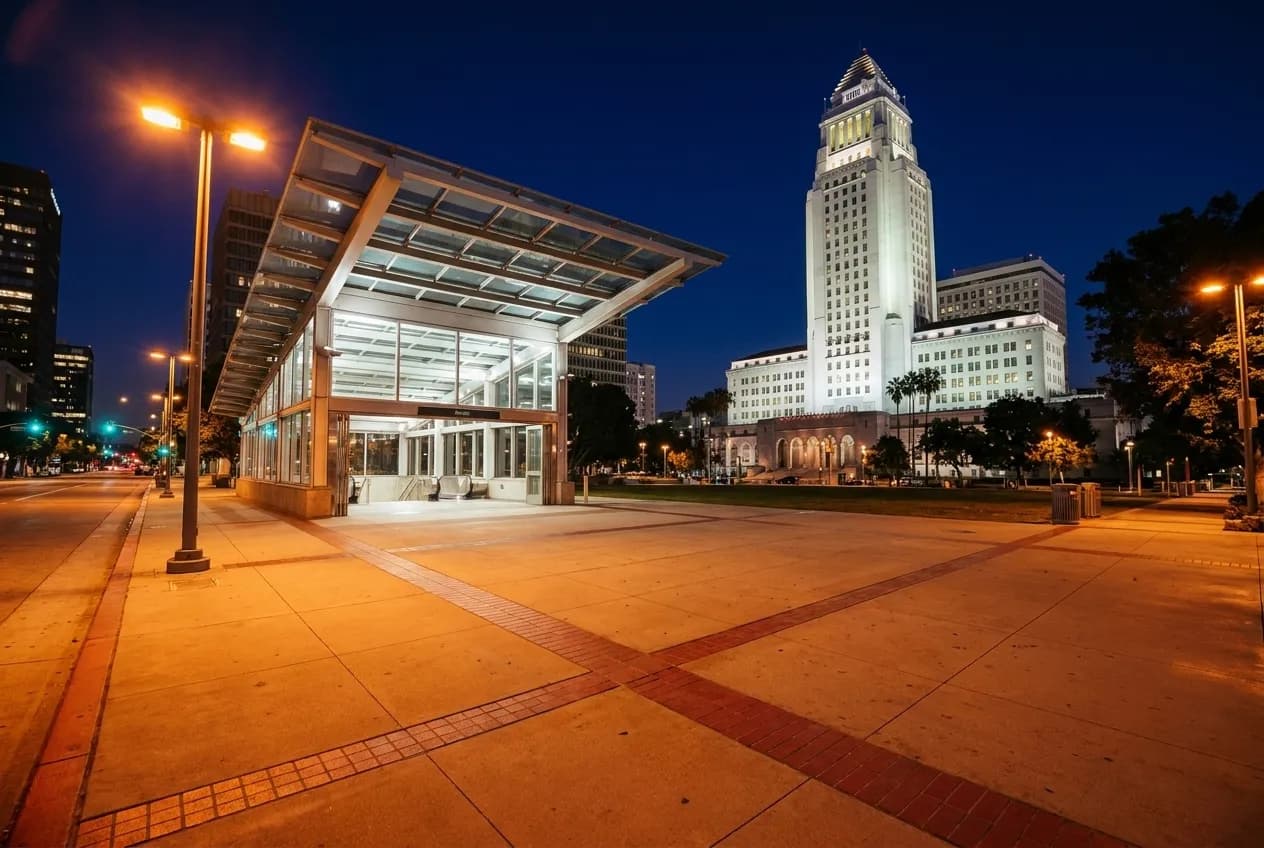
The B and D lines run until two in the morning on Friday and Saturday nights. That makes downtown venues near Seventh Street/Metro Center and Pershing Square the most reliably escapable rooms in the city. Shows that end by eleven-thirty on a weeknight still catch the last train if you move quickly, but most weeknight sets finish closer to midnight and the trains stop running before you clear the exit queue.
The E line to Santa Monica runs later than most people expect—until twelve-forty on weeknights, nearly two on weekends—which opens up the cluster of mid-capacity venues along Pico and Venice near La Cienega and Fairfax. You walk four or five blocks north from those rooms and you have a train option when rideshare pricing goes vertical. The C line serves the South LA corridor until similar hours, but fewer national touring acts route through that cluster.
East Hollywood and Silver Lake hold the densest concentration of small and mid-sized venues in the city, and none of them are within reasonable walking distance of a Metro station that runs past eleven. The Red Line stops at midnight. If you are seeing a show in that cluster, you are driving or you are paying surge rates. Plan accordingly.
Parking Strategy: Lot Versus Street and the Six-Block Rule
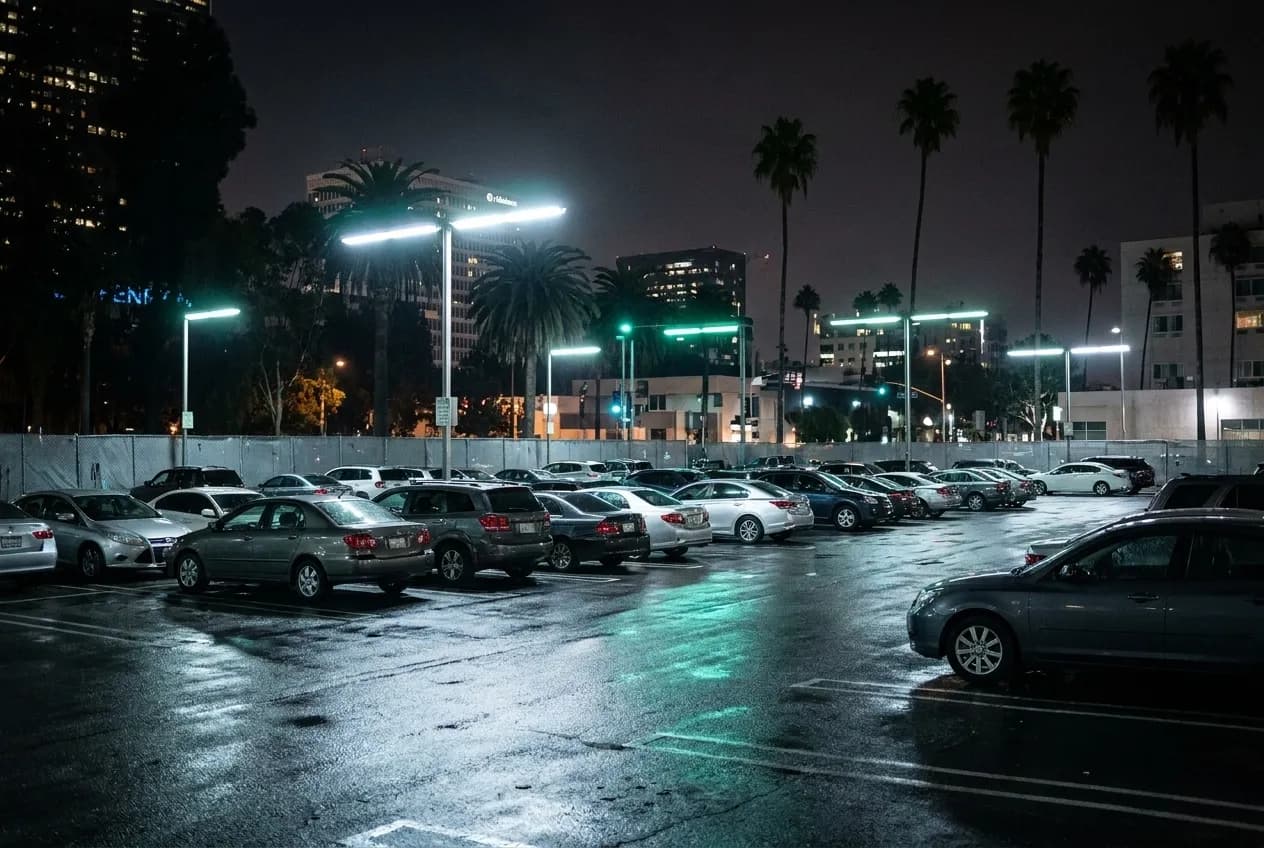
Paid parking lots near major venues charge fifteen to thirty dollars, and that fee looks expensive until you compare it to the alternative. Street parking is free or metered until eight, but you get boxed in by double-parked rideshares and impatient drivers trying to exit all at once. A lot that feeds directly onto a main arterial—Sunset, Santa Monica, Wilshire—gets you onto a moving road in under five minutes. A side street in Los Feliz or West Hollywood can trap you for twenty.
If you are committed to free street parking, you need to arrive early enough to claim a spot six or more blocks away from the venue entrance, on the far side of the post-show congestion radius. That distance means you walk an extra twelve minutes going in, but you walk away from the scrum coming out and you reach your car while everyone else is still queueing for rideshares. The math works: six blocks at an average LA walking pace is about twelve minutes. Waiting for a rideshare during surge can take twenty, and then you sit in traffic leaving the venue district anyway.
Valet parking exists at some of the larger venues and costs about the same as a lot, but the valet queue after a sold-out show can run thirty to forty minutes. You are paying for proximity you cannot actually use. The exception is venues with valet structures that have dedicated exit lanes—these exist in the Miracle Mile and near the Grove—but you need to ask the valet attendant which structure they use before you hand over your keys.
Weeknight Shows and the Surge Discount
A Tuesday or Wednesday show solves most exit problems by cutting attendance and spreading departure times. Weeknight crowds run thirty to fifty percent smaller than weekend sellouts, even for the same artist, because casual fans do not take a Wednesday night off work. The people who do show up leave in waves: some bolt early to catch the last train, some stay for the merch table, some linger at the bar. That staggered exit collapses surge pricing.
Rideshare rates on a weeknight rarely spike above one-point-five times base fare, and they drop back to normal within ten minutes of the final song. You can walk a block, check your phone, and request a ride at a reasonable price. Weekend shows compress everyone into the same fifteen-minute window and the algorithms know it. If your schedule allows any flexibility, the weeknight show in the same venue costs the same for tickets and saves you twelve to twenty dollars getting home.
Weeknight shows also finish earlier. Most rooms schedule last call for midnight on weeknights and one or one-thirty on weekends, which means the headliner goes on forty-five minutes earlier and wraps before eleven-thirty. That timing catches the tail end of Metro service and avoids the worst of the late-night rideshare shortage, when drivers log off and the remaining cars command premium rates.
What to Do When the Accessible Venue Is Booked
The venue with Metro access sells out first because everyone else has done the same math. When that happens, you have three moves. One is to buy tickets to the less accessible venue and build the exit cost into your evening budget: if you are paying fifty for tickets, you can pay twenty for rideshare surge and the total is still cheaper than most full nights out in Los Angeles.
Two is to skip the headliner and catch the opener or direct support at an earlier set time. Smaller acts go on between eight and nine-thirty, and you can see a full set and leave before the main crowd arrives. You miss the name you came for, but you see live music in the same room, you pay half as much for tickets, and you walk out into an empty street with base-rate rideshare pricing. This tactic works best at multi-stage venues and festivals where the undercard plays a smaller room or outdoor stage while the headliner loads in.
Three is to treat the inaccessible venue as the anchor for a longer evening. If you are already planning dinner and drinks before the show, pick a restaurant within walking distance of the venue and leave your car there. Eat between six-thirty and eight, walk to the show, walk back after, and drive home from the restaurant lot at midnight when surge has cleared and traffic has thinned. This only works if the restaurant lot does not tow after close, so you need to confirm with the host when you make the reservation. Most mid-tier spots in Los Feliz, Silver Lake and West Hollywood will accommodate this if you are a paying dinner customer, but you have to ask.
The longer walk back to the restaurant lot also functions as the six-block rule in reverse: you are moving away from the venue surge radius on foot, which means you could request a ride from the restaurant if you decide not to drive. Either way, you have options, and options are what you are buying when you plan the exit before the entrance.
Tags: #LiveMusicNearMe #LosAngelesNightlife #LAMusicVenues #LosAngelesMetro #LAParking #LiveMusicLA #ConcertLogistics #LosAngelesTransit #LANightOut #WeeknightShows #DowntownLA #SilverLakeMusic #LABarsAndNights #RideshareSurge #LAAfterDark
Please drink responsibly. Must be of legal drinking age.
All trademarks are the property of their respective owners.
Ask Karpo first
Ask Karpo which venues near you have late Metro access tonight and where the nearest lot parks. The app knows which rooms are running early weeknight sets and maps a walking route that skips the rideshare surge zone entirely.