Highland Park is usually described as one neighbourhood and functions as two streets. Figueroa carries the older institutions and the bigger rooms; York Boulevard carries the bars, the record shops and most of the small live music. They run roughly parallel about half a mile apart, and choosing the wrong one on a given night means walking past a lot of very good restaurants without finding a band. For a neighbourhood on the L line with cheap doors and rooms that hold under a hundred people, it is one of the more reliable places in Los Angeles to see music on a weeknight without planning.
These are small rooms with irregular booking - a bar that has a band on Thursday might have nothing on Friday, and the announcements are made a few days out. Tell Karpo which night you are free and it will tell you which of the two streets is worth walking.
York Boulevard is the music street
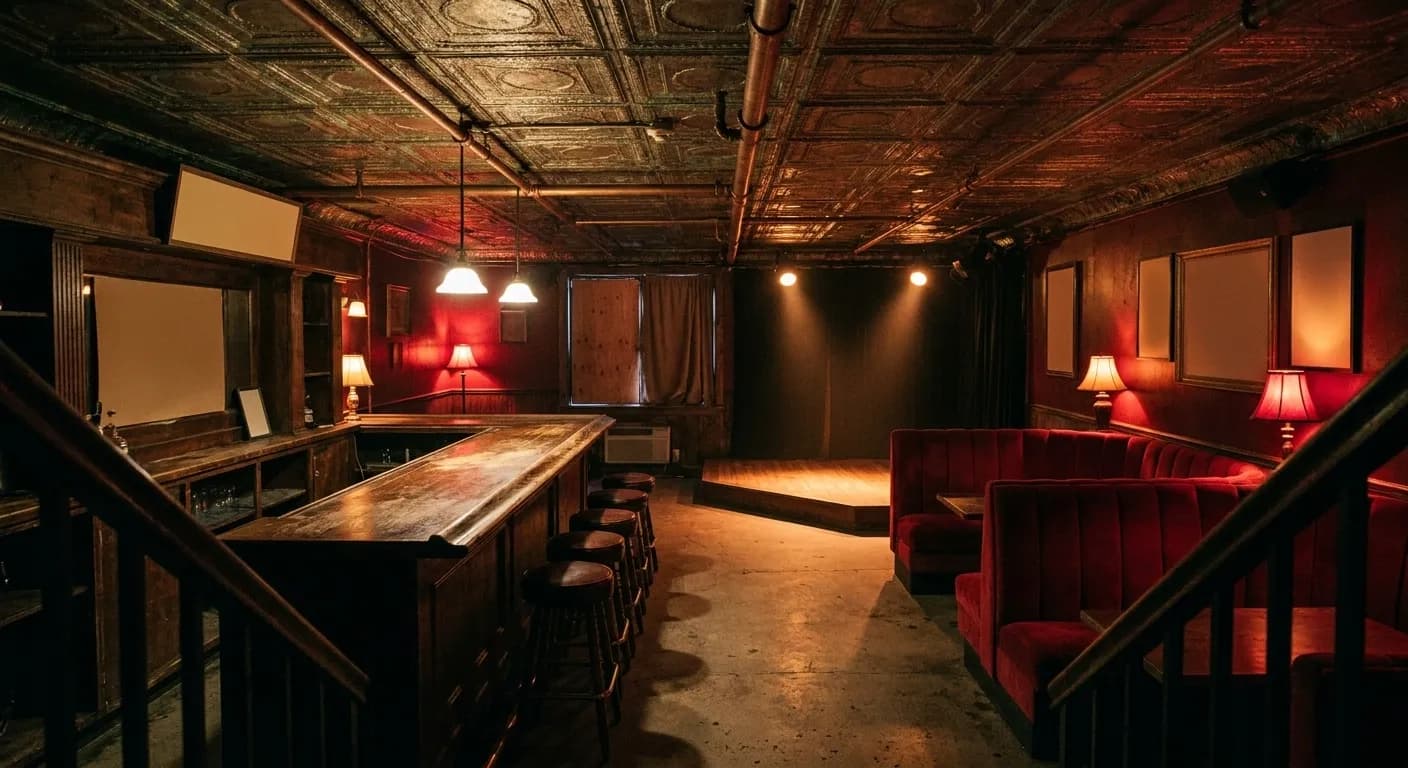
The stretch of York east of Avenue 50 holds most of the neighbourhood's small venues, bars with stages, and the record shops that double as show spaces. Permanent Records Roadhouse is the clearest example of the type - a record shop with a bar and a room attached, which puts in-store sets and full shows on the same premises.
The scale here is the appeal. These are rooms that hold somewhere between fifty and a hundred and fifty people, doors are low or free, and the distance between the band and the back wall is about thirty feet.
Figueroa runs the bigger and older rooms
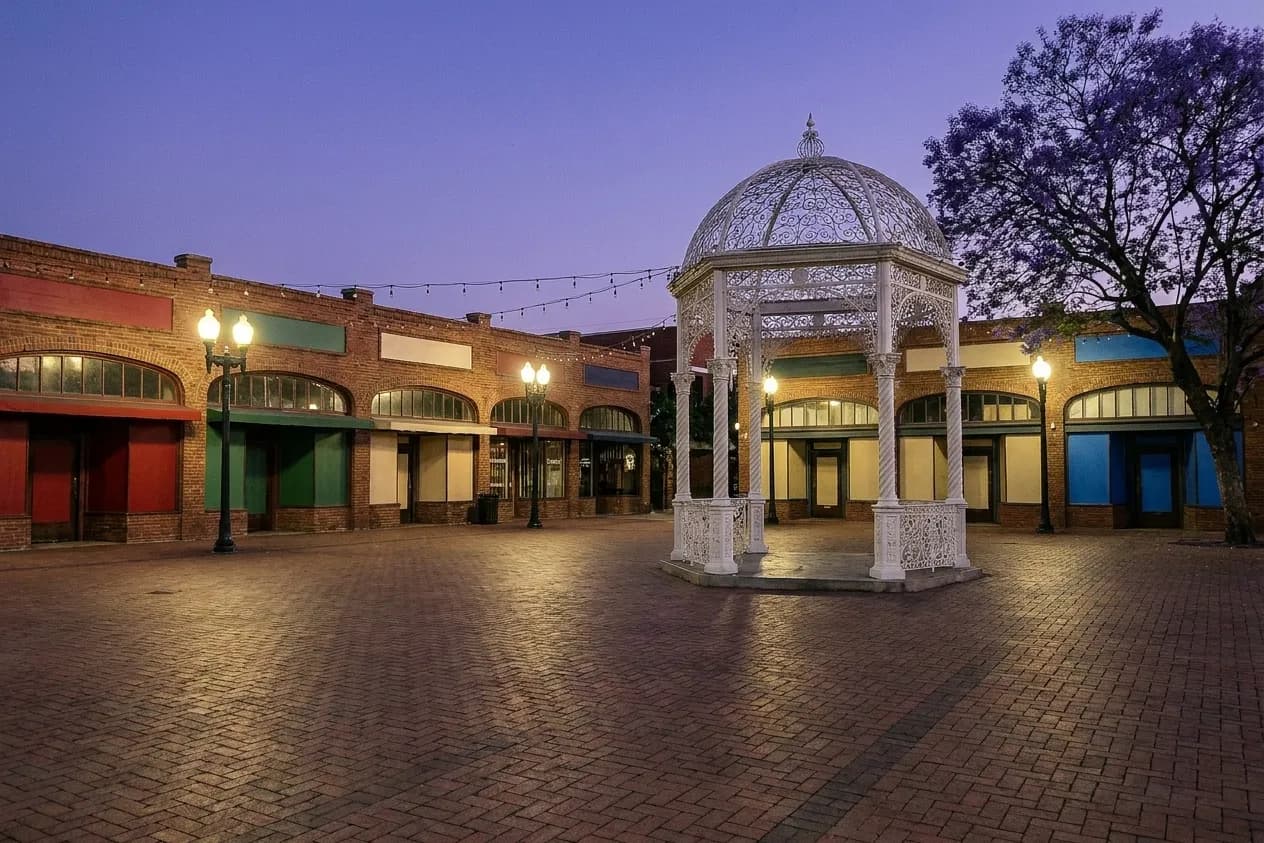
North Figueroa carries the neighbourhood's larger and longer-standing venues, including Highland Park Bowl - a restored bowling alley from the 1920s that operates as a bar and music room as well as a functioning alley, and which is worth walking into regardless of what is booked.
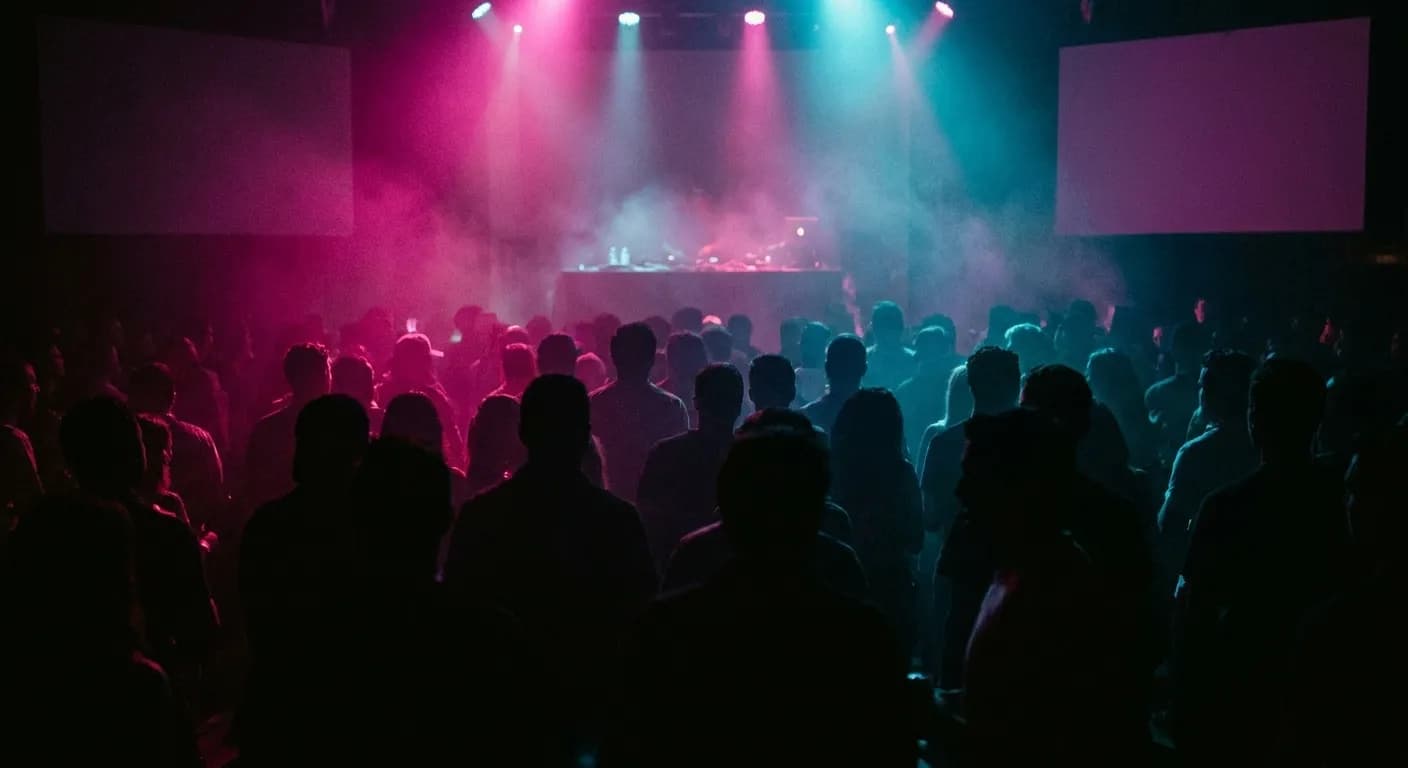
The programming on Figueroa tends towards DJs, residencies and events rather than touring bands, and the rooms are more likely to have a cover and a queue on a weekend.
In-store sets are the underrated format
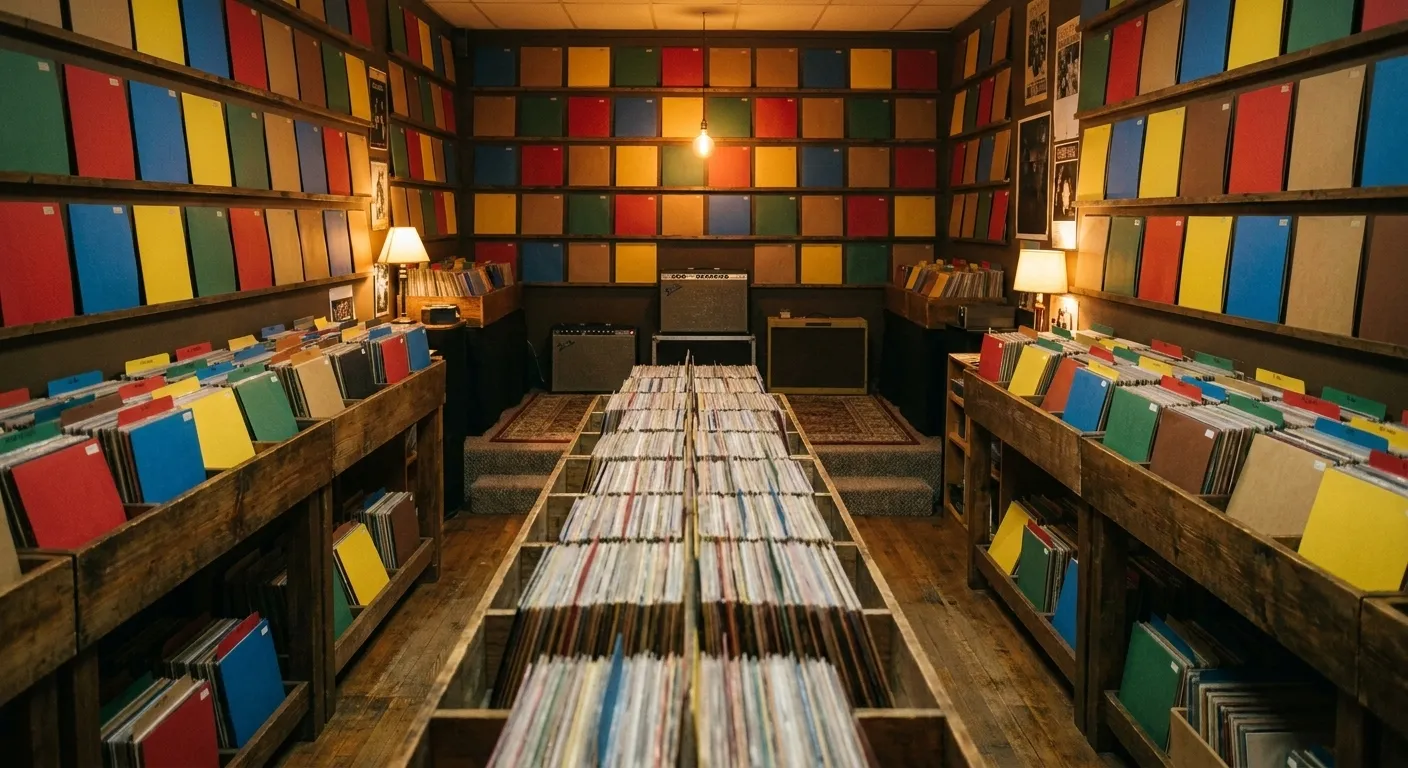
Record shops in northeast Los Angeles put on free in-store performances with more regularity than almost anywhere else in the county. They happen early - typically between five and eight - they are free, they last forty minutes, and they are usually a band who is playing a proper venue later that night.
For anyone who wants live music but does not want to be out at one in the morning, this is the most efficient thing on offer in the neighbourhood. It also means a full evening can start with a free set at six and continue on foot.
How the two streets connect
The walk between York and Figueroa is roughly ten to fifteen minutes across the numbered avenues, which is enough to make it a decision rather than a stroll. Avenue 50 and Avenue 56 are the usual connectors.
The practical approach is to pick a street for the night. Trying to cover both means two walks in each direction and a lot of time spent on residential blocks; committing to one and working along it is how the neighbourhood is designed to be used.
The L line changes the night
Highland Park has its own station on the L line, which puts it a straightforward ride from downtown, Chinatown and Pasadena, and makes it one of the few LA music neighbourhoods where driving is optional. The station sits on Marmion Way, a short walk from Figueroa and a longer one from York.
Last trains are the constraint, as always. A show that ends at midnight is fine; one that ends at one-thirty is not, and that gap is worth checking before you commit to a headliner's set time.
What the neighbourhood was, and why the rooms exist
Highland Park is one of the oldest neighbourhoods in Los Angeles and much of its commercial building stock dates from the 1900s to the 1920s - which is why the venues here are odd shapes. A bowling alley, a former cinema, narrow shopfronts with deep back rooms: none of these were built as music venues and all of them work as one.
That housing stock is also why the neighbourhood changed as fast as it did. The same buildings that made it cheap made it attractive, and the music economy sits on top of a long-running argument about that. Spending money on the older businesses as well as the newer ones is the least anyone passing through can do.
Eating between sets
Both streets are strong on food and they are strong differently. York has the newer restaurants and the coffee, Figueroa has the older taquerias and the long-standing neighbourhood places, several of which run late.
The efficient move is to eat on Figueroa and drink on York, or to eat early on York and stay put. What does not work is assuming kitchens will still be serving after a show - most of the neighbourhood's restaurants close well before the bars do.
Cover, cash and small-room reality
Doors here run from free to modest, and several of the smaller rooms still take cash at a table by the entrance. Advance tickets exist for the bigger bookings and are rarely necessary for a weeknight.
These rooms operate on thin margins and the band is frequently being paid from the door and the merchandise table. Buying a record at the shop that hosted the set, or from the table at the back, is the mechanism that keeps the format going.
Tags: #LiveMusicNearMe #HighlandPark #YorkBoulevard #LosAngeles #NortheastLA #RecordStore #BarsAndNightsOut #LAMusic #LiveMusicLA #LAGuide
All trademarks are the property of their respective owners.
Ask Karpo first
Highland Park has two night streets and the bands are mostly on one of them. Ask Karpo which room has something booked near you tonight.