Boyle Heights and East Los Angeles have been producing bands for seventy years, and the lineage is not obscure - it runs from the Eastside sound of the 1960s through Los Lobos and out into everything from punk to cumbia to the current wave of bands who switch between Spanish and English inside a single verse. What is less well known is that the infrastructure is still standing. There are bars on First Street, a plaza where musicians have waited for work since the 1930s, and a network of cultural spaces and backyard shows that book live music most nights. Almost none of it is expensive and almost none of it is listed where visitors look.
Eastside shows are announced late, often on the day, and the good ones sell out a room that holds sixty people. Tell Karpo which night you are free and where you are coming from, and it will find what is actually booked rather than what has a permanent listing.
Mariachi Plaza is a labour market, not a stage
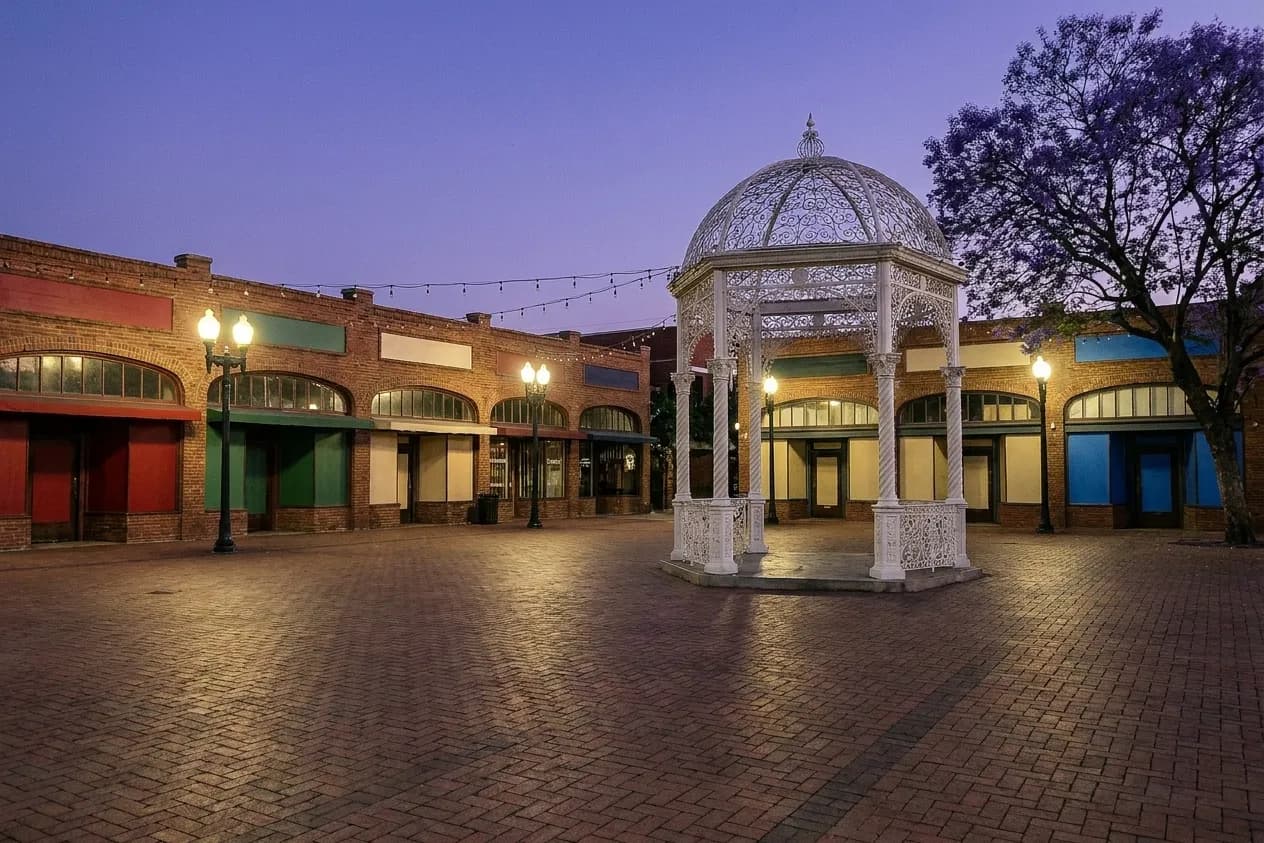
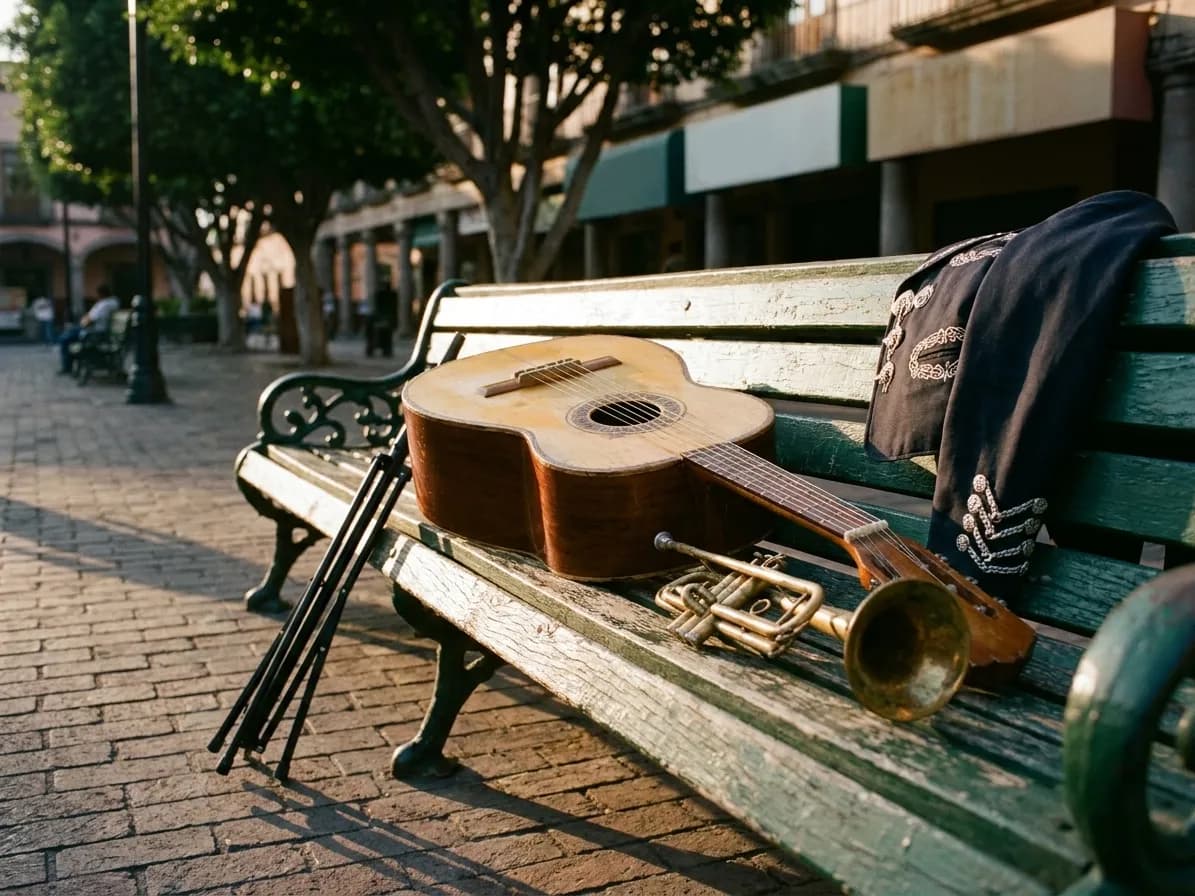
The plaza at First and Boyle has functioned since the 1930s as a hiring place: mariachi musicians wait there in uniform and are engaged for parties, weddings and funerals. It is a working institution rather than a performance venue, which is the thing most visitors misunderstand about it.
That said, music happens there constantly - musicians warming up, informal playing, and a programme of scheduled events in the kiosk. The respectful way to experience it is to sit, listen, and if you want a song, to negotiate and pay for it as you would for any other work.
The First Street bars
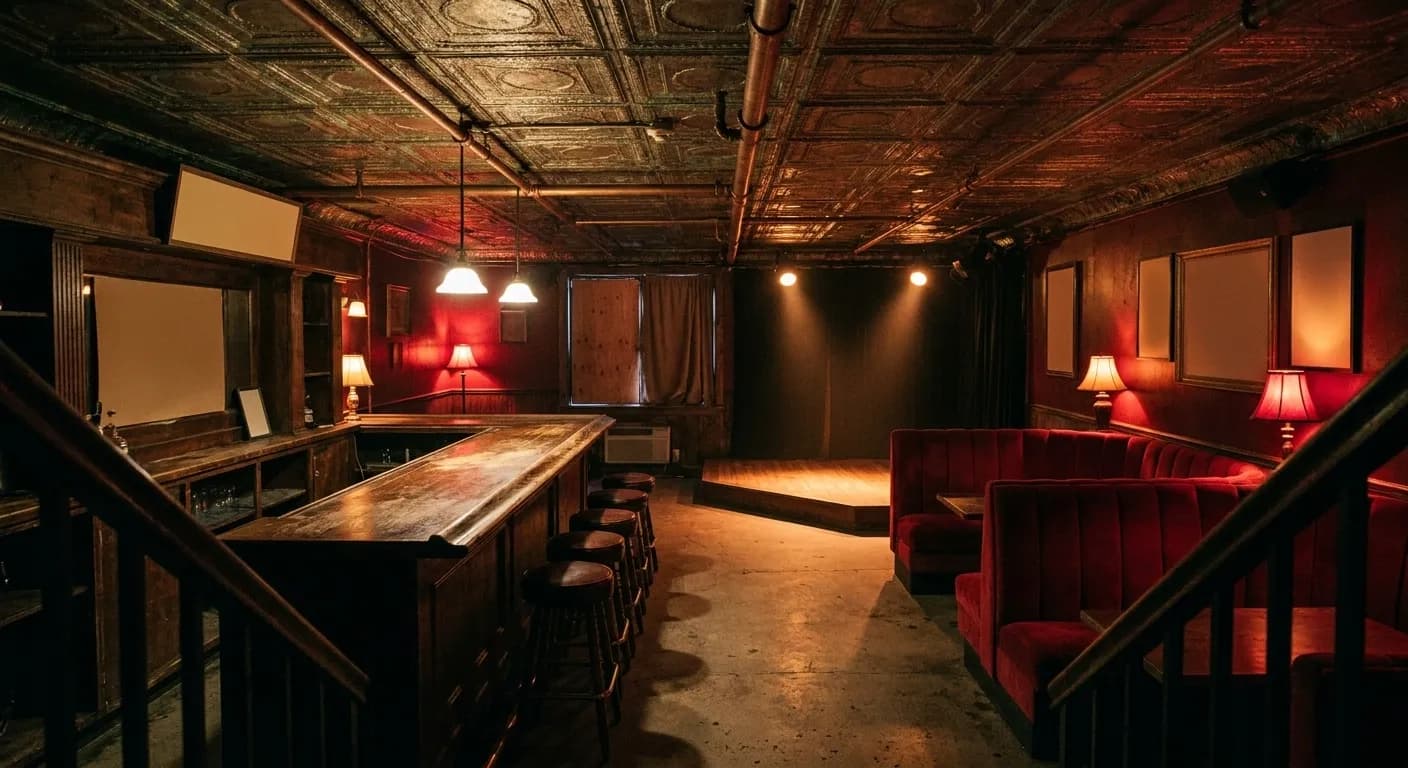
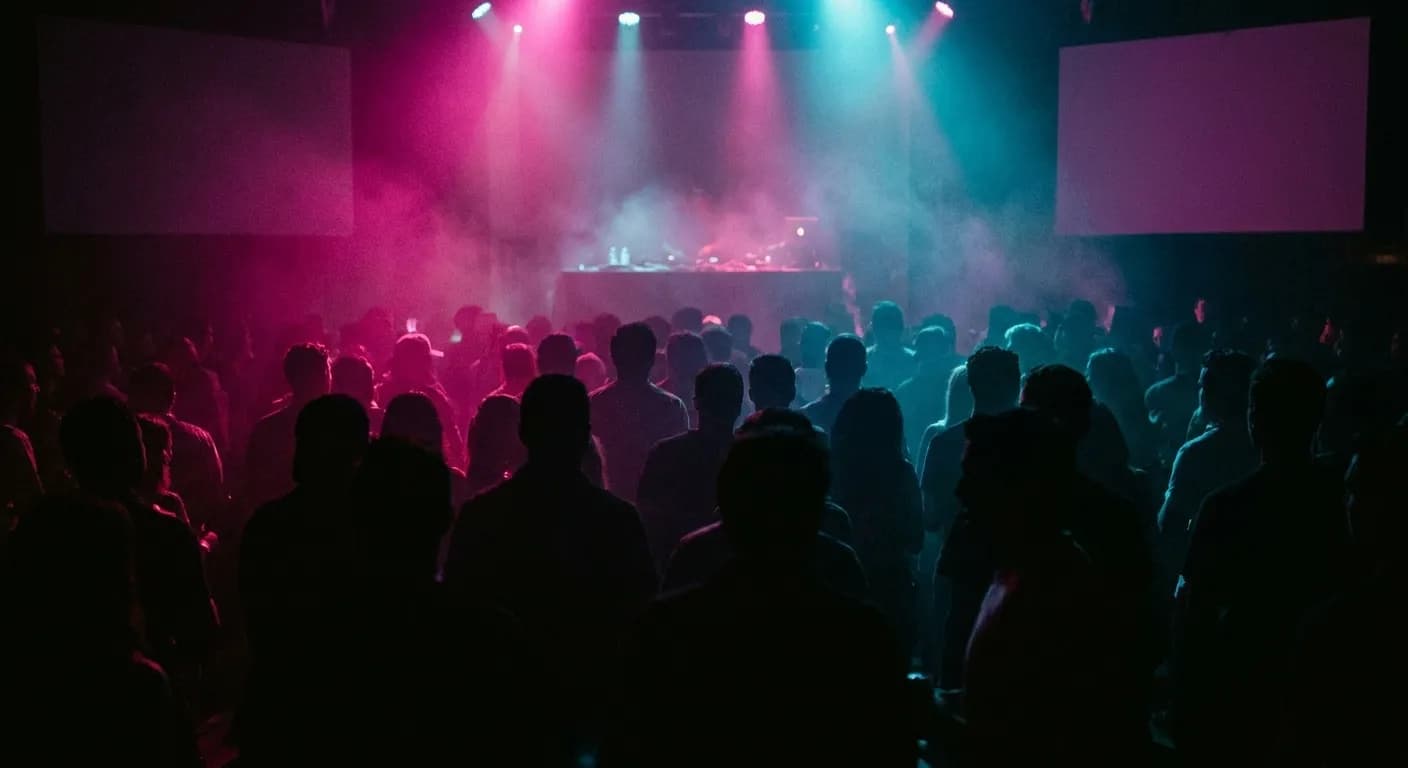
The stretch of First Street around the plaza holds the neighbourhood's bar culture, and several rooms there run live music and DJ nights through the week. Eastside Luv is the best known and has been central to the neighbourhood's nightlife for years, mixing live sets, karaoke and DJs in a small room.
The character of these rooms is specific: small, mixed in age, loyal in clientele, and musically broad in a way that a genre-focused venue is not. A single night can move from a cumbia set to a rock band to a DJ playing oldies, and the room stays.
What bilingual actually means on a bill
It is not translation. The bands working here move between Spanish and English within songs and within sets, and the musical vocabulary moves with them - a cumbia rhythm under a garage-rock guitar, a corrido structure with a punk tempo, a soul ballad sung half in each.
This is not a novelty and it is not new; it is the continuous thread from the Eastside sound of the sixties onwards. Turning up expecting either a Mexican regional show or an indie rock show will produce a confusing evening. Turning up expecting both at once is accurate.
Cultural spaces and the all-ages question
A significant share of Eastside music happens outside bars entirely - in cultural centres, print workshops, community spaces and galleries, several of which have run all-ages shows for decades. Self Help Graphics is the anchor of that tradition and programmes music alongside its print and visual arts work.
For anyone under twenty-one, or anyone who does not want a bar night, this is the more useful circuit. Doors are earlier, prices are lower or donation-based, and the audiences are broader in age than any bar.
The backyard tradition
Backyard shows are a genuine and long-standing part of Eastside punk and rock, and they are exactly what they sound like: a band, a generator, a garage, and a hundred people. They are announced by word of mouth and increasingly through social accounts, and they are not advertised to outsiders.
The etiquette if you find yourself at one is simple - it is somebody's house. Contribute to the hat, do not park across driveways, and leave quietly. The neighbours are the reason the tradition survives or does not.
What the neighbourhood is arguing about
It would be dishonest to write about nightlife in Boyle Heights without noting that the neighbourhood has spent the last decade in an open argument about who its bars and galleries are for. Displacement pressure is real here, protests have targeted specific venues, and residents hold genuinely different positions on it.
The practical version for a visitor is to spend money at the long-standing businesses rather than only the new ones, to go to the cultural spaces as well as the bars, and to treat the neighbourhood as somewhere people live rather than a night-out district. It is not a complicated ask and it is the difference between being a guest and being traffic.
Getting there and back
The E line runs through Boyle Heights with stations at Mariachi Plaza, Soto and Pico/Aliso, which makes this one of the more transit-accessible night-time neighbourhoods in Los Angeles. From downtown it is a few minutes.
Service thins after ten and the last trains are earlier than the last sets, so the realistic plan is either an early night on rail or a car. Parking around First Street is street parking and it is findable on a weeknight and difficult on a Saturday.
Eating around a show
This is one of the better neighbourhoods in the city to eat before or after music. The taquerias and mariscos counters around First Street and Cesar Chavez run late, prices are low, and several of them are within a two-minute walk of the bars.
The standard sequence is dinner at nine, a show at ten-thirty, and something from a truck at one in the morning. It is a considerably cheaper night than the equivalent anywhere on the Westside and the music is generally better.
Tags: #LiveMusicNearMe #BoyleHeights #EastLA #LosAngeles #MariachiPlaza #ChicanoRock #BarsAndNightsOut #LAMusic #Eastside #LiveMusicLA
All trademarks are the property of their respective owners.
Ask Karpo first
The Eastside has been making Los Angeles music for seventy years and still books it nightly. Ask Karpo what is playing near you there tonight.