 Haaland Has Seven Goals and Norway Runs Entirely Through Him
⚽️2026 FIFA WORLD CUP

Little Portugal Toronto After Dark: A World Cup Fan Culture Guide
Little Portugal on Dundas West becomes Toronto's football heart during World Cup season, with bakeries, bars, and streetcar-side watch parties.
The Geography of a Football Neighborhood
Little Portugal stretches along Dundas Street West between Bathurst and Dufferin, a corridor where the 505 streetcar rattles past storefronts painted in azulejo blue and white. The neighborhood's Portuguese community arrived in waves through the 1950s and '60s, and their imprint remains visible in the bakeries that open before dawn, the bars that keep late hours during tournament summers, and the hand-painted signs advertising bacalhau and vinho verde. It's compact enough to walk end-to-end in fifteen minutes, dense enough that you'll pass three places serving custard tarts in a single block.
In Toronto for the games? Ask Karpo how to experience Little Portugal's fan culture after dark.
The district sits west of Trinity Bellwoods Park and north of the rail corridor that feeds into Union Station, making it a quick ride from downtown but distinct in character—less polished than King West, more residential than Queen Street, with a rhythm set by shift workers, families, and the kind of regulars who have claimed the same cafe table for twenty years. During World Cup years the neighborhood's identity sharpens: flags appear in windows, outdoor screens multiply, and the sidewalks fill with people who understand that football is best experienced collectively, loudly, and with something cold in hand.
BMO Field, home to Toronto FC, sits south of the core at Exhibition Place—a fifteen-minute streetcar ride that connects the neighborhood's grassroots energy to the city's professional football infrastructure. While BMO won't host 2026 World Cup matches (Toronto's games will be at the larger dome downtown), the stadium's presence anchors Little Portugal's football culture, a reminder that this is a city where the sport has deep roots and a neighborhood where those roots run deepest.
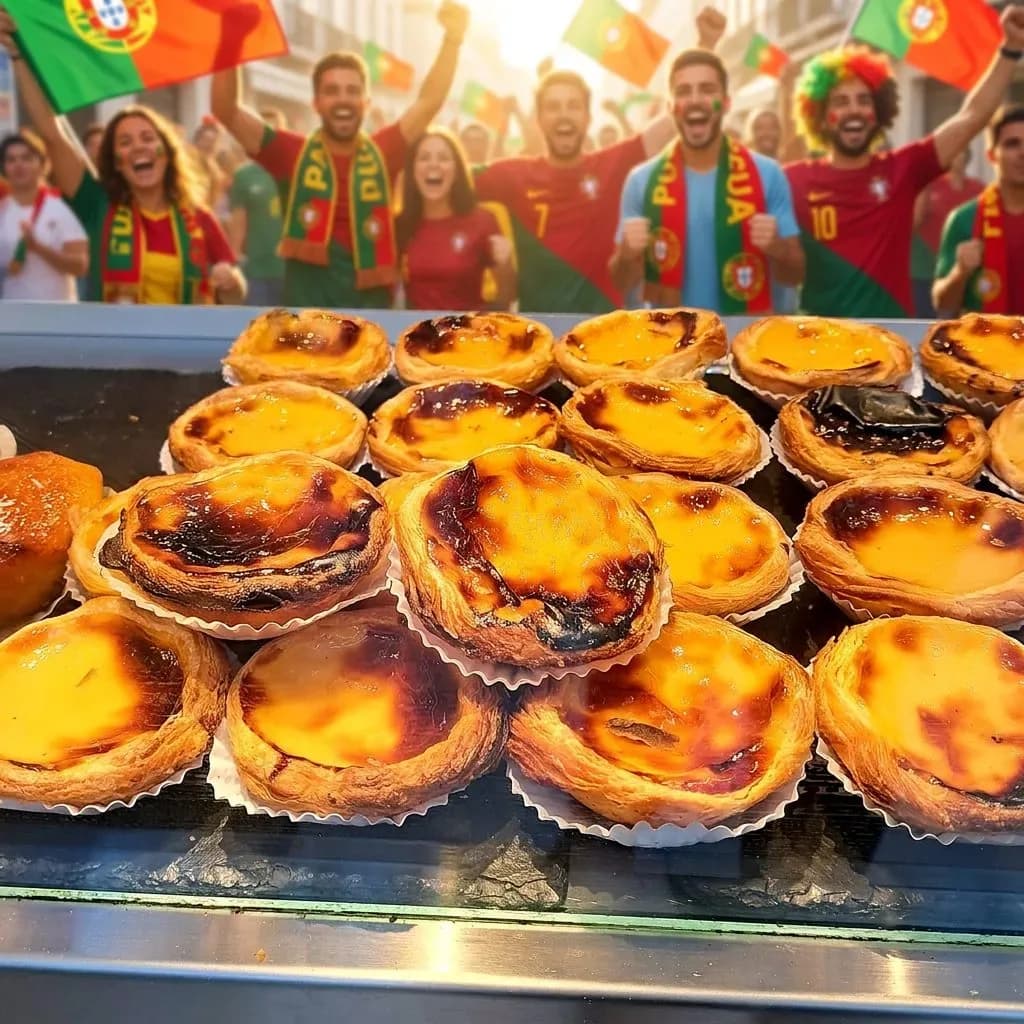
Bakeries That Open Before Kickoff
Portuguese bakeries in Little Portugal operate on a different clock than the rest of the city, which makes them ideal staging grounds for early tournament matches. A 9 a.m. kickoff in a European time zone translates to a predawn scramble in Toronto, and the neighborhood's bakeries—already firing ovens for the morning bread run—become unofficial fan zones where espresso and pastel de nata fuel the first half. The custard tarts arrive warm, their pastry shattering into buttery shards, the custard still wobbly in the center, dusted with cinnamon that clings to your fingers.
These aren't sit-down affairs with table service and printed menus. You order at the counter, pay in cash if you're smart, and claim a corner near the window where you can watch both the screen and the street. The bakeries stock simple provisions—buns stuffed with chouriço, slices of bolo de arroz, galão in tall glasses—and the atmosphere is functional, almost austere, until a goal goes in and the room erupts. Then the formality cracks, strangers shout at each other in Portuguese and English and a hybrid of both, and someone's grandmother smacks the counter with her palm hard enough to rattle the display case.
By midmorning the bakeries shift back to their everyday rhythm, but the residue of the match lingers: crumpled napkins on tables, a scarf forgotten on a chair, the smell of burnt sugar and strong coffee. If you arrive after 10 a.m. the tarts are still warm, but the electric atmosphere has dissipated, replaced by the quieter hum of a neighborhood going about its business until the next match pulls everyone back.
Bars Built for the Long Haul
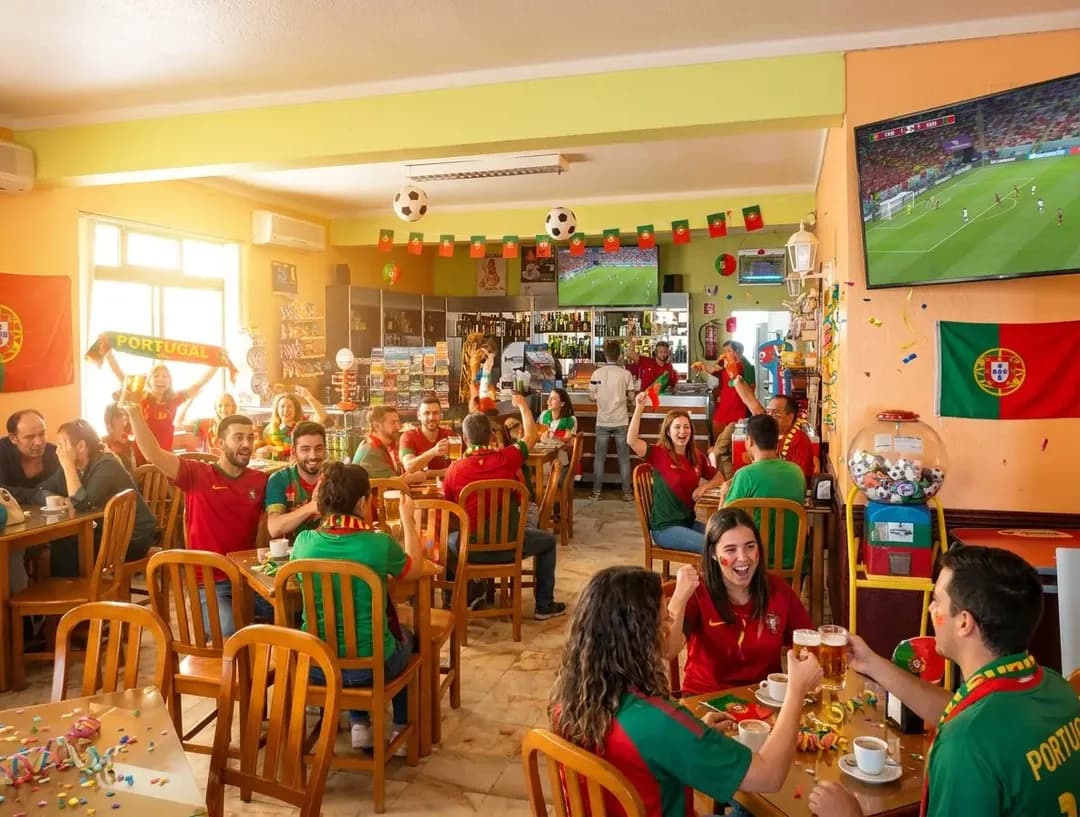
Little Portugal's bars understand that World Cup fandom is a marathon, not a sprint—a month-long commitment that demands comfortable seating, reliable screens, and a kitchen that can produce something more substantial than nachos. The neighborhood's Portuguese bars and cafes occupy a sweet spot between sports pub and community center, places where the owner knows your name, the remote control is a contested object, and the house wine comes in carafes that get refilled without asking. These are rooms with tiled floors, wood-paneled walls, and a faint smell of grilled sardines that never quite leaves.
The drink menu skews Portuguese: Super Bock and Sagres on tap, vinho verde by the glass, shots of ginjinha for moments of high drama. The food is straightforward and filling—grilled chicken, piri-piri shrimp, bifanas that arrive on soft rolls with enough grease to require a stack of napkins. During tournament season the kitchens stay open later, the tables get pushed closer together to accommodate crowds, and the volume creeps up until conversation becomes impossible and everyone just watches in collective silence or collective roar.
The best bars in Little Portugal don't advertise themselves as World Cup destinations; they simply are. They've hosted every tournament since 2006, survived the heartbreak of Portugal's near-misses, and celebrated the 2016 Euros win with a spontaneity that shut down Dundas West for an hour. In 2026, when the tournament spans three countries and 48 teams, these bars will anchor the neighborhood's watch-party culture, offering a continuity that feels increasingly rare in a city where venues rebrand and close with alarming frequency.
Streetcar Solidarity and Sidewalk Screens
The 505 Dundas streetcar becomes an unofficial fan shuttle during World Cup season, carrying supporters in team jerseys between bars, bakeries, and house parties that spill onto front porches. The TTC doesn't acknowledge this role—there are no special tournament schedules, no decorations, no announcements—but the streetcar's regular service transforms into something communal when every other passenger is wearing a scarf and checking their phone for scores. You can track a match's progress by the mood on the car: tense silence during a penalty shootout, giddy chaos after an upset, the deflated quiet of elimination.
Sidewalk screens appear in Little Portugal as soon as the weather allows, propped in doorways, mounted on patios, angled so that passersby can catch the action without committing to a full bar visit. These impromptu viewing stations create a layered experience: you might watch ten minutes outside a cafe, walk two blocks to a bakery for a tart, then catch the second half at a bar down the street. The neighborhood's density makes this kind of hopscotch viewing possible, and the streetcar stitches it all together, a rolling thread of football conversation and friendly trash talk.
The sidewalk culture peaks during evening matches, when the summer light lingers past 9 p.m. and Dundas West feels like a single extended patio. Strangers debate tactics, kids kick balls against storefronts, and the streetcar bells clang through the noise. It's chaotic and inefficient and exactly the kind of environment that makes tournament football feel like a neighborhood event rather than a televised spectacle. When the final whistle blows, the crowd doesn't disperse immediately—they linger, rehashing the match, making plans for the next one, reluctant to let the moment end.
The 2026 Tournament and Toronto's Place in It
The 2026 World Cup runs from June 11 to July 19 across the United States, Canada, and Mexico, with 48 teams competing in an expanded format that stretches the tournament to 39 days. Toronto will host matches at the downtown dome, but Little Portugal's role will be less about proximity to the official venues and more about providing a neighborhood-scale alternative to the stadium experience. Not everyone can afford tickets, navigate the logistics, or stomach the crowds—but everyone can find a seat in a Dundas West bar, a tart in a bakery, or a spot on the sidewalk where the streetcar rolls past and the screen is visible.
The tournament's final on July 19 takes place at MetLife Stadium in East Rutherford, New Jersey, with no on-site parking and no tailgating—fans will rely on official shuttles or NJ Transit rail, and the event will feature the first-ever World Cup final halftime show, curated by Chris Martin and featuring Madonna, Shakira, and BTS. For those watching from Toronto, Little Portugal offers a more grounded experience: no wristbands required, no shuttle schedules to coordinate, just the familiar rhythm of a neighborhood that has been hosting football watch parties for decades.
The expanded format means more matches, more teams, and more opportunities for Little Portugal to flex its fan culture muscles. Underdogs will advance further, group stages will stretch longer, and the neighborhood's bars and bakeries will adapt, staying open later, stocking more beer, and making room for fans of nations that have never qualified before. It's the kind of tournament that rewards endurance, and Little Portugal has always specialized in the long game.
Grilled Sardines and the Rituals of Summer Football
Grilled sardines appear on Little Portugal menus every June, a seasonal marker that coincides with tournament football and the neighborhood's summer festival calendar. The fish arrive whole, charred and glistening, served with boiled potatoes, a wedge of lemon, and bread to soak up the oil. Eating them is a tactile, messy process—you peel back the skin, navigate the bones, and accept that your fingers will smell like smoke and salt for the rest of the evening. It's the kind of food that demands attention, which makes it perfect for halftime or post-match meals when the adrenaline is still high and conversation is loud.
The sardine tradition ties Little Portugal's football culture to a broader Portuguese summer ritual, one that plays out in Lisbon and Porto and small coastal towns where June means street parties, grilled fish, and late nights. In Toronto the ritual adapts: sardines are grilled on restaurant patios rather than cobblestone streets, and the soundtrack is a mix of fado and sports commentary. But the spirit holds—food as a communal act, summer as a time for gathering, football as the organizing principle that brings everyone to the table.
During the 2026 World Cup, when the tournament stretches into mid-July and Toronto's summer is in full swing, the sardine-and-football pairing will feel especially right. The neighborhood's restaurants will grill fish until the charcoal runs out, the bars will pour wine until the taps run dry, and the streetcar will keep rolling, carrying fans home with full stomachs and hoarse voices, already planning where they'll watch the next match.
Practical notes
- Take the 505 Dundas streetcar west from Bathurst Station; most bars and bakeries cluster between Ossington and Dufferin.
- Arrive early for morning matches—bakeries open by 6 a.m. but fill quickly; cash speeds up counter transactions.
- Bars along Dundas West don't take reservations during tournament season; claim a table before kickoff or plan to stand.
- Pastel de nata are best consumed within two hours of baking; ask at the counter when the next batch is due.
- The 2026 World Cup runs June 11–July 19; Toronto's group-stage matches will draw downtown crowds, but Little Portugal offers neighborhood-scale watch parties throughout.
Little Portugal doesn't reinvent itself for World Cup season—it simply becomes more of what it already is, a neighborhood where football matters, where strangers become temporary allies, and where the streetcar keeps running no matter how late the match goes. The bakeries will still open before dawn, the bars will still pour Super Bock, and the sidewalks will still fill with people who understand that the best way to watch the beautiful game is together, loudly, with a custard tart in one hand and a drink in the other. When the final whistle blows on July 19, Little Portugal will exhale, clean up, and go back to its everyday rhythm—until the next tournament, the next match, the next reason to gather.
Tags: #WorldCup2026 #LittlePortugalToronto #DundasWest #TorontoFootball #PastelDeNata #PortugueseBakery #TTCStreetcar #TorontoWatchParty #NeighborhoodCulture #GrilledSardines #SuperBock #BMOField #TorontoFC #SummerInToronto #FanCulture
Please drink responsibly. Must be of legal drinking age.
All trademarks are the property of their respective owners.
Ask Karpo first
Planning your own Little Portugal football crawl—or wondering which bakery opens earliest for that 9 a.m. group-stage match? Ask Karpo first. We track the neighborhood's rhythms, know which bars have the best sight lines, and can help you map a route that hits all the right spots between kickoff and final whistle. Whether you're a longtime supporter or a curious newcomer, we'll make sure you experience Little Portugal's World Cup culture the way it's meant to be: warm, loud, and deeply communal.
Ask Karpo for more information.
Keep reading
- Haaland Has Seven Goals and Norway Runs Entirely Through Him
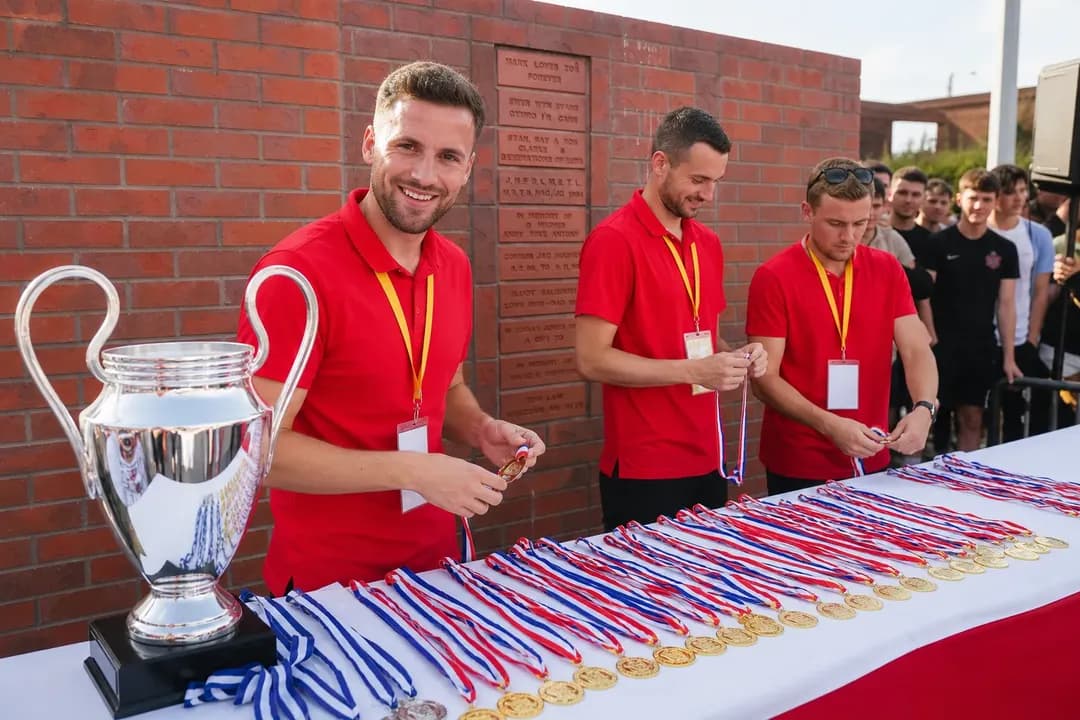 World Cup Trophy Ceremony Timing Medals and Postmatch Celebrations
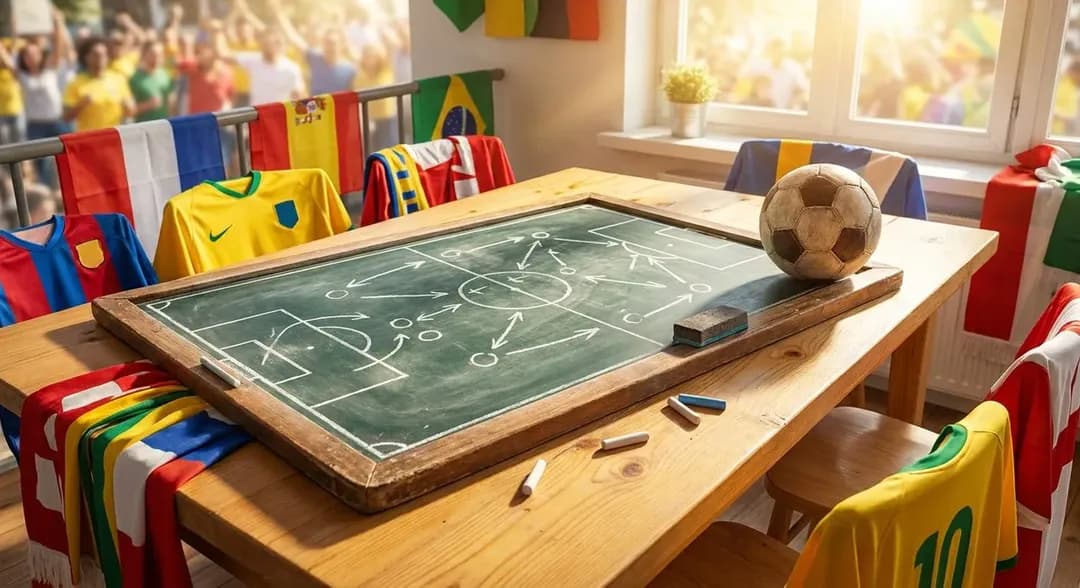 Olise and France's Attack: The Semifinal Tactical Question