 Haaland Has Seven Goals and Norway Runs Entirely Through Him
⚽️2026 FIFA WORLD CUP
Lionel Messi Joined Cafu With Three World Cup Final Appearances
The Argentine captain etched his name alongside Brazilian legend Cafu in World Cup history at MetLife Stadium. Despite Spain's extra-time victory, Messi's third final appearance cements a legacy few players will ever approach.
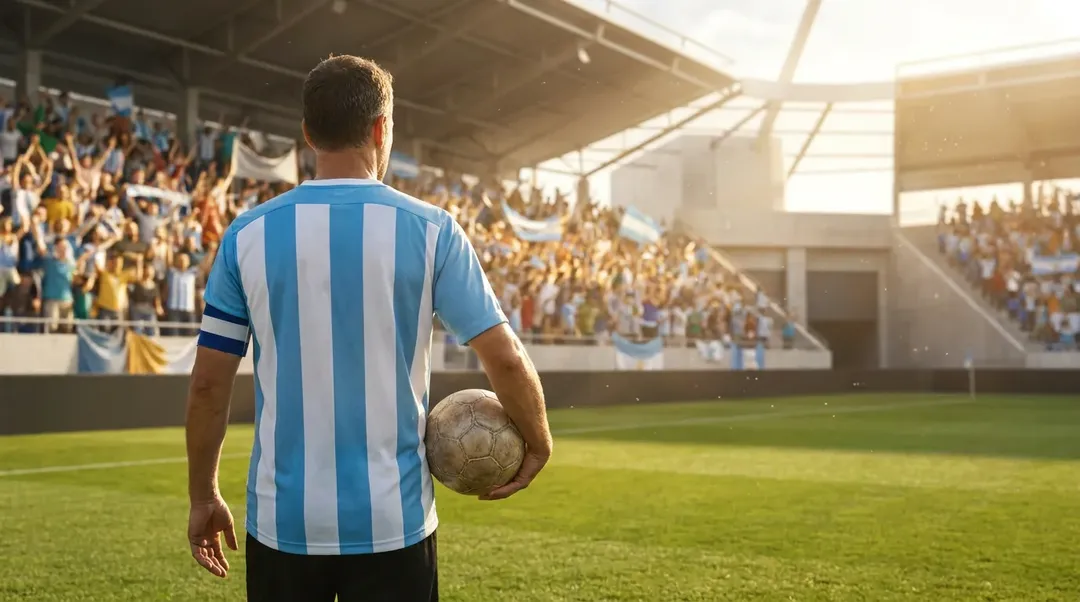
Lionel Messi made history at MetLife Stadium in East Rutherford, becoming only the second player to appear in three men's World Cup finals, according to FIFA. The Argentine captain joined Brazil's Cafu in this exclusive achievement after Argentina faced Spain in the 2026 final, which ended in a 1-0 defeat after extra time. Messi's journey to three finals spans 2014, 2022, and 2026, a twelve-year period that showcases remarkable longevity at football's highest level.
Text Karpo to explore detailed World Cup statistics, compare legendary careers, and discover insights about football's greatest tournaments and the players who define them.
An Exclusive Two-Member Club
The achievement places Messi in rarefied company. Cafu remains the only other player to reach three men's World Cup finals, appearing for Brazil in 1994, 1998, and 2002. The Brazilian right-back's run included lifting the trophy twice, in 1994 and 2002, with a runner-up finish sandwiched between. That Messi has now matched this feat speaks to both his individual brilliance and Argentina's consistent competitiveness across more than a decade of World Cup cycles.
The rarity of this accomplishment reflects the immense difficulty of reaching even a single World Cup final. Players must maintain elite performance levels across four-year cycles, avoid career-threatening injuries, remain integral to their national teams, and benefit from sufficient team strength to navigate knockout rounds against the world's best. That only two players have managed three appearances in 96 years of World Cup history underscores the achievement's magnitude.
Three Finals Across Twelve Years
Messi's first final came in 2014 in Brazil, where Argentina fell to Germany in extra time at the Maracanã. Eight years later, he captained Argentina to victory against France in 2022, finally securing the trophy that had eluded him throughout his career. The 2026 final in East Rutherford represented his third opportunity on the sport's biggest stage, though Spain prevailed with a goal in the additional period.
The twelve-year span between first and third finals demonstrates sustained excellence across different phases of a player's career. Messi appeared in his first final at 27, won his second at 35, and reached his third at 39. Each tournament required different contributions from him as both his physical capabilities and tactical role evolved, yet Argentina remained capable of reaching the final with him as a central figure throughout this extended period.
Comparing Legendary Trajectories
Cafu's three finals came in an eight-year window from 1994 to 2002, a slightly more compressed timeline than Messi's twelve-year span. The Brazilian played as a defender, a position generally associated with greater longevity than attacking roles, yet his achievement remained unmatched for more than two decades. Both players share the distinction of appearing in consecutive tournament cycles, though their pathways differed in outcome and playing style.
The comparison invites analysis of what enables such sustained World Cup success. Both players represented footballing powerhouses with deep talent pools and established winning cultures. Both maintained fitness and form across multiple four-year cycles when many contemporaries saw their international careers end. And both adapted their games as they aged, finding ways to remain indispensable even as their physical attributes changed. These parallels suggest that reaching three finals requires not just individual brilliance but also national team stability and personal adaptability.
Historical Context Beyond the Elite Pair
Several legendary players have appeared in two World Cup finals throughout history, making them part of a small but less exclusive group. Pelé won three World Cups but appeared in only two finals due to injury in 1962. Diego Maradona reached finals in 1986 and 1990. Germany's Franz Beckenbauer played in finals in 1966 and 1974. More recently, France's Kylian Mbappé appeared in both 2022 and 2026 finals while still in his twenties, suggesting he could potentially join or surpass the Cafu-Messi achievement in future tournaments.
The gap between two and three finals proves immense. Reaching a second final requires returning four years later with sufficient team strength and personal form. A third demands repeating that process again, navigating injuries, tactical changes, emerging rivals, and the natural aging process. That only two players have cleared this threshold in nearly a century of World Cup competition illustrates why this milestone carries such significance in football history.
The 2026 Final in North America
MetLife Stadium in East Rutherford provided the backdrop for Messi's historic third final appearance. The venue, located in the New York City metropolitan area, hosted the final as part of the 2026 tournament spread across the United States, Mexico, and Canada. Spain secured victory with a single goal in extra time, claiming their second World Cup title and preventing Argentina from defending the championship they won four years earlier.
The 1-0 scoreline reflected a tightly contested match that required an additional thirty minutes to decide. While Argentina's defeat meant Messi could not add a second World Cup winner's medal to his collection, his appearance itself secured his place in a historical category that may not expand for many years. The result separates his record from Cafu's, as the Brazilian won two of his three finals while Messi has won one, but both players share the distinction of reaching that third final regardless of outcome.
Legacy Beyond Trophies
Messi's achievement transcends simple win-loss records. Appearing in three World Cup finals across twelve years demonstrates consistency, durability, and sustained excellence at the international level. The 2022 victory already secured his status among the game's all-time greats, answering critics who questioned whether he could succeed with Argentina on the sport's biggest stage. The 2026 appearance adds another layer to that legacy, showing his ability to compete at the highest level well into his late thirties.
Future generations may see additional players join the three-final club, but the achievement will always remain a marker of exceptional careers. It requires talent, longevity, adaptability, and favorable circumstances across more than a decade of international football. Messi's place alongside Cafu in this exclusive group represents a fitting capstone to a World Cup career that included heartbreak, triumph, and ultimately a historical distinction that fewer than one percent of players who have ever competed in the tournament can claim.
Tags: #LionelMessi #WorldCup2026 #Cafu #Argentina #WorldCupFinal #FootballHistory #FIFAWorldCup #SpainVsArgentina #MetLifeStadium
Sources consulted: Source 1
All trademarks are the property of their respective owners.
Ask Karpo First
Whether you're tracking World Cup records, comparing legendary careers, or exploring tournament history across decades, Karpo helps you access verified statistics and context. Discover how players stack up against historical benchmarks and understand the achievements that define football's greatest competitions.
Ask Karpo for more information.
Keep reading
- Haaland Has Seven Goals and Norway Runs Entirely Through Him
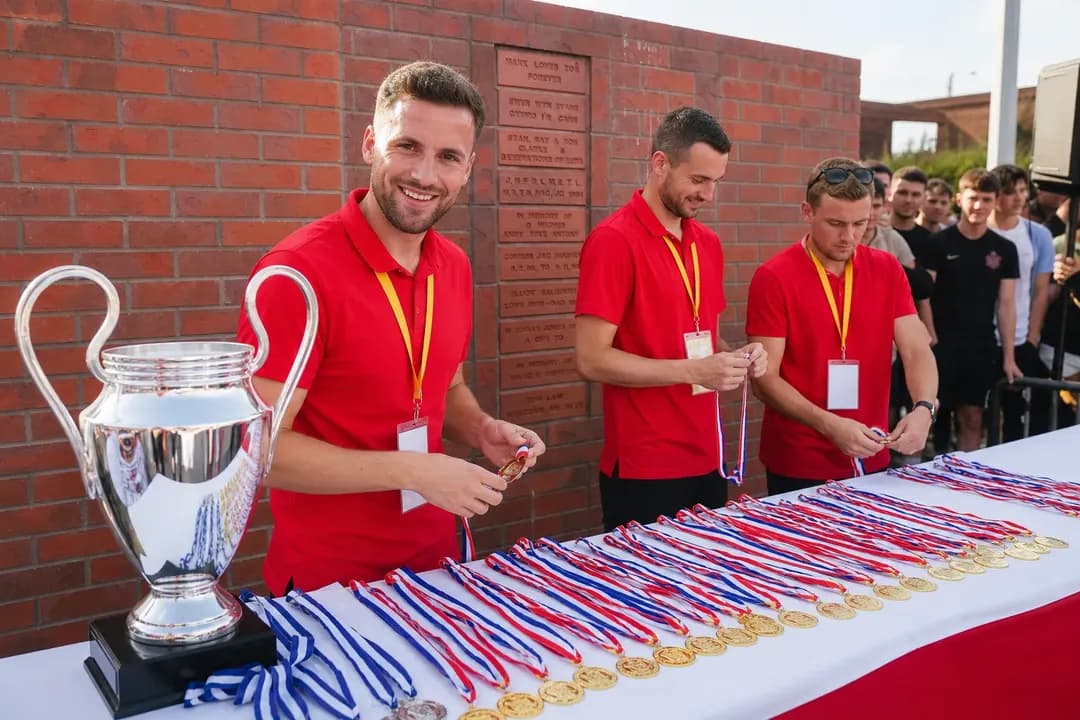 World Cup Trophy Ceremony Timing Medals and Postmatch Celebrations
 Olise and France's Attack: The Semifinal Tactical Question