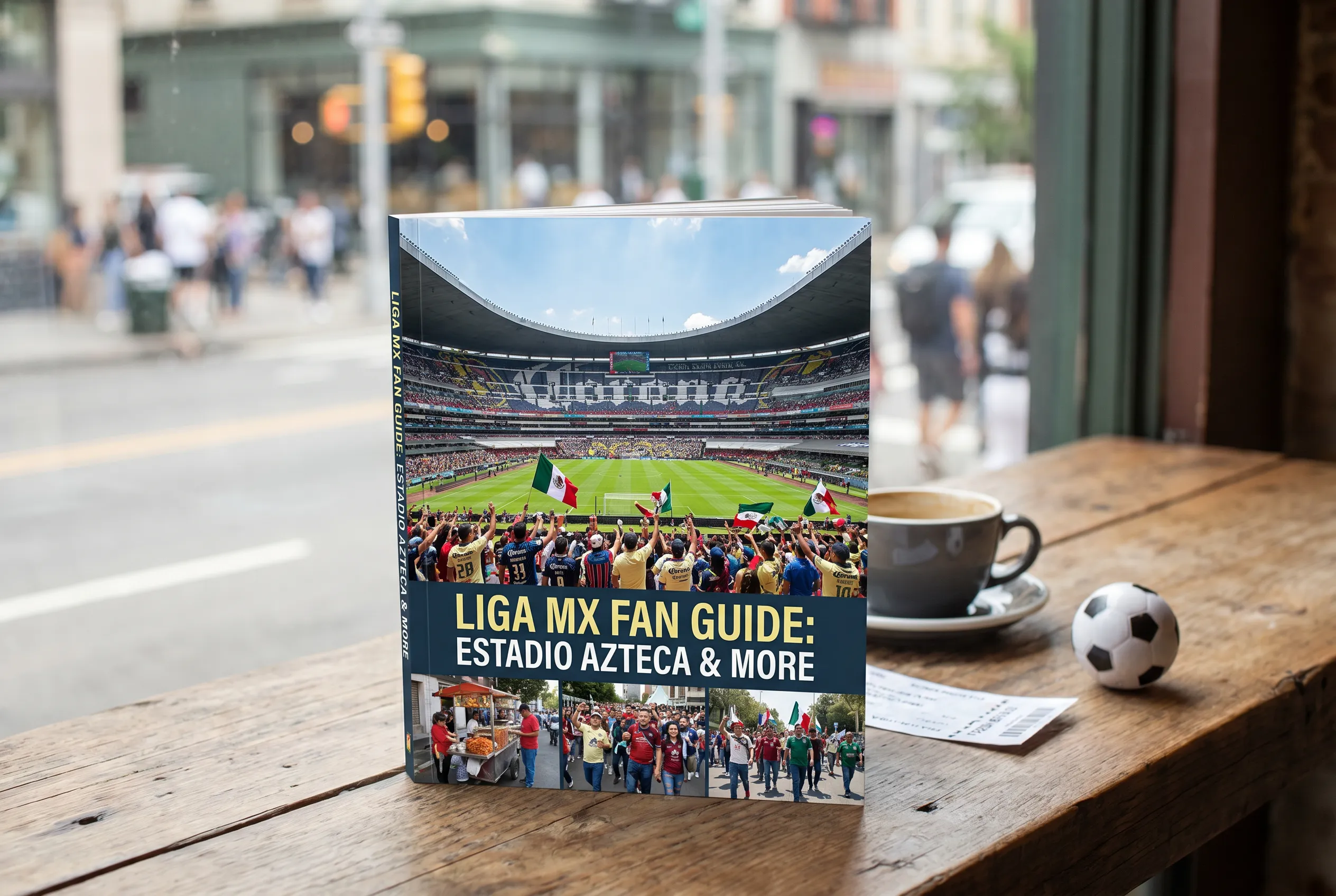
Mexico City will welcome World Cup matches in 2026 at Estadio Azteca, a venue where Liga MX clubs América and Cruz Azul have cultivated passionate fan cultures for generations. The rituals, chants, and unwritten rules that define Mexican football create an atmosphere unlike any other, and visitors who grasp these traditions will find themselves swept into an experience that extends far beyond the ninety minutes on the pitch. While FIFA events bring their own protocols, the soul of these stadiums remains rooted in decades of domestic league passion, and that energy shapes everything from pre-match gatherings to post-goal celebrations.
Planning your match day in Mexico City means navigating transport routes, timing your arrival, and knowing which neighborhoods come alive before kickoff. Text Karpo for a personalized stadium guide that maps your journey from hotel to seat, recommends where locals gather for pre-match meals, and explains the fan zones that make sense for your schedule and comfort level.
The Heartbeat of Estadio Azteca
Estadio Azteca sits in the Tlalpan borough, a venue that has hosted two World Cup finals and serves as home ground for Club América, one of Liga MX's most decorated teams. The stadium's 87,000-seat capacity creates a wall of sound when fans deploy their signature chants, and the steep stands place even upper-tier spectators close to the action. Cruz Azul also calls Azteca home, and the shared tenancy means the venue pulses with football energy nearly year-round, training staff and vendors in the rhythms of major match operations.
The altitude at 2,240 meters above sea level affects both players and fans, so visitors should pace themselves and stay hydrated throughout the day. Liga MX supporters have adapted their match-day routines to account for the thin air, often arriving early to acclimate and avoiding heavy meals immediately before kickoff. The surrounding neighborhoods of Tlalpan and Coyoacán offer quieter spaces to rest between exploring the city and heading to the stadium, a strategy locals employ during tournament stretches when multiple matches occur within days.
Match-Day Timing and Transport
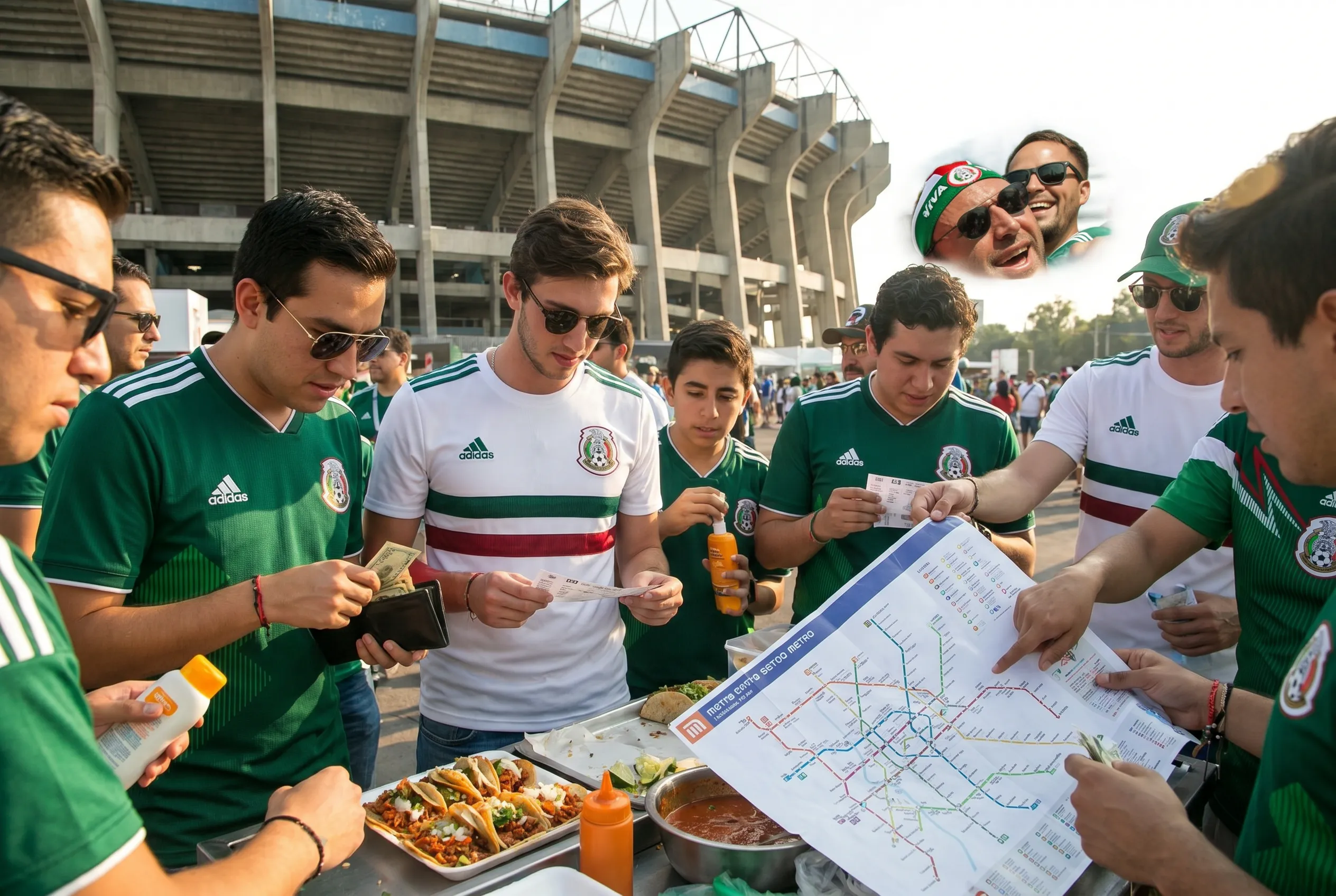
Liga MX fans typically arrive at Estadio Azteca two to three hours before kickoff, a window that allows time for security checks, finding seats, and soaking in the pre-match atmosphere. The metro system's Tasqueña station on Line 2 serves as the primary access point, connecting to a light rail line that stops directly at the stadium. Weekend Liga MX matches see these trains packed with supporters wearing club colors, creating a mobile fiesta that begins long before fans reach the turnstiles.
Traffic around the stadium intensifies as kickoff approaches, and rideshare drop-offs face restrictions in the immediate vicinity. Experienced fans recommend using the metro or arriving by car early enough to secure parking in one of the official lots, which fill quickly for high-profile matches. The walk from Tasqueña station to the stadium takes about fifteen minutes and passes through vendor corridors where you can purchase scarves, flags, and snacks that fuel the match-day economy.
Food and Drink Traditions
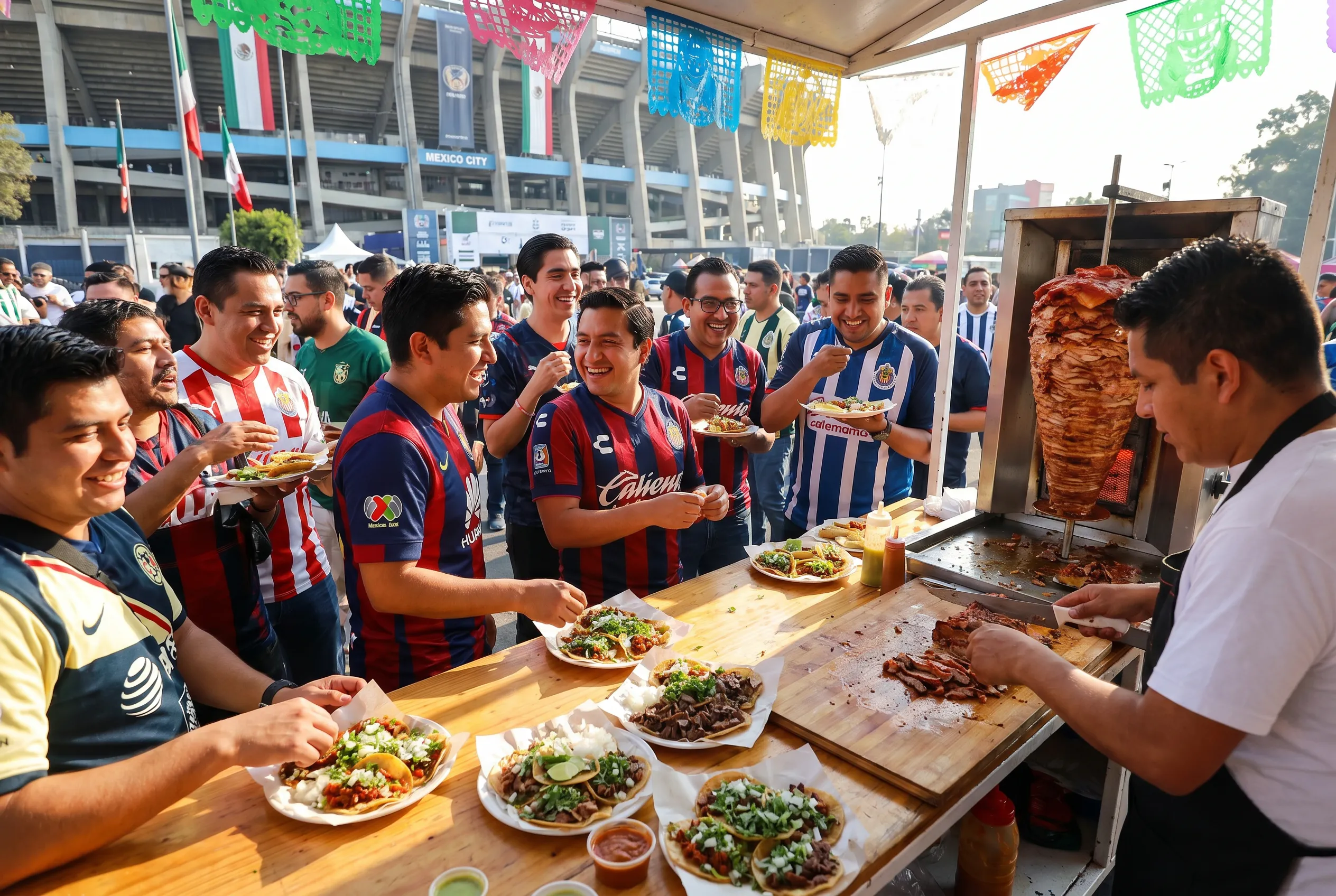
The streets surrounding Estadio Azteca transform into an open-air market on match days, with vendors grilling everything from tacos al pastor to elotes slathered in mayo, cheese, and chili powder. Liga MX supporters treat these pre-match meals as ritual, gathering in groups to eat standing up while debating lineups and predictions. The food inside the stadium leans toward standard concession fare, so many fans fuel up outside where quality and variety exceed what's available past security.
Beer sales inside Mexican stadiums follow Liga MX regulations that often restrict alcohol in certain sections or cut off sales at halftime, policies designed to maintain family-friendly atmospheres. Visitors should note that FIFA may implement its own beverage policies for World Cup matches, potentially differing from domestic league norms. The key is to observe what locals do and follow the lead of families and seasoned supporters who know which vendors offer the best value and which areas provide the most comfortable pre-match gathering spots.
Understanding Fan Sections and Seating
Liga MX matches at Estadio Azteca feature distinct supporter sections where organized fan groups known as barras lead chants, wave flags, and create choreographed displays. These sections, typically located behind the goals, generate the stadium's most intense atmosphere but also demand participation—standing throughout the match, joining chants, and moving with the crowd's rhythm. Visitors seeking a more relaxed experience should opt for seats along the sidelines, where families and casual fans enjoy clear sightlines without the pressure to perform.
The upper decks offer excellent views of the entire pitch and cost less than lower-bowl seats, a trade-off that appeals to budget-conscious travelers and those who prefer observing tactics over feeling every tackle. FIFA's ticketing structure for World Cup matches will assign seats independently of Liga MX season-ticket holder locations, but the cultural geography of the stadium persists. Locals can often identify where different types of fans prefer to sit based on decades of domestic league patterns, knowledge that helps visitors choose sections aligned with their comfort levels.
Chants, Flags, and Participation
Mexican football culture embraces call-and-response chants that ripple through the stands, with leaders in the barras initiating songs that tens of thousands of voices amplify. Visitors need not know every word to participate—clapping along, raising scarves during key moments, and joining the collective roar after goals signals respect for the traditions that make these venues special. The famous goalkeeper chant that echoes through Liga MX stadiums has drawn international attention and debate, and FIFA has worked with local federations to promote inclusive fan behavior during World Cup events.
Flag-waving and banner displays reach spectacular heights during important matches, with supporters unfurling massive tifos that cover entire sections. These choreographed moments require coordination and materials that organized fan groups prepare weeks in advance, a level of dedication that reflects how deeply Liga MX culture intertwines with personal and community identity. World Cup visitors become temporary members of this tradition, and embracing rather than merely observing the rituals creates connections that outlast the final whistle.
Post-Match Flow and Safety
The exit process at Estadio Azteca involves tens of thousands of people funneling toward metro stations and parking areas, a flow that moves steadily but requires patience. Liga MX veterans know to linger in their seats for ten or fifteen minutes after the final whistle, allowing the initial crush to dissipate while discussing the match and checking phones for highlights. The light rail back to Tasqueña runs frequently after matches, and staying aware of your belongings in crowded spaces applies the same common sense you would use in any major city's transport system.
The neighborhoods around the stadium remain active for hours after matches end, with restaurants and bars filled with fans rehashing key moments over late meals and drinks. Visitors should stick to well-lit main streets and travel in groups when possible, standard urban safety practices that local supporters follow instinctively. The energy remains festive rather than tense after most matches, and joining the slow migration away from the stadium offers a final immersion in the communal experience that defines Mexican football culture.
Tags: #WorldCup2026 #MexicoCity #LigaMX #EstadioAzteca #FanCulture #StadiumGuide #MatchDay
Sources consulted: Liga MX · FIFA Mexico City destination
All trademarks are the property of their respective owners.
Ask Karpo First
Every stadium has its own rhythm, and Estadio Azteca's pulse beats strongest when you know where to stand, what to eat, and when to arrive. Text Karpo for a customized match-day plan that accounts for your hotel location, preferred atmosphere, and comfort with crowds—we'll map the route that turns your World Cup visit into a story you'll tell for years.