 Starlite Room Union Square: Unforgettable Concerts Above Powell Street
Weekend Plans
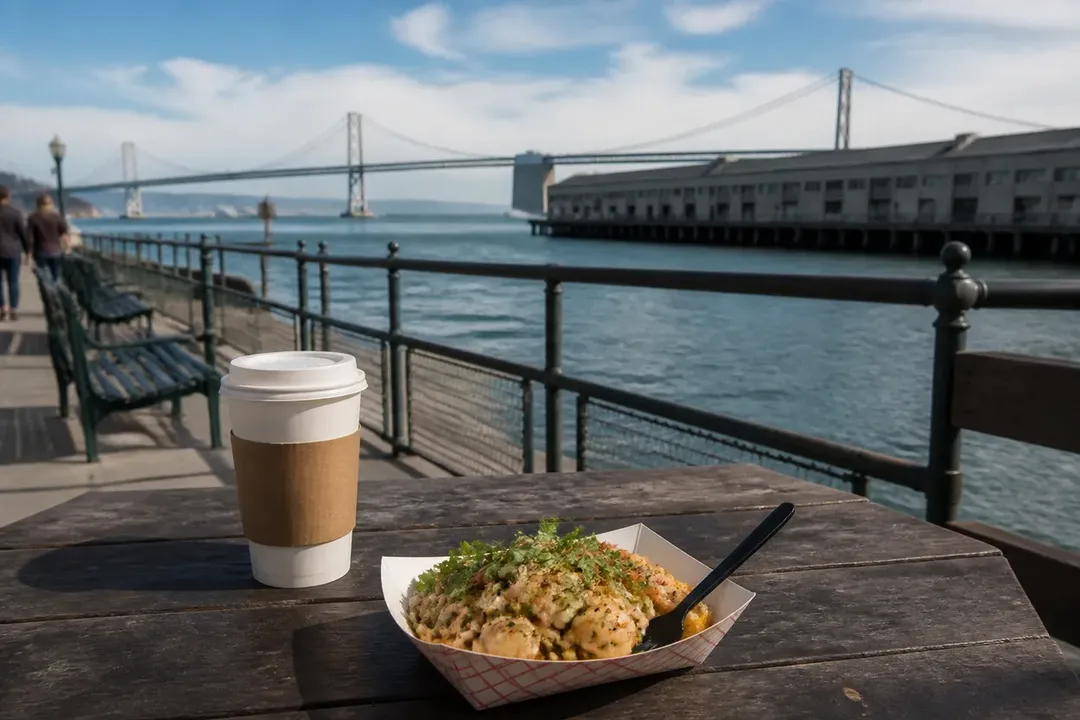
leagues cup: What to Do Around San Francisco This Weekend
A verification-first weekend route for San Francisco, using a soccer headline as a planning prompt rather than a promise.
A phrase like leagues cup can make the weekend feel urgent before the local facts have caught up. Treat it as a useful nudge, not a confirmed San Francisco event. The better move is to build a plan that works even if the headline turns out to be only a conversation starter: choose one public-space or venue anchor, check transportation before you leave, keep the route compact, and leave room for a lower-energy fallback. The official extracts here support transportation planning through SFMTA, not event claims, venue promises, prices, hours, broadcast availability, or official affiliations. That means the strongest weekend plan is practical and flexible: where to start, how to get there, what to verify directly, and when to switch plans if access, crowding, alerts, or service changes make the first idea less appealing.
Want a quick reality check before you go? Text Karpo to verify SFMTA routing, nearby access constraints, weekend timing, and backup venue choices for this exact San Francisco plan.
Separate the headline from the local plan
Start by keeping the leagues cup headline in its lane. It may explain why people are looking for sports-adjacent plans, screens, plazas, or easy group meetups, but the extracts do not confirm a San Francisco appearance, official activation, local affiliation, ticketed event, or guaranteed viewing setup. That distinction matters because the practical questions are local: where can your group actually meet, how will you get there, and what will you do if the first choice is full, unavailable, ticketed, or simply not the right mood?
A verification-first plan begins with what the official city transportation extract can support. SFMTA provides a Trip Planner with fields for starting location, ending location, and travel mode. The listed travel choices include Muni, Bike, Walk, and Drive. The same SFMTA page also points users to Muni Routes & Stops, visitor transportation, neighborhood information, projects, permits, citations, travel maps and guides, taxi information, accessibility, and Drive & Park information. Those are planning tools, not guarantees that any single itinerary will work without checking live details.
Use the trend as the theme, then make the plan independent of it. If a venue directly confirms a relevant screening or event, fine. If not, your weekend still has shape: a transportation-first meetup, one compact neighborhood sequence, one indoor or lower-energy alternative, and a clear point where you decide whether to continue or simplify.
Choose one anchor that fits the actual mood
Do not begin with five possible stops. Pick one anchor that matches the day you actually want. If the group is social and sports-curious, choose a venue only after verifying entry, seating, hours, and any screen or event directly with that venue. If the group is mixed, make the anchor a public-space meeting point near transportation and treat any sports viewing as optional. If people are tired, choose the lower-friction stop first and let the rest of the route be short.
The anchor should fit San Francisco’s transportation reality. SFMTA’s homepage supports trip planning across Muni, bike, walk, and drive modes, and it separately lists Drive & Park, Taxi, and Accessibility resources. For a weekend plan, that is more useful than assuming yesterday’s fastest route is still the right route today. A driver has to check parking and street conditions. A transit rider has to check Muni routes and stops. A walker has to consider distance and comfort. A cyclist needs a realistic route for the group.
A clean anchor decision sounds specific: choose a meeting point, enter the start and end locations in SFMTA’s Trip Planner, pick the travel mode, and check Muni Routes & Stops if transit is the main plan. Then set a backup that requires a short move rather than a fresh citywide search. That keeps the day from turning into a group chat argument on the sidewalk.
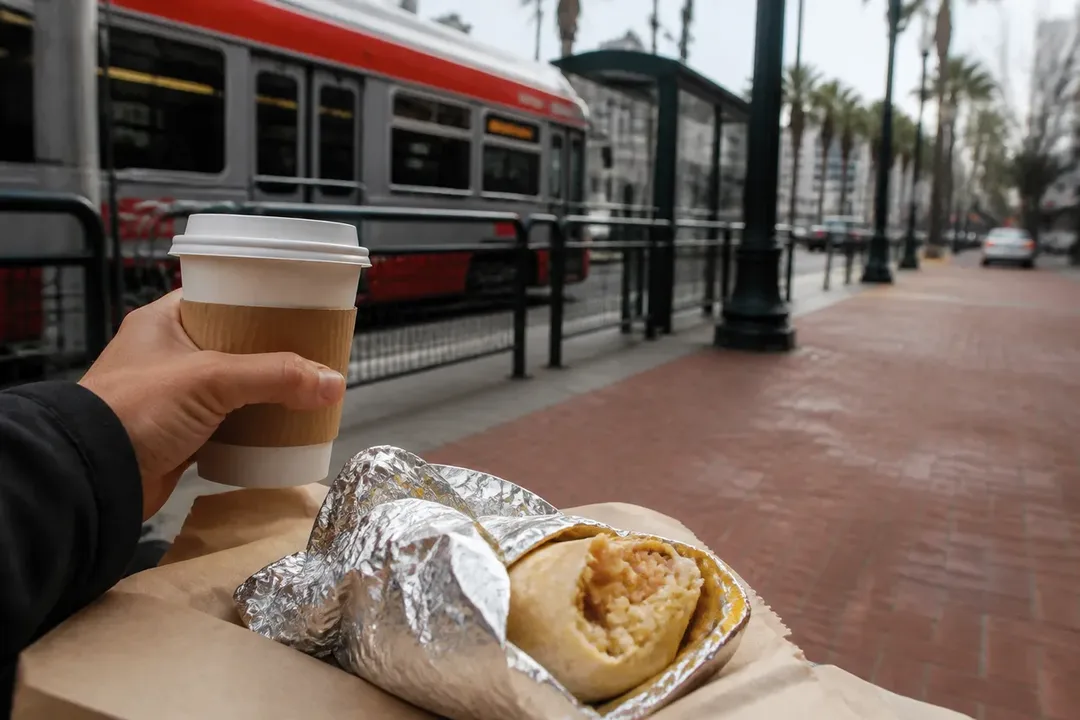
Use timing and transit to cut decision fatigue
Timing is the quiet advantage. Before you leave, use SFMTA’s Trip Planner rather than relying on memory. Enter the starting location and ending location, then choose how you want to travel: Muni, Bike, Walk, or Drive. If Muni is the main plan, check Muni Routes & Stops. If the group includes someone who needs access information, check SFMTA’s Accessibility resources before the trip begins. If you are considering driving, check Drive & Park information instead of assuming parking will be simple when you arrive.
The official SFMTA extract identifies several current planning variables. It shows an alert stating that a delay near 19th & Holloway had cleared and that inbound M Ocean View service was resuming. It also lists Outside Lands from August 7 to 9, Hayes Valley Shared Spaces on Fridays and Saturdays in August 2026, Chinatown Construction from July 30 to August 9, 2026, and Muni Service Changes starting August 29. These details do not prove your route will be disrupted, but they do support checking updates before crossing neighborhoods or depending on a tight arrival time.
Give yourself a simple timing rule: check transportation once when choosing the anchor and again just before leaving. If the route requires too many transfers, reroute around a closer area. If the destination cannot confirm access, do not spend the first half of the day traveling toward uncertainty.
Add one indoor or lower-energy alternative
The backup is not an afterthought. It is what keeps a San Francisco weekend usable when the first plan gets crowded, delayed, closed, or overcomplicated. Choose one indoor or lower-energy alternative before anyone leaves home. That could be a nearby venue you have verified directly, a quieter food stop, or a transportation-accessible neighborhood switch. The important part is not the category; it is the decision rule.
For a leagues cup-adjacent plan, the backup should not depend on a broadcast, official watch party, special promotion, reservation rule, or price unless you have confirmed it with the place itself. The extracts do not support those claims. Build the backup around supported mechanics: a start point, an end point, a travel mode, and current SFMTA information. Use the SFMTA options for Muni, walking, biking, driving, parking, taxis, accessibility, and visitor transportation to make the second choice realistic.
This is especially useful for mixed groups. Some people may want sports energy; others may only want a weekend outing with food, conversation, and a simple way home. A lower-energy alternative lets the plan bend without failing.
Keep the route small enough to enjoy
San Francisco can look compact on a map, but a weekend plan can still become slow when it has too many moving parts. A better plan uses a tight sequence: arrive by the most practical mode, spend real time at the anchor, then make one optional move nearby. That is enough. The official information available here supports checking transportation, routes, stops, projects, neighborhood information, and travel updates. It does not support assuming that every cross-town connection, parking choice, or event-adjacent move will be easy.
Use SFMTA’s mode choices as a filter. If Muni, walking, biking, and driving all look awkward for a second stop, it is probably not a good second stop. If driving requires too much uncertainty, make the route transit-first or choose a different anchor. If your plan intersects with a listed travel update, such as Chinatown Construction or Hayes Valley Shared Spaces, check the exact route before committing.
A small route also makes the weekend feel more local. You notice the block you are on. You can change pace. You can leave before everyone is exhausted. The best plan is not the one with the most stops; it is the one where each move still feels worth making.
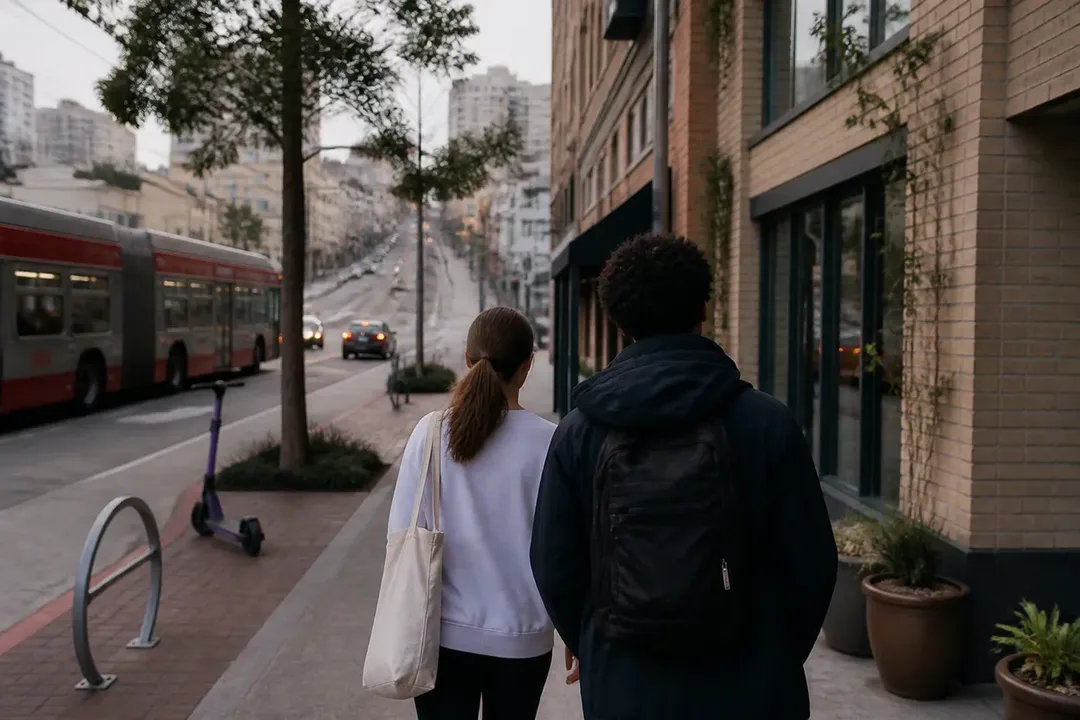
Verify live access before leaving
The final check should be blunt. Before leaving, verify venue or public-space access directly, then verify the route through SFMTA. Do not assume a trending phrase means a local event exists. Do not assume a venue is showing something because another city is. Do not assume a route is normal because it worked last month.
Use the official flow available from the extract: SFMTA Trip Planner for start and end locations, Muni Routes & Stops for transit details, For Visitors for getting around by Muni transit, bike, foot, or car, plus Drive & Park, Taxi, Accessibility, and Travel & Transit Updates. If an alert or update affects your route, adjust early. If your plan overlaps with Outside Lands on August 7 to 9, Hayes Valley Shared Spaces on Fridays and Saturdays in August 2026, Chinatown Construction from July 30 to August 9, 2026, or the Muni service changes starting August 29, give yourself more room or choose a simpler anchor.
The payoff is a weekend plan that does not collapse under a bad assumption. The leagues cup trend can supply the spark, but the city plan should rest on verified access, realistic transportation checks, and one backup that everyone understands before the first ride, walk, bike trip, taxi, or drive begins.
Tags: #SanFrancisco #WeekendPlans #LeaguesCup #Muni #SFMTA #SFTransit #HayesValley #ChinatownSF #OutsideLands #AccessCheck #PublicTransit #AskKarpo #BeforeYouGo #CityGuide
Sources consulted: sftravel.com · sfmta.com · sfrecpark.org
All trademarks are the property of their respective owners.
Ask Karpo first
Ask Karpo first when the headline is moving faster than the facts. Karpo can help check the San Francisco route, current SFMTA updates, access questions, neighborhood constraints, and a nearby backup before you spend the weekend chasing an assumption.
Ask Karpo for more information.
Keep reading
- Starlite Room Union Square: Unforgettable Concerts Above Powell Street
 Union Square Concerts: Love + Propaganda's Subterranean Rhythms Beckon
 Exotic dinner near me: Marrakech, a Tenderloin Moroccan Supper Club.