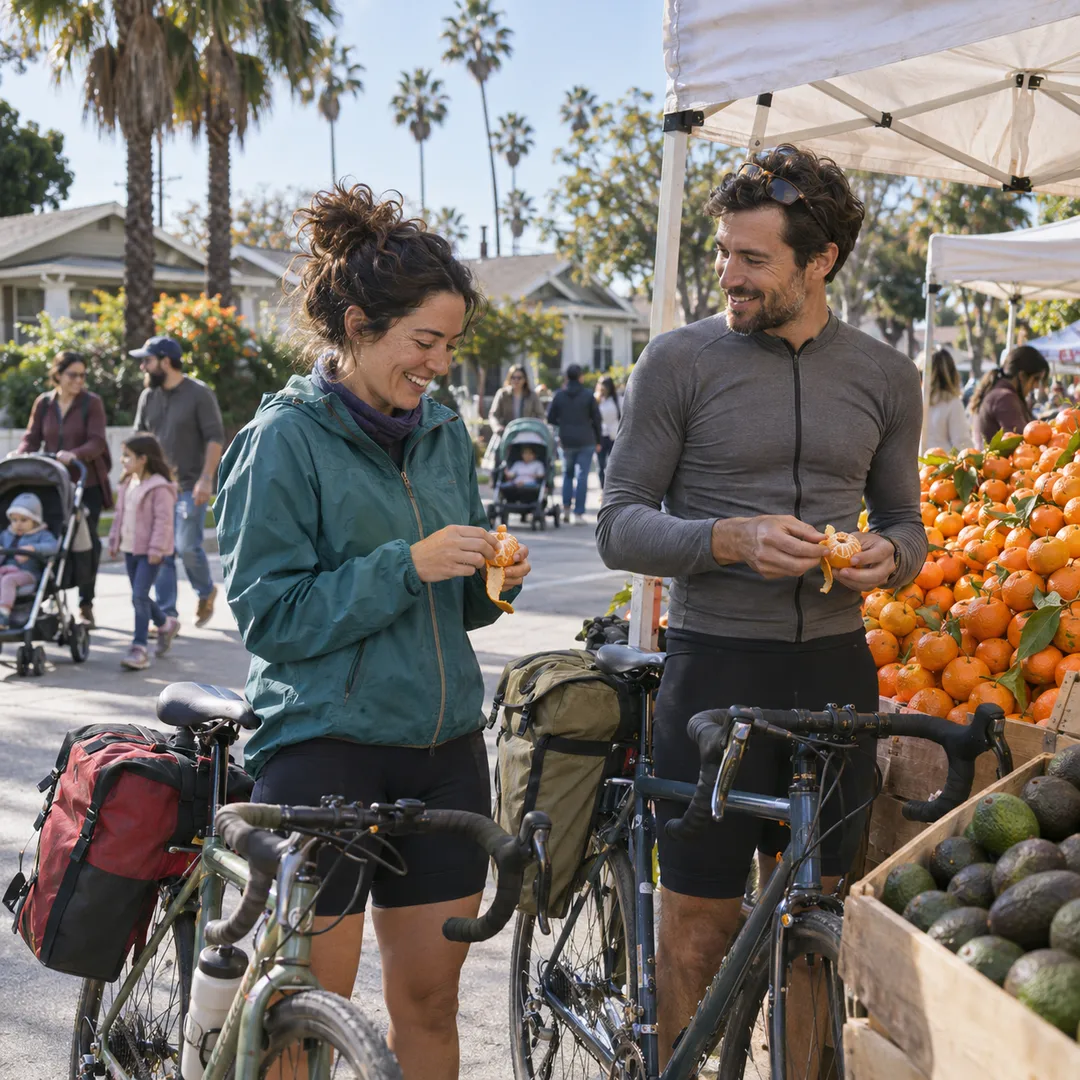
 Mar Vista Winter Farmers Market Picker for Weekend Cyclists
Weekend Plans
Zombie Escape Room Near Me: Horror Escapes LA Survival Guide
A Downtown Los Angeles guide to Horror Escapes LA at 1041 South Olive Street, Los Angeles, CA 90015, with horror-room strategy, arrival planning, practical rules, and a nearby post-game route.
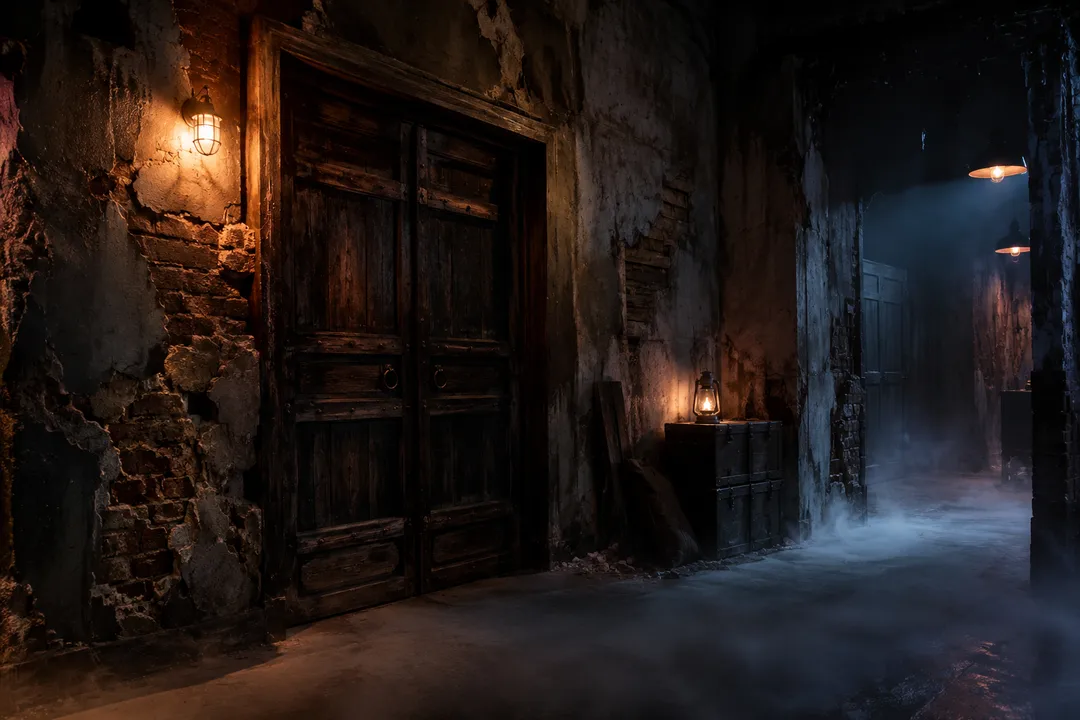
Horror Escapes LA at 1041 South Olive Street, Los Angeles, CA 90015 is a useful answer when a zombie escape room near me search really means a cinematic downtown scare with puzzles underneath. Start with the official room description rather than assuming the keyword guarantees undead characters. The venue works best for a group that wants atmosphere and problem-solving in the same appointment, then wants a practical way to leave the district without stacking another timed commitment on top.
Know When to Stop Chasing a Theory
Keep the booking holder, start time, address, and contact details in one message before leaving. Decide how late arrivals are handled and where everyone reunites after the session. Once the briefing starts, phones should leave the center of the conversation. Horror Escapes LA is built to focus attention, and the group gets more from the set when it is not constantly checking directions or debating the next restaurant.
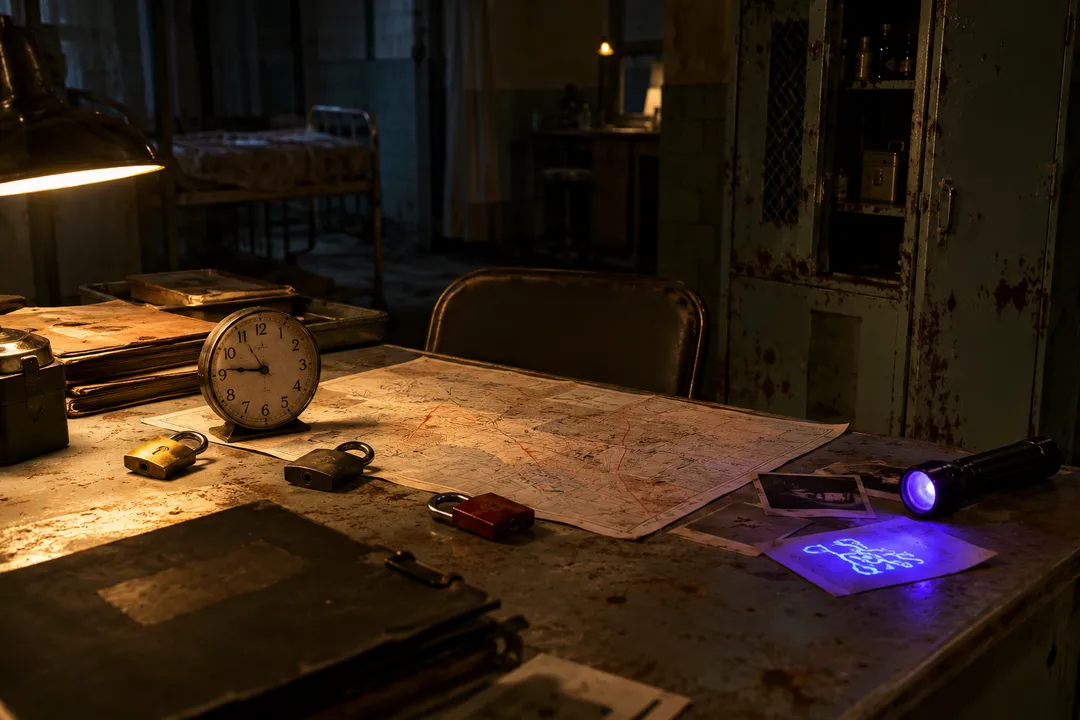
For a first visit, choose a room by official tone, arrive early, and appoint a hint advocate who can recognize when the team has stopped learning. Returning players should change who records and who speaks. The venue's best feature is the combination of theatrical pressure and a solvable problem. It works when the group lets both parts exist instead of chasing a generic zombie feeling.
The attraction fits friends who want a downtown indoor event, coworkers who like a shared challenge, and horror fans who still want something to solve. It is less suitable for anyone who wants a passive show or a spontaneous walk-in. That distinction should shape the booking. A clear expectation gives the group permission to enjoy the scare without pretending every player wants the same level of intensity.
A Better Team Plan for the Countdown
A zombie escape room near me search may lead to 1041 South Olive Street, but Horror Escapes LA is not just a keyword match. It is a South Olive appointment that asks the team to listen, separate set dressing from evidence, and leave enough time for a calm reset afterward. Bring the right people, choose the right room, and let the fictional crisis stay inside the building.
South Olive gives the outing a clear physical anchor. Put 1041 South Olive Street in the group thread, assign one person to hold the booking details, and make the meeting instruction more precise than 'near downtown.' The group should arrive with enough time for check-in and the host's rules. A late friend can be handled more easily when everyone has already agreed who stays with the booking holder and where they wait.
Horror Escapes LA is easiest to read when the team distinguishes stagecraft from evidence. A striking wall, sound cue, or distressed object may establish the story without being interactive. Let the host define the boundaries, then search methodically: one person scans, one person records, and one person tests only after the group understands what it is testing. That order keeps the room dramatic without letting the production design overwhelm the puzzle.
Choose Suspense Over a Generic Scare
Give the group a rotating control system. The person who notices visual details can lead the first search, the person with the clearest handwriting can maintain the inventory, and the calmest player can call out when the team has repeated a theory. After a reveal, switch those jobs. Horror rooms often pull attention toward the most expressive guest, but the quiet observer may be the one who remembers the line that unlocks the next step.
The room should feel intense without making the people inside it compete. Say discoveries aloud, leave solved objects in one visible place, and do not hide a clue because you want to be the one who reveals it. If a mechanism resists, stop and ask the host rather than forcing it. That preserves the set and keeps the pressure focused on interpretation, not on whether a prop will survive the session.
I would skip Horror Escapes LA for a guest who wants an open-air activity or a purely mechanical game with no cinematic tension. The attraction makes more sense when everyone accepts that sound, darkness, and set design are part of the experience. I would also avoid booking the scariest-sounding room for a friend who has not agreed to that intensity. The title is a clue about tone, not a substitute for a group conversation.
Make South Olive Work for the Group
A useful reset after a scare is to summarize the facts in plain language. What did the host say? Which object has been used? Which theory failed? That short inventory makes the next decision easier and gives a nervous player a way back into the game. If the team has spent too long on one interpretation, use a hint. Protecting the clock is part of protecting the ending.
Plan the rest of the evening around South Olive rather than trying to cover the whole city. Leave space for a meal, a short walk, or a direct rideshare after the session. A group that exits energized can keep debating the room over food; a group that exits overloaded can end the night without apology. The best Plan B is nearby and untimed, because the horror appointment already supplies enough structure.
Use 1041 South Olive Street, Los Angeles, CA 90015 as the shared destination and keep bags light. Comfortable shoes help with standing and moving, while a small water break before the briefing is more useful than carrying a crowded backpack into the room. Tell staff about comfort concerns early. A host can explain the experience before the group is committed to reacting inside the scene.
Let the most experienced escape-room player be the evidence editor, not the dictator. Their job is to connect observations, ask what supports a theory, and make space for the teammate who has not spoken. Rotate who touches mechanisms after each solved step. That keeps the room communal and gives the group a better chance of noticing a clue that is emotional, visual, or verbal rather than purely numerical.
Ask Karpo for more information.
Keep reading
- Mar Vista Winter Farmers Market Picker for Weekend Cyclists
 Downtown LA Winter Farmers Market Picker for Car-Free Hosts
 Larchmont Winter Farmers Market Picker for Kimchi-Making Day