 Mar Vista Winter Farmers Market Picker for Weekend Cyclists
Weekend Plans
LA Weekend Plan Builder: Rainy Day Plans Without the Rush
Give a Los Angeles outdoor outing an indoor alternative that preserves its purpose, with a clear switch point and less last minute reshuffling for everyone.
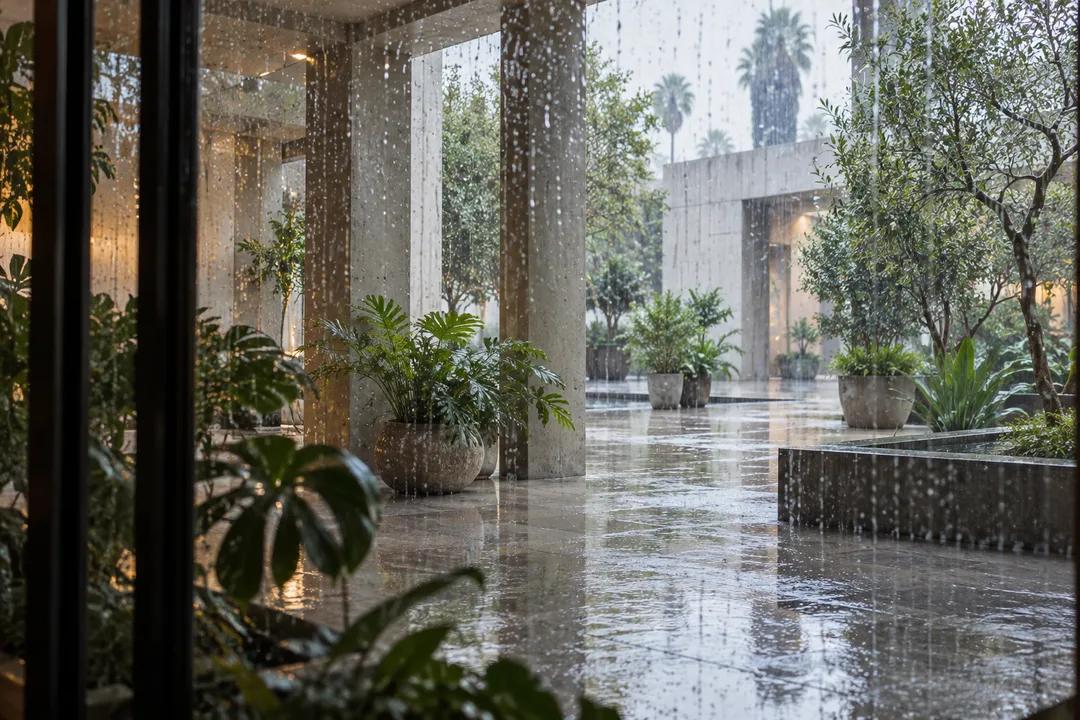
Rain changes more than the scenery of a Los Angeles weekend. A plan built around an outdoor walk can become a chain of wet transfers, crowded entrances, and hurried decisions. A weekend plan builder can help you think through an indoor alternative before the weather becomes the only thing anybody discusses. Begin by protecting the purpose of the outing. If you wanted conversation, discovery, or an easy afternoon with friends, the backup should preserve that experience while changing where it happens.
Keep the purpose and replace the exposure
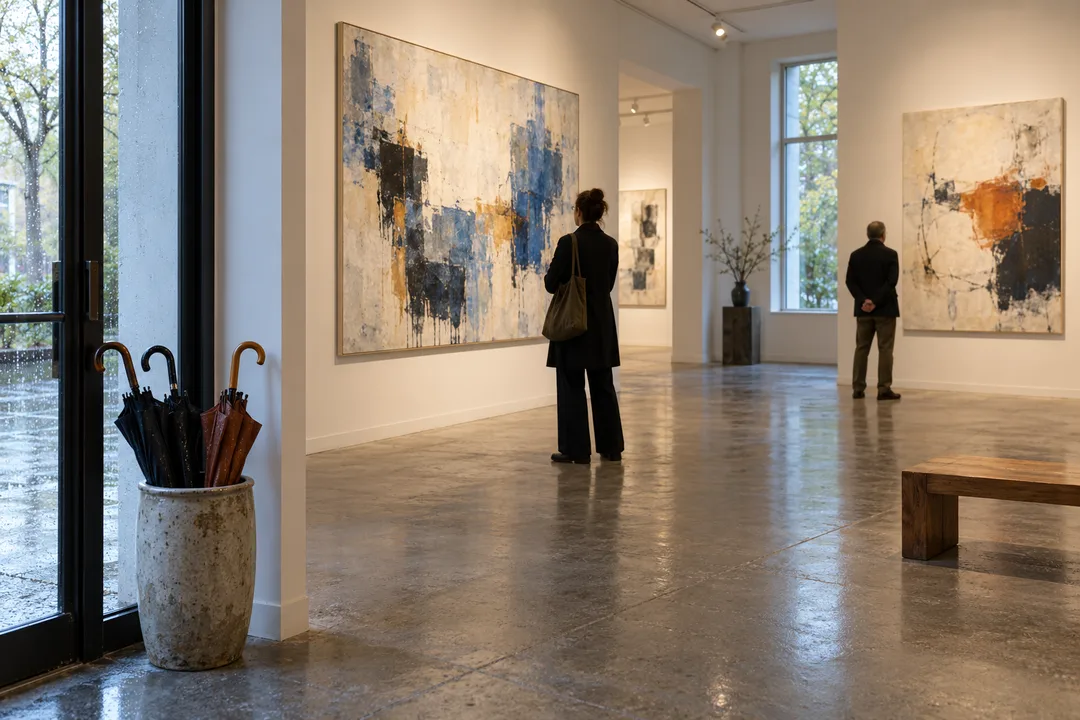
Write down what you were hoping the original outing would give you. An outdoor stroll might be about movement, but it might also be about spending time together without a formal appointment. A scenic stop might matter because it offers a change of perspective. These motives suggest different indoor alternatives. A seated meal can preserve conversation, while an exhibition can preserve discovery. Neither automatically replaces the exercise of a walk, so be honest about which benefit matters most.
List the weather sensitive pieces separately. The main activity may be indoors already, while the difficult part is the walk from transport, an uncovered queue, or a gap between stops. In that case you may only need to remove one transition rather than replace the whole afternoon. A building described as indoor does not by itself establish a dry arrival, sheltered waiting, or accessible entry. Those are distinct features of the real candidate, each requiring its own reliable information.
Choose the switch before everyone leaves
Set a decision point for your own group. That can be the evening before, or a mutually agreed moment on the day, depending on how far people are traveling. The point is to choose while participants still have the option to change their departure plans. Avoid a system in which one person is already on the road before anyone admits the outdoor version no longer sounds enjoyable. Send the decision yourself, including whether the original meeting arrangement still applies.
Choose a person who will make the final call after hearing from everyone. This is particularly useful when friends have different tolerances for drizzle, cold, or a wet walk. Do not frame the decision as a test of enthusiasm. Someone may need dry footing, a sheltered wait, or an outing that does not require carrying extra clothing. Making those needs explicit early is easier than negotiating them at the curb after everybody has arrived.
Describe the fallback as its own brief
Use the Karpo APP to ask for indoor outing ideas with the same purpose as your original plan. Karpo's public description invites people to start with a mood and ask what is worth seeing. Explain that you want to retain the feel of the afternoon while reducing outdoor exposure. You can ask a conversational question without assuming a separate weather planning feature, a live forecast alert, or an automatic switch between itineraries.
A useful request might read: “Our Los Angeles weekend idea involved wandering outdoors, but we want an indoor alternative. We are hoping for a calm afternoon with something interesting to look at and time to talk. Suggest options in one area, with as little exposed travel between stops as possible.” Include the number of people, any access requirements, and whether you prefer a scheduled activity or something you can enjoy at your own pace.
Examine the route between the roofs
Compare the entire outing, not only its main interior. A promising indoor stop can still require an uncomfortable transfer if you are relying on a distant parking place, a bus connection, or several crossings. Think through each arrival in sequence: leaving transport, reaching the entrance, waiting, and moving to the next place. Describe what remains unknown instead of silently assuming continuous cover. The purpose of the comparison is to reveal the weak link before you commit to it.
A compact plan with one substantial stop can be stronger than three interiors separated by exposed walks. You might prefer to spend longer in the first place and remove the second destination. That is a real redesign, not a failed version of the outdoor day. If movement was part of the original appeal, choose an indoor activity that suits that preference where suitable public access is established. Do not substitute a long shopping trip simply because it contains more covered distance.
Make food solve a practical problem
Food can give the backup a comfortable center, especially when the original plan left meals to chance. Decide whether eating is the main event or a support for something else. A meal before the cultural stop can remove hunger from the decision making. A meal afterward can give people a place to talk about what they saw. Either arrangement works better when it follows your group's preferences rather than an assumption that every rainy day needs the same sequence.
Keep the number of transitions low. If the candidate activity does not have suitable food nearby, you can eat before leaving home or finish the outing earlier. There is no requirement to turn the fallback into a complete day. A recommendation containing a restaurant name is not a table reservation, and an indoor alternative is not an assurance of spare capacity. Make any booking through the relevant venue's own process, with its terms understood before committing money.
Keep the cost of changing course visible
Look at commitments already attached to the original idea. Tickets, deposits, and transport arrangements may have different conditions. Record the actual terms of anything you have bought rather than assuming rain entitles you to a refund. If the indoor alternative creates a second purchase, decide whether you are comfortable with the combined cost. This comparison belongs to your own booking records. A pleasant recommendation cannot alter a supplier's cancellation conditions or turn an unused ticket into a credit.
When nothing has been purchased, keep that flexibility useful. Shortlist the outdoor and indoor shapes first, then decide which commitments are worth making. You may prefer a modest backup with fewer fixed arrangements over a more elaborate option that becomes another obligation. Avoid building several paid contingencies merely to feel prepared. A fallback should reduce the effort of responding to a change, not leave you responsible for managing two complete weekends at once.
Practical notes for a calmer change of plan
Tell everyone what the revised outing includes and what it removes. Mention the new meeting point, the expected finish, and any action people need to take themselves. If a friend was joining only for the outdoor activity, give them room to decline the replacement without pressure. A change in format can change who wants to participate. The revised plan should serve the people actually attending rather than preserve the original headcount at any cost.
Finish with one indoor choice and one simple way to shorten it. That might mean removing the meal, skipping a second stop, or leaving after the main experience. If the ideas you receive still involve too much travel outside, return to Karpo with that specific objection and ask for a more contained outing. Then communicate the decision directly. The useful result is an afternoon that still feels worth leaving home for, with fewer decisions waiting for you in the rain.
Ask Karpo for more information.
Keep reading
- Mar Vista Winter Farmers Market Picker for Weekend Cyclists
 Downtown LA Winter Farmers Market Picker for Car-Free Hosts
 Larchmont Winter Farmers Market Picker for Kimchi-Making Day