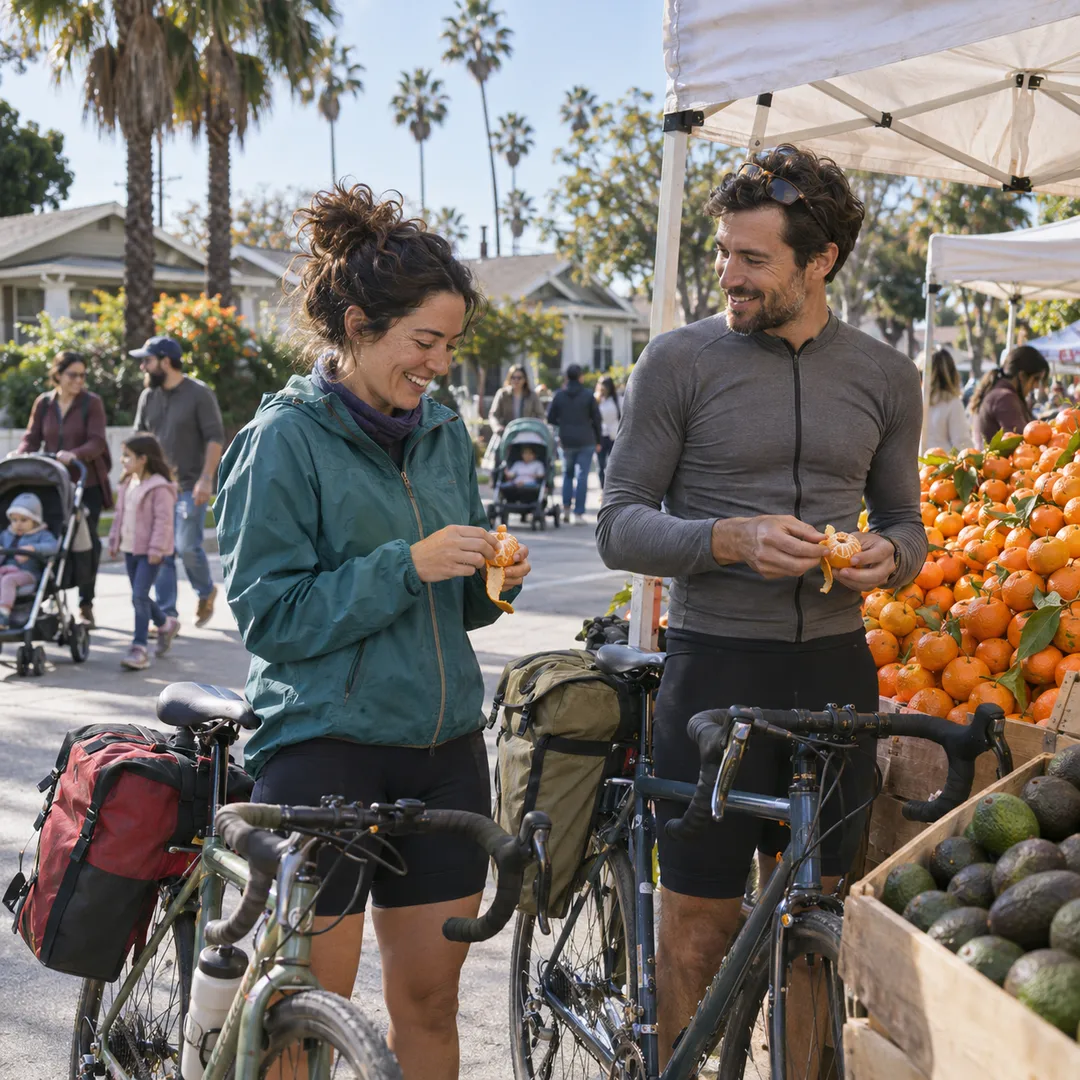
 Mar Vista Winter Farmers Market Picker for Weekend Cyclists
Weekend Plans
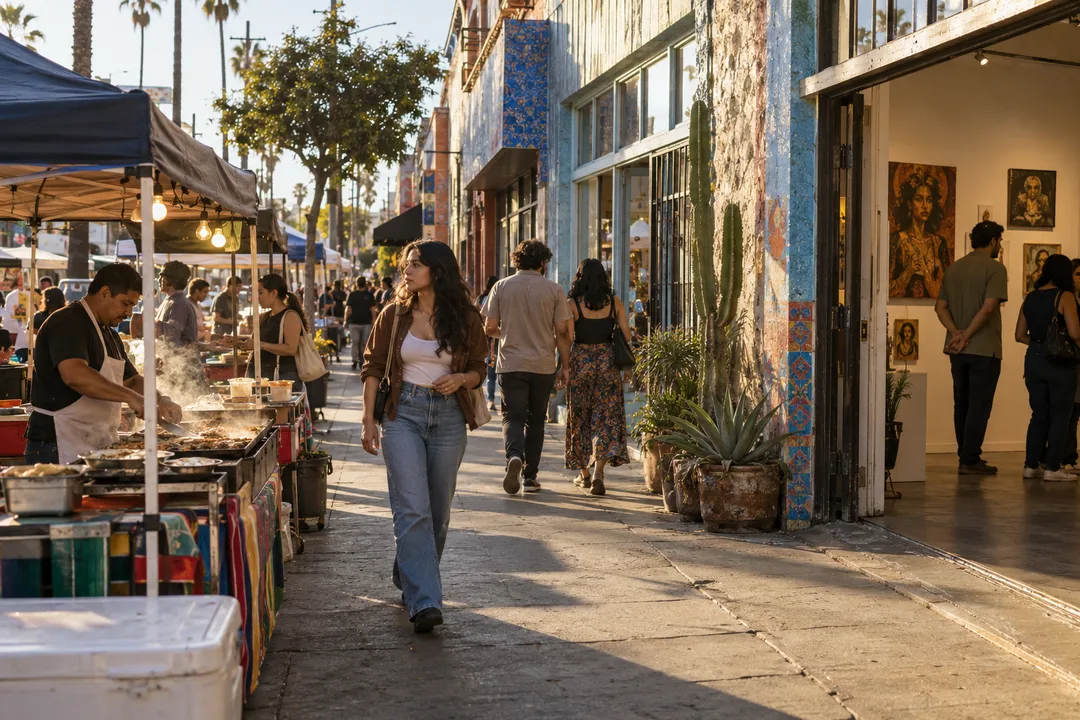
Los Angeles Weekend Plan Builder: Food and Culture Nearby
Pair a Los Angeles meal with one cultural lens in the same district, then leave a blank block for a slower neighborhood read. Keep plans clear.
A Los Angeles weekend can feel surprisingly local when food and culture share a district. Tell the Karpo APP the neighborhood you want to explore, the meal that matters, and the kind of cultural texture you hope to notice. Ask for a compact sequence with a clear walking or parking strategy and a fallback that stays close. The planner can help you compare timing, energy, and priorities. It cannot promise that a provider has space, that traffic is light, or that a recommendation is a recorded reservation.
Choose the district by mood
Describe the atmosphere before naming a destination: gallery-lined, market-like, historic, design-focused, or family-friendly. Give a radius and a departure deadline. If the group is deciding between two districts, ask for parallel outlines and the reason each one wins. This keeps the choice grounded in experience rather than popularity. Mention a hill, parking limit, or transit preference early, because the same neighborhood can feel completely different when a group is carrying bags or avoiding a long exposed block.
Give the meal a role
A meal can be the welcome, the midpoint, or the finale. Tell Karpo which role you want and how long the group can sit. If the day is about culture first, place food near the anchor and leave a buffer before entry. If conversation is the point, let the meal lead and use the cultural stop as a gentle second act. Ask for alternatives that match the role, not merely restaurants with similar cuisine.
Build a small cultural lens
“Culture” is easier to plan when you define what you want to notice. You might want visual art, architecture, a bookstore conversation, a performance, or a market’s food history. Ask the planner for one primary lens and one optional detour. A narrow lens gives the afternoon coherence and helps you skip an attractive but unrelated stop. You can then inspect actual calendars, admission policies, and current hours before committing.
Plan the transition, not just the pins
Two destinations in one district can still require a difficult transfer. State whether you will walk, move the car, or use transit, and ask for a comparison. Include time to find an entrance, store purchases, or use a restroom. The assistant can describe an order and its tradeoffs, but it cannot see a blocked driveway or a temporary street closure. Use a live map and provider information to make the final call.
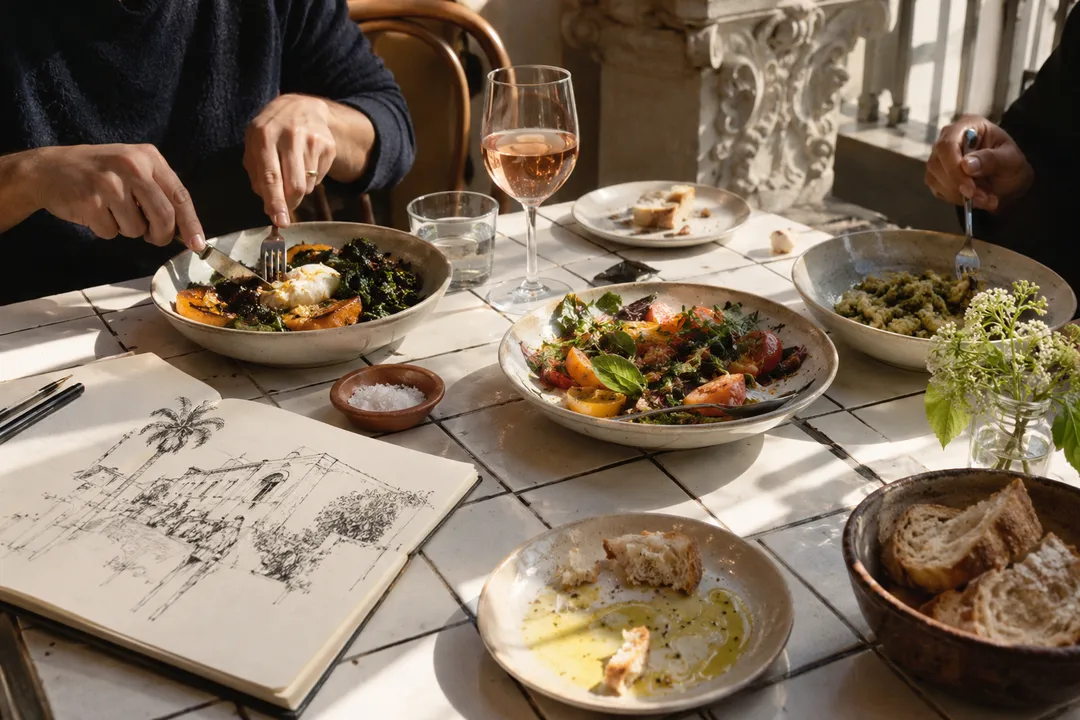
Add an edible fallback
A weather or appetite change should not erase the district’s character. Ask for a second food option that is quick, flexible, and near the cultural anchor. If the main meal has a long wait, the fallback can become the midpoint while the group keeps its planned lens. Give Karpo a spending ceiling and dietary boundaries so the replacement is useful. Do not treat an example menu or price in a suggestion as current provider information.
Write the district brief
Try: “Build a Sunday in one Los Angeles district for three adults. We want a food-focused lunch, one cultural stop that takes about an hour, and a short neighborhood wander, with parking moved no more than once. Finish by 5 and offer a sheltered alternative.” Add the starting side of town and walking limit. If the output becomes too broad, reduce the radius instead of adding more detail everywhere.
Keep discovery and booking distinct
Use the plan to decide what deserves a call or a reservation. Then read the actual address, hours, ticket information, and menu with the providers. Copy those recorded details into the outline and leave the rest flexible. Karpo can help you draft a concise question about access, timing, or seating, but it does not establish a booking. This distinction keeps a pleasant idea from becoming an embarrassing assumption at the door.
Let the neighborhood set the ending
A district plan needs a natural exit. Ask for a final block that can be shortened or skipped, then select a homeward route that avoids a fresh cross-town drive. If a friend wants to linger, define a meeting time and place instead of making everyone wait. The group note should show the lens, meal role, recorded anchor, and optional wander. That makes the day readable even when different people notice different details.
Practical Notes: carry one sentence of purpose
Write a sentence such as “We came for the food history and an unhurried hour of looking.” Keep it with the itinerary. If the plan loses a stop, that sentence tells you what to preserve. Return to the Karpo APP with the actual change—late arrival, full parking, or a shorter afternoon—and ask for a targeted revision. A district becomes memorable through attention, not through the number of places squeezed into one map.
Let the meal carry a story
Food and culture feel connected when the meal answers something you noticed on the route. Tell Karpo whether you want a dish tied to a neighborhood tradition, a design detail, or a conversation with a friend. That prompt creates a stronger through-line than simply requesting the most popular restaurant. Check the actual menu and service format yourself, then keep one sentence in the group note explaining why the meal belongs in the district.
Leave a deliberate blank
A neighborhood is easier to read when one block has no appointment. Reserve that space for a window display, a detour suggested by a companion, or an early ride home. If the weather or energy changes, the blank becomes a useful buffer instead of a problem. Ask the planner to show where the blank sits and what can be removed without harming the meal or cultural anchor.
A final practical note is worth the minute: write down the address you will actually use, the recorded meal timing, and the one thing you are willing to skip. That short list keeps the district’s character intact when a line or weather delay changes the order.
Let one question guide the district
Give the day a question: What does this neighborhood taste like, how does its architecture change, or where do makers meet visitors? Ask Karpo to place food and culture where they help answer it. The question gives the blank block a purpose and makes it easier to skip a stop that does not contribute. Keep the actual provider details beside the route, then let the group linger where the answer feels strongest. A simple question creates a memorable through-line without requiring a packed schedule.
Ask Karpo for more information.
Keep reading
- Mar Vista Winter Farmers Market Picker for Weekend Cyclists
 Downtown LA Winter Farmers Market Picker for Car-Free Hosts
 Larchmont Winter Farmers Market Picker for Kimchi-Making Day