 Mar Vista Winter Farmers Market Picker for Weekend Cyclists
Weekend Plans

LA Weekend Plan Builder: Two Interests in One Outing
Bring two different interests into one Los Angeles outing, with a fair share of food and culture, a sensible order, and fewer awkward compromises.
One person wants an afternoon of looking at art. The other would rather sit over a good meal and talk. Planning a weekend together in Los Angeles becomes awkward when both preferences are treated as competing full itineraries. A weekend plan builder can start from a different question: what would let each person enjoy a meaningful part of the outing without spending the rest of it waiting? The answer begins with the balance between your interests, the order of the stops, and the travel you are both willing to accept.
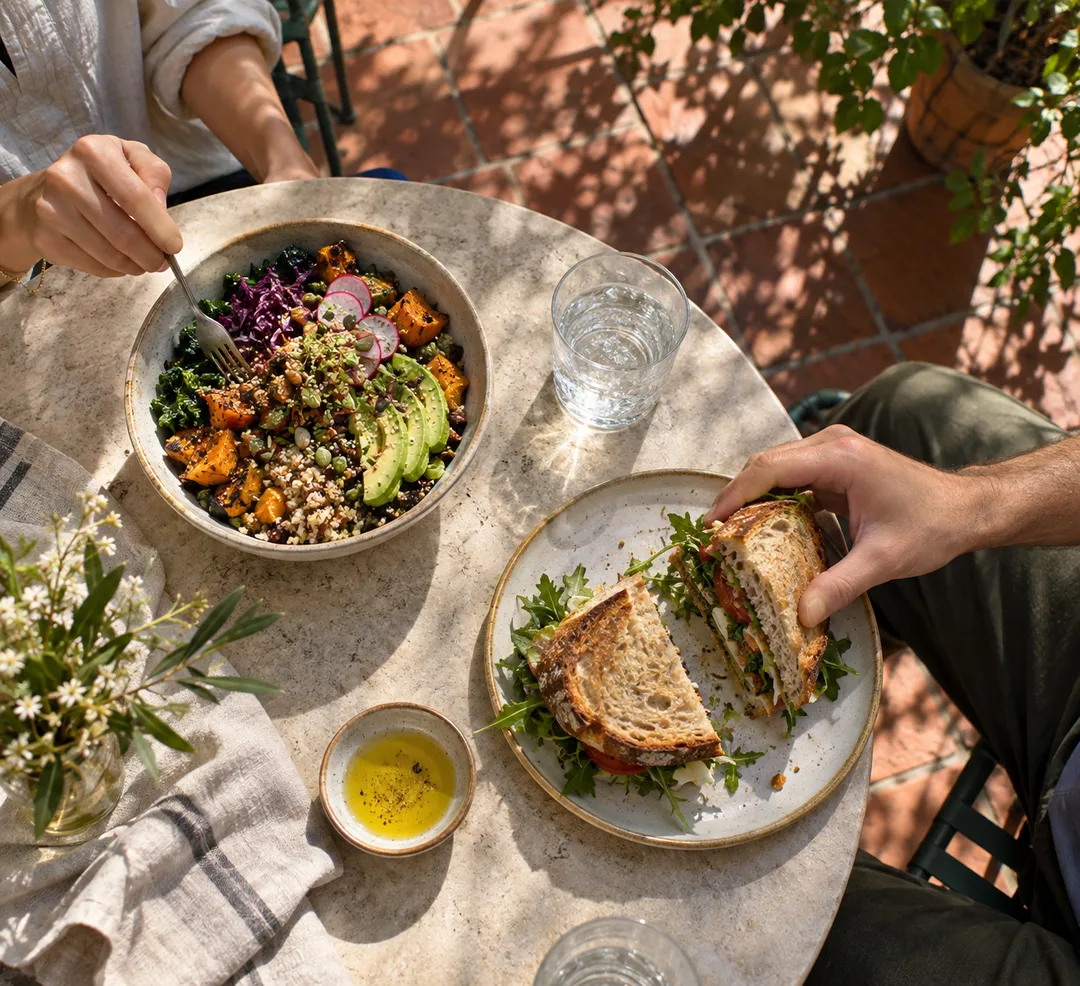
Name the experience behind each preference
Ask what each person actually likes about their proposed activity. “A museum” might mean a quiet room, something beautiful to discuss, or an excuse to explore an unfamiliar neighborhood. “Lunch” might mean trying a new cuisine, having an uninterrupted conversation, or simply avoiding a hungry afternoon. Those underlying wishes often overlap more than the labels do. You can preserve the important part of each preference while changing the form of the day around it.
Give each person one priority and one flexible detail. Someone might care deeply about seeing visual art but have no preference about the specific medium. Their partner might need a comfortable seated meal but be happy to eat before or after the cultural visit. Put those distinctions into the planning brief. Otherwise a minor preference can sound like a hard requirement, making every possible outing appear to fail before you have compared it fairly.
Three ways to arrange the compromise
The first structure is sequential: one interest gets the opening chapter and the other gets the second. This works when both people are willing to participate in each activity and neither stop needs a rushed visit. Decide which experience is more sensitive to hunger, concentration, or an admission time. Let that determine the order. Fairness does not require equal minutes. A focused viewing visit followed by an unhurried meal can give both people what they value.
A second structure puts a shared experience in the middle. You might start with a short look around, spend most of the outing over food, and finish with a little browsing together. The short activities act as conversation starters rather than rival destinations. A third structure uses one location or compact area that offers different ways to spend time. This can reduce transitions, provided the actual options suit both people. Geographic closeness alone does not turn an unwanted activity into a compromise.
Ask for alternatives with the tradeoffs visible
Karpo presents itself as an AI sidekick for going out and invites questions about dinner and weekend discoveries. In the Karpo APP, describe the two interests together rather than sending separate searches that you will later try to reconcile. Request a few outing ideas and explain the kind of balance you want. The useful material is a set of possibilities to discuss, with your priorities stated clearly. You still choose what feels enjoyable as a couple.
Try a prompt such as: “Help us plan a Los Angeles weekend outing for two. One of us wants visual culture, the other wants a relaxed seated meal. We would prefer a single neighborhood and a short transition between stops. Suggest a food-first option and a culture-first option, with the compromise each involves.” Add your starting area, dietary needs, and your own spending limit. These inputs describe your circumstances without making claims about a restaurant's menu, price, or availability.
Judge the weaker half of each option
When comparing the replies, do not score only the stop you personally want. Look at the part intended for your partner. Is it a real expression of their preference, or a token addition squeezed into whatever you had already chosen? A snack counter may not satisfy someone whose priority is a seated conversation. A decorative lobby may not satisfy someone who wants to spend time looking thoughtfully at art. A strong pairing gives each interest a reason to be there.
Discuss the transitions as part of the experience. Waiting for a car, finding another parking space, or navigating an unfamiliar walk can interrupt the mood you were trying to create. Some couples enjoy a little travel between chapters. Others would rather choose a less distinctive stop in exchange for an easier afternoon together. State that preference explicitly. Avoid treating a theoretical walking estimate as the whole transfer when the route, entrances, or access needs remain unresolved.
Put one partner's hard limit ahead of symmetry
Dietary restrictions, sensory discomfort, mobility needs, and a firm departure deadline are constraints rather than bargaining chips. Start the comparison by removing options that do not meet them. Then negotiate the softer preferences inside the remaining set. This makes the conversation kinder and more productive. A plan can be balanced without asking either person to tolerate something that makes the outing inaccessible, uncomfortable, or impractical for them.
Budget deserves the same clarity. Decide whether the ceiling is for the two of you together or for each person, and whether transport belongs inside it. Explain whether you would rather spend on the meal or the cultural activity. A suggested pairing without published costs is still an idea, not a priced package. You can compare its shape while leaving financial details unsettled. Do not let an appealing description quietly turn an unknown charge into an assumed affordable one.
Leave room for the conversation to change
Build a small pause between the interests rather than making one stop end at the exact moment the next begins. This gives you time to talk about what you have seen, decide whether you are hungry, or shorten the second chapter. The pause need not become a third destination. A moment to sit or a gentle transition can be enough. What matters is that neither person feels responsible for keeping a tightly packed schedule on track.
Make one decision together about an early finish. If one of you becomes tired, would you rather preserve the meal, preserve the cultural visit, or go home after the first stop? Agreeing in advance avoids interpreting fatigue as disinterest in the other person's choice. You can also keep the unused idea for a separate day. An outing is allowed to reveal what you enjoy together without proving that every preference can fit into one afternoon.
Practical notes for picking together
Read the final choice aloud in terms of benefits for both people. “We get something to look at and then time to talk over food” is more useful than announcing that you have found a compromise. If the sentence still sounds like one person's ideal afternoon with a reluctant detour, adjust the structure. Change the order, shorten a stop, or choose another area. Revise the experience itself rather than dressing up an imbalance with reassuring language.
Finish by choosing a starting point and agreeing on the next concrete action. That might be selecting a candidate, reviewing its published visiting information, or making your own reservation through the venue's booking channel. A recommendation in a conversation is not a completed booking. Bring any remaining preference conflict back to Karpo as a focused question, then make the final call together. The point is a day you both want to join, with enough space to enjoy each other's company.
Ask Karpo for more information.
Keep reading
- Mar Vista Winter Farmers Market Picker for Weekend Cyclists
 Downtown LA Winter Farmers Market Picker for Car-Free Hosts
 Larchmont Winter Farmers Market Picker for Kimchi-Making Day