 Mar Vista Winter Farmers Market Picker for Weekend Cyclists
Weekend Plans

LA Weekend Activity Comparator: Tour or Art for Families
Choose an LA studio tour or art visit by weighing ticket commitments, walking demands and family interests against the time and energy you have together.
A film studio tour is worth considering when your family wants a shared story and is comfortable following an organized experience. An art visit can work better when people want to choose what holds their attention and leave room for pauses. Use a weekend activity comparator to connect those preferences to actual candidate details, rather than treating both as interchangeable indoor entertainment. In the Karpo APP, describe the ages, interests and energy levels in your group, then ask how the two options would use your available Los Angeles afternoon.
Decide whose curiosity needs a place
Ask each person for one thing they would be excited to notice. For a film enthusiast, that could be understanding how a scene is built. For someone interested in art, it could be spending time with color, sculpture or an unfamiliar material. Children do not all prefer spectacle, and adults do not all prefer quiet. A comparison becomes useful when it describes the experience each person wants. It becomes less useful when it assigns tastes solely on the basis of age.
Find the overlap between those answers before discussing tickets. Perhaps everyone enjoys making things and wants to see creative work up close. Perhaps the group is divided between movie nostalgia and drawing. Ask Karpo to compare how well each candidate serves that shared interest, using the tour description or exhibition information you provide. If one choice mainly rewards a single enthusiast, name that honestly. The family can still choose it, but everyone understands the trade they are making.
Read the ticket as a commitment
For a studio candidate, supply the published duration, entry arrangement and any participant restrictions that apply to the specific experience. A timed tour and a flexible gallery visit behave differently when someone is tired or a journey runs long. Do not transfer a rule from one studio to another. Treat age limits, accessibility arrangements and cancellation conditions as facts belonging to the individual ticket, and keep those facts separate from the general appeal of visiting a working production environment.
For an art option, distinguish general entry from a special exhibition or programmed activity. A seemingly simple visit can contain several separate choices. A ticket to one part of a building does not establish admission to every event inside it. Ask for the comparison to show what your quoted amount includes, which people it covers and which elements remain optional. This makes a higher price easier to judge without implying that every paid attraction offers more entertainment than an art space.
Measure standing as well as walking
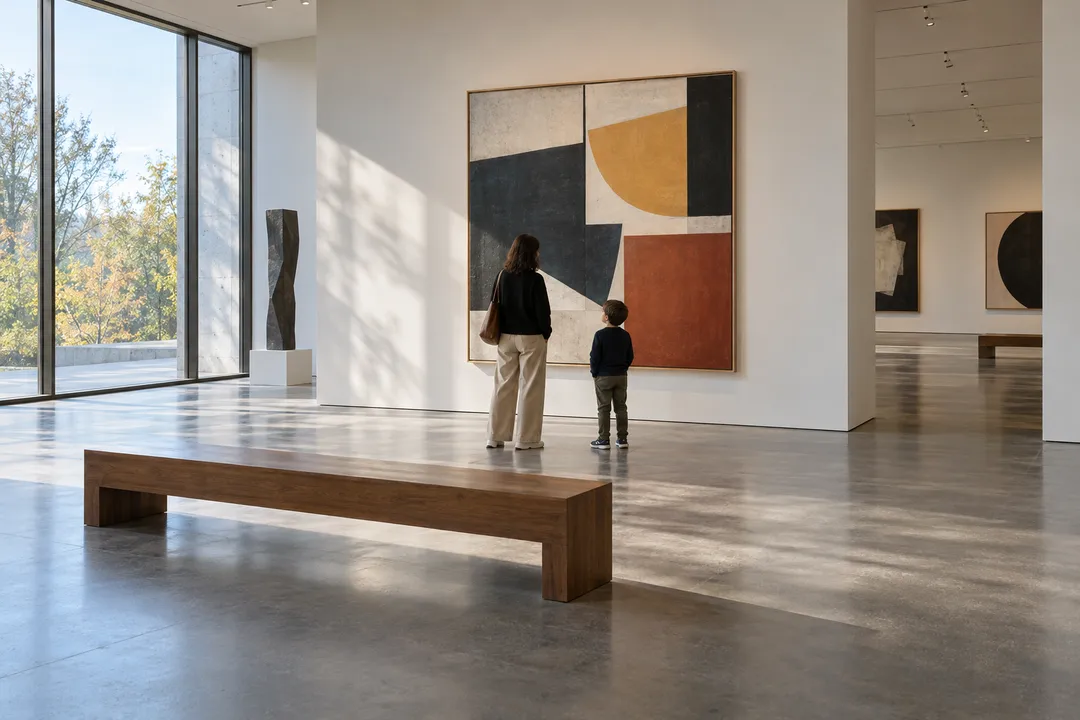
A walking distance alone misses the experience of stopping repeatedly, listening or waiting for a group to move. Use the provider's description to identify whether a tour includes walking, seated transport or extended standing. For art, consider how long your family can comfortably remain in a gallery before a change of scene helps. Someone may walk happily outdoors and still find slow standing tiring. Share that distinction instead of describing the whole family as generally active.
Ask for an outline that includes transitions between attention and rest. The outline might place a short selection of artworks ahead of a break, or reserve quiet time after an organized tour. These are planning choices, not statements that a particular bench or rest area will be available. If seating is essential, make its documented availability part of the candidate comparison. A plan that depends on an unverified seat should be reconsidered before it becomes the family's only comfortable option.
Keep the afternoon larger than the attraction
Start the timeline at your actual departure point and end when the family needs to be elsewhere. Arrival, entry procedures and the journey onward all compete with time inside. A structured experience leaves less room to recover from a late start. A self-directed visit may allow a shorter stay, but it still needs a feasible journey. Ask Karpo to show how much of your window remains for the activity after the travel assumptions you supply have been applied.
Food deserves its own decision, especially with children who need predictable breaks. Decide whether to eat before the attraction, bring food where permitted or choose a separate meal afterward. Do not assume either candidate allows snacks in every area. Use the relevant visitor rules when that matters to your group. An outing that fits the ticket budget but leaves no time for a necessary meal has not really fit the afternoon. Adjust the visit length rather than hoping everyone will ignore hunger.
Compare value through participation
Entertainment value is not the number of rooms or the length printed on a ticket. It is the amount of time people spend engaged with what they came to enjoy. A child who loves storytelling may remember a guided explanation more than a long wander. Another child may enjoy choosing three objects and sketching them. Ask for a small participation idea for each candidate that respects the visitor rules. Keep it simple enough that parents can enjoy the outing too.
Avoid turning that idea into a test. A drawing prompt, a favorite detail or a conversation about how something was made is enough. If the family needs constant extra games to tolerate one option, that is evidence about fit. It does not mean the attraction is poor. Ask whether shortening the visit would preserve its main pleasure. A carefully chosen gallery selection may still feel complete, while cutting a fixed tour short could remove the feature that justified its ticket cost.
Use a budget that belongs to your family
Enter the ticket amounts you have found, transport costs you are considering and your food allowance. Separate adult and child categories where the provider does, and include any required additions rather than assuming the headline amount is the final family total. Then identify your ceiling for the whole outing. Karpo can help compare the figures you bring into the conversation, but the comparison should leave unknown charges visible instead of converting them into a supposed bargain.
Ask what you would sacrifice to choose the more expensive option. If it means replacing a relaxed meal with a rushed snack, that may matter more than the ticket difference. If the tour serves a long-standing interest and everyone wants it, the extra spending may fit your priorities. For art, a shorter visit can be a deliberate cultural outing rather than a budget substitute. The decision should reflect how your family wants to spend its attention and money together.
Finish with a plan people can picture
A useful request is: “Compare the studio tour description and art exhibition details I have pasted below for our family. We have one child who loves filmmaking and another who prefers drawing. Include ticket commitments, standing, food timing and the drive from our starting neighborhood. Recommend one afternoon and explain the main compromise.” In the Karpo APP, add your actual time limit and any access needs. Ask for one concise recommendation rather than an ever-growing list of attractions.
Before settling the choice, ask each person whether the proposed afternoon contains the moment they cared about. Then keep the arrival plan, activity and meal in a clear sequence. Ticket purchase remains a separate action through the relevant provider, and a suggested tour does not establish available places. The comparison has done its job when the family understands why this outing fits today and what would make the alternative a better choice on another weekend.
Ask Karpo for more information.
Keep reading
- Mar Vista Winter Farmers Market Picker for Weekend Cyclists
 Downtown LA Winter Farmers Market Picker for Car-Free Hosts
 Larchmont Winter Farmers Market Picker for Kimchi-Making Day