 Mar Vista Winter Farmers Market Picker for Weekend Cyclists
Weekend Plans
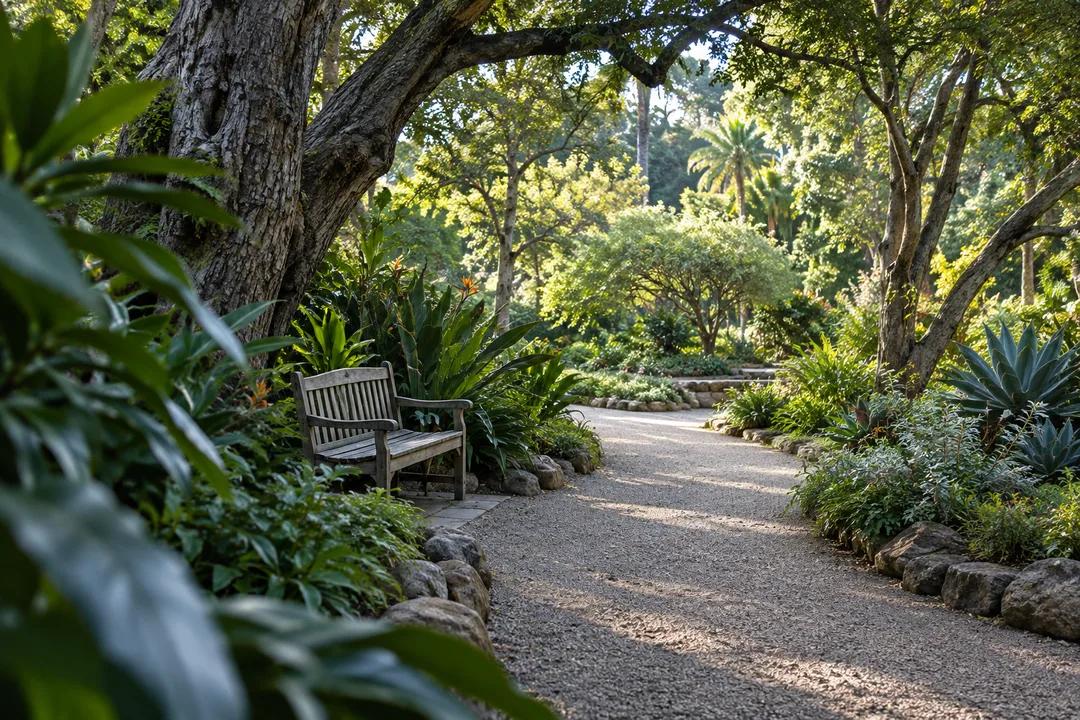
LA Weekend Activity Comparator: Garden or Bluff for Calm
Choose an LA garden visit or coastal bluff walk by weighing shelter, walking effort and quiet against your travel window and preferred way to unwind.
A botanical garden visit can suit a weekend built around close observation, while a coastal bluff walk can suit someone who wants a wide horizon and steady movement. Calm is not a feature that either place can guarantee. It comes from how the outing matches your energy, weather tolerance and need for pauses. Use a weekend activity comparator to define that match before choosing a Los Angeles destination. In the Karpo APP, describe whether you want to study plants, walk without much conversation or simply spend time outdoors with a companion.
Name the kind of quiet you are seeking
Some people unwind by following details: leaf shapes, changing textures and the way a planted space unfolds. Others prefer a long view that does not ask them to make many choices. Those are different pleasures, even when both appear under a search for peaceful activities. Ask Karpo to compare the attention each option invites. A garden may encourage frequent stops and closer looking. A bluff route may give you a simpler rhythm of walking and pausing, depending on the actual path you choose.
Quiet also has a social dimension. Decide whether the outing is for conversation, solitude or being together without needing to talk. A companion who wants an energetic catch-up may not want the same afternoon as someone seeking silence. Put that preference into the initial request rather than hoping the landscape settles it. The comparison can then explain where your goals align and where a compromise is needed. You can choose a shorter shared walk and still leave space for independent time afterward.
Look at the route beneath the scenery
A photograph of a garden does not tell you how steep, long or accessible its paths are. A view from a bluff says little about the route leading to it. Use the official route description or access notes for your chosen candidates to identify surfaces, gradients and any steps. Ask for the gentlest documented version that still delivers the experience you want. Avoid translating the word scenic into an assumption that the walk is easy or suitable for every participant.
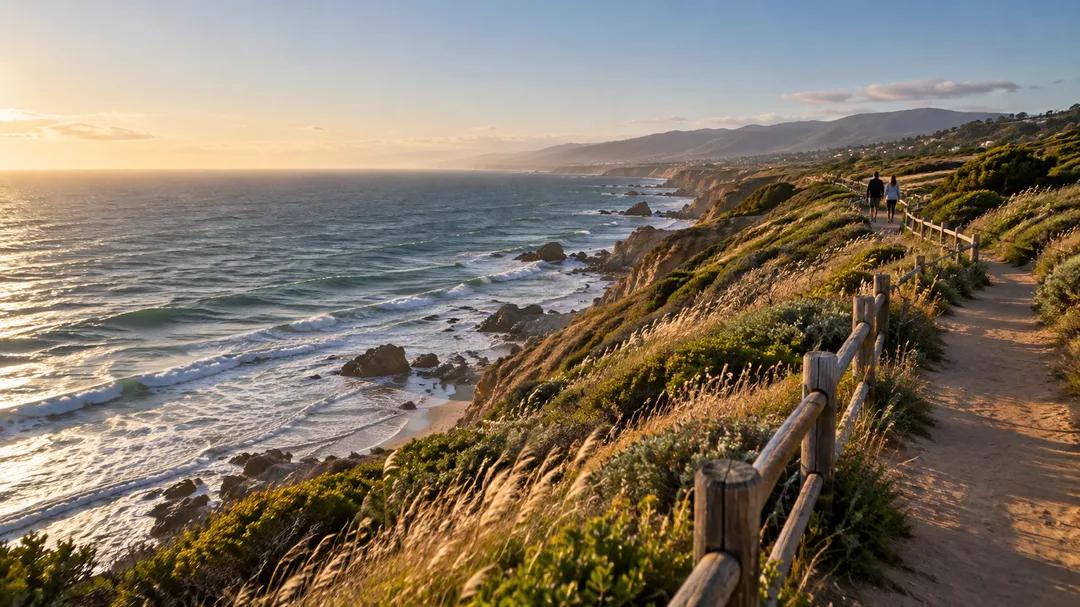
For a low-energy day, think about how quickly you can shorten the outing. A series of connected garden paths may offer choices, but only the actual layout can establish that. A coastal route may be simple to reverse, yet the return can still feel different if wind or fatigue increases. Describe how long you want to be moving before a pause. The useful comparison shows what can be shortened and what remains unavoidable, including the distance between arrival and the first rewarding stretch.
Treat shelter as information to obtain
Gardens are not uniformly shaded, and a coastal breeze is not a substitute for weather protection. Supply the forecast and the candidate descriptions you are using, then ask how exposure affects your intended visit. If you prefer cool conditions, say what that means for you. If wind makes conversation or balance uncomfortable, include that separately. A clear preference can eliminate a poor fit more effectively than asking for the generally nicest place to spend a weekend outdoors.
Rest opportunities deserve the same care. Someone who needs a seat at regular intervals should use documented facilities rather than a hopeful reading of landscape images. If that information is absent, the comparison should identify the gap instead of placing imaginary benches along the path. You can still discuss the relative appeal of plants and ocean views while keeping the route provisional. Comfort comes from matching a real path to a real person, not from describing every outdoor setting as relaxing.
Consider the journey as part of recovery
An outing chosen to restore your energy should not begin with a travel plan you already resent. Enter your starting neighborhood and realistic journey estimates for the candidates. Include transfers, the walk from the arrival point and the time you want to allow for getting settled. A garden across the county may be attractive on another weekend and still be the wrong choice today. Ask Karpo to distinguish the destination's appeal from the amount of effort required to reach it.
For driving, add the published parking arrangements you have and the effort of walking from the parking area. For public transport, consider how a missed connection would affect the window you reserved for being outdoors. These are scenario comparisons, not live traffic or parking predictions. Give your plan enough margin that a small delay does not force a rushed walk. A calm outing can be modest in size and still feel complete when the travel around it is manageable.
Give an admission cost a purpose
If the garden candidate has an admission charge, use the actual amount you have found and identify what it includes. Then ask what that spending buys for your particular goal: access to a specific collection, a preferred setting or a route that fits your needs. A coastal walk can still involve transport, parking and food costs. Compare the complete outing rather than assigning the garden a price and treating everything outside its gate as costless by default.
A spending ceiling can help when you do not yet have every figure. State how much you are willing to allocate to the day, then separate essential and optional purchases. A drink afterward may be pleasant but unnecessary to the main purpose. A required transfer is different. Ask which costs need to be known before you can choose confidently. You do not need a fabricated total to recognize that one plan fits your available money and the other is a project for later.
Choose a pace instead of collecting landmarks
For a garden visit, you might decide to follow one plant interest and let other sections remain for another day. For a bluff walk, you might choose one manageable stretch with a comfortable turnaround. These are examples of planning a satisfying amount, not claims about a particular site's layout. Ask for an outline that leaves room to linger. A route with many named stops can become another checklist, even if every stop is visually appealing and technically fits on a map.
Bring only what supports that pace. Water, suitable layers and a manageable bag can matter more than an elaborate picnic or several camera accessories. If taking photographs is the purpose, include time for stationary observation in the comparison. If you want conversation, avoid assuming that constant walking will suit everyone. The details should serve the way you hope to feel during the outing. Removing an unnecessary stop or purchase can be a positive decision rather than a lost opportunity.
Turn a preference into a usable request
Tell the Karpo APP: “I want a peaceful LA afternoon and am deciding between a botanical garden and a coastal bluff walk. I prefer slow movement, dislike strong wind and need a modest walking distance. Compare the candidate route details and forecast I provide, include the full journey and explain which setting fits a quiet conversation.” Add the particular plant interest or ocean experience you care about. Ask for a clear reason to choose each option, followed by the stronger match for this day.
Once you have an answer, look for the assumption carrying the recommendation. If it relies on shade, seating or a route surface that has not been established, resolve that specific question through the relevant source. If the decision rests on your own preference for a horizon over close observation, you already have enough to move forward. Keep the final plan short: arrival, a comfortable amount of outdoor time and an easy return. The comparison should leave you with more room to enjoy the outing.
Ask Karpo for more information.
Keep reading
- Mar Vista Winter Farmers Market Picker for Weekend Cyclists
 Downtown LA Winter Farmers Market Picker for Car-Free Hosts
 Larchmont Winter Farmers Market Picker for Kimchi-Making Day