 Mar Vista Winter Farmers Market Picker for Weekend Cyclists
Weekend Plans
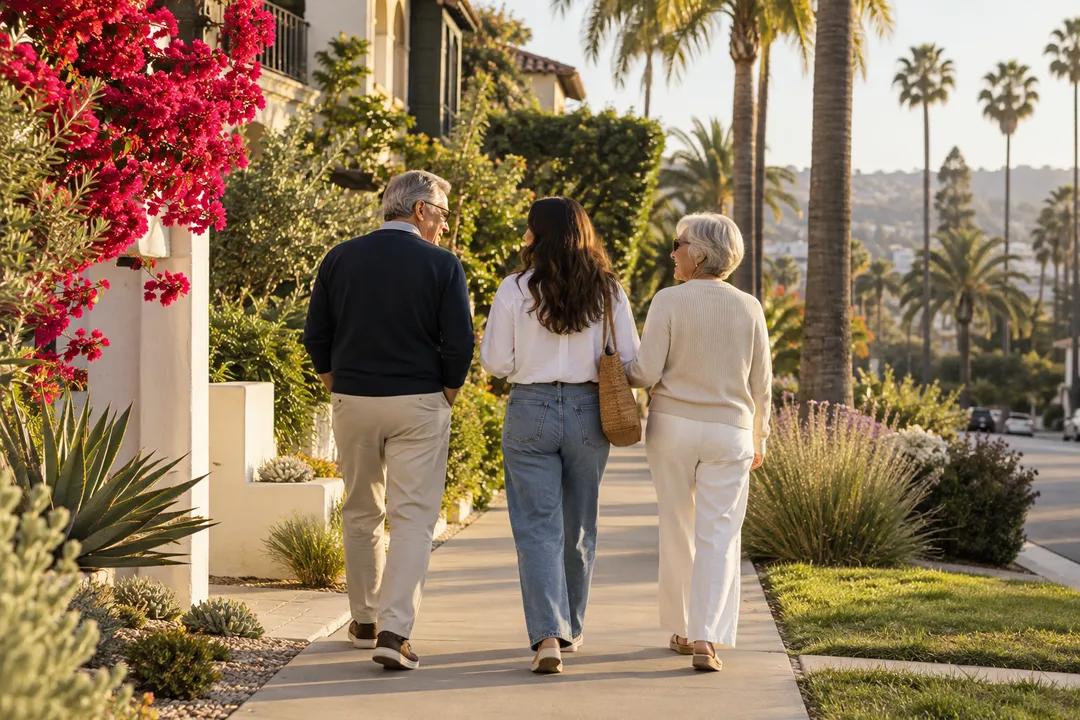
LA Thanksgiving Outing Planner for a 40 Minute Walk
Make a post-meal walk fit the time you actually have, with an easy turnaround and a return that keeps dessert on the table.
The meal is finished, dessert can wait, and a few relatives would like a breath of air before sitting down again. A short post-dinner outing needs a different kind of plan from an afternoon of sightseeing. The useful question is how much of your window you can comfortably spend walking and still return when promised. This LA Thanksgiving outing planner treats forty minutes as an example of a group's chosen limit. Use the Karpo APP to ask for ideas around your actual starting area, then shape the outing to the people who want to join.
Start the clock at the front door
A forty-minute window does not mean forty minutes of movement. Someone needs to find a jacket, another person wants to finish helping in the kitchen, and the group may pause to say goodbye to guests who are leaving. Decide whether your limit begins when you propose the walk or when everyone is ready at the door. Make the distinction explicit. It helps the host understand when you will be back and keeps the walk from quietly absorbing the next part of the holiday.
Work backward from the return you have agreed. If dessert is a shared commitment, leave a little room to take off shoes, wash hands, or settle someone comfortably. The time left belongs to the outing itself. This is an allocation of your own time, not a claim about how long a particular LA route takes. Until you have a route suited to the group, use the window to set the scale of the idea rather than promise a specific distance.
Choose a reason to step outside
A post-meal walk can be about conversation, a change of scene, or giving a visiting relative a small taste of the neighborhood. Pick one purpose. If the aim is talking together, a complicated route with frequent decisions is unnecessary. If someone wants a photograph, agree that the picture is optional and should not turn the walk into a search for a landmark. A clear purpose makes it easier to decide when an extra block would improve the outing and when it would simply delay your return.
Do not describe the walk as a way to earn dessert or make up for eating. Let people join because they want the company or the fresh air. Someone who stays behind can still be part of the holiday without justifying the choice. The same applies to a person who comes out for only a few minutes. A welcoming invitation gives people a genuine option, instead of creating another activity they feel obliged to complete after a long meal.
Favor a route that can turn back easily
For a tight window, a simple out-and-back format can be useful because the endpoint stays flexible. You can turn around earlier if the group is moving slowly or someone wants to return. A loop has a different appeal: it avoids retracing the same stretch, but it needs a known way to shorten it. Choose the format based on the participants and the surroundings you actually know. Neither shape guarantees level paving, comfortable crossings, or a particular walking time.
Keep the starting point and finish the same when the host's home is your gathering place. Adding a drive to reach a scenic walk can use the time you meant to spend together outside. It also introduces parking and the need to gather everyone again. A familiar stretch nearby may offer a better experience within the limit. Think of this as a pause in the holiday meal, with the house remaining the shared destination, rather than a miniature sightseeing excursion.
Give a short request enough context
In the Karpo APP, explain the exact problem: we are having Thanksgiving with relatives in Los Angeles and want a gentle walk from our starting neighborhood, returning within our chosen short window. We prefer a straightforward route and want no shopping or food stop. Mention the area and your group's walking needs in terms that are useful to you. That gives the recommendation request a clear scope without requiring you to publish a home address or name every guest.
Read any suggestion against the whole window. A point of interest can be nearby and still encourage lingering, a detour, or an extra transfer. If an idea feels too ambitious, ask for something simpler within the same area. You can also ask for a format rather than a named destination: a short neighborhood stroll with an easy early return. Keep responsibility for the actual pace with the group. A suggested outing is not a measurement of how fast your relatives will walk after dinner.
Agree on the turnaround before the conversation starts
Give one person the small job of watching the return time. They do not need to keep announcing it, but they should feel comfortable suggesting a turn when the group reaches its limit. Otherwise, a good conversation can carry everyone farther from the house than intended. The agreed turnaround is a kindness to the host and to anyone who did not want a long outing. It should not depend on the most enthusiastic walker noticing that others have fallen behind.
Walk at a pace that keeps the group together without making anyone explain themselves. If people naturally form different pairs, keep a clear understanding of the return arrangement. An adult who wants a longer walk can choose an independent extension when that is practical, while the short-walk group returns as promised. Do not let an optional extension take the only person who knows the way home. The brief outing should remain comfortable for the people who accepted the original invitation.
Keep small comforts close to the actual plan
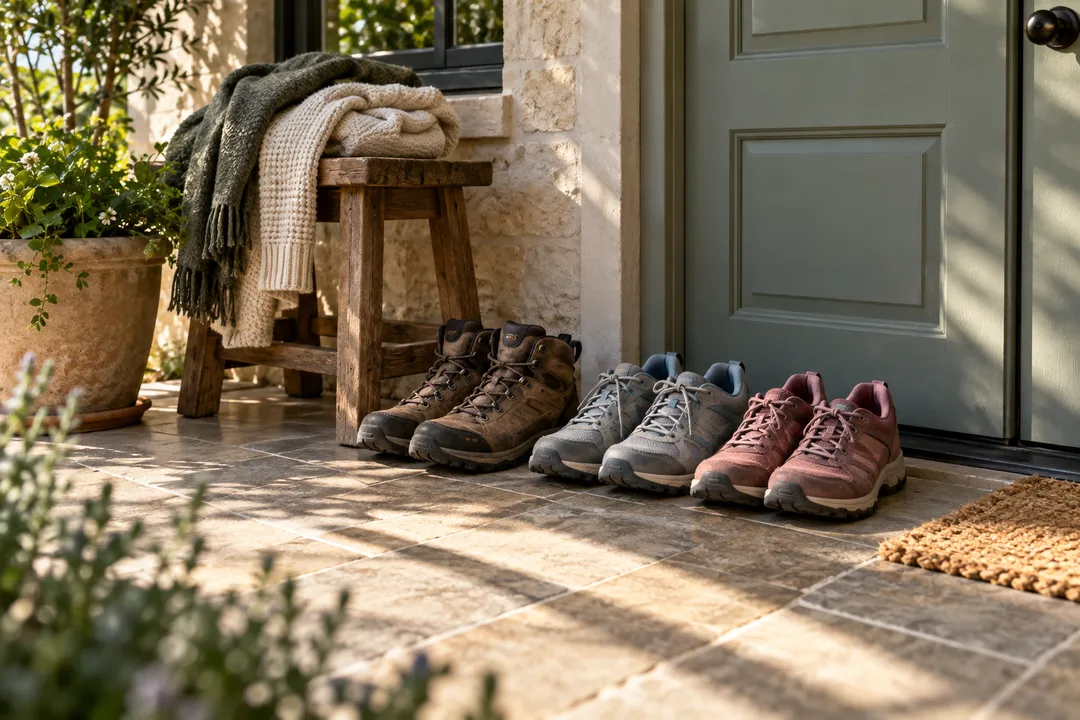
Select footwear for the surface and pace you intend, even if the outing is brief. Take the layer or personal item someone normally needs to be comfortable. Ask whether any participant wants to avoid steps, steep slopes, or prolonged standing. Those are route requirements, not details to resolve after leaving. If the plan relies on sitting somewhere, identify whether you have a real arrangement for that pause. An imagined available bench should not become the only way the group can manage the outing.
As daylight changes, choose the outing conditions that suit the participants. This article does not assign a sunset time or claim that a route is illuminated. If people prefer daylight, plan the walk within the daylight they have rather than adding a distant scenic stop near the end of the meal. When the remaining window feels rushed, a smaller break outside may be the right choice. You can enjoy a few minutes together without turning a brief invitation into a race.
Practical Notes for getting back happily
Tell the host which adults are joining and that you intend to return within the agreed window. Avoid promising to collect an item or make a purchase along the way unless that errand is part of the plan. A queue or an extra stop changes the calculation. Leave the house ready for an easy return, with the guests who remain knowing whether dessert waits for the walkers. Clear expectations let both groups enjoy the pause without wondering when the other group will be ready.
On returning, let the walk end. There is no need to add another destination because the group enjoyed the first stretch. If a relative wants a longer outing on another day, bring that separate request to the Karpo APP with a wider window and a fresh purpose. For this meal, success is simple: everyone who wanted a gentle break got one, the host could rely on your return, and the afternoon still belongs to the gathering you stepped away from for a moment.
Ask Karpo for more information.
Keep reading
- Mar Vista Winter Farmers Market Picker for Weekend Cyclists
 Downtown LA Winter Farmers Market Picker for Car-Free Hosts
 Larchmont Winter Farmers Market Picker for Kimchi-Making Day