 El Sereno Urban Staircase Walk Planner for a Study Break
Free Things to Do

Scenic Viewpoint Near Me: Griffith Observatory Overlook LA Guide
A practical guide to Griffith Observatory Overlook at 2800 East Observatory Road, Los Angeles, CA 90027, including the best angles, weather timing, walking route, and neighborhood plan.
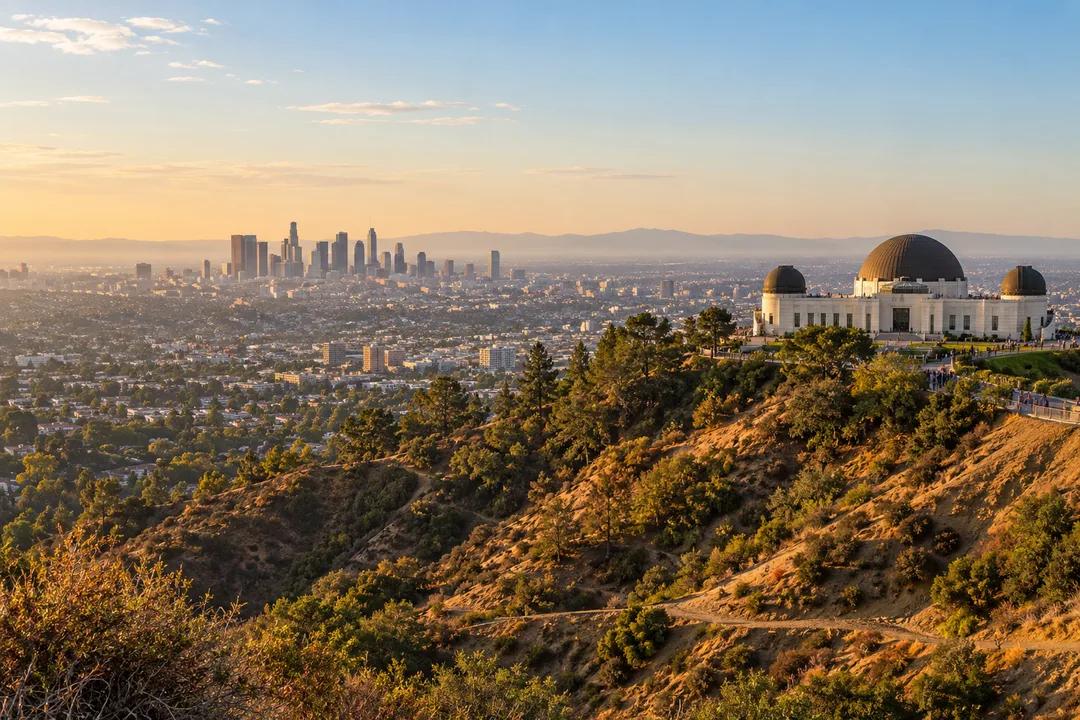
The Griffith Observatory Overlook is the scenic viewpoint near me for a classic Los Angeles panorama with a little more context than a skyline photo. From 2800 East Observatory Road, Los Angeles, CA 90027, the basin spreads below the terrace while the Hollywood Hills and downtown give the horizon its shape. The observatory building, lawns, paths, and dark mountain silhouettes are all part of the experience. Come for the city lights, but stay long enough to notice how the landscape explains Los Angeles.
The View Is Bigger Than Downtown
Griffith is often described as a place to see downtown, but that undersells the overlook. The view moves from the dense center of the city to low neighborhoods, freeways, palms, and distant ridges. On a clear day, the basin feels almost diagrammatic. On a hazy day, the layered atmosphere becomes the subject. The Hollywood Sign and the observatory dome help orient the scene, while the broad sweep makes the stop feel like a lesson in the scale of the city rather than a single landmark photograph.
The observatory terrace gives the viewpoint a useful rhythm. Visitors can look, step away, read the landscape, and return when the light changes. The foreground is not empty: pale stone, railings, planted slopes, and passing visitors give the image depth. If you only point a phone at downtown, the result can flatten the scene. Turn toward the hills, include the terrace edge, and let the city recede in layers. The most memorable composition usually includes one close object and several distant ones.
Late afternoon is a strong compromise because it offers readable terrain before the blue-hour lights arrive. Sunset periods are popular, especially when the weather is clear, so leave margin for traffic, parking, and the walk from the car. Morning can be calmer and brighter, while evening gives the basin a more theatrical mood. The best plan is not to promise a perfect sunset. It is to arrive early enough that a crowded terrace or passing marine layer does not control the entire visit.
Light, Crowds, and Observatory Timing
This is a public overlook with a major cultural building beside it, not a private dining room or a ticketed photo platform. Wear shoes that handle paths and stairs, carry water, and bring a light layer for the exposed hill. Keep bags close, leave room on the terrace, and do not block the access route while reviewing images. A short stop is possible, but a relaxed visit benefits from an hour or more so the group can look in several directions without rushing.
Crowd strategy matters most on warm clear evenings. If the terrace is full, move along the accessible paths and use the wider sightlines near the building rather than waiting for one exact railing spot. Families, school groups, photographers, and observatory visitors share the same space. The polite approach is to rotate through the best angles and keep tripods compact. After dark, the city lights reward patience, but the hills can become difficult to read, so keep the route simple on the way out.
The overlook also works for visitors who are not interested in astronomy. The observatory gives the stop an indoor and educational counterpoint, while the exterior offers one of the city’s clearest relationships between built space and mountain terrain. Even a quick look can answer why Los Angeles has such different neighborhoods within one basin. The city is not just a collection of districts; from here it appears as a wide landscape shaped by ridges, roads, and atmospheric distance.
How to Make the Stop Feel Easy
If the group wants the most comfortable experience, agree on a meeting point before splitting between the terrace, lawn, and building. Cell service and traffic should not be the only plan. Keep the return route in mind, especially when the surrounding roads fill near sunset. Water, sunscreen, and a layer are more useful than elaborate gear. Visitors with mobility concerns should choose the flattest route they can manage and avoid assuming that every hillside path has the same surface or slope.
Pair the viewpoint with Los Feliz rather than treating it as an isolated drive. A meal, coffee stop, or neighborhood walk gives the day a softer ending after the exposed hilltop. The route can also continue toward the park’s other trails, but do not overpromise a specific hike if the group wants only the panorama. The scenic value is already present at the overlook. Extra walking should be a choice based on energy, daylight, and trail comfort.
Photographers should watch the sky as much as the skyline. Marine haze can turn distant buildings into silhouettes, while clear air reveals the basin’s edges. A short lens captures the relationship between dome, sign, and downtown; a wider view includes the mountain frame. Avoid editing the haze out of every image. It is part of the city’s actual atmosphere, and the changing visibility is one reason repeat visits feel different even from the same terrace.
A Los Feliz Day Around the Hills
Griffith Observatory Overlook is a strong answer to scenic viewpoint near me when the goal is a recognizable Los Angeles view with room for interpretation. Start at 2800 East Observatory Road, allow time for the approach, and make the overlook one part of a Los Feliz outing. The building, hills, basin, and lights work together, so the stop remains rewarding even when one famous landmark is partly hidden.
The most practical visit is the one that leaves space for weather and people. Bring a layer, keep the walk flexible, and choose a viewing angle that does not require holding a place. The city changes quickly from this height, especially as afternoon becomes evening. A visitor who looks beyond the obvious skyline usually leaves with a fuller memory of Los Angeles than someone who only checks off the downtown frame.
End by facing west before leaving the hill. The last light can flatten the city into a pale sheet, then separate the ridges again as shadows lengthen. That final transition is specific to Griffith: architecture, mountain, observatory, and basin remain visible in the same scene. It is why the overlook feels less like a single attraction and more like a place to understand how Los Angeles is arranged.
Griffith Observatory Overlook rewards visitors who let the landscape set the pace. Start at 2800 East Observatory Road, Los Angeles, CA 90027, keep the route comfortable, and allow the final view to include the details that make this place different from another city overlook.
Ask Karpo for more information.
Keep reading
- El Sereno Urban Staircase Walk Planner for a Study Break
 Santa Monica Urban Staircase Walk Planner Before Meetings
 Mount Washington Urban Staircase Walk Planner: Hike Prep