 Mar Vista Winter Farmers Market Picker for Weekend Cyclists
Weekend Plans
Rooftop Observation Deck in Downtown LA: Sunset View Planner
Plan a Downtown LA rooftop observation deck visit for sunset, architecture or orientation, comparing public access, sightline direction and weather first.
Downtown Los Angeles turns a rooftop observation deck into a layered reading exercise: bright concrete below, glass towers at eye level, and a long western band that changes every minute. Start with the reason for going—sunset color, architecture, or a quiet place to orient a visiting friend. This page helps you compare public access, sightline direction, weather tolerance, and the amount of standing your group actually enjoys.
Choose the Downtown Moment
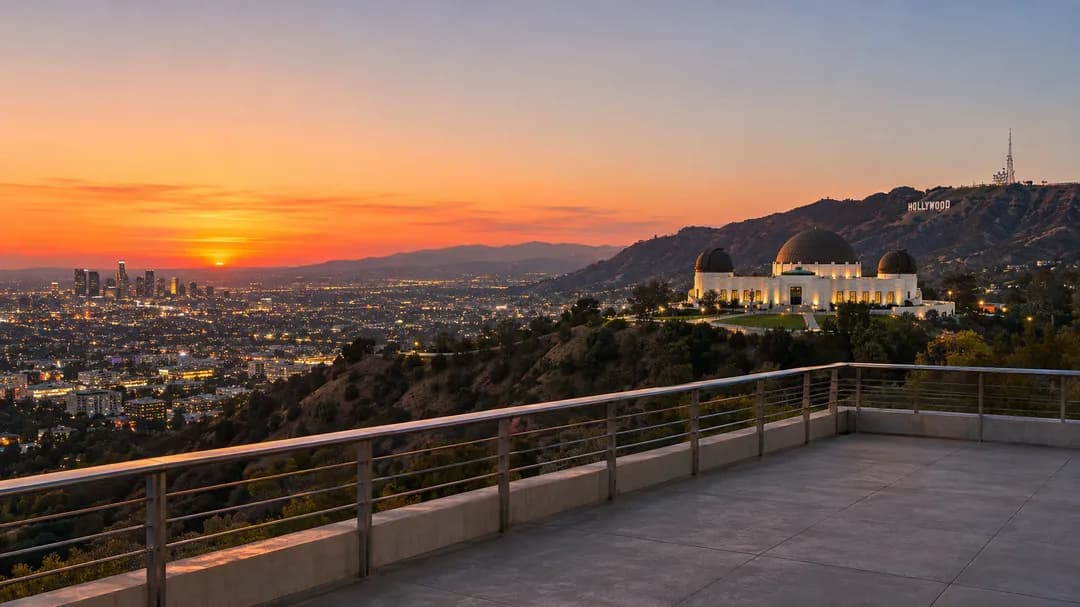
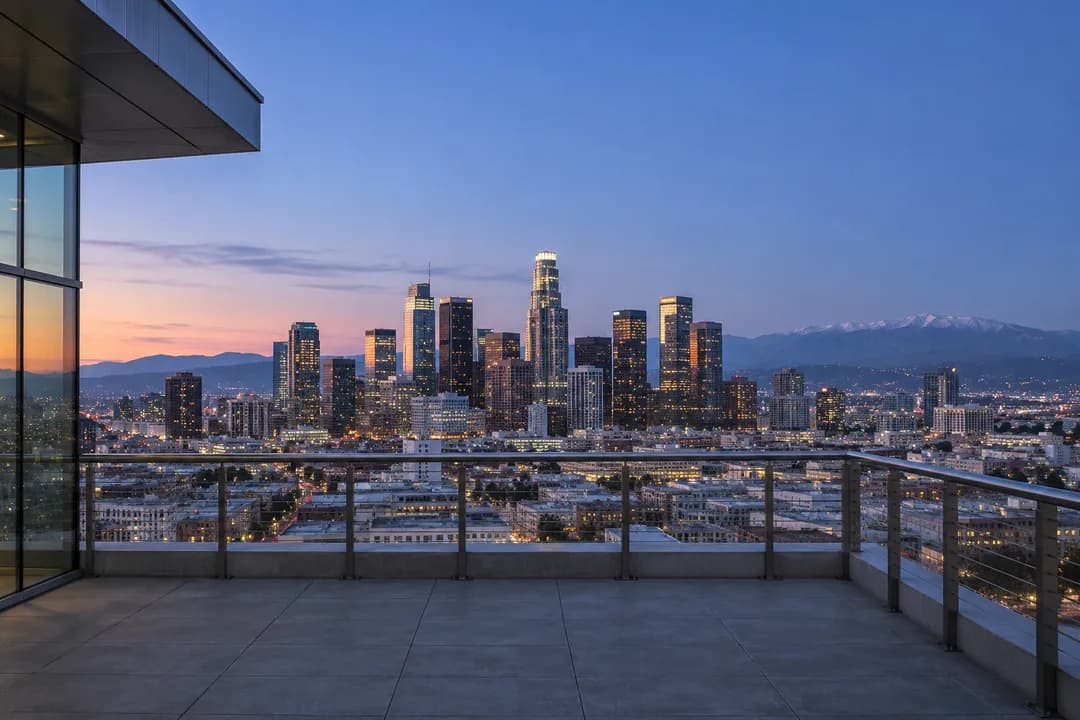
Begin your shortlist with the skyline angle rather than a famous name. A roof facing west serves a different purpose from a platform that looks toward the east-facing high-rises. Note whether the view is open air, enclosed behind glass, or split between both. Those distinctions affect glare, wind, camera focus, and how easily someone can step away from the edge when the city feels visually intense.
Downtown blocks create a useful rhythm before and after the ascent. A group can gather near a rail station, walk past a civic facade, then leave room for the building’s own security process. Keep the route loose; elevators pause, lobbies redirect visitors, and a crowded sidewalk can make a short connection feel longer. The best plan has one visual anchor and no fragile chain of timed stops.
Read Light Between Towers
Use a simple comparison card for every candidate: public entry evidence, direction of the principal view, indoor fallback, and a comfortable place to pause. Add a note about whether the roof is better for a single photograph or for lingering conversation. Karpo APP can hold those observations beside saved places, so the group sees the trade-offs instead of arguing from memory while standing on a noisy street.
The strongest downtown image usually comes from waiting through the transition rather than pressing the shutter at the first orange streak. Let the foreground settle: parapets, water tanks, neighboring windows, and the grid of traffic all give scale. A wide frame explains the basin; a tighter frame records one tower catching light. Step aside between attempts so other visitors can share the same narrow viewing edge.
Ask Access Questions Early
Comfort deserves the same attention as scenery. Ask about stairs, elevators, enclosed rooms, seating, and wind exposure before committing a mixed group. Someone who dislikes heights may prefer a lower terrace with a broad city view. Someone carrying a camera may need a stable surface and permission for a small tripod. These questions turn a pretty listing into a realistic plan for real people.
Crowds are easiest to manage when your schedule has breathing space. Rather than promising a precise wait, mark the periods your group can tolerate and the signal that means “switch.” A busy lobby, a closed upper level, or a horizon erased by marine haze can all trigger the backup. Save a ground-level gallery, plaza, or neighborhood cafe as a second chapter, not as a failure.
Build a Flexible Evening
Give the surrounding streets a role after the view. Downtown has plazas, murals, transit corridors, and blocks where the building scale changes quickly. Choose one nearby stretch for a slow decompression walk and one sheltered stop for conversation. Avoid invented distances; the useful instruction is to leave enough time for crossings, elevators, and the small pauses that make a skyline outing feel social rather than rushed.
When photographing from a roof, protect the experience from equipment. Secure loose straps, avoid leaning on barriers, and test exposure against bright sky before the color peaks. Glass can create reflections that look like extra towers, while mesh can trick autofocus. Make one frame with the phone away, then review it from a safe standing position. The view is the subject; the device is only a record.
Practical Notes for the Roof
For a first visit, choose a question the deck can answer. “How does the street grid meet the hills?” produces a different route from “Where does the last light land?” Write the question in your shortlist and score each candidate against it. This keeps the page useful even when a venue changes access rules, because the planning logic remains portable and transparent.
Groups with different energy levels should agree on an exit cue. It might be the moment the color fades, the wind rises, or one person wants a quieter room. A rooftop stop does not need to fill an entire evening. Pair it with a simple meal or a public square afterward, and leave the final leg open enough for an unexpected conversation about the buildings you just watched change.
Practical Notes and Exit Plan
Practical preparation is modest: shoes with a secure sole, a light layer, a charged phone, and a backup that does not depend on the roof. Keep notes about the exact access language you found, including whether entry is public, ticketed, timed, or limited to another activity. Delete assumptions that came from a photograph. The page should help you ask better questions, never imply a feature that was not established.
Before you leave Downtown LA, review the shortlist once with the whole group. Pick one primary deck, one alternate viewpoint, and one indoor reset. Record the desired light, the tolerance for wind and standing, and the neighborhood mood you want afterward. That small act of planning turns “rooftop observation deck near me” into a calm, specific outing that can adapt without losing its point. Add a final review of transit, weather, and group energy before locking the plan. Write down what the view should reveal, which questions still need an official answer, and where everyone will meet if the upper level is unavailable. This small checklist protects the outing from vague promises and keeps the observation deck in its proper role: a chosen vantage point inside a larger Los Angeles evening. Keep the practical notes specific: write the preferred arrival window as a personal choice, record whether the group needs a lift or a sheltered pause, and save a ground-level alternative that does not depend on a rooftop ticket. Notice the city in layers rather than chasing every landmark. Downtown rewards a measured gaze, and a measured plan leaves room for the exact color, sound, and conversation that made the evening worth arranging.
Ask Karpo for more information.
Keep reading
- Mar Vista Winter Farmers Market Picker for Weekend Cyclists
 Downtown LA Winter Farmers Market Picker for Car-Free Hosts
 Larchmont Winter Farmers Market Picker for Kimchi-Making Day