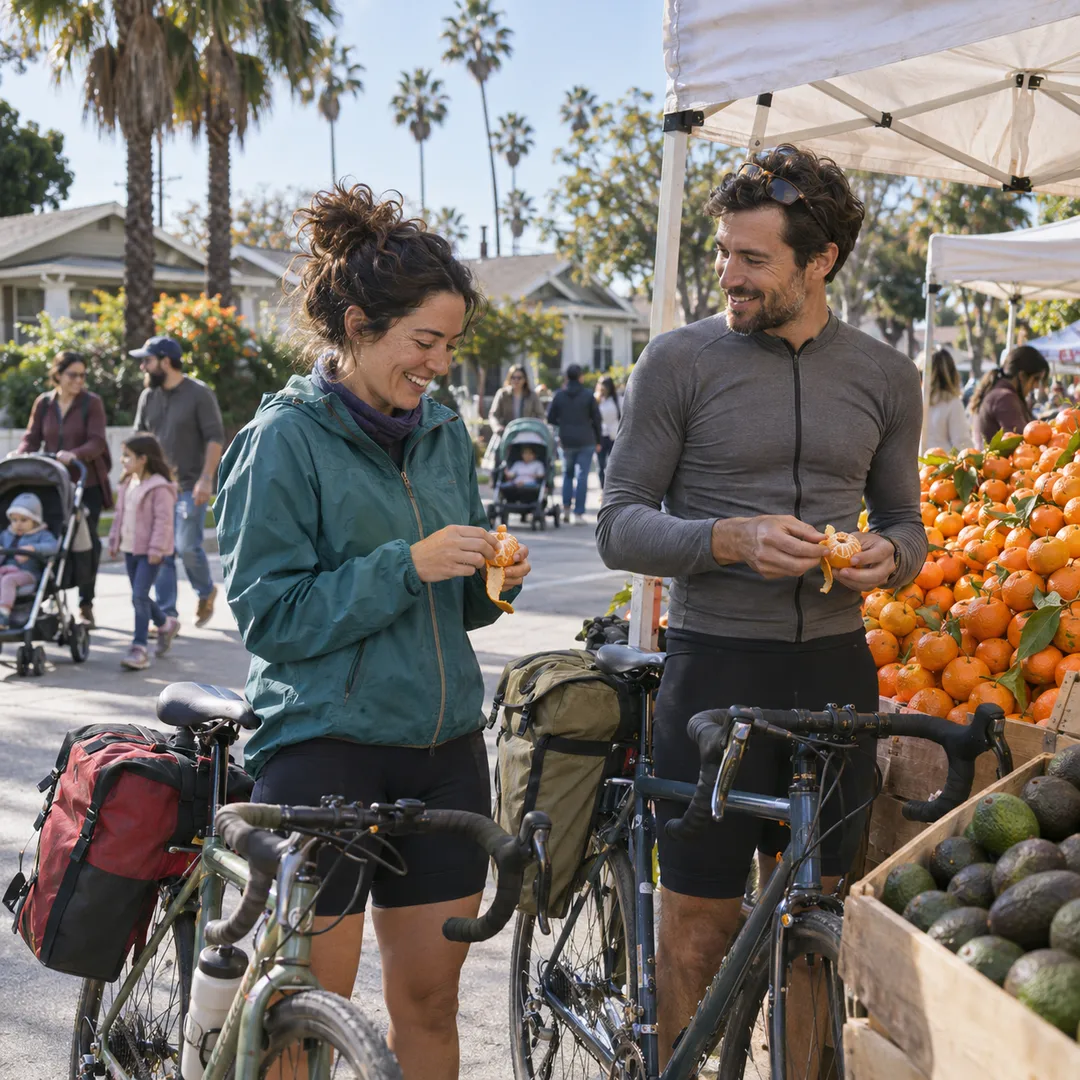
 Mar Vista Winter Farmers Market Picker for Weekend Cyclists
Weekend Plans

Rooftop Observation Deck in Arts District: Night View Plan
Plan an Arts District rooftop observation deck night around warehouse walls, lit windows and rail lines, then check access, darkness and the route down.
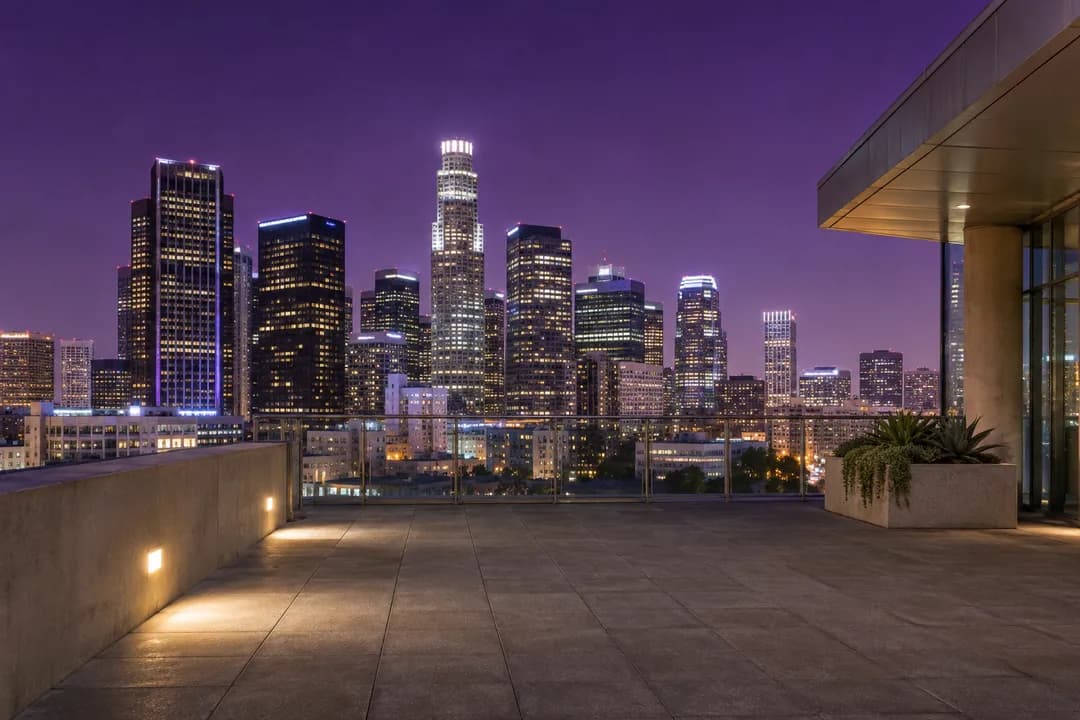
An Arts District rooftop observation deck changes the subject from sunset color to night structure. Warehouse walls, lit windows, rail lines, and the downtown glow form a pattern that rewards patience. Decide whether your group wants a high skyline, a close study of roof texture, or a calm place to watch lights switch on. Then compare public access, darkness, shelter, and the route back to street level.
Set a Nighttime Question
Night views need a stronger distinction between what is visible and what is merely suggested. Note the direction of the principal lights, the amount of glass between you and the scene, and whether the roof has an enclosed option. A dark photograph can hide barriers and stairs, so comfort questions belong at the beginning of the shortlist. The most memorable frame is still one everyone can reach safely.
The Arts District gives the evening a natural before-and-after shape. Gather on a public street, allow time for a lobby or elevator process, then descend into blocks where murals and industrial facades reset your eyes. Keep the route conceptual rather than promising a specific number of minutes. At night, crossings, closures, and group pace matter more than a perfect map line.
Find Texture in the Grid
For each candidate, record five fields: lighting quality, orientation, edge comfort, access evidence, and a nearby place to regroup. Add a note on how much conversation the setting allows. Karpo APP can keep those observations beside the saved listing, making it easier to choose a roof that suits your group instead of chasing the brightest thumbnail.
Night photography benefits from a slower rhythm. Let your eyes adjust before judging the exposure, brace the camera without leaning on the barrier, and look for a frame where one bright window balances a darker roof plane. Avoid using a screen as your only way to see the city. Make one photograph, put the device away, and notice which sounds rise from the streets below.
Plan for Dark-Edge Comfort
Comfort after dark is more than a preference. Ask about enclosed areas, seating, elevators, stair lighting, and where a person can pause without blocking others. If someone feels uneasy at an exposed edge, build the plan around a lower terrace or a lit interior view. A shared night out works when every traveler knows how to step back without having to justify it.
Crowds and closures are easier when the group has a clear replacement. If the roof is full, an upper level is unavailable, or the light feels harsher than expected, switch to the alternate. Keep a ground-level gallery, plaza, or cafe in reserve. The backup should preserve the Arts District mood—texture, contrast, and conversation—without depending on the same access point.
Keep the Route Flexible
After the view, walk where the lighting changes. A mural wall, a loading-bay facade, or a quieter side street can echo the geometry you noticed above. Avoid claiming a guaranteed route or naming features you have not established. Give the group one visual prompt, such as “find three kinds of industrial light,” and let the neighborhood supply the rest.
Night equipment should remain quiet and compact. Ask whether tripods or flash are permitted, keep straps secure, and avoid bright screens near other viewers. Reflections multiply in glass, while autofocus may grab a light instead of the skyline. A short, deliberate sequence produces a truer record than a barrage of identical frames and leaves the narrow viewing edge available to everyone.
Practical Notes After Sunset
Use an observation question that gives the darkness structure. You might compare warm window light with cool signage, or watch how a single tower anchors the low roofline. Score each deck against that question and against the group’s tolerance for standing. The method keeps the search useful if haze, lighting, or access changes on the night you planned.
Not every traveler wants the same ending. Decide whether the group will leave when the strongest lights appear, after one last photograph, or when conversation becomes difficult. Choose a meeting point below and keep an indoor reset available. The plan can be short and still feel complete; a rooftop is a chapter, not an obligation to stay until closing.
Practical Notes and Exit Plan
Bring secure shoes, a layer, and a charged phone. Keep the official entry language with your notes and separate it from social-media assumptions. If the listing cannot establish public access for your intended visit, do not turn a photograph into a promise. Choose a different candidate and preserve the night’s theme through the route, not through unsupported details. The page is strongest when it records the small choices that make the night humane: where a person can stand without blocking a photograph, when the group pauses, and what visual detail everyone is watching. Keep those choices beside the route so the final memory belongs to the people who shared it, not only to the tallest outline in the distance.
Before leaving, name the primary deck, the alternate, the lighting question, and the comfort limit that ends the visit. Save one ground-level reset and a meeting point. With those decisions in place, “rooftop observation deck near me” becomes a thoughtful Arts District night plan instead of a gamble on a glowing thumbnail. Add a final check of the lighting question, the edge comfort boundary, and the place where the group reunites below. Keep the route open to a mural, facade, or indoor pause that echoes the night textures. Clear limits make the Arts District evening feel more vivid, because everyone can look up without wondering whether the next step has been invented. Keep the practical notes visible: preferred lighting, acceptable crowd level, comfort boundary, official access wording, and the place the group can regroup. Night scenes become richer when travelers are not busy solving logistics in the dark. The guide should support a deliberate pause, a few honest photographs, and a finish that lets the Arts District’s textures stay in memory after the bright signs fall behind.
Ask Karpo for more information.
Keep reading
- Mar Vista Winter Farmers Market Picker for Weekend Cyclists
 Downtown LA Winter Farmers Market Picker for Car-Free Hosts
 Larchmont Winter Farmers Market Picker for Kimchi-Making Day