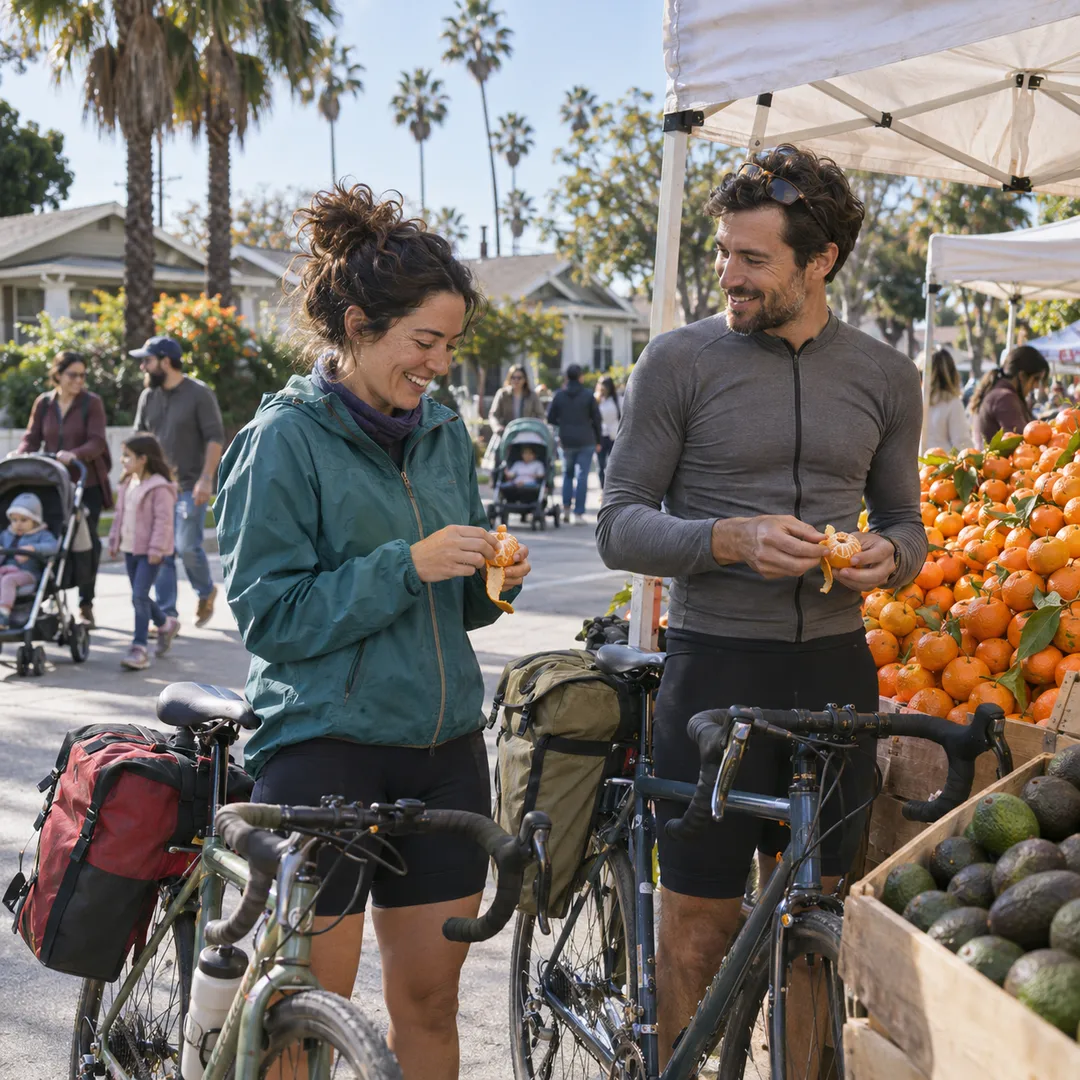
 Mar Vista Winter Farmers Market Picker for Weekend Cyclists
Weekend Plans
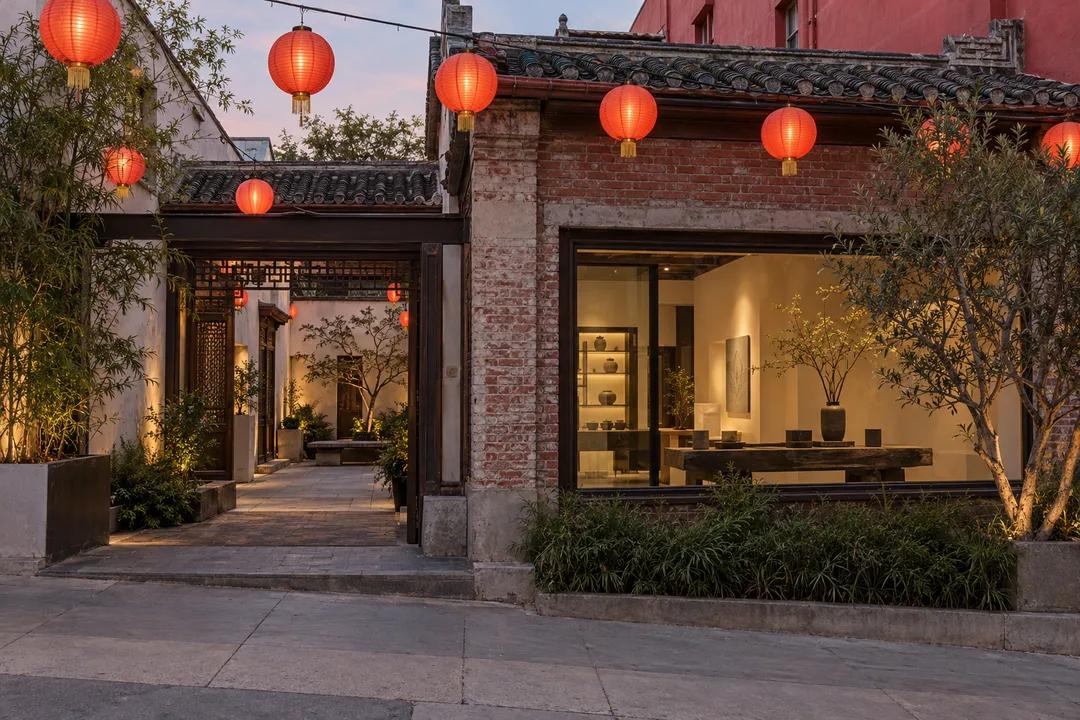
Perfume Making Workshop Near Me in Chinatown: Art and Olfaction
The Institute for Art and Olfaction at 932 Chung King Road hosts hands-on perfume making workshops, open blending labs, and artisan scent classes in historic Chinatown Los Angeles.
The Institute for Art and Olfaction at 932 Chung King Road operates as a nonprofit experimental laboratory devoted to public access, creative education, and artistic experimentation in fragrance. Founded in 2012 by executive director Saskia Wilson-Brown, this Chinatown institution demystifies the traditionally secretive perfume industry through accessible blending sessions and rigorous hands-on classes. For scent enthusiasts searching for an authentic perfume making workshop near me, the institute offers an unpretentious creative environment where professional materials, digital gram scales, and rare aromatic molecules are placed directly into the hands of curious visitors.
Experimental Scent Formulation and Open Lab Mechanics
Workshops at the institute depart sharply from commercial boutique perfume bars by treating scent blending as both an experimental craft and an accessible art form. Rather than choosing from pre-blended accords, students learn how professional perfumers construct intricate olfactory architecture from basic raw materials. Guided introductory sessions introduce participants to the three classic structural tiers of perfumery, demonstrating how volatility rates dictate the sensory transition from fleeting top notes to enduring resinous drydowns.
Instructors walk students through systematic formula notation on printed laboratory worksheets, recording precise drop counts and percentage weights for every raw material. Beginners quickly discover that a single drop of powerful natural civet or concentrated birch tar can overpower twenty drops of delicate bergamot peel oil. The studio maintains an encouraging and non-judgmental atmosphere where unexpected scent combinations are actively embraced, allowing students to explore unconventional aromatic paths including earthy damp soil tinctures, ozone maritime notes, and smoky incense accords.
Hands-on trial iterations form the core of the learning method, with students mixing small test batches before committing to a final thirty-milliliter bottle. Each trial is evaluated on clean paper blotter strips at five-minute intervals to observe how individual compounds blossom as the carrier alcohol evaporates. The open studio layout fosters collaborative discussions across the central pine workbenches, where amateur perfumers trade sensory feedback and compare how identical botanical essences develop differently on human skin.
Fragrance Note Library, Dilutions, and Lab Tools
The laboratory library houses hundreds of carefully diluted aromatic materials stored in amber dropper bottles along alphabetized steel shelving. Students work with high-grade natural essential oils, complex botanical absolutes, and essential synthetic aroma chemicals such as Hedione, Iso E Super, and Ambroxan. Every bottle is diluted to ten percent or one percent concentrations in perfumer's alcohol to ensure olfactory safety and make delicate balance calculations manageable for novices.
Top notes featured on the student organ include crisp Italian green mandarin, pink peppercorn, Calabrian bergamot, and distilled lavender spikes. Heart materials encompass Bulgarian rose absolute, Egyptian jasmine grandiflorum, earthy violet leaf, and spicy cardamom seed. Base foundations rely on sustainably sourced Virginia cedarwood, aged Indonesian patchouli, warm labdanum resin, and velvety synthetic white musks that anchor lighter floral harmonies to the skin for hours.
Working tools are strictly professional grade, providing students with authentic lab immersion rather than simplified craft kits. Participants manipulate disposable glass pipettes, stainless steel spatulas, clean glass beakers, and digital scales accurate to one-hundredth of a gram. To reset fatigued sensory receptors during long blending sessions, students step outside into the courtyard fresh air or sniff clean wool sleeves rather than roasted coffee beans, which quickly oversaturate olfactory receptors.
Chung King Road Studio Access and Workshop Booking
The Institute for Art and Olfaction is tucked inside the historic pedestrian alley of Chung King Road, just north of College Street in Los Angeles Chinatown. Studio open sessions take place on select Friday afternoons from 1:00 pm to 5:00 pm, while structured weekend introductory workshops and masterclasses run on scheduled Saturdays and Sundays. The entrance is marked by discreet gallery signage and warm amber illumination through large multipane glass front windows.
Pricing reflects the organization's non-profit mission to maintain accessible entry points for independent scent artists and curious beginners. Standard Open Session lab access costs $50 per person, while structured introductory perfume-making workshops cost $85 per participant. Advanced specialized weekend masterclasses and natural perfumery intensives are priced at $135, covering all materials, safety equipment, and take-home fragrances.
Advance reservations are required for all instructional programs through the institute official website at artandolfaction.com, as class sizes are strictly capped at twelve participants. Public transit access is convenient, with the Metro A Line Chinatown Station located just two blocks east along Spring Street. Drivers can find paid street parking along North Broadway or utilize the public surface parking lot at 933 North Broadway directly adjacent to Chung King Court.
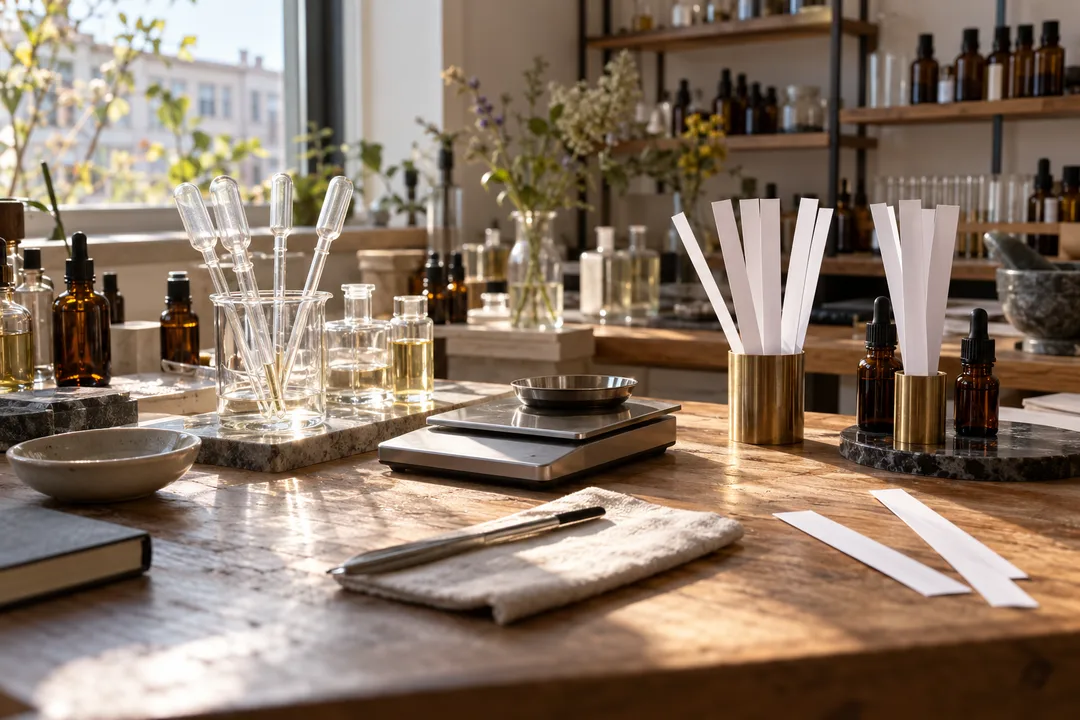
Chinatown Arts District Strolls and Heritage Stops
Chung King Road provides an ideal pedestrian environment to explore before or after a focused blending session in the lab. This historic mid-century pedestrian plaza was established in the 1930s and later became a vibrant epicenter for contemporary art galleries, artist studios, and community gatherings. Strolling down the brick walkway reveals independent art spaces, lantern-strung courtyards, and quiet historic storefronts that feel worlds away from the busy downtown core.
A short two-block walk brings visitors to the bustling Chinatown Central Plaza, where century-old bakeries stand alongside modern cafes and culinary destinations. Stop by Phoenix Bakery at 969 North Broadway for their legendary fresh strawberry whipped cream cake, or head across the plaza to Steep LA for ceremonial cold-brewed oolong teas served in an elegant tea room setting. The calm pacing of the neighborhood allows newly created scent formulas time to settle and breathe naturally in the fresh outdoor air.
Art lovers can also visit nearby historic landmarks including the Chinese American Museum on Los Angeles Street and the contemporary exhibitions at Tierra del Sol Gallery. Taking a slow stroll around the neighborhood gives your freshly bottled fragrance formula time to react with the surrounding ambient warmth, revealing how subtle top notes transition toward stable woody foundations over the course of an afternoon walk.
Practical Laboratory Rules and Bottling Guidelines
Arriving with completely unperfumed skin is an essential rule for all laboratory participants at the institute. Scented lotions, essential oil deodorants, and lingering hair mists interfere with precise olfactory evaluation and distort formula accuracy for everyone in the room. Guests should wear casual comfortable clothing and flat shoes suitable for standing at laboratory workbenches during focused pipette transfers.
Once a final formula is completed, students transfer their finished concentrate into a thirty-milliliter glass atomizer bottle and dilute it to eau de parfum strength with pure organic grape alcohol. Instructors provide adhesive labels to record the formulation name, date, and batch code for personal archiving. The studio keeps a digital copy of all student formula worksheets on file, allowing attendees to return during open lab hours to scale up or refine their signature scent.
Freshly blended perfumes require a maturation resting window of at least two weeks in a cool dark cabinet before reaching optimal sensory cohesion. During this maceration period, alcohol harshness softens and raw botanical notes seamlessly marry with synthetic fixatives. The Institute for Art and Olfaction delivers an empowering, intellectually rigorous experience that transforms the art of personal perfumery from a commercial luxury into an intimate personal journey.
Ask Karpo for more information.
Keep reading
- Mar Vista Winter Farmers Market Picker for Weekend Cyclists
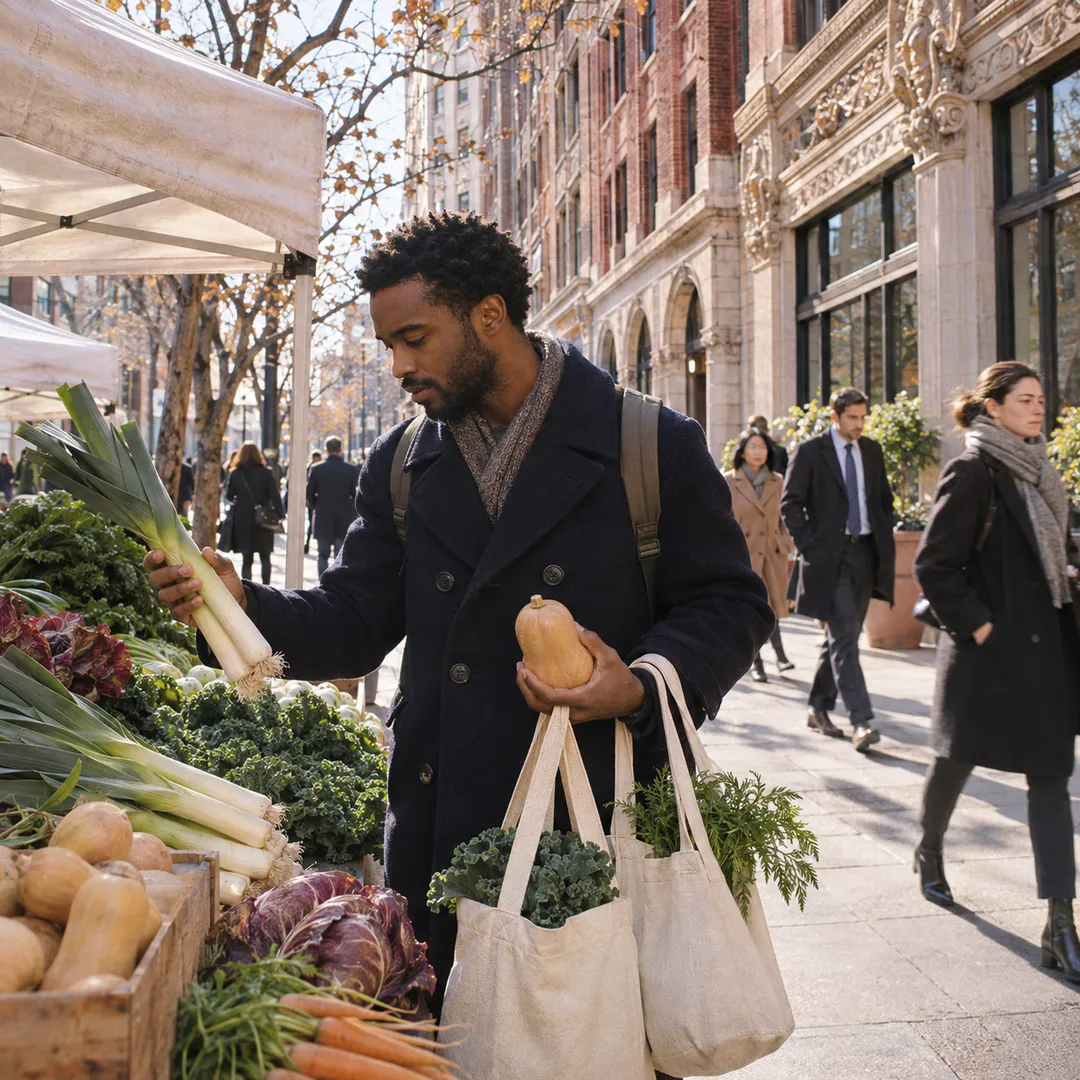 Downtown LA Winter Farmers Market Picker for Car-Free Hosts
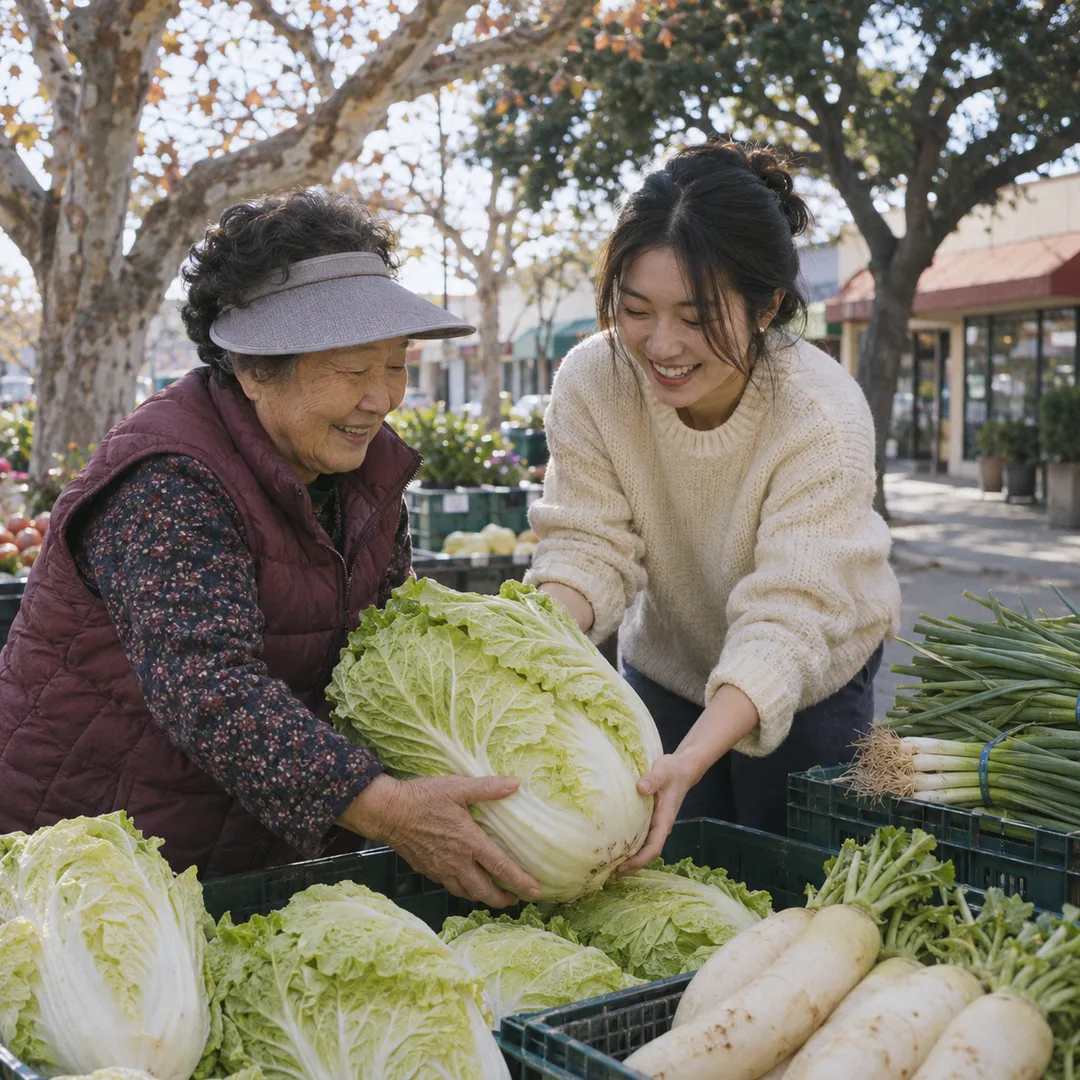 Larchmont Winter Farmers Market Picker for Kimchi-Making Day