 Mar Vista Winter Farmers Market Picker for Weekend Cyclists
Weekend Plans
LA Midpoint Meetup Planner: Meet Along the E Line
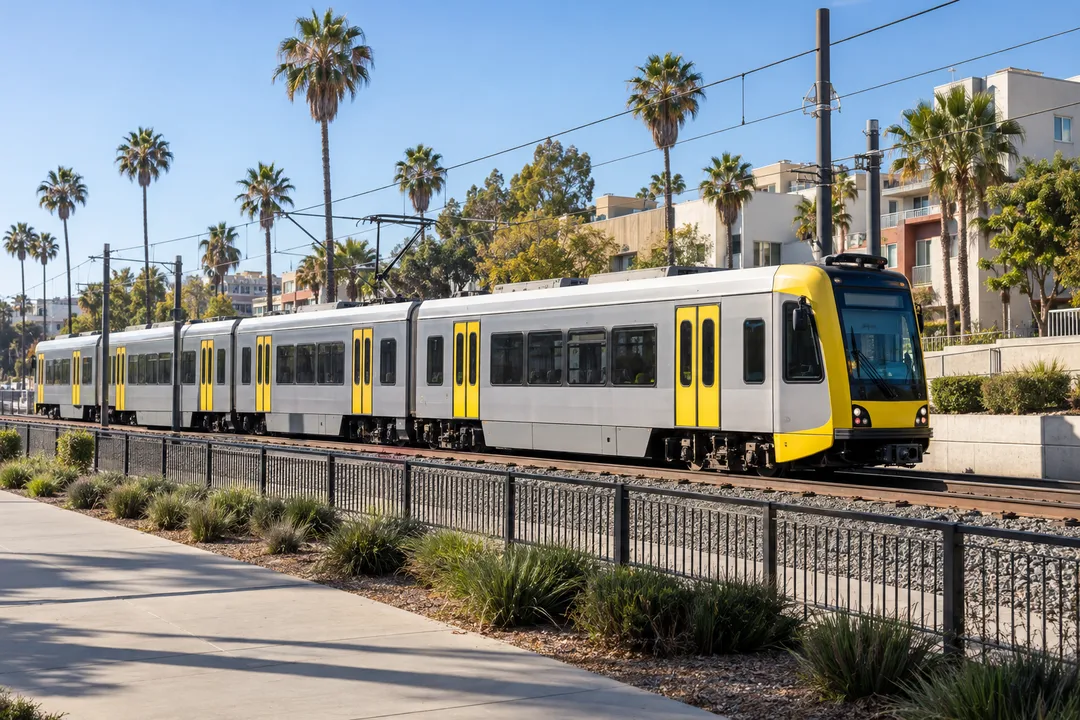
Plan an E Line catch-up around each rider's whole journey, the station exit and the return trip, then narrow the food options to a walk everyone can manage.
A car-free meetup needs more than a place halfway along a colored line. One friend may board directly, another may take a bus first, and someone else may have a longer walk at the far end. Use a midpoint meetup planner to compare those complete journeys before selecting a cafe or casual meal. LA Metro's E Line includes Downtown Santa Monica and Culver City among its stations, but a station on the same line is only a candidate until the group's actual travel needs fit.
Before the search: collect each rider's full journey
Ask people for the station they expect to use, how they will reach it and the time they can begin traveling. Include a feeder bus or a walk from work where relevant. You do not need home addresses to make the first decision. A rider can keep a precise starting point private while sharing the station and the practical limit that the organizer needs to understand.
Pay attention to transfers. Two riders may spend a similar time on the E Line while having very different total trips because one needs another service. Rather than equalizing the number of stations, compare the effort from departure to the meeting entrance. The person with a less direct journey should have a voice in the choice before the group settles on a destination simply because its station name is familiar.
Time together is another input. A short coffee meeting can become less appealing when reaching it requires several stages, and a longer gathering may be easier to justify. Decide how much of the day people want to spend on the outing as a whole. Then identify the part that must be shared and the parts, such as browsing or an extra walk, that can remain optional.
At the station: choose an exit people can find
Once you have a candidate stop, choose a specific station exit or gathering point. Meeting at the station can be ambiguous when friends approach from different directions. A clear shared pin and a simple entrance description reduce the need for somebody to stand in place while directing everyone else. Keep the gathering point separate from the final venue if the group intends to walk there together.
The walk deserves its own decision. Ask whether everybody is comfortable with its length, crossings and route conditions. A straight-line distance on a map cannot establish a continuous accessible path. If somebody needs a step-free approach, select an actual route and entrance that meets that requirement. Do not describe a venue as accessible merely because it appears close to a rail station in search results.
Agree on how long the group will wait before moving on. A friend delayed on a feeder service may prefer to join at the venue rather than have everyone wait outside. Give them the final destination and the name under which the party is meeting, if relevant. The arrangement should make a late arrival easier without requiring continuous personal location sharing or an expectation that every message receives an immediate reply.
At the table: make the venue fit the transit plan
Now build a food shortlist around the station decision. A casual place with appropriate seating and food for the group's needs is more useful than a photogenic destination that adds an uncomfortable walk. Specify whether people want coffee, a full meal or an alcohol-free evening. Those preferences belong in the search request alongside the arrival station, rather than being left for attendees to negotiate after traveling.
If a food hall appears on the shortlist, assess its actual seating and ordering arrangement. The category alone does not establish that the party can sit together or arrive independently. Likewise, a lounge may have admission conditions that do not suit a casual gathering. Only attach a specific policy to a named venue when its own information supports that claim. This scenario does not promise any particular business next to a station.
Avoid adding destinations simply to make the outing seem more substantial. A second stop can lengthen the walk and complicate the return for somebody who chose transit specifically to keep the day simple. A single comfortable meeting place may give the group a better experience. If an extension sounds appealing, let friends decide separately after the essential gathering rather than building an unannounced itinerary around them.
Build the homeward trip before making the invitation
An outward journey that works does not automatically settle the return. Riders may leave at different times or need different connections. Have each person identify their own return route for the intended day and finish, using Metro's journey information and service notices. Keep this separate from a discovery app's recommendations: the article supplies a planning method, not a timetable, fare quotation or guarantee that a connection will operate as expected.
Choose a finish that leaves a comfortable margin for the riders' own plans. If someone wants to continue afterward, make that a separate group decision with its own return arrangements. A person leaving at the agreed time should not have to explain why they are leaving early. The scheduled end is part of the invitation, and respecting it is one of the simplest ways to make another car-free gathering more likely.
Put the agreed brief into Karpo APP
Karpo publicly describes receiving mood, budget, neighborhood and companion details, and its FAQ says friends can share picks and compare options. Those are useful ingredients for a discovery request: describe the social occasion, identify the chosen arrival area and state the group's walking needs. Ask for ideas that match those preferences, while keeping transit routing and any table booking with the relevant service or business.
The LA setting here remains a planning example. Karpo's stated initial coverage includes New York City, San Francisco, Miami and London, rather than an explicit LA launch commitment. Use Karpo APP's available destinations as the boundary for product discovery. If LA is absent, keep the brief as a ready-to-share plan for your friends instead of assuming the app has a rail-specific midpoint tool or live service monitoring.
Practical Notes for the invitation
Send one message containing the chosen station, the gathering point, the proposed time and the final venue once selected. Add the expected walking arrangement and an agreed finish. Do not include fare estimates or service frequencies unless you are deliberately supplying current official travel information. For this planning exercise, the more useful detail is who will wait where and how a delayed friend can join the group.
Keep the fallback compatible with the same station and access needs. Switching to a distant destination can undo the careful comparison that made the meetup possible. Afterward, ask whether the exit was easy to find and whether the shared time felt worth the total journey. Those answers give your next car-free invitation a practical starting point, even when the riders and their departure stations change.
Ask Karpo for more information.
Keep reading
- Mar Vista Winter Farmers Market Picker for Weekend Cyclists
 Downtown LA Winter Farmers Market Picker for Car-Free Hosts
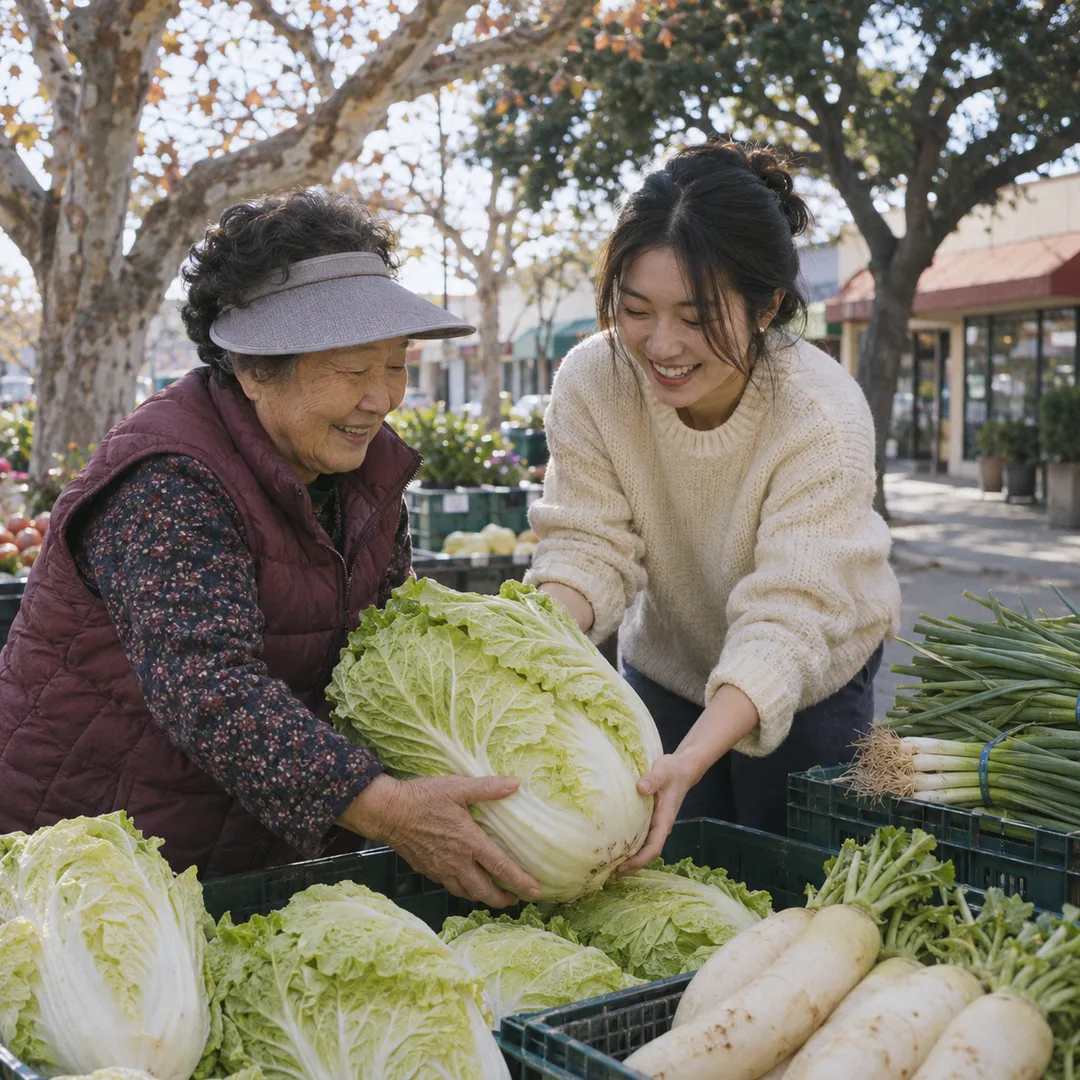 Larchmont Winter Farmers Market Picker for Kimchi-Making Day