 Mar Vista Winter Farmers Market Picker for Weekend Cyclists
Weekend Plans
LA Local Event Finder: 3 Questions Before Joining Workshops
Find LA workshop ideas by distinguishing hands-on sessions from demonstrations, then compare the teaching level, physical demands and materials involved.
Before choosing an LA workshop, ask what you will do, what the session expects you to know and what you will need to bring. These three questions make a local event finder more useful than a gallery of finished objects. A demonstration can satisfy curiosity without hands-on work, while a practical class asks you to participate. Use Karpo APP to describe which experience you want. The examples below outline a decision process and do not describe a specific class, instructor, price or available place.
Will you watch a process or practice it yourself?
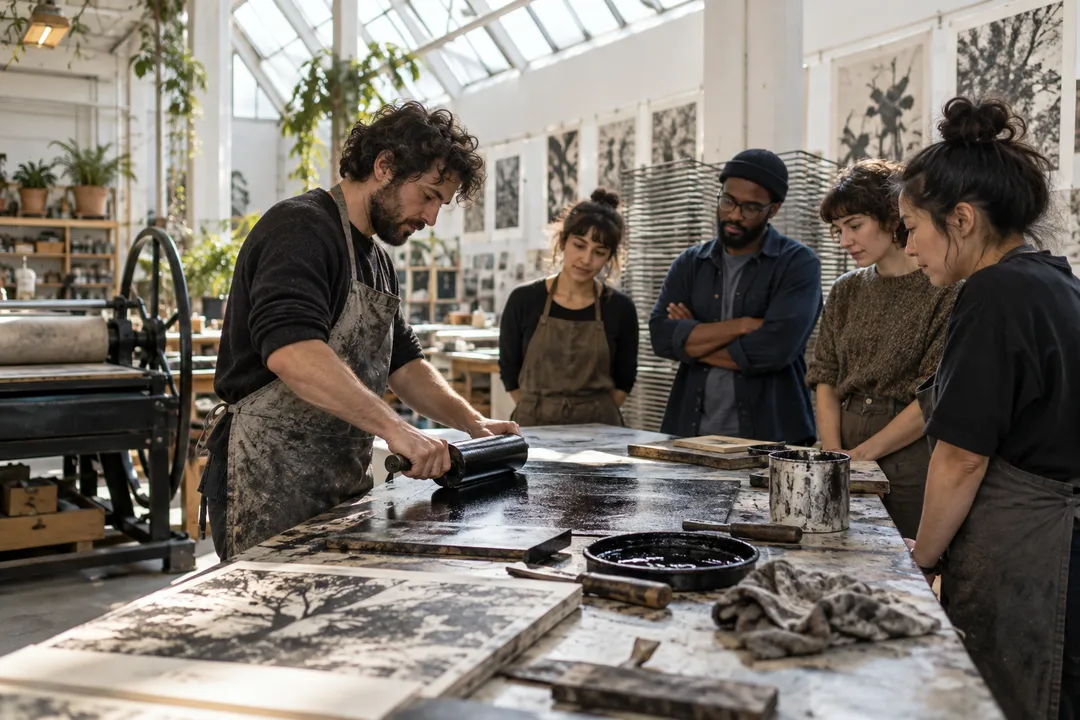
Watching an experienced person work can be a satisfying activity in its own right. You can learn how a process unfolds without wanting to handle the equipment immediately. If that is your preference, request demonstrations rather than assuming every workshop requires making an object. The organizer's format should explain the participant's role. An image of tools on a table does not establish whether an audience watches, takes turns or works independently throughout the session.
Hands-on participation creates different practical questions. You might work through one project, share equipment or rotate between stages. Read the advertised session description for those arrangements instead of importing assumptions from another class in the same craft. If you want sustained practice rather than occasional observation, put that condition in your request. A useful recommendation should explain how the format supports it, with any missing detail kept separate from the claims that are documented.
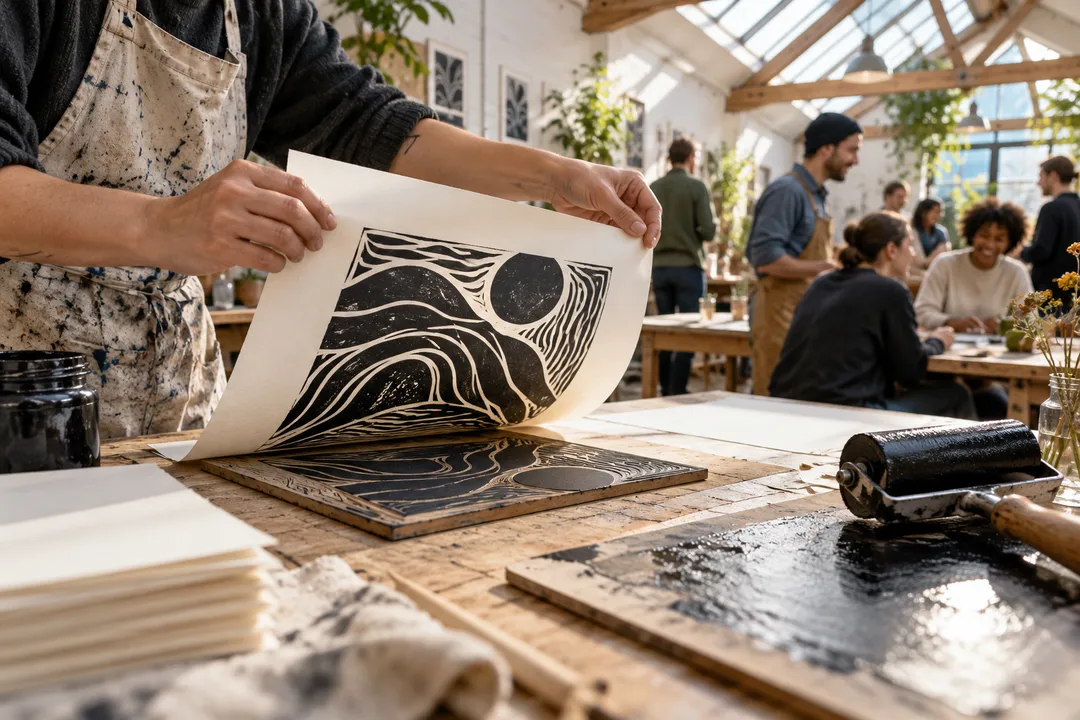
Consider whether the object or the experience matters more. Someone making a gift may need a particular result or collection date, while another person simply wants to try a technique. Those are different tasks for the search. A first attempt can be enjoyable even when it does not resemble the promotional work. Choose a session because you want to participate in its process, rather than relying on a professional photograph as a promise about what you will produce.
What knowledge does the session assume?
Tell Karpo your starting point plainly. “I have never used printing equipment” or “I know the basics and want guided practice” gives the search more direction than a broad description of your creativity. A beginner label can mean different things across providers. The relevant program should state whether it teaches the fundamental handling and preparation needed for the activity. Keep a requirement for prior experience visible instead of smoothing it into an appealing summary.
The teaching arrangement can matter as much as the subject. A guided session offers a different level of structure from open studio time, and a small-group course differs from a public demonstration. You can prefer one approach without claiming it is universally better. Explain what helps you learn: following a sequence, observing first or having room to experiment. Ask for candidates whose descriptions support that style rather than assuming every instructor adapts the whole format around an individual request.
A sample brief could be: “Help me find an LA creative session for this date. I want to try the process myself, and I have no experience with the tools. I prefer guided instruction to independent studio time. Compare a demonstration and a hands-on introduction, explaining what I would actually do in each.” Replace the example with your own interest and learning level. It is a proposed request, with no promise that a matching class exists that day.
Which materials and practical conditions come with it?
Read inclusions before comparing a headline price. Tools, materials and later finishing can be handled differently by different providers. A fee might cover one stage while another charge applies to supplies or collection. Do not fill a missing amount with an estimate. This article uses no actual workshop prices. The useful comparison is between the specific inclusions and terms the organizer publishes for the session you are considering.
A project may need drying, curing or another finishing stage before it is ready to take away. That can matter if you are visiting briefly or want to give the object to someone on a certain date. Use the provider's instructions about collection or delivery rather than assuming everything leaves with you at the end. The finished example in a photograph cannot establish the timing of a participant's own work.
Clothing, movement and equipment requirements deserve their own reading. If you need a seated setup or want to avoid a particular material, make that an essential condition rather than an afterthought. Ask for the relevant published information or identify a specific question for the organizer. Avoid inventing safety rules for an unnamed studio. Your decision should rest on the requirements of the actual activity and the way you can comfortably participate.
Choose the session that fits the rest of the day
Give the class enough room in your schedule to arrive before instruction starts. The opening can include the handling of tools or the first stage of the project. Your own travel allowance should account for finding the stated entrance without treating a last-minute arrival as the plan. A workshop is a useful anchor for an outing, and it deserves more attention than a stop squeezed between two unrelated timed commitments.
Keep a neighborhood walk or meal separate from the class decision. You might want time to talk about the experience afterward, or you might be carrying something that makes a long detour inconvenient. Leave that choice open until you know the session's arrangements. There is no need to name a café or another attraction to make a workshop outing complete. Any additional destination should have its own reliable information if it becomes part of the commitment.
Skip a candidate if it requires preparation or equipment you do not want to arrange. The fact that a project looks appealing does not make the practical demands disappear. A demonstration or another craft can offer a better fit for this date. Ask Karpo to retain your interest while changing the participation level. That is a meaningful refinement of the search, and it can reveal a more comfortable way to explore the same curiosity.
Practical Notes before joining a creative session
Record the exact date, duration, participation format, required materials and collection terms. Read the organizer's cancellation and admission instructions before completing its booking process. An idea in a conversation is not a reserved workstation, and no example here establishes live capacity or a particular provider's policy. Keep the actual confirmation separate from the comparison so the next step remains clear.
Start your Karpo APP request with the process you are curious about and how actively you want to take part. Add your experience level and practical limits. Compare candidates using the three questions about participation, knowledge and materials, then choose the session whose description supports your expectations. You can enjoy learning something unfamiliar without turning the first attempt into a test of talent or a promise to make a perfect object.
Ask Karpo for more information.
Keep reading
- Mar Vista Winter Farmers Market Picker for Weekend Cyclists
 Downtown LA Winter Farmers Market Picker for Car-Free Hosts
 Larchmont Winter Farmers Market Picker for Kimchi-Making Day