 Haaland Has Seven Goals and Norway Runs Entirely Through Him
⚽️2026 FIFA WORLD CUP
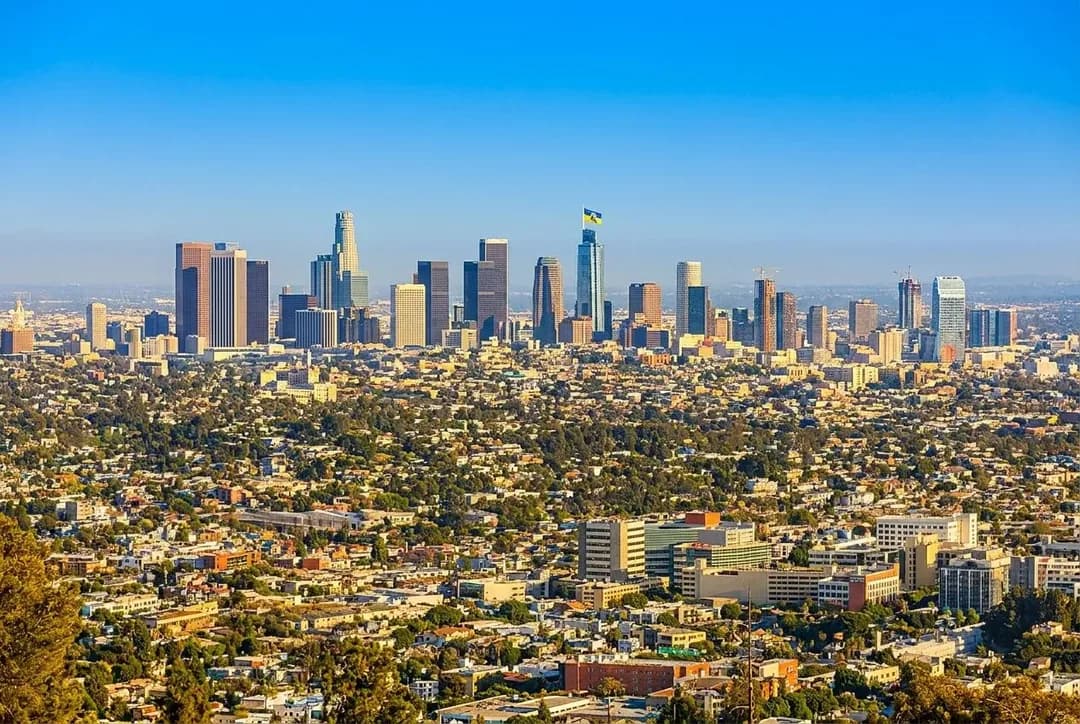
Where LA's Latino Nightlife Lights Up for World Cup Fans
Los Angeles' Latino neighborhoods transform into electric watch-party hubs when the World Cup arrives, with taquerias and cantinas offering the city's most authentic fan experience.
The Geography of Passion
When the 2026 World Cup kicks off across North America from June 11 to July 19, Los Angeles won't host matches at SoFi Stadium—but you'd never know it from the energy in Boyle Heights and East LA. These neighborhoods have been World Cup central for decades, long before Inglewood's gleaming stadium existed. The real action unfolds in family-run taquerias along Cesar Chavez Avenue, in cantinas off Whittier Boulevard, in backyard gatherings that spill onto sidewalks when Mexico, El Salvador, Guatemala, or any of a dozen other nations take the pitch.
In LA for the World Cup? Ask Karpo where Latino nightlife lights up for fans.
The Metro Gold Line becomes a fan express during tournament weeks, packed with supporters in green, blue, red, and white jerseys heading east from downtown. Grand Central Market sees its share of watch parties, but the soul of LA's Latino soccer culture lives further out, where Spanish is the first language and the game is a matter of national pride, family honor, and neighborhood bragging rights.
This is not the polished, corporate fan experience of official FIFA zones. This is where your tía saves you a seat two hours early, where the cook turns up the volume between orders, where strangers become comrades over a single brilliant pass. With 48 teams competing across three countries, the tournament's expanded format means more nations, more communities, and more reasons for these neighborhoods to light up.

Taquerias That Double as Stadiums
The best watch-party taquerías don't advertise on Instagram. They're the ones with a single flatscreen mounted high in the corner, plastic chairs dragged out to the sidewalk, and a handwritten sign promising they'll open early for morning matches. During past tournaments, places along First Street in Boyle Heights and Whittier Boulevard in East LA have served breakfast burritos at 6 a.m. for European kickoffs, then stayed open straight through to evening games.
The menu barely changes—carne asada, al pastor, lengua, the same recipes that have anchored these blocks for generations. But on match days, the rhythm shifts. Orders come rapid-fire during halftime. The kitchen works faster. Someone's cousin brings a second TV. The owner's kids wear miniature jerseys. When a goal goes in, the roar travels down the block, and you can track the score by the volume alone.
These aren't venues with table service and craft cocktails. You order at the counter, grab your own napkins, bus your own plate. The value proposition is simple: excellent tacos, cold beer, and a room full of people who care about the result as much as you do. The 2026 tournament runs through the heart of summer, which means warm evenings, open doors, and the kind of spontaneous street celebrations that turn a quarterfinal into a neighborhood holiday.
Cantinas Where the Volume Goes to Eleven
If taquerias are the neighborhood living rooms of World Cup season, cantinas are the town squares. These are the spots with multiple screens, a full bar, and a sound system that makes every referee whistle feel like a personal affront. They draw bigger crowds, louder reactions, and the kind of multi-generational gatherings where grandparents sit beside college students, all equally invested.
The best cantinas in East LA have been hosting watch parties since the 1990s, back when you had to know someone to find out which bar had the satellite feed. Now the challenge is getting there early enough to claim a table. Expect a cover charge for marquee matches—usually modest, sometimes including a drink or plate of botana. Expect the bartenders to be slammed. Expect the bathroom line to be long and the AC to be losing the battle against body heat and July sun.
What you also get: an atmosphere that no amount of production budget can manufacture. When the national anthem plays, the whole room sings. When a penalty is awarded, the collective groan or cheer is visceral. These cantinas don't just show the game; they become part of the experience, a physical space where the emotional stakes of international soccer are shared, amplified, and remembered long after the final whistle.

The Logistics of Getting There
Parking in Boyle Heights and East LA on match days is a negotiation. Street spots fill fast. Lots charge what the market will bear. The smarter play is the Metro Gold Line, which drops you within walking distance of the densest clusters of watch-party venues. The Mariachi Plaza, Soto, and Indiana stations all serve the heart of the action. Trains run frequently, and you'll share the ride with fellow fans, which means the atmosphere starts before you even arrive.
If you're driving, scout your route in advance and build in extra time. Whittier Boulevard slows to a crawl when a major match lets out. Side streets become impromptu parking lots. The post-match traffic is part of the ritual—honking horns, flags out windows, impromptu caravans celebrating a win or mourning a loss. It's chaotic, yes, but it's also the visible proof that soccer matters here in a way that transcends the ninety minutes on the pitch.
For those coming from west of downtown, Grand Central Market offers a more accessible starting point, with watch parties that lean into the tourist-friendly vibe. But if you want the real thing, you make the trip east. You navigate the crowds, you wait for a table, you accept that this won't be comfortable or convenient. The reward is authenticity, the sense that you're not watching the World Cup—you're inside it.
What the Expanded Tournament Means Here
The jump from 32 to 48 teams changes the calculus for LA's Latino neighborhoods. More nations in the mix means more communities with a stake in the outcome. Central American teams that rarely qualified under the old format now have a shot. Smaller soccer nations from across the globe will bring their own diaspora crowds, adding new flags and new languages to the existing mix. The group stage alone stretches across weeks, which means sustained energy rather than a brief spike.
This also means more opportunities for upsets, underdog runs, and the kind of Cinderella stories that turn casual viewers into die-hard fans. In neighborhoods where soccer is already the dominant sport, the expanded tournament is a gift—more matches, more drama, more reasons to gather. Taquerias and cantinas that might have hosted a handful of watch parties in past tournaments will now run events almost daily for a month.
The final on July 19 takes place at MetLife Stadium in New Jersey, far from LA's streets. But the semifinals at AT&T Stadium in Arlington and Mercedes-Benz Stadium in Atlanta will draw their own watch-party crowds here. And if a Latino nation makes a deep run, expect the energy in Boyle Heights and East LA to rival anything happening in the actual host cities. Geography matters less than passion, and these neighborhoods have passion to spare.
The Unscripted Moments That Make It Matter
The World Cup's official narrative is written in press releases and broadcast graphics. The unofficial narrative unfolds in places like these—in the taqueria where a stranger buys your beer after a last-minute goal, in the cantina where three generations argue about tactics in rapid-fire Spanish, in the sidewalk celebration that blocks traffic and nobody cares. These are the moments that don't make the highlight reel but define the experience for the people living it.
You'll see kids in oversized jerseys, faces painted in national colors, learning in real time what it means to care about something bigger than themselves. You'll see older men who remember past tournaments, past heartbreaks, past glories, watching with the intensity of people for whom this game is a thread connecting them to a place they left decades ago. You'll see the spontaneous friendships that form when two strangers in rival jerseys end up at the same table and decide mutual respect beats trash talk.
The 2026 tournament will bring its own innovations—the first-ever World Cup final halftime show, curated by Chris Martin and featuring Madonna, Shakira, and BTS, is designed for the global broadcast audience. But in East LA, the halftime show is someone's tía bringing out a tray of tamales, or the bartender turning up the jukebox between halves, or the impromptu pickup game that breaks out in the parking lot. The official spectacle has its place. This is something else entirely, something older and more durable, something that will outlast any single tournament.
Practical notes
- Take the Metro Gold Line to Mariachi Plaza, Soto, or Indiana stations for easy access to Boyle Heights and East LA watch-party hubs
- Arrive at least an hour early for high-profile matches; popular cantinas charge modest cover fees and fill to capacity quickly
- Bring cash—many taquerías and smaller cantinas don't accept cards, especially during the rush of match days
- Morning matches (early kickoffs due to time zones) often mean breakfast menus and a quieter, more intimate crowd
- Post-match traffic on Whittier Boulevard and Cesar Chavez Avenue can be heavy; plan extra time or stick around to let the crowds thin
The World Cup will crown a champion in New Jersey, but the tournament's heart beats in a thousand neighborhoods like these, where the game is personal and communal all at once. In Boyle Heights and East LA, every match is a reason to gather, every goal a shared moment of joy or despair, every tournament a reminder that soccer is more than sport—it's identity, memory, and hope wrapped in ninety minutes. The taquerias will still be there long after the final whistle, the cantinas will host the next generation of fans, and the streets will light up again in four years. For now, though, summer 2026 is the horizon, and these neighborhoods are ready.
Tags: #WorldCup2026 #LatinoSoccerCulture #WatchPartyLA #EastLA #BoyleHeights #TaqueriaLife #CantinaVibes #MetroGoldLine #SoCalSoccer #NeighborhoodGatherings #StreetTacos #SummerInLA #AuthenticExperience #CommunityFirst #BeautifulGame
Please drink responsibly. Must be of legal drinking age.
All trademarks are the property of their respective owners.
Ask Karpo first
Planning your own World Cup watch-party crawl through LA's Latino heartland, or trying to figure out which cantina will have the best energy for your team's crucial group-stage match? Ask Karpo first—we'll help you map the neighborhoods, time your Metro connections, and find the spots where the passion is real and the tacos are even better.
Ask Karpo for more information.
Keep reading
- Haaland Has Seven Goals and Norway Runs Entirely Through Him
 World Cup Trophy Ceremony Timing Medals and Postmatch Celebrations
 Olise and France's Attack: The Semifinal Tactical Question