 El Sereno Urban Staircase Walk Planner for a Study Break
Free Things to Do
Arts District Historic Civic Square Promenade Guide
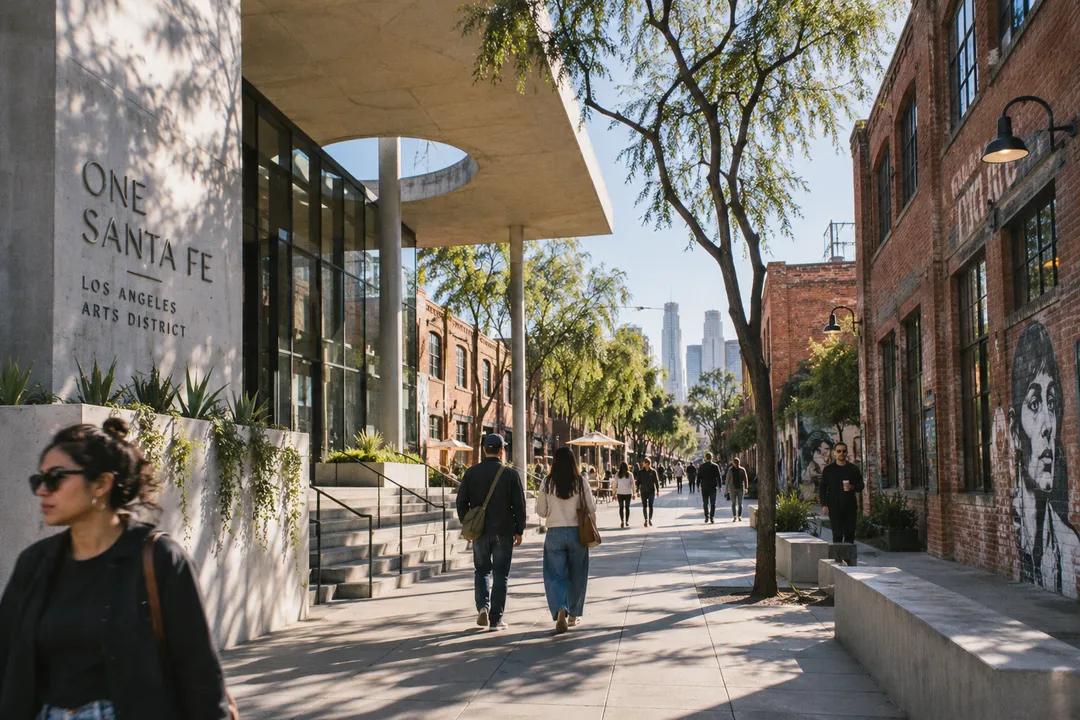
Trace Arts District historic industrial corridors and civic plazas along an engaging walking promenade connecting One Santa Fe to city squares.
Downtown Los Angeles's Arts District has transformed from a nineteenth-century agricultural rail depot into one of the nation's premier creative urban enclaves. This historic civic square promenade invites pedestrians to explore the neighborhood's industrial architecture, pedestrianized warehouse mews, and deep connections to the city's historic civic core. Walking from the linear promenade of One Santa Fe toward the foundational public spaces of El Pueblo and Grand Park, visitors discover the continuous evolution of Los Angeles's public commons across multiple centuries.
One Santa Fe Linear Promenade and Rail Heritage
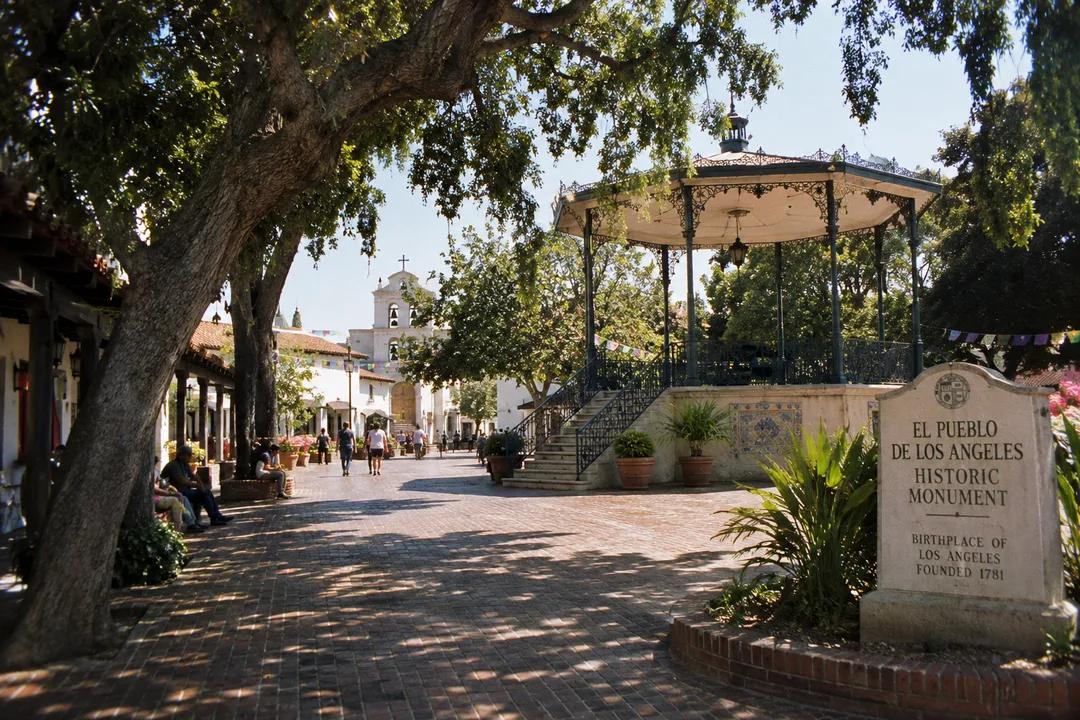
Stretching for nearly a quarter-mile along Santa Fe Avenue between Third and Fourth Streets, One Santa Fe was designed by architect Michael Maltzan and completed in 2014 directly adjacent to the historic Santa Fe rail yards. The linear building incorporates a wide, elevated pedestrian promenade and ground-level civic courtyards lined with independent bookstores, local design galleries, and outdoor dining terraces. The bold architectural form frames sweeping vistas of active freight rail tracks and the dramatic 1931 Fourth Street Viaduct.
The public concourse features polished concrete paving, integrated wooden bench terraces, and landscaped planters filled with drought-tolerant succulents and olive trees. Shaded breezeways and multi-level outdoor staircases invite urban exploration, providing public gathering platforms where neighborhood residents, architecture students, and creative professionals assemble under open skies. The development functions as a modern pedestrian bridgehead connecting the neighborhood with the Los Angeles River corridor.
Historic warehouse facades from the early 1900s, constructed with sturdy red brick and heavy timber framing, border the promenade, providing rich industrial texture that anchors the modern design in working-class rail history. Benches situated beneath cantilevered building canopies offer comfortable vantage points to admire the interplay of historic freight masonry and contemporary civic urbanism.
Traction Avenue Triangle and Industrial Plazas
Walking northwest brings pedestrians into the historic core of the Arts District, centered around the triangular intersection of Traction Avenue, Hewitt Street, and East Third Street. This area was originally established in the 1890s by the Los Angeles Traction Company, which operated electric trolley lines connecting downtown with eastern industrial suburbs. Today, the widened sidewalk aprons, street trees, and outdoor seating installations function as an active neighborhood square.
The surrounding brick lofts include the historic Southern California Supply Company building (built in 1912) and the vintage American Cold Storage warehouse. These structures showcase historic painted ghost signs, industrial iron fire escapes, and monumental loading docks that have been converted into public gallery terraces and community gathering spots. The absence of high-rise towers preserves generous sunlight across the streetscape throughout the day.
Local artist collectives and mural foundations regularly paint monumental public artworks across adjacent building walls, transforming the industrial triangle into an ever-evolving public art gallery. Wide crosswalks and low-speed street paving calm vehicular traffic, allowing pedestrians to wander comfortably between public squares. Sitting on stone benches outside neighborhood coffee roasteries captures the productive, communal energy of the modern Arts District.
Connecting to El Pueblo and Grand Park Civic Center
Continuing northward toward the civic birthplace of Los Angeles leads walkers past Union Station (opened in 1939 with its majestic Spanish Colonial waiting room and lush garden courtyards) to El Pueblo de Los Angeles Historical Monument. Established in 1781, the historic Placita Olvera civic square remains the oldest public gathering space in the city, centered around a historic circular bandstand shaded by century-old Moreton Bay fig trees and historic brick walkways.
Ascending westward from El Pueblo brings pedestrians into Gloria Molina Grand Park, a twelve-acre civic park completed in 2012 that links the Music Center on Bunker Hill with Los Angeles City Hall (dedicated in 1928). The park features broad pedestrian terraces, the historic Arthur J. Will Memorial Fountain with its interactive splash pad, and community lawns lined with magenta benches and native California flora. The sweeping civic vista looking down the mall toward City Hall's iconic beacon embodies the democratic aspiration of Los Angeles.
The seamless pedestrian connection between historic Spanish colonial plazas, early twentieth-century transit monuments, and modern civic parks illustrates the expansive continuity of public space in Los Angeles. Walking these historic stones connects visitors with generations of Angelenos who assembled here for civic celebrations, cultural festivals, and political demonstrations under the open sky.
Effortless City Exploration With Karpo APP
Navigating the sprawling pedestrian corridors between the Arts District and the Downtown Civic Center is remarkably simple when using the Karpo APP. Rather than getting disoriented among industrial streets and rail crossings, Karpo helps you map scenic walking pathways, find shaded public resting areas, and bookmark historic architectural landmarks throughout the district. The app provides a clean visual overview of public squares, making it easy to tailor your walking loop to your personal schedule.
Whether you are planning an industrial architecture tour, a mural photography walk, or an afternoon stroll through historic plazas, Karpo keeps your saved spots neatly organized. You can easily mark accessible transit entrances, check walking distances between squares, and coordinate meeting points near well-known civic monuments. The application's clean design lets you focus entirely on the cultural vitality and architectural history of the district.
Traversing the industrial Arts District is simple with the Karpo APP, which highlights pedestrian easements through warehouse alleys and rail yards. Karpo keeps your historic factory landmarks and vibrant street mural coordinates neatly organized as you walk toward the civic plaza at El Pueblo.
Practical Guidance for Arts District Walkers
Morning hours offer comfortable temperatures and clear sunlight across One Santa Fe's eastern walkways, making it an ideal time for architecture photography before afternoon heat sets in. Late afternoons bring lively community energy to the Traction Avenue triangle and golden hour illumination across Grand Park and City Hall. Public transit access is outstanding, with the Little Tokyo/Arts District Metro station (serving the A and E light rail lines) located within short walking distance.
The walking route features mostly level terrain equipped with modern ADA-compliant ramps at all street corners, ensuring accessibility for walkers of all endurance levels. Public restrooms are located at Grand Park, Union Station, and the El Pueblo Visitor Center. Wearing sturdy, supportive walking sneakers is recommended for navigating historic industrial sidewalks and concrete promenade terraces.
Ask Karpo for more information.
Keep reading
- El Sereno Urban Staircase Walk Planner for a Study Break
 Santa Monica Urban Staircase Walk Planner Before Meetings
 Mount Washington Urban Staircase Walk Planner: Hike Prep