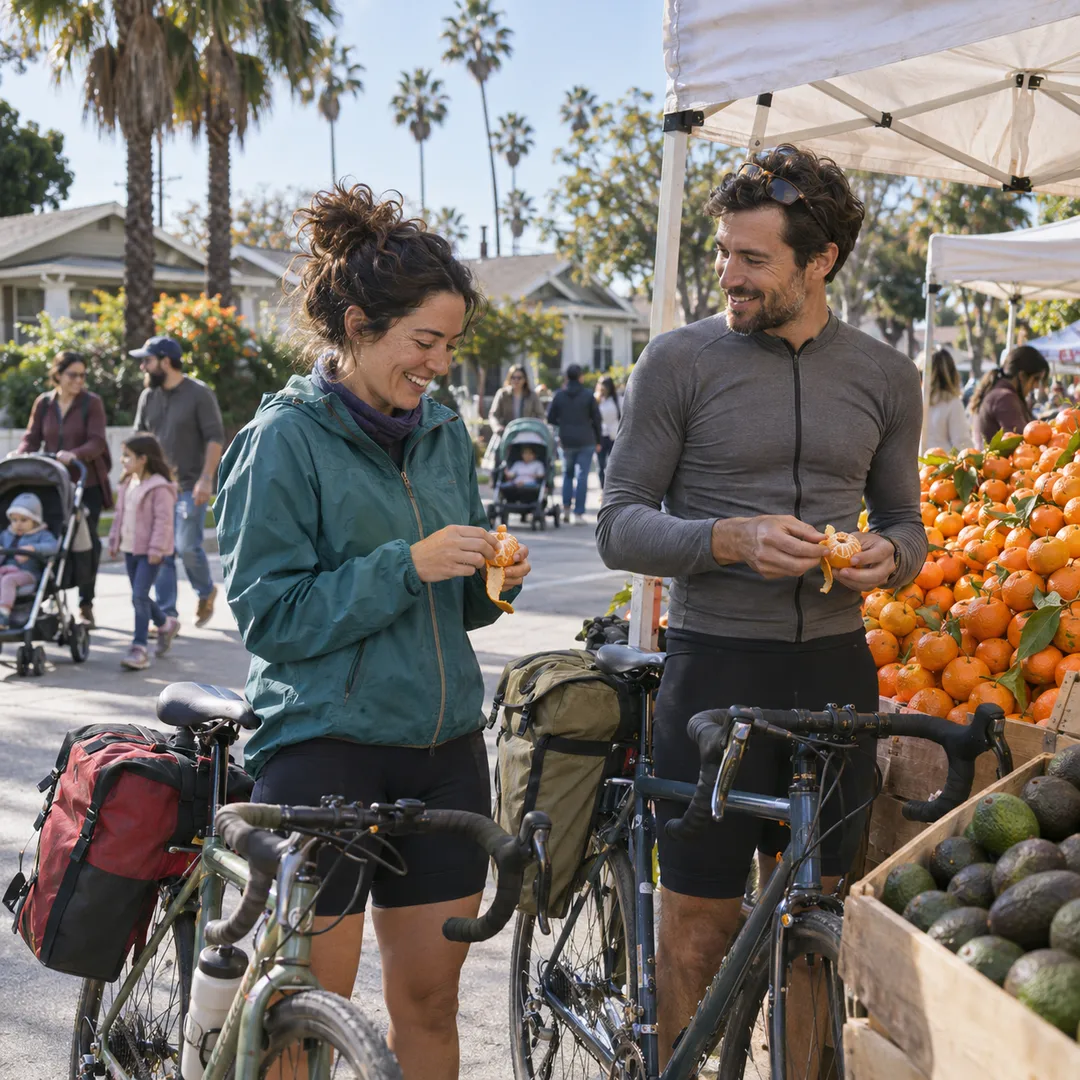
 Mar Vista Winter Farmers Market Picker for Weekend Cyclists
Weekend Plans
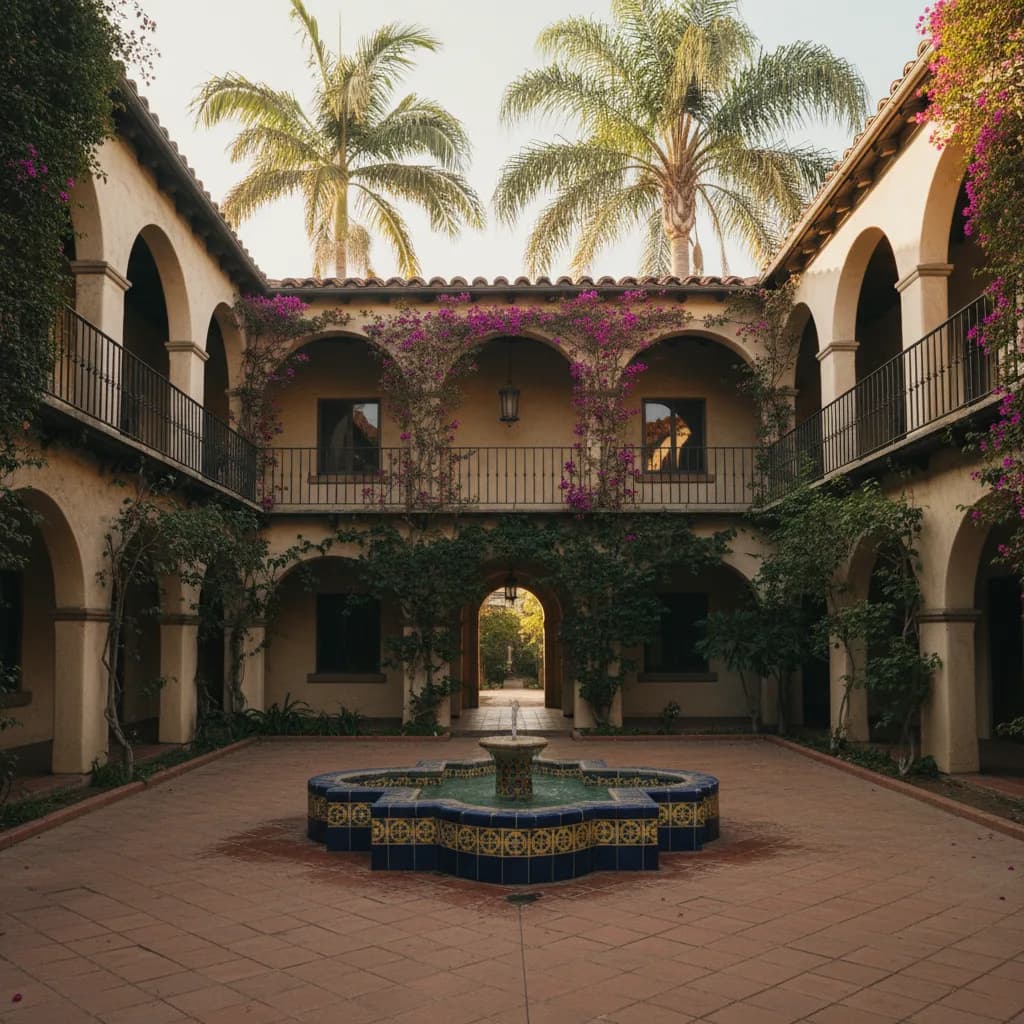
West Hollywood Hidden Courtyard Garden: A Modernist Sunday
West Hollywood hides its courtyard gardens in Spanish Revival apartment courts, the Schindler House garden rooms on Kings Road and calm corners of Plummer Park.
West Hollywood has a reputation built on rooftop bars and design showrooms, but some of Los Angeles's most romantic courtyards are hiding a block off its busiest streets. Here, a hidden courtyard garden often means a Spanish Revival apartment court with a tiled fountain, a modernist house where every room opens to a garden, or a shady park corner where locals read under olive trees. This planner shows you where to look, how to enjoy each space respectfully and how to turn them into one easy walking afternoon.
The Golden-Age Courtyard Apartments
Long before glass towers, Hollywood's film people lived in courtyard apartments designed to feel like Andalusian villages. West Hollywood keeps some of the finest examples, many associated with the designer couple Arthur and Nina Zwebell, who built romantic courts with fountains, balconies, heavy wooden doors and walls drowning in bougainvillea. Some of these buildings, such as Villa Primavera and the Andalusia, are still lived in and loved by residents who treat the courtyard as a shared living room.
Because they are private homes, the right way to enjoy them is from the sidewalk, peeking through arches and gates. Walk the residential streets north of Santa Monica Boulevard and between the main avenues, and you will notice how many entrances frame a glimpse of palms and tile. Bring patience rather than a tripod. Residents are often gardening or chatting by the fountain, and a polite hello goes a long way. Never step inside a gate unless you are invited, and keep your photos focused on architecture rather than people.
Schindler House: A Garden Built Into the Home
For a courtyard garden you can actually enter, plan a visit to the Schindler House on Kings Road. The Austrian architect Rudolph Schindler designed it as a shared home and studio where concrete walls, sliding canvas and glass open each room onto outdoor garden spaces. Instead of one central courtyard, the house creates a series of garden rooms with lawns, bamboo, hedges and fireplaces set outdoors. Today it is cared for by the MAK Center for Art and Architecture and hosts exhibitions and events.
The house opens for visits on its own schedule, with exhibitions and talks rotating through the year, so check with the MAK Center before you go. Visitors tend to be architecture students, design lovers from abroad and locals who have always wondered what lies behind the hedge. Move slowly, follow the guidance of staff and give the delicate structures plenty of space. It is a place to sit, look at the way light falls across the garden and imagine how radical this way of living felt to its first residents.
Plummer Park and West Hollywood Park
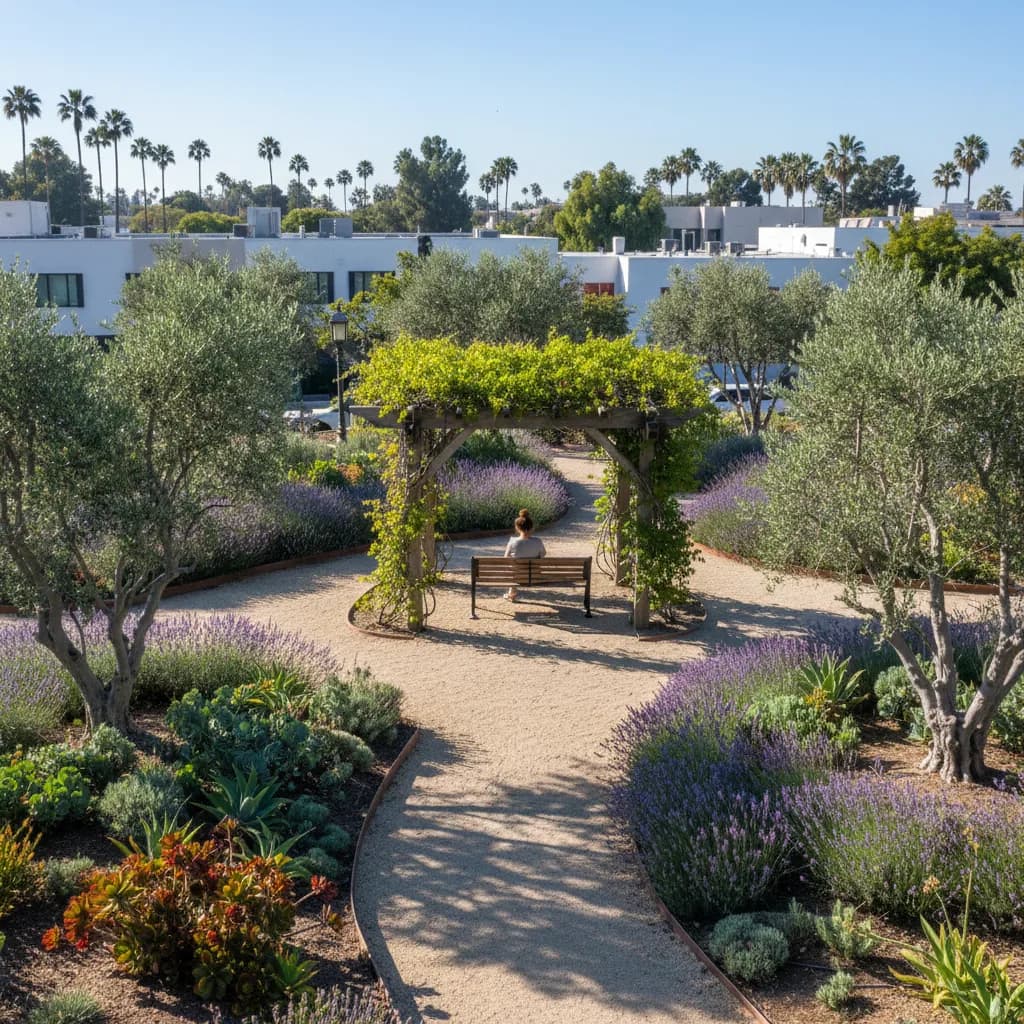
When you need a public place to rest, West Hollywood's parks fill the gap. Plummer Park, on the eastern side of the city, is a leafy, layered park with mature trees, shaded paths and community buildings. It is a neighborhood favorite for dog walks, morning exercise classes and quiet reading on benches. The farmers market here draws a crowd on market days, so if you want peace, come at another time and wander toward the shadier edges where the trees are tallest.
West Hollywood Park, closer to the design district, pairs green lawns with a striking library and recreation spaces. It feels more modern and open than a classic courtyard, but on weekday mornings it is calm, with residents walking laps and remote workers sitting outside the library. Honest verdict: neither park feels as secret as the apartment courts or the Schindler House, but both offer what those spaces cannot: an easy place to sit for as long as you want with no tickets or permission needed.
Design District Courtyards and Hidden Patios
Along Melrose Avenue and the surrounding design quarter, showrooms and boutiques occasionally hide patios and planted courtyards behind their storefronts. The Pacific Design Center campus also offers open plazas and landscaped areas between its bold colored buildings. These spaces work best as stops between browsing rather than destinations on their own. Wander, peek through open gates and courtyards that are clearly public, and buy a coffee or a treat from the businesses that maintain them if you plan to linger.
Honest note: many of the prettiest patios in this area belong to restaurants and hotels, and they are best enjoyed as a guest. If you would rather not book a meal, stick to public plazas, parks and the Schindler House. Keep an eye out for small green details that make the walk rewarding, such as jacaranda trees blooming purple over sidewalks in late spring or rosemary hedges along apartment walkways. Those small moments are what make West Hollywood feel garden-like between the bigger stops.
A West Hollywood Garden Afternoon
Start with coffee near the design district, then walk residential streets to admire the courtyard apartments while the light is warm. Head to the Schindler House for your planned visit and give yourself time to linger in its garden rooms. Continue east to Plummer Park for a rest on a shaded bench. If you still have energy, drift back toward West Hollywood Park or the design quarter for an early dinner. The route is walkable, with plenty of chances to sit along the way.
Want a quicker version? Focus on the courtyard apartment streets and Plummer Park, which takes about two hours. Want more architecture? Add a drive to other modernist houses in the hills nearby. Coming with kids? The parks' lawns and play areas keep them happy while adults take turns peeking at courtyards. Visiting on a hot day? Start in the shade of Plummer Park, save the sidewalk stretches for late afternoon and drink plenty of water along the way.
Let Karpo Map Your Courtyard Route
Use the Karpo APP to describe the afternoon you want, from architecture-heavy to slow and leafy, and Karpo will help you shortlist courtyard streets, the Schindler House, parks and coffee stops in a sensible order. It suggests and organizes options so you can spend less time planning. For tours, exhibitions and events at the Schindler House, contact the MAK Center team directly.
Practical Notes for West Hollywood
Getting around: West Hollywood is compact and walkable, with buses running along Santa Monica Boulevard and the main avenues. Costs: the parks and courtyard-viewing streets are free, while the Schindler House visit is ticketed. Footwear: wear comfortable shoes, because sidewalks are long between stops. Etiquette: courtyard apartments are homes, so keep noise low, avoid blocking entrances and never enter without permission. Parking: street parking is limited, so check signs carefully or use public garages.
Photography: warm late afternoon light makes tile and stucco glow, and soft overcast days are kind to garden details. Seasons: spring brings jacaranda blooms, while winter rains turn lawns green. Families: children enjoy the parks and spotting fountains through gates. Timing: allow three to four hours for the full route, including the Schindler House visit and a coffee stop. Accessibility: parks and sidewalks are mostly level, while the Schindler House has steps and uneven garden paths.
Ask Karpo for more information.
Keep reading
- Mar Vista Winter Farmers Market Picker for Weekend Cyclists
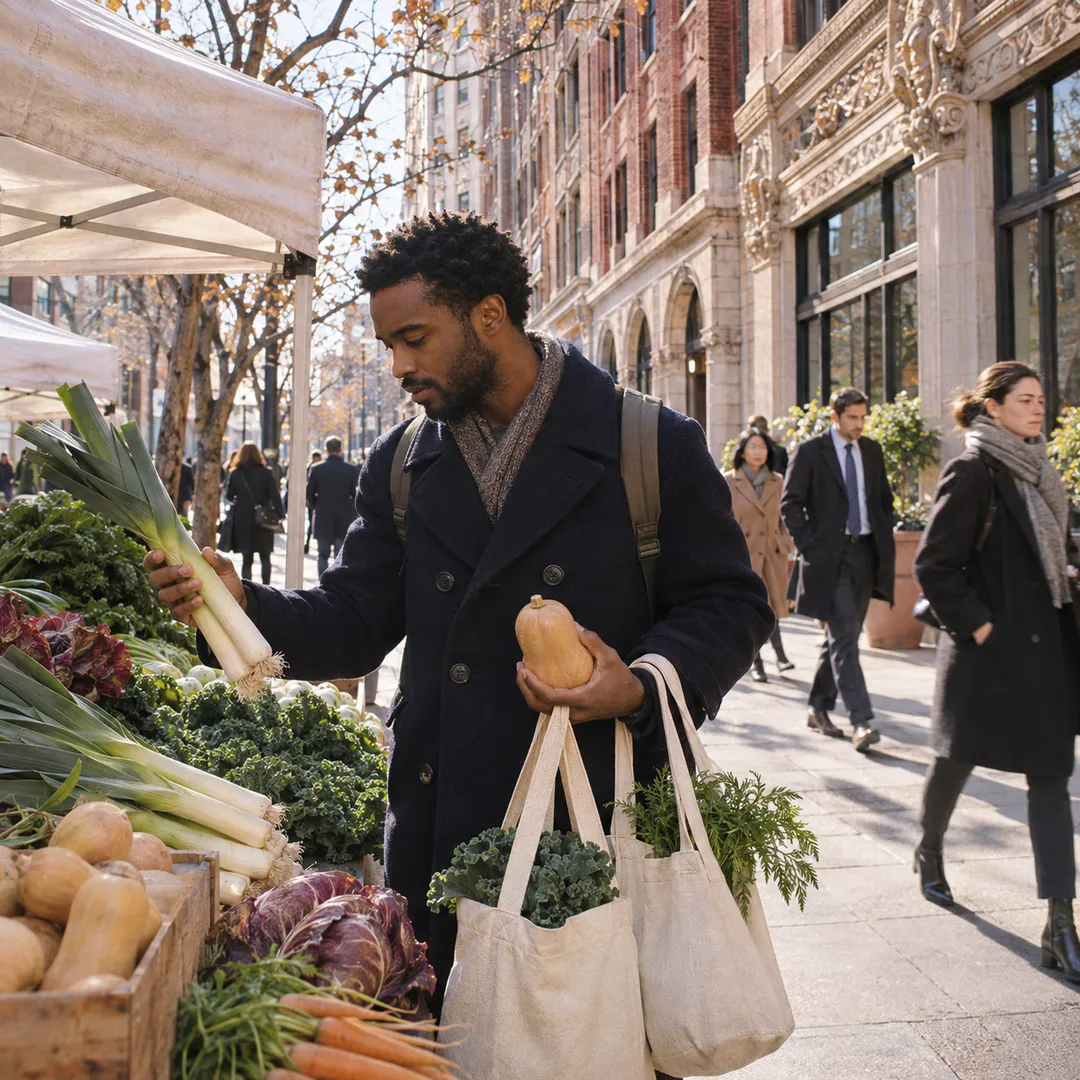 Downtown LA Winter Farmers Market Picker for Car-Free Hosts
 Larchmont Winter Farmers Market Picker for Kimchi-Making Day