 Mar Vista Winter Farmers Market Picker for Weekend Cyclists
Weekend Plans
Glassblowing Studio Near Me in El Segundo: Los Angeles Center
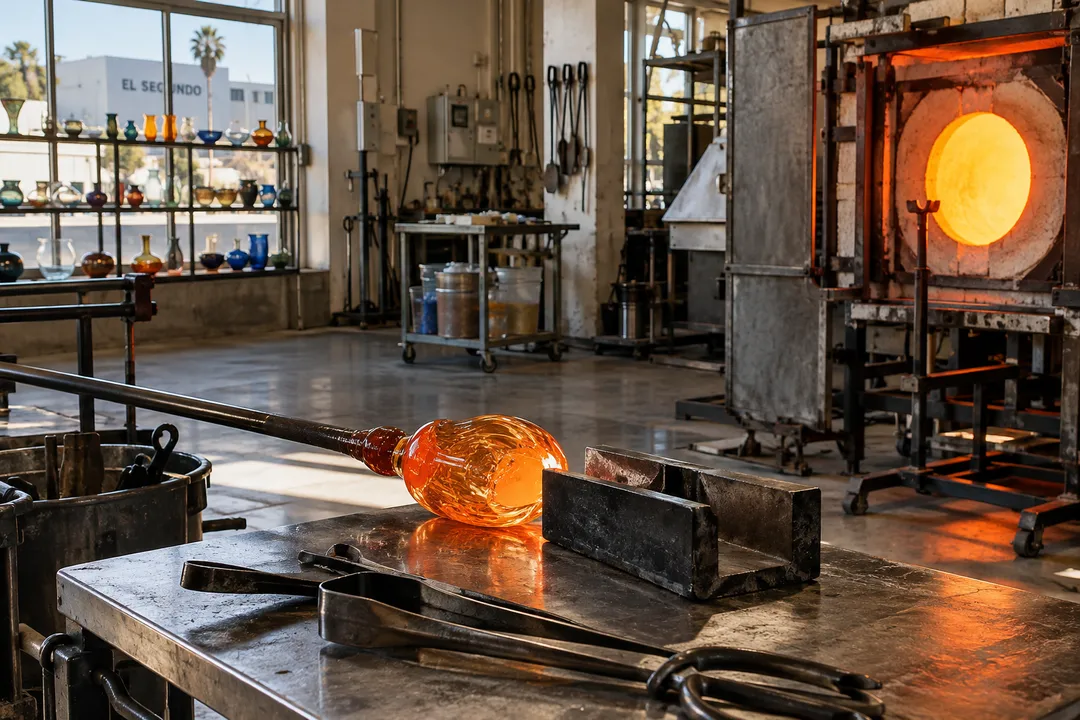
Master Italian-style furnace glassblowing at Los Angeles Glass Center on Penn Street in El Segundo, founded in 2013 by master gaffer Joe Cariati.
Situated along the tree-lined industrial avenues of the Smoky Hollow arts district in El Segundo, the Los Angeles Glass Center (LAGC) stands as a beacon of classical furnace craftsmanship and contemporary glass design. Established in 2013 by internationally acclaimed master gaffer Joe Cariati, whose bespoke Venetian-inspired bottle collections grace design galleries and luxury residences worldwide, the state-of-the-art facility pairs rigorous European glassblowing traditions with an open, educational studio environment. Housed in a beautifully converted mid-century industrial building just minutes south of LAX, LAGC features custom-built furnaces, expansive glory holes, and gleaming stainless steel shaping benches designed specifically for Venetian-style off-hand glassblowing. The studio provides hands-on workshops, private intensives, and studio memberships that invite aspiring makers to discover the timeless beauty of molten glass.
Classical Venetian Glassblowing in the Smoky Hollow District
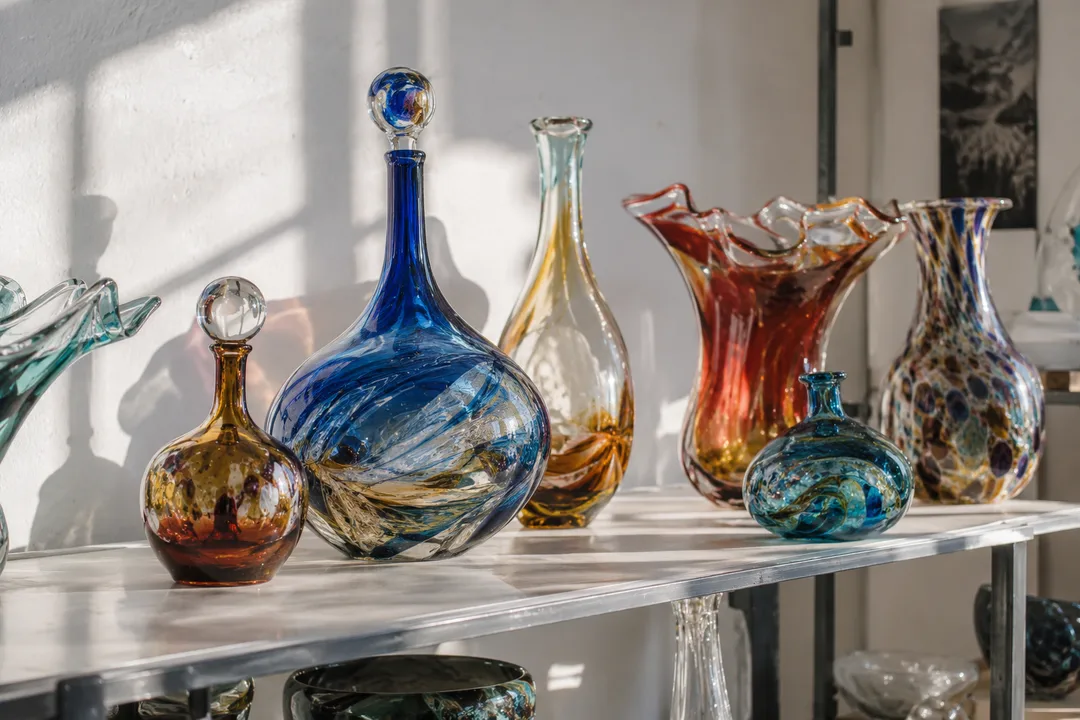
At the heart of the Los Angeles Glass Center is a steadfast commitment to the centuries-old glassblowing methods developed on the Venetian island of Murano. Unlike heavy-walled commercial glass, Italian-style glassblowing emphasizes elegance, feather-light wall thickness, and graceful, organic silhouettes. The process begins at the melt furnace, where a clean crucible holds hundreds of pounds of optical-grade clear glass glowing at 2100 degrees Fahrenheit. Master gaffer Joe Cariati and his experienced team demonstrate the refined rhythm of gathering, keeping the blowpipe balanced horizontally with effortless rotations.
Students step onto the furnace platform to execute their own gather, winding a precise bead of molten crystal onto the preheated blowpipe tip before transferring it smoothly to the steel marver. Rolling the gather across the polished metal table creates a uniform cylindrical blank while cooling the outer surface to create a solid skin. Taking a seat at the custom bench, you rest the pipe on the arms and begin rotating it with your left hand, using traditional Italian tool techniques to establish the piece's structural foundation.
Using hand-forged steel jacks, carbon paddles, and wet cherry wood blocks, you shape the profile while an instructor assists with inflation. Rather than blowing directly from the pipe end, students use flexible blowhoses that allow them to watch the glass expand while simultaneously shaping the exterior walls with tools. The feedback loop between your breath, the tool pressure, and the spinning pipe is immediate, teaching you to feel the glass's subtle temperature shifts through the vibrations in the iron.
Bespoke Mentorship and the Venetian Hot Shop Tradition
Education at the Los Angeles Glass Center is defined by focused, personalized instruction that honors individual student pacing. Because glassblowing requires rapid, coordinated teamwork, classes are conducted in very small groups or one-on-one formats. Instructors work directly beside you, offering real-time verbal coaching and gentle hand-over-hand adjustments to ensure your piece maintains perfect rotational symmetry without slumping.
During intermediate and advanced workshops, students explore intricate color applications, rolling molten gathers through vibrant German glass powders, granular frits, and delicate cane glass threads. When the colored piece is returned to the glory hole, the glass reheats into a liquid swirl, allowing you to twist the pipe and lock spiral flutes or optic ribbing into the body. The mastery of heat control in the glory hole is a cornerstone of the Venetian discipline, ensuring the piece stays hot enough to shape without overheating and losing its air core.
Once the body of your vessel is formed, you learn the critical punty transfer. An assistant attaches a second solid iron rod with a small molten glass pad to the base of your vessel, allowing you to score and snap the original blowpipe free. With the vessel now supported entirely from the bottom, you reheat the open mouth in the glory hole and use the jacks to spin the rim open, creating a perfectly balanced vase, bowl, or flared drinking glass.
Workshop Rates, Private Lessons, and Studio Scheduling
The Los Angeles Glass Center maintains clear, transparent rates for its specialized hot shop educational programs and private artist sessions. A private one-on-one introductory glassblowing workshop runs $395 for a comprehensive two-and-a-half-hour intensive, covering furnace gathering, tool mechanics, color application, and the creation of two distinct blown glass objects alongside a master instructor. For couples or pairs of friends, a two-person introductory hot shop workshop is offered at $550 total ($275 per person), providing a shared three-hour immersion into hot shop teamwork.
Small group team-building sessions and private creative workshops for up to four participants are priced at $750 for a half-day intensive, making it an ideal creative outing for design studios, corporate teams, or celebratory milestone gatherings. For intermediate and advanced glassblowers who have completed foundational coursework, LAGC provides competitive hourly hot shop rental rates for independent studio practice, including blowpipe access, glory hole heating, and kiln space.
Due to the specialized nature of furnace glassblowing and the energy costs required to maintain continuous 2100-degree furnaces, all class sessions must be booked in advance through the studio online calendar or by phone. Cancellations or rescheduling requests must be submitted at least seven business days prior to the confirmed class date to secure a studio credit or alternate date.
Safety Standards, Natural Attire, and Annealing Chemistry
Operating inside an active artisan hot shop requires strict adherence to safety standards from every visitor and student. All participants must wear clothing made entirely from natural fibers, specifically 100 percent cotton denim jeans, cotton canvas pants, and heavy cotton t-shirts. Synthetic fabrics like polyester, nylon, acrylic, rayon, and athletic fleece are strictly forbidden on the studio floor because synthetic materials can instantly melt upon contact with stray sparks or hot metal pipes.
Footwear must be completely closed-toe and constructed from durable leather or heavy cotton canvas; open-toe sandals, mesh running sneakers, and synthetic shoes are prohibited. The studio provides all necessary personal protective equipment, including specialized infrared-blocking safety glasses, Kevlar heat sleeves for forearm protection, and heavy split-leather heat shields. Long hair must be tied securely back, and dangling jewelry, necklaces, rings, and scarves must be removed before entering the hot shop area.
Freshly blown glass cannot be taken home on the day of your class. Glass cools unevenly when exposed to ambient room air, which creates severe internal structural stresses that cause the object to crack or shatter. Every finished piece is carefully transferred into a computer-controlled electric annealing lehr preheated to 960 degrees Fahrenheit. The digital controller gradually ramps the temperature down to room level over a thirty-hour cooling curve, ensuring long-term structural integrity. Students return to the studio to collect their cooled glass pieces after 48 hours, or arrange for domestic postal shipping.
Exploring the Smoky Hollow Creative District in El Segundo
El Segundo's Smoky Hollow neighborhood has quietly evolved into one of Southern California's premier creative enclaves, transforming historic aerospace machine shops into sunlit architectural studios, specialty coffee roasters, and artisan workshops. After completing an energetic glassblowing session, students will find themselves within easy walking distance of outstanding neighborhood spots to relax and recharge.
Just two blocks away on East Grand Avenue, Smoky Hollow Roasters brews exceptional single-origin pour-overs and iced oat lattes in a chic warehouse cafe. For a hearty meal, head over to Blue Butterfly Coffee Co for fresh artisanal sandwiches and salads, or visit The Slice & Pint for stone-fired craft pizzas paired with award-winning local beers brewed on site by El Segundo Brewing Company.
Visitors can also take a five-minute stroll north to Main Street in historic downtown El Segundo, a charming, walkable small-town avenue featuring independent boutiques, classic soda fountains, and local eateries like Richmond Bar & Grill. The unique combination of coastal ocean breezes, industrial design heritage, and innovative culinary destinations makes a workshop day at the Los Angeles Glass Center an unforgettable creative escape.
Location Directions, Parking Options, and Arrival Logistics
The Los Angeles Glass Center is located at 141 Penn St, El Segundo, CA 90245, situated between East Grand Avenue and El Segundo Boulevard in the heart of the Smoky Hollow arts district. The studio building features a clean, modernized industrial facade with dedicated entry doors and high clerestory windows that fill the hot shop with natural California daylight.
Parking in Smoky Hollow is convenient and accessible. The studio provides dedicated off-street parking spaces directly in front of the building, alongside plentiful free, unmetered street parking along Penn Street and adjacent cross streets such as Whiting Street and Franklin Avenue. For drivers traveling from greater Los Angeles, the studio is conveniently situated just five minutes west of the I-405 (San Diego Freeway) and I-105 (Century Freeway) interchange, with quick access from Sepulveda Boulevard.
Students should plan to arrive ten minutes before their scheduled workshop time to check in, sign the safety release waiver, and get fitted with protective safety eyewear. The studio facility is fully accessible on the ground floor with wide rolling doors and level concrete flooring.
Ask Karpo for more information.
Keep reading
- Mar Vista Winter Farmers Market Picker for Weekend Cyclists
 Downtown LA Winter Farmers Market Picker for Car-Free Hosts
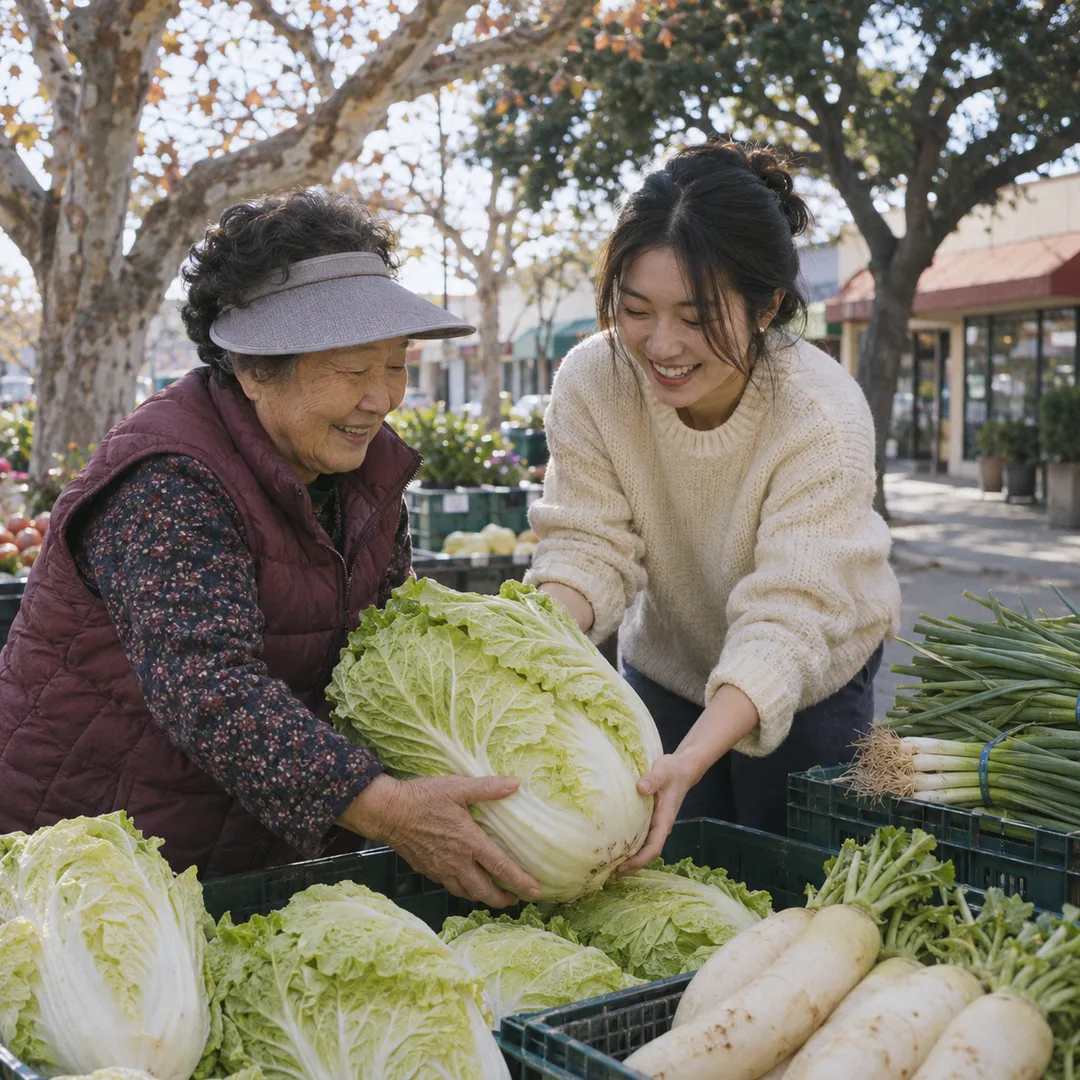 Larchmont Winter Farmers Market Picker for Kimchi-Making Day