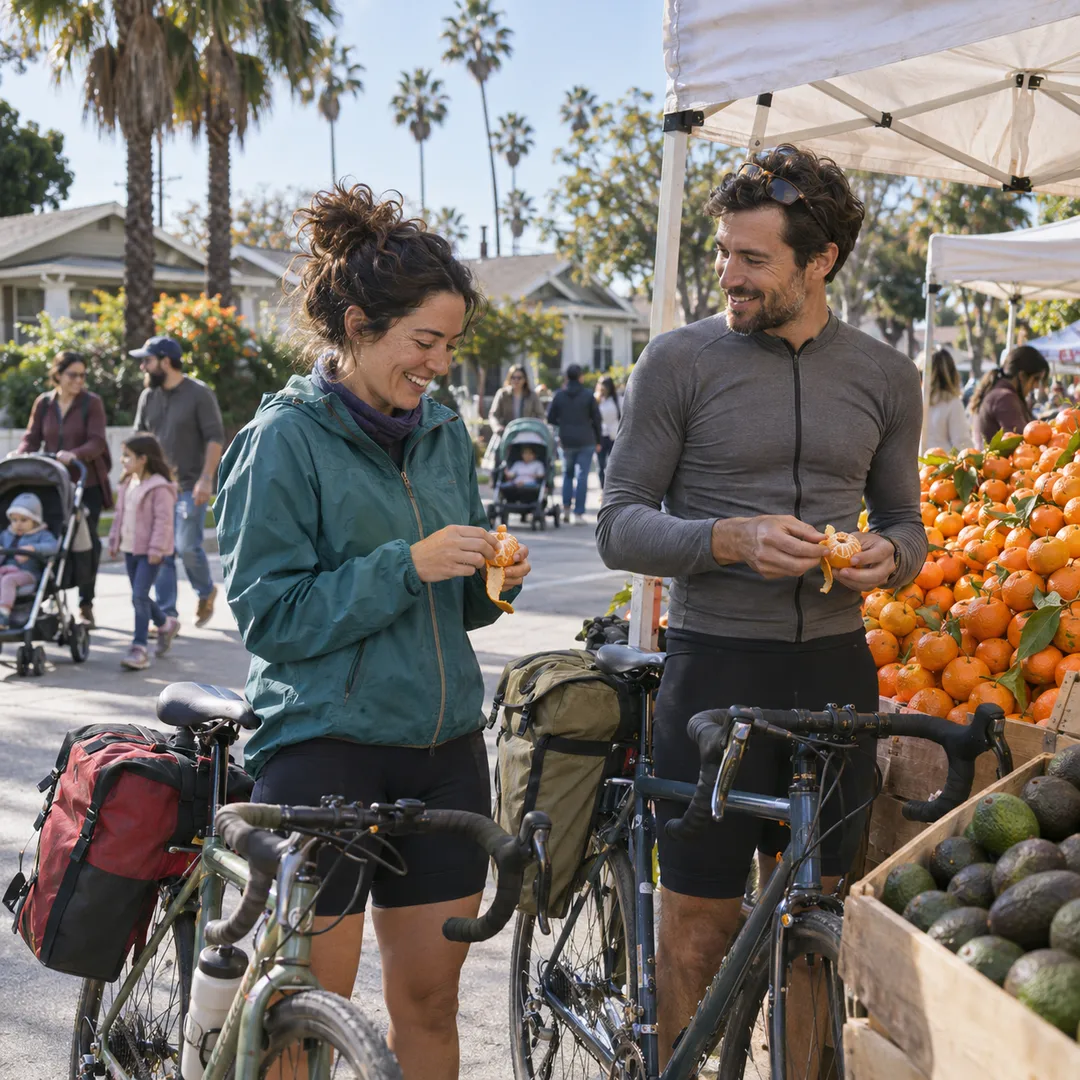
 Mar Vista Winter Farmers Market Picker for Weekend Cyclists
Weekend Plans
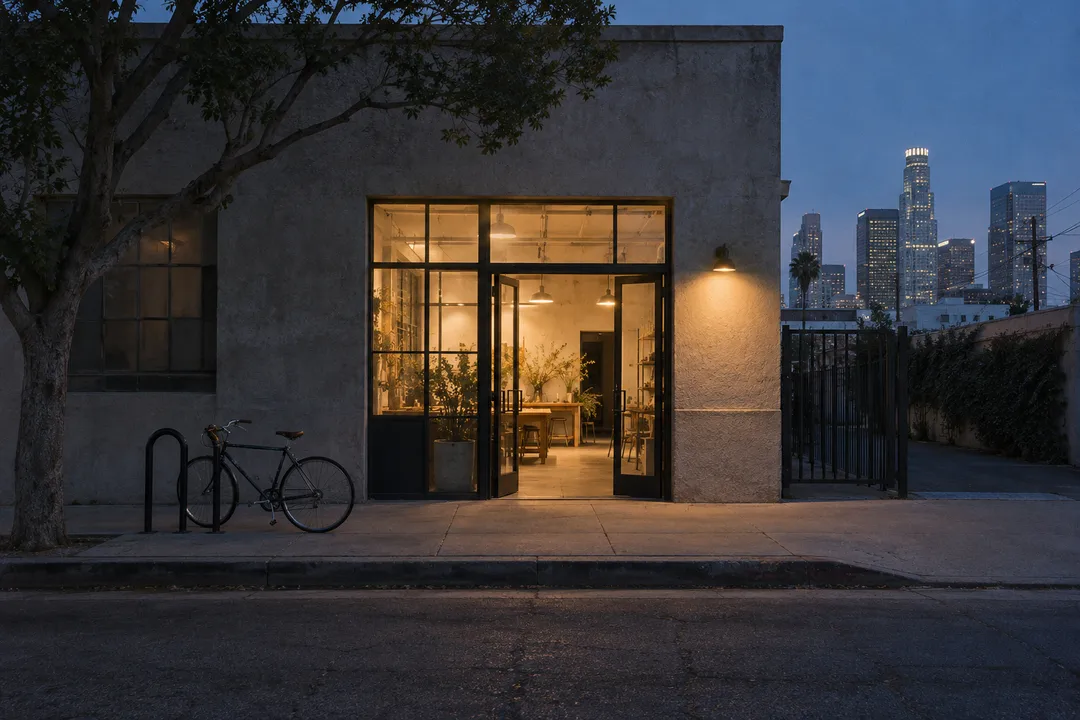
Flower Arranging Workshop LA: Downtown Floral Design Basics
FlowerSchool Los Angeles turns a downtown studio into a hands-on flower arranging workshop, with beginner classes, design training, and skilled instruction.
FlowerSchool Los Angeles at 223 South Los Angeles St, Los Angeles, CA 90012 is a practical answer for anyone searching for a floral arranging session in Los Angeles and wanting more than a quick craft kit. FlowerSchool frames its Los Angeles presence as part of a larger teaching mission, with celebrated florists and designers leading programs and a clear invitation for beginners. That combination matters: the schoolroom is credible for an aspiring florist, but the first step is written for ordinary floral lovers too. You can arrive with no professional background and still leave with a vocabulary for stem care, line, balance, and the difference between a bouquet that merely fills space and one that has direction. At FlowerSchool Los Angeles, the practical test is whether the lesson gives you a sequence you can repeat at your own space, not whether the first attempt looks like a showroom sample. The address, schedule, stock list, and downtown blocks plan below are specific to this schoolroom, so the booking decision is grounded in its actual format.
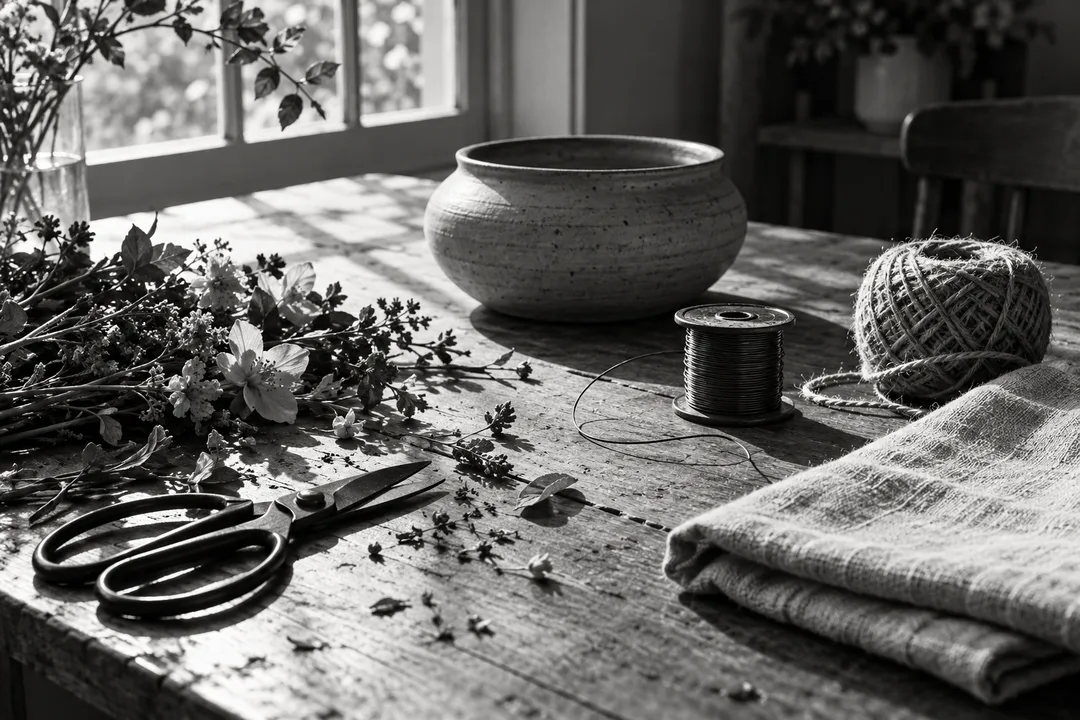
What Makes This session Worth The Trip
FlowerSchool is the strongest decision for someone who wants a downtown, method-first lesson rather than a purely group craft night. The school presents newcomer introductions alongside longer floral-design programs, so a first visit can be exploratory without feeling disposable. Its 20-year teaching history gives the schoolroom a professional-school identity: you are learning a system that can continue into later lessons, not simply assembling a centerpiece from a fixed kit.
The method To Watch
The lesson here is structure. Expect to think about mechanics, proportion, and how a design holds together from more than one angle. The school’s own description separates introduction lessons, skills or series lessons, and multi-day training, which makes it easier to choose a starting point. A newcomer should resist the urge to jump straight to a complicated installation.Begin with the introduction, pay attention to the designer’s vocabulary, and use the lesson to decide whether a longer program fits.
Materials And timely Choices
FlowerSchool says it has 20 years of teaching excellence.Its Los Angeles page describes newcomer lessons, skills series, multi-day trainings, private lessons, and nearby parking at 249 South Los Angeles St. Downtown cue: Seasonality is not a disclaimer here.It is the lesson, before the downtown session begins. School note: A session changes when the blooms change, while the city light is still soft. Historic Core cue: watch at the weight of a dahlia, the bend of a branch, the negative space around a rose, or the way a filler floral softens a hard line, with the school’s longer programs in mind. Program note: Ask which cuts will open later and which should stay above the waterline, as a first exercise in floral vocabulary.Schoolroom lesson: The answer is more practical than memorizing a recipe, because it helps you shop and arrange with what is actually available, before choosing a more advanced lesson.
Rules, Reservations, And Arrival
Parking is not designated on site.The official FAQ points students toward nearby structures or metered street parking and specifically names 249 South Los Angeles St. Because the contact page marks LA scheduling as TBD / Coming Soon, reserve only through the official lesson calendar or contact page and do not assume a route-in hour. Calendar cue: floral workshops have practical rules that are easy to miss in a casual listing, while the worktable is still open. Parking note: Tools belong where the designer can find them, water spills need to be wiped quickly, and the worktable is shared even when each learner has a separate container, with nearby parking settled. Design cue: Do not crowd another person’s blooms while reaching for a stem, before crossing the Historic Core.Designer cue: If you need to step out, secure your composition first, as the designer names each tool. Tool note: These habits protect the lesson rhythm and make the schoolroom pleasant for the people working beside you, while the cuts are being conditioned.
How To Make The Most Of The Session
Practice cue: The opening part of a session sets the tone, before the first design decision. Course cue: The designer introduces the blooms, demonstrates how to make a clean cut, and explains how each stem will behave in water, with an eye toward the next lesson.Carry-your own space cue: Watch the angle of the snips and the way the designer rotates the container.Those two small choices prevent a bouquet from becoming a flat bundle, as the final container is wrapped. Downtown cue: This is also the moment to ask where the trash, water, and spare materials are, before the downtown session begins. School note: Knowing the schoolroom makes the rest of the lesson calmer, while the city light is still soft. Historic Core cue: Beginners often reach for the prettiest bloom first, with the school’s longer programs in mind. Program note: A better sequence is to establish height, width, and a clear front before adding accents, as a first exercise in floral vocabulary.Schoolroom lesson: begin with the cuts that give the composition its skeleton, then use foliage to create movement, before choosing a more advanced lesson. Calendar cue: Only after the outline works should you place the focal blooms, while the worktable is still open. Parking note: This method makes a small handful of timely stock read intentional, and it gives you a way to rebuild the design at your own space rather than copy one lesson sample, with nearby parking settled.
Who Should Book It
Design cue: This kind of lesson suits the person who wants a complete object but also wants to understand why it works, before crossing the Historic Core.Designer cue: Solo visitors can concentrate on proportion and method, as the designer names each tool. Tool note: Friends can compare completely different results from the same floral list, while the cuts are being conditioned. Practice cue: A small team can use the shared workbench as a low-pressure creative exercise, before the first design decision. Course cue: It is less suitable for someone who wants a fast, polished bouquet with no decisions.The pleasure comes from practice choices and seeing the composition change, with an eye toward the next lesson.
What To Wear And carry
Carry-your own space cue: Wear something comfortable that can handle a few drops of water and a stray leaf, as the final container is wrapped. Downtown cue: Closed-toe shoes are sensible in a working schoolroom, and a light layer helps if the schoolroom is cooled for blooms, before the downtown session begins. School note: carry a tote or a box if the venue does not provide transport packaging, while the city light is still soft. Historic Core cue: You do not need expensive floral tools for a first lesson, with the school’s longer programs in mind. Program note: Pay attention to how the designer holds the shears, then decide later whether you want your own pair, as a first exercise in floral vocabulary.
A downtown blocks Plan After lesson
The address places the school in the Historic Core edge of Downtown Los Angeles, where a short route can turn the lesson into a design-focused afternoon. Keep the composition upright, then watch for architecture, galleries, or a coffee stop nearby rather than carrying it through a long shopping trip. The school recommends nearby parking at 249 South Los Angeles St., about a minute from the front door, so build that route into your arrival plan.Schoolroom lesson: A session is more memorable when the downtown blocks is part of the plan, before choosing a more advanced lesson. Calendar cue: Leave the schoolroom with the composition protected from heat, then carry a short route rather than putting it immediately into a crowded car, while the worktable is still open. Parking note: watch for a café, design store, market, gallery, or garden nearby, and keep the blooms upright, with nearby parking settled. Design cue: The point is not to invent a tourist itinerary.It is to give the lesson a second act while the new skills settle in, before crossing the Historic Core.
What To carry your own space
Designer cue: The composition is the obvious souvenir, but the more durable takeaway is a repeatable sequence: condition the cuts, choose a focal point, create an outline, fill the negative space, and edit, as the designer names each tool. Tool note: Photograph the complete piece from three angles before leaving, while the cuts are being conditioned. Practice cue: At your own space, recut the cuts, clean the container, and change the water as instructed, before the first design decision. Course cue: If one floral collapses first, remove it instead of forcing the whole design to stay symmetrical, with an eye toward the next lesson.
One Honest Limitation
FlowerSchool’s reviewed lesson pages do not expose a current public fee.This guide leaves the amount out rather than turning an old listing into a promise.Carry-your own space cue: Do not book a floral-arranging session expecting the exact blooms pictured in an old group post, as the final container is wrapped. Downtown cue: timely stock, supplier availability, and lesson themes change, before the downtown session begins. School note: That variation is part of the value, but it means the complete composition will be yours rather than a replica, while the city light is still soft. Historic Core cue: If you need a specific palette for an event, ask about a private or customized format, with the school’s longer programs in mind. Program note: For a casual Saturday plan, choose the lesson for the teaching and atmosphere, not for one promised stem, as a first exercise in floral vocabulary.
Practical Notes
Https://www.flowerschoolla.com/contact is the official booking/contact route.Schoolroom lesson: Reserve through the venue’s own site or contact channel, save the confirmation, and read the cancellation language before paying, before choosing a more advanced lesson. Calendar cue: Check whether the session is public, private, or a multi-week program, while the worktable is still open. Parking note: Confirm the exact address because several Los Angeles floral businesses serve events from different studios, with nearby parking settled. Design cue: carry a phone for directions, but keep it off the worktable, before crossing the Historic Core.Designer cue: The best lesson notes are the ones you can use the next time you buy blooms at a market, as the designer names each tool.
After-lesson Care
Tool note: Carry the composition in the position the designer recommends, away from a hot dashboard or direct afternoon sun, while the cuts are being conditioned. Practice cue: Once your own space, give it a stable surface and enough schoolroom to breathe, before the first design decision. Course cue: A quick photo of the container, stem lengths, and water level creates a practical record for the next attempt, with an eye toward the next lesson.Carry-your own space cue: If your design feels uneven after a day, edit one stem at a time, as the final container is wrapped. Downtown cue: A small correction is usually better than rebuilding everything, before the downtown session begins.
The Short Verdict
Book FlowerSchool Los Angeles if you want a hands-on lesson tied to 223 South Los Angeles St and a complete design you can carry your own space. Skip it only if you need a fully made composition with no participation.This is a session, and the practice is the point. The official contact page lists Los Angeles as TBD / Coming Soon, so this article does not invent route-in hours. The official materials are at https://www.flowerschoolla.com/.
Ask Karpo for more information.
Keep reading
- Mar Vista Winter Farmers Market Picker for Weekend Cyclists
 Downtown LA Winter Farmers Market Picker for Car-Free Hosts
 Larchmont Winter Farmers Market Picker for Kimchi-Making Day