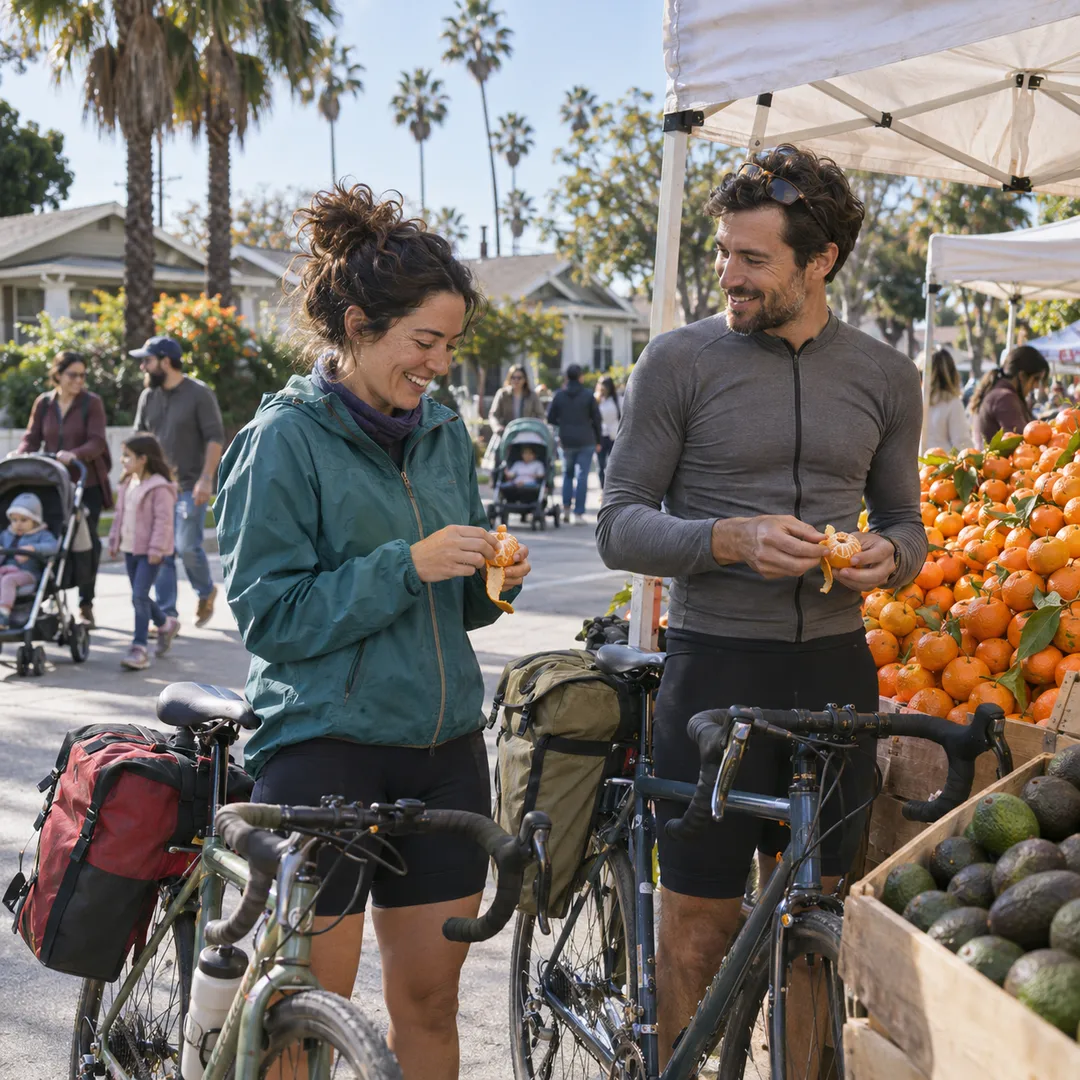
 Mar Vista Winter Farmers Market Picker for Weekend Cyclists
Weekend Plans
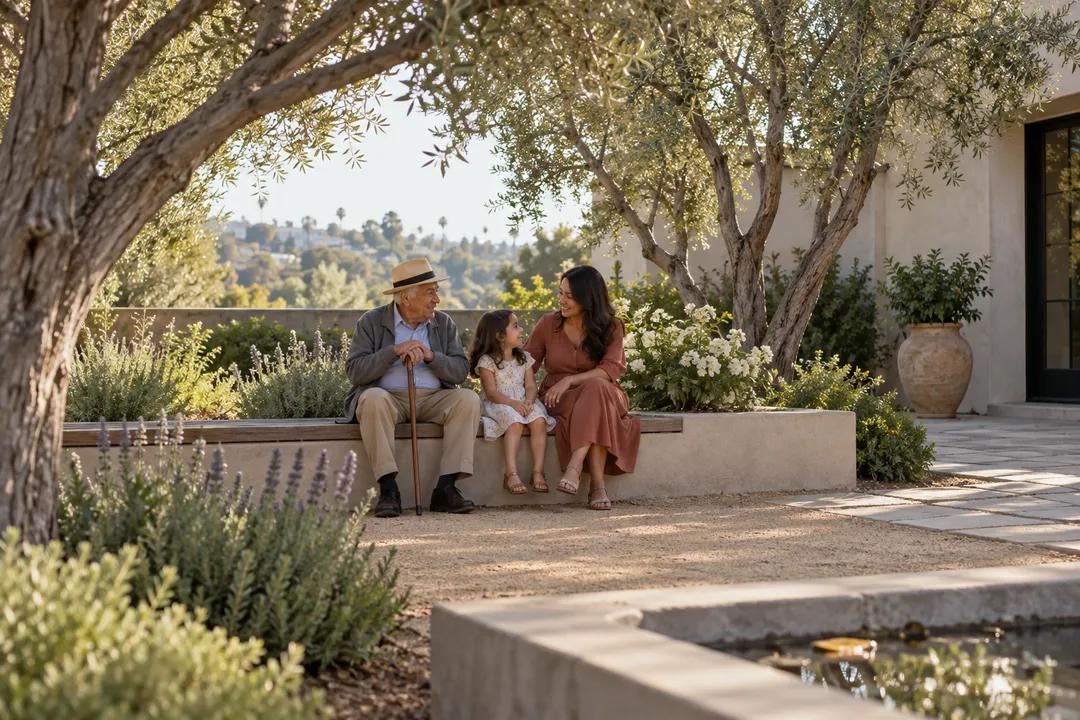
LA Family Outing Planner: Less Travel for Three Generations
Bring three generations together in LA with one outing anchor, fewer transfers and planned pauses, so the group can share time at a comfortable pace.
The hardest part of a family outing with three generations can be getting everyone through the same doorway at the same time. One person wants to see something new, another needs somewhere to sit, and a child is ready to move again before the adults have finished talking. A family outing planner can help you frame the day around shared time instead of a string of destinations. For an LA gathering, start by reducing arrivals and departures. Then decide what each generation needs to enjoy the place where you will spend the afternoon.
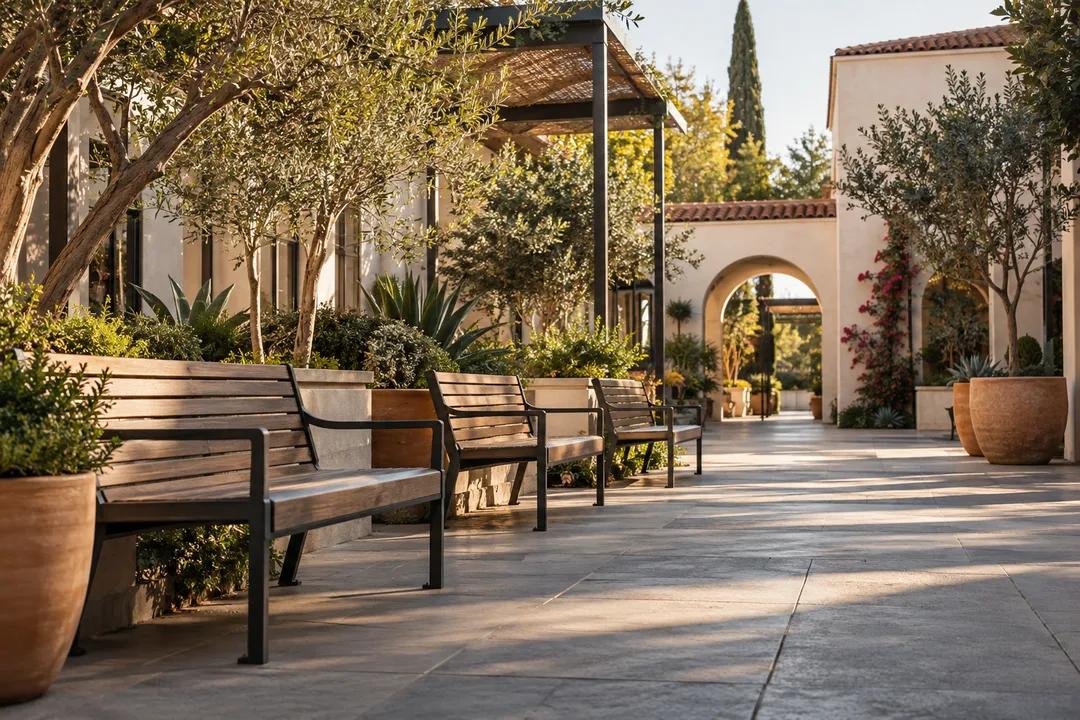
Ask what makes a journey tiring
“Less travel” means different things to different relatives. A grandparent may be comfortable sitting in a car but find a long walk from the parking area difficult. A child might tolerate a short walk but dislike repeated car journeys. Another adult could prefer a single transit ride to driving and managing parking. Ask which part of getting around creates the most effort. The answer is more useful than assuming that everyone wants the shortest distance on a map.
Include the return journey in that conversation. Some relatives may want to leave earlier, while others are happy to stay out. Decide whether everyone must travel together or whether separate departures are practical for your group. This is a choice about coordination, not an automatic reason to split the family. Knowing the answer early helps you choose an outing that stays enjoyable when one person's energy runs out before the others are ready to leave.
Pick a gathering anchor before adding attractions
Choose the shared experience that gives the visit its purpose. It might be a leisurely meal, time among plants, a small cultural visit or a gentle outdoor activity. Let that anchor carry the afternoon. An outing with three generations does not need a separate attraction for every age. It needs a setting and activity where people can enjoy different things while remaining part of the same gathering.
Ask each person what they want to remember from the day. An older relative might want conversation, a child might want to make something, and an adult might want a change of surroundings. Look for an overlap rather than trying to satisfy three unrelated itineraries. If there is no overlap, decide which interest is the occasion's priority and keep the other requests modest. That agreement is easier to reach at home than after everyone has already arrived hungry or tired.
Write a travel brief that includes the whole group
Try an opening conversation in Karpo APP such as: “Help us plan an LA afternoon for grandparents, parents and children. We want one main gathering place and minimal moving between stops. We are starting from two different neighborhoods. One relative needs frequent seated pauses, and the children prefer something they can enjoy in short stretches. Suggest ideas around a shared activity and explain the coordination tradeoffs.” Add only the personal details needed for the planning question.
The useful comparison is how each candidate organizes your time together. Ask why it suits a group that wants fewer transfers, and what questions remain about arriving, sitting and leaving. Do not treat an appealing description as evidence of a specific entrance, available parking space or accessible route. Those details need information about the actual venue. Karpo's role in this request is to help discover and compare ideas while you keep the group's needs explicit.
Separate meeting time from activity time
Build a calm arrival period into your own schedule. A family coming from more than one starting point may not arrive simultaneously. Choose a clear meeting arrangement and decide who is the contact person if someone is delayed. If the activity requires everyone to begin together, the arrival period needs to reflect that. If it is flexible, the first arrivals might simply settle in while they wait, provided the selected setting supports that arrangement.
Avoid a plan where the whole group must move immediately after meeting. That creates another transition just as everyone has gathered. It can also make a late arrival feel responsible for disrupting the day. A single anchor allows people to orient themselves and spend time together before making another decision. The goal is not to eliminate every delay. It is to stop an ordinary delay from causing several more rushed movements afterward.
Put pauses where conversation can happen
A rest break should be comfortable for the person who needs it and worthwhile for the rest of the group. Think about what the children could do during that pause without needing another venue. They might talk about something they noticed, show a small object they made or listen to a relative's story. You are planning how to use a break, not assuming that every destination provides a particular family area or supervised activity.
Ask the relative who needs rest what works for them. Some people prefer shorter walking sections with frequent pauses, while others would rather sit for a longer stretch and join one focused activity. Do not infer those preferences from age. If two adults want a brief look around, agree who stays with the rest of the family and where everyone will reunite. Small optional movements are easier to manage when nobody is left guessing whether the group has moved on.
Keep the meal inside the coordination plan
Food can serve as the gathering anchor or as a supporting break. Decide which role it plays. A meal-centered outing needs enough time for the group to settle and eat without immediately leaving for another destination. If the activity is the focus, avoid making a complicated meal arrangement the condition for everyone enjoying it. Ask about dietary preferences and the children's usual meal timing while there is still room to choose a different format.
A large group also benefits from deciding who handles practical arrangements. One adult can collect preferences, another can manage the meeting message, and someone can help the relative who wants support with the journey. These are ordinary family tasks that a destination list does not resolve by itself. Put them beside the activity plan. Clear ownership of a few small responsibilities can make an otherwise simple outing feel much more welcoming.
Give everyone a graceful departure
Agree on a natural finish, such as the end of the shared activity or a planned point after the meal. An optional extension can remain available for relatives who want it, but the main outing should feel complete before anyone leaves. That lets an older person, a tired child or an adult with another commitment head home without feeling they have missed the real event. A family gathering works better when leaving is an expected possibility.
Use a final Karpo APP request to narrow the ideas around the arrangement your relatives have chosen: one anchor, the preferred arrival pattern, the kind of pause that helps, and a manageable finish. A useful family outing planner does not have to create a packed schedule. It should help you protect the part that brought three generations together in the first place: enough comfortable time to notice, talk and enjoy something in one another's company.
Ask Karpo for more information.
Keep reading
- Mar Vista Winter Farmers Market Picker for Weekend Cyclists
 Downtown LA Winter Farmers Market Picker for Car-Free Hosts
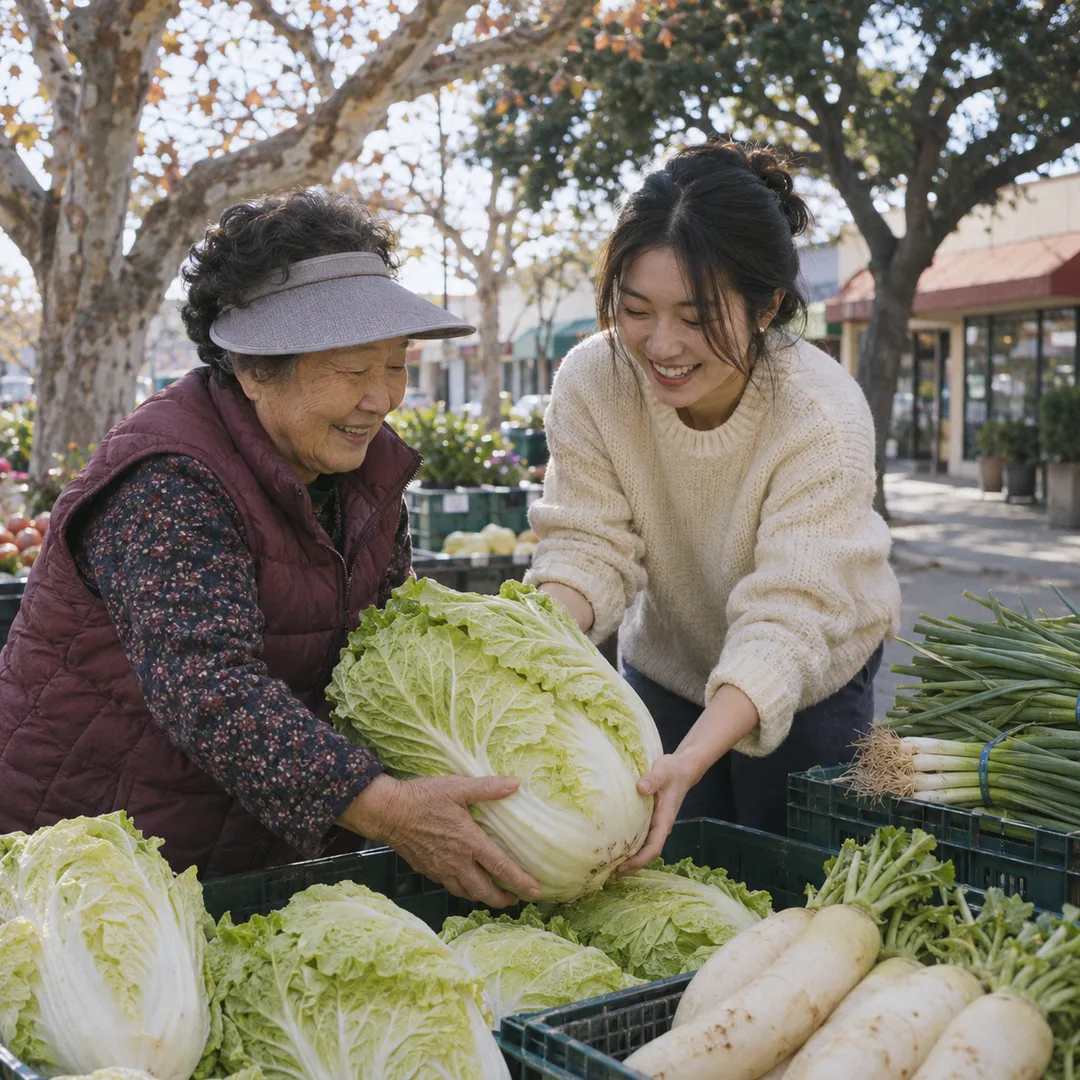 Larchmont Winter Farmers Market Picker for Kimchi-Making Day