 Mar Vista Winter Farmers Market Picker for Weekend Cyclists
Weekend Plans

LA Family Outing Planner: Step Free With Fewer Unknowns
Describe your family’s access needs for an LA outing, compare ideas using specific route questions, and keep unresolved details visible before choosing.
A request for an accessible family outing becomes much more useful when it explains what access means for the people going. One relative may need a route without steps, another may need frequent seating, and a child may use equipment that changes the space required at an entrance. A family outing planner should keep those needs visible while the group compares ideas. For an LA afternoon, begin with the journey each person needs to make, then turn broad accessibility labels into concrete questions about reaching and enjoying the chosen activity.
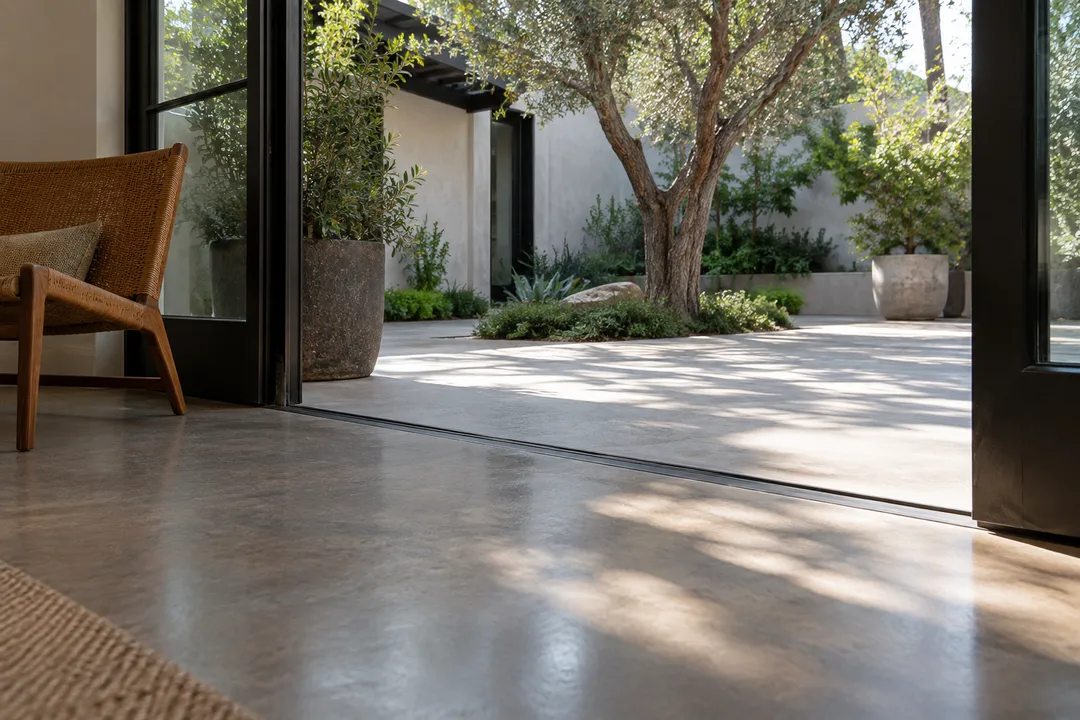
Does step free describe the whole visit?
A level entrance is only one part of an outing. Consider the path from your arrival point to that entrance, the surfaces inside, the route to the activity and the way back out. Ask the person with access requirements which details matter most to them. They may care about slopes, distance, turning space or whether assistance is needed at a particular point. The relevant questions come from the individual, rather than from assumptions about a wheelchair, walking aid or age.
Separate preferences from requirements in your own brief. A preference could be a quieter setting or a shorter walk. A requirement might be avoiding steps throughout the visit. That distinction helps you assess a suggestion without quietly compromising something essential. It also gives the rest of the family a clearer understanding of the choice. An attractive activity that fails a required part of the journey is not a useful option for that particular outing.
What should the first Karpo request include?
Describe the practical need without sharing medical details you do not want to provide. In Karpo APP, you might ask: “Suggest LA family outing ideas with our access preferences stated clearly. We need to avoid steps, want a short route between arrival and the main activity, and prefer seated pauses. Include something enjoyable for a child and an adult. Help us compare the ideas and identify the access questions that remain unanswered.” Add the area you want to explore.
This request uses conversation to organize discovery. It does not establish that a suggested place has passed an access inspection or that every part of a route will work for your group. Ask for an explanation of why a candidate seems relevant and which details are supported. A clear unanswered question is useful information. It prevents a general description such as family friendly from being mistaken for a specific statement about an entrance or facility.
Which route details deserve separate questions?
Break the visit into stages so important gaps do not disappear inside a general label. Think about arrival, the approach to the building or activity, movement during the experience, a possible rest break and departure. If a stage depends on a lift or a particular entrance, that dependency belongs in the decision. A route can look manageable in outline while still containing one part that the person concerned cannot use comfortably.
Keep the questions concrete. You might need to know whether an entrance has a flush threshold, whether a path changes to a loose surface, or whether the activity itself requires moving between levels. These are examples of details a family may need, not claims about any named venue. Use the actual requirements from your group to choose which questions matter. A concise set of relevant questions is more useful than an exhaustive checklist that nobody reads.
How can seating become part of the outing?
Ask how long each person wants to be active before pausing. Some people need short intervals of movement with frequent rest. Others prefer arriving at one place and staying seated for much of the visit. Neither preference should be treated as a reason to remove the person from the main family experience. Look for an activity format in which the pause can include conversation, observation or another part of what the group came to enjoy.
Do not assume that photographs of a destination prove seating will be available where you need it. A picture might show a bench without explaining the route to it or its relationship to the activity. Keep the planning distinction clear: your group needs a seated pause, while a candidate venue's facilities are separate factual details. Until those details are established, they remain part of the decision rather than a promise written into the itinerary.
What about the children and other adults?
Once the required access conditions are clear, bring the family's interests back into focus. Ask what the children enjoy and what would make the outing appealing to the adults. A shared experience should offer more than a route everyone can enter. You might want a setting that supports conversation, a manageable creative activity or something interesting to look at together. The activity can be modest and still give the group a reason to spend time outside the usual routine.
If some relatives want a more active extra, decide whether it can remain optional without leaving someone isolated. An optional branch works only when the people staying behind also have an enjoyable plan and agree to the arrangement. Avoid making the main family experience depend on a part that excludes a member of the group. The access brief establishes the common ground from which you can build an outing everyone has chosen to join.
How do we compare ideas with incomplete details?
Keep three categories in your own notes: a stated need, a supported detail and an unresolved question. For example, avoiding steps is the need. A description of a particular entrance, if backed by reliable venue information, is a detail. Whether the rest of the activity follows that route may still be unresolved. Keeping those categories distinct makes it easier to see which candidate is ready for a decision and which needs more information.
Ask Karpo to help you phrase the remaining questions around the option you prefer. You can then direct venue-specific questions to the operator rather than treating the conversation as a substitute for an access assessment. If a required condition remains unknown, leave that candidate undecided or choose one with the necessary information. The aim is to make an informed selection, not to turn uncertainty into an optimistic sentence so the itinerary looks finished.
What is a useful next step?
Choose the smallest workable version of the outing: one main activity, a manageable arrival and a departure that suits the whole group. Decide who will handle practical communication and who will support a family member if they request help. Ask the person concerned how they want that support offered. These small agreements keep the plan respectful and prevent the adults from improvising around someone else's needs once everyone is already out.
Your final family outing planner request can bring the pieces together: the preferred area, the shared interest, the essential access requirements and the details still needed for a decision. Open Karpo APP with that brief to explore and compare ideas. The useful result is a clearer choice and a practical next step. It is not a blanket assurance of accessibility, but a way to keep the individual's requirements central while the family plans something enjoyable together.
Ask Karpo for more information.
Keep reading
- Mar Vista Winter Farmers Market Picker for Weekend Cyclists
 Downtown LA Winter Farmers Market Picker for Car-Free Hosts
 Larchmont Winter Farmers Market Picker for Kimchi-Making Day