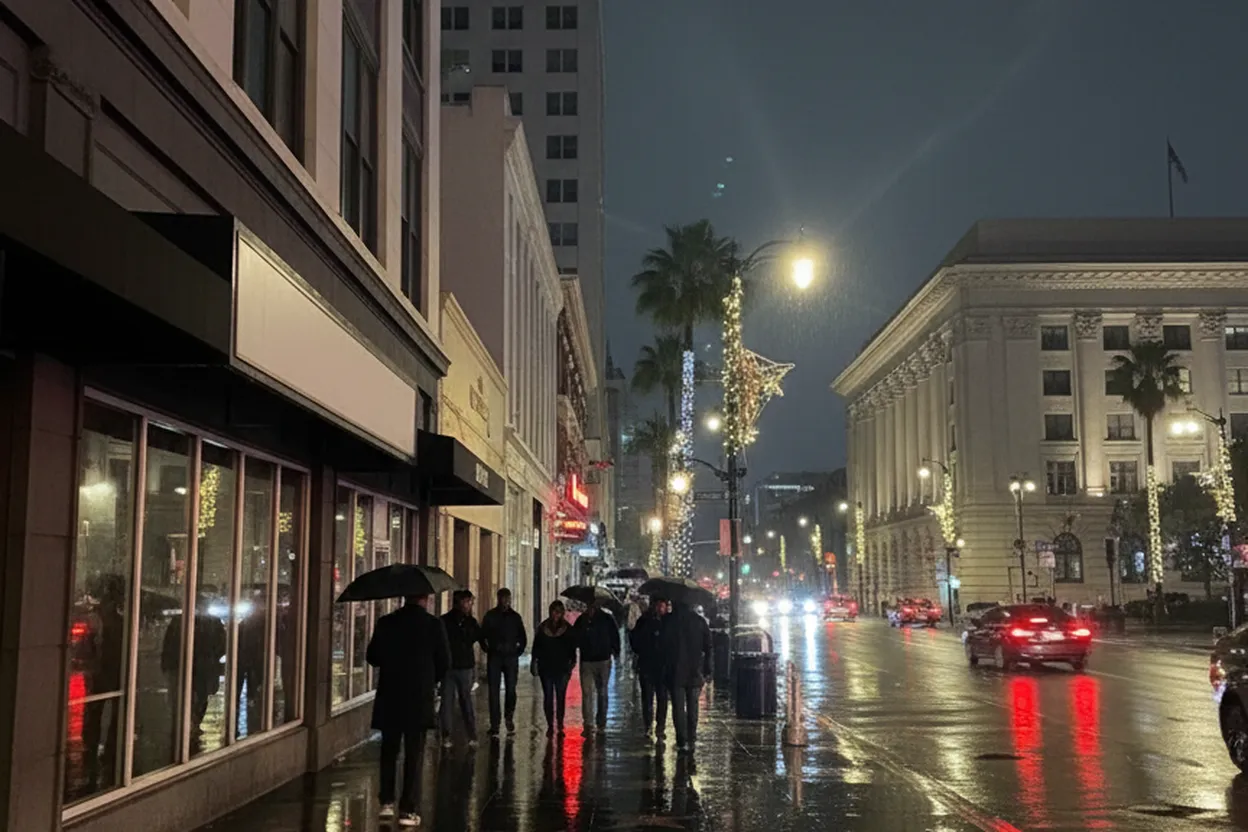
Los Angeles is built for art walks that do not need a paid ticket, but the good version requires more planning than following a viral phrase. If dalton and sako has you looking for a creative reset, DTLA gives you a compact afternoon route: Grand Avenue museums, Metro station art, civic spaces, and Arts District murals within a flexible loop. As of Tuesday, August 11, 2026, the smartest approach is not to chase every gallery door. Start with confirmed free access, use outdoor pieces as buffers, and keep one backup nearby when capacity, closures, heat, or construction changes the pace.
Want a free DTLA art route that updates around museum tickets, Metro stops, and closures? Text Karpo before you leave so the walk matches today’s Los Angeles conditions.

The Broad on Grand Avenue
The Broad is the easiest anchor for a free DTLA art afternoon because general admission is free, the address is fixed at 221 S. Grand Avenue, and the museum publishes its hours. For Tuesday, Wednesday, and Friday, hours are listed as 11 am to 5 pm; Thursday runs later, while Saturday and Sunday open earlier. Timed tickets are recommended, walk-ups are available, and some special exhibitions or events may carry charges.
For a solo visitor, The Broad works best as a first stop because it gives structure before the walk becomes looser. The main tradeoff is capacity: same-day walk-up entry can involve a wait, and timed tickets may not protect every special installation. If the free reservation page is thin, use the exterior, lobby timing, and nearby Grand Avenue public spaces as your buffer instead of treating one room as the whole plan.
MOCA Grand Avenue at 250 South Grand Avenue
MOCA Grand Avenue sits across the cultural corridor at 250 South Grand Avenue, making it a practical second stop rather than a separate trip. The museum says general admission is free with a timed-entry reservation, and its current Tuesday hours are 11 am to 5 pm. The page also notes that free advance reservations are required, with a limited number of on-site tickets available on a first-come, first-served basis.
This stop fits readers who want slower looking after The Broad’s crowd flow. The useful failure mode is simple: if reservations are gone, do not stand around burning the afternoon. Check whether on-site availability exists, then pivot to MOCA’s listed public-space artworks, Grand Avenue architecture, or Grand Park. The Geffen Contemporary is not the backup today; MOCA lists it as temporarily closed for deinstallation and installation until later programming returns.
Grand Avenue Arts/Bunker Hill Station
Metro makes the route easier because The Broad identifies Grand Avenue Arts/Bunker Hill Station, served by the A and E lines, as the closest stop. That matters on a sunny afternoon when parking costs, construction access, and traffic can eat the budget faster than museum admission. The Broad also notes a pedestrian bridge closure over Hope Street through June 30, so posted station signage should guide the final approach.
For accessibility planning, rail is useful but not automatic. Metro’s system includes elevators and escalators, yet individual equipment status can change, so check the station alert path before relying on one vertical route. If an elevator is out, switch the order: start at Civic Center/Grand Park or another accessible arrival point, then walk downhill or use bus connections. The art walk should bend around mobility, not force a staircase into the day.
Metro A Line Art Panels
The Metro Art A Line archive gives the walk an official public-art layer outside museum walls. It lists station artworks including Audrey Chan’s colorful panel work at Little Tokyo/Arts District Station and Mark Lere’s pavement images at Grand Station. These are useful because they are embedded in transit space, making the commute part of the looking rather than dead time between destinations.
The pacing here should be brief and deliberate: pause, observe, photograph only where allowed and safe, then keep moving. Station art is not a gallery, so blocking platforms, lingering near tracks, or turning the stop into a photo set is the wrong tradeoff. If trains are crowded or service alerts make the stop stressful, skip the platform layer and use Metro only as transportation to your next confirmed outdoor or museum stop.
Gloria Molina Grand Park
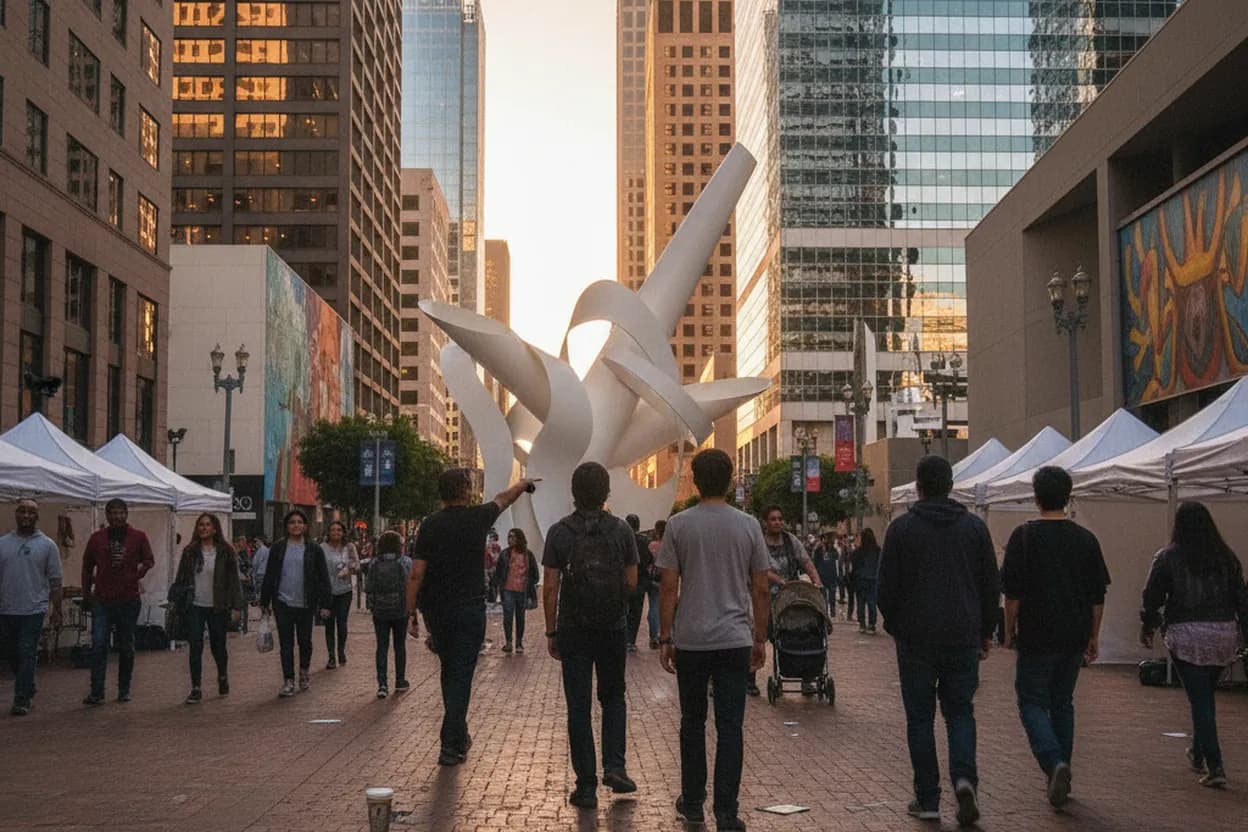
Gloria Molina Grand Park gives the route a decompression point between the Grand Avenue museums and Civic Center. The park’s official site lists daily hours from 5:30 am to 10 pm and places it at 200 N Grand Ave. It describes the 12-acre civic park as stretching from The Music Center to City Hall, with year-round free public programming and green space in central Downtown Los Angeles.
This is the best place to reset if galleries feel crowded or the afternoon gets too warm. It is also the safest pacing choice for readers traveling alone because exits, seating, shade, and transit links are easier to manage than in a dense gallery cluster. The tradeoff is that programmed events change the feel of the park; check the park schedule, and if a setup blocks your intended path, treat the lawn and fountain zone as the walk’s pause rather than its main exhibit.
Arts District Murals Without Trespassing
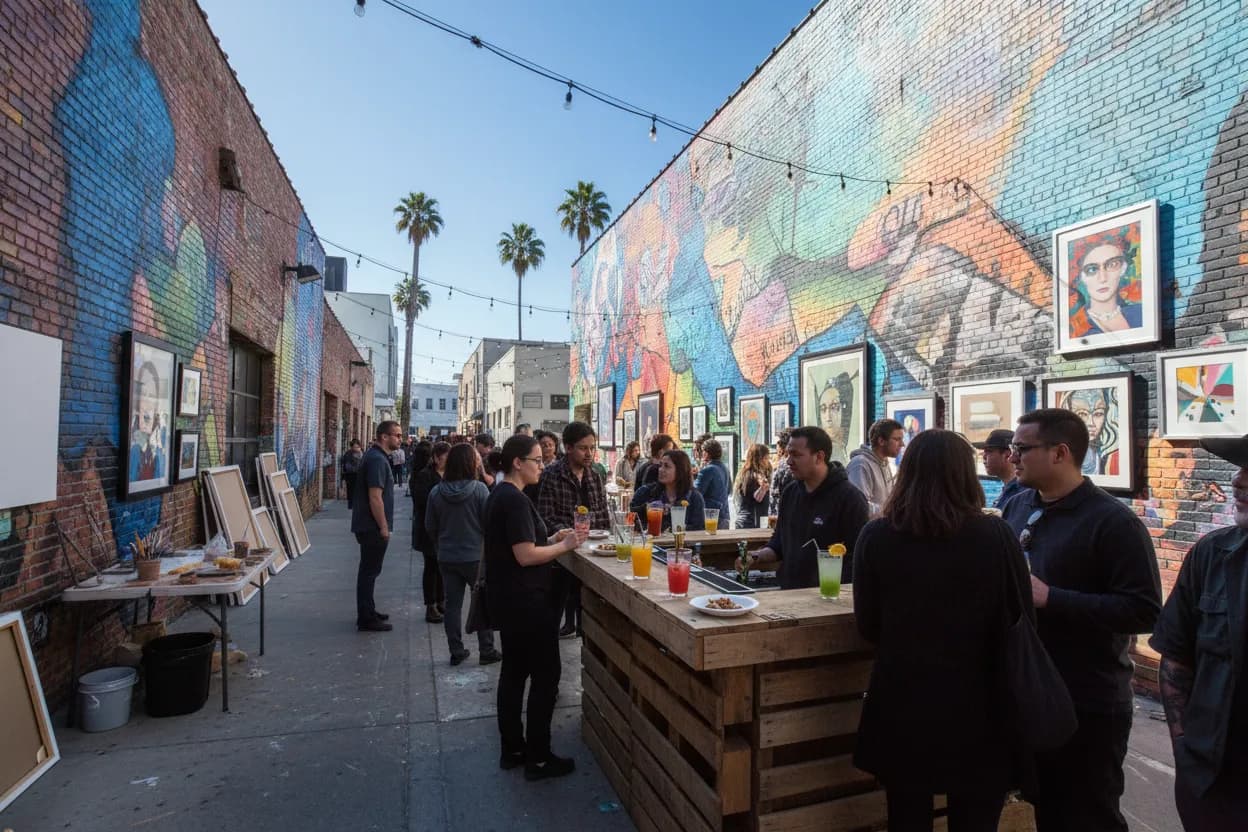
Los Angeles murals are a real public-art system, not just background color. The City Department of Cultural Affairs explains that its Citywide Mural Program supports mural preservation, new murals, technical assistance, documentation, and cultural tourism. For a free Arts District extension, that means the reader should look for publicly visible work from sidewalks and open streets, while avoiding loading docks, alleys that feel private, and any active work site.
The practical backup is to use registered or well-documented mural corridors as optional, not mandatory. Murals change, get restored, get covered, or sit behind temporary barriers, so a guide cannot honestly promise every wall will be viewable on August 11, 2026. If a specific piece is missing, the failure is not the walk; it is the nature of street art. Move on, note the block, and keep the route public and respectful.
Check Tickets, Closures, and Heat Before Leaving
The final verification action is specific: open The Broad tickets page, MOCA’s Plan Your Visit page, Metro service alerts, and the Grand Park schedule before you leave home. Do this even if you checked yesterday, because Tuesday museum capacity, transit changes, street work, and event setups can shift quickly. If one anchor fails, keep the loop free by replacing it with station art, park space, or exterior architecture.
For a sunny solo afternoon, carry water, choose shoes for pavement, and set a two-hour minimum rather than trying to force every stop. The best route is The Broad or MOCA first, Grand Park as a reset, then Metro art or Arts District murals only if energy and daylight still feel good. Verification is not busywork here; it is what keeps a free Los Angeles art walk from becoming a paid parking errand.
Tags: #LosAngeles #DTLA #FreeThingsToDo #ArtWalk #DowntownLA #TheBroad #MOCA #GrandParkLA #MetroArt #ArtsDistrictLA #PublicArt #SoloLA #AskKarpo #BeforeYouGo
Sources consulted: Source 1: thebroad.org · Source 2: moca.org · Source 3: art.metro.net · Source 4: grandparkla.org · Source 5: culture.lacity.gov
All trademarks are the property of their respective owners.
Ask Karpo first
Tell Karpo your date, group size, budget, and starting point. We’ll check current access, timing, transit, and the cleanest Los Angeles plan for Downtown Art Walk before you head out.


