 Downtown LA Comedy Club Night Picker for a Team Outing
Bars & Nights Out
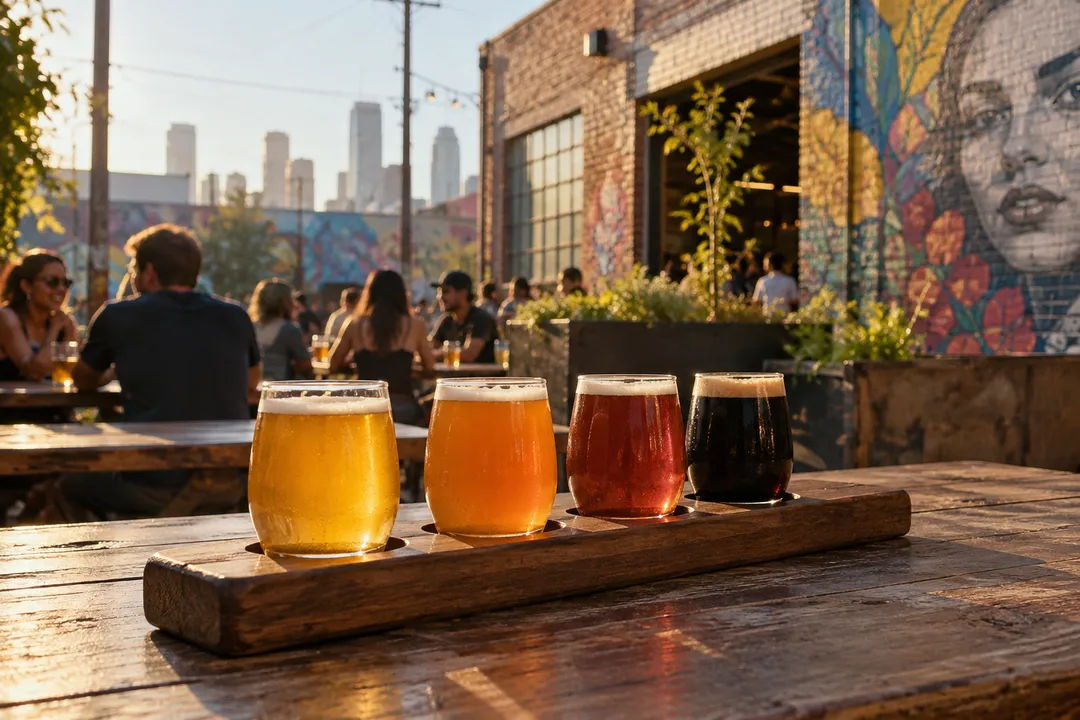
Arts District Craft Beer Flight Finder: Pick A Route
Plan a craft beer flight crawl through LA’s Arts District by style, pace, and transit, with a practical way to compare stops before you set out.
A craft beer flight finder works best when you treat the Arts District as a sequence of small decisions rather than a list of bars. Begin with the mood of the outing: a slow afternoon experiment, a social warm-up before dinner, or a short stop between galleries. In Karpo APP, set the neighborhood, then write one sentence about the drinker you are planning for. A beginner may want familiar lager, pale ale, and a fruit-forward sour; a seasoned drinker may prefer mixed fermentation, barrel notes, or a local hop comparison. The point is to give the tool a clear brief so the suggestions stay useful. Keep the route compact, leave time between pours, and decide in advance whether the final stop is another sample or a meal.
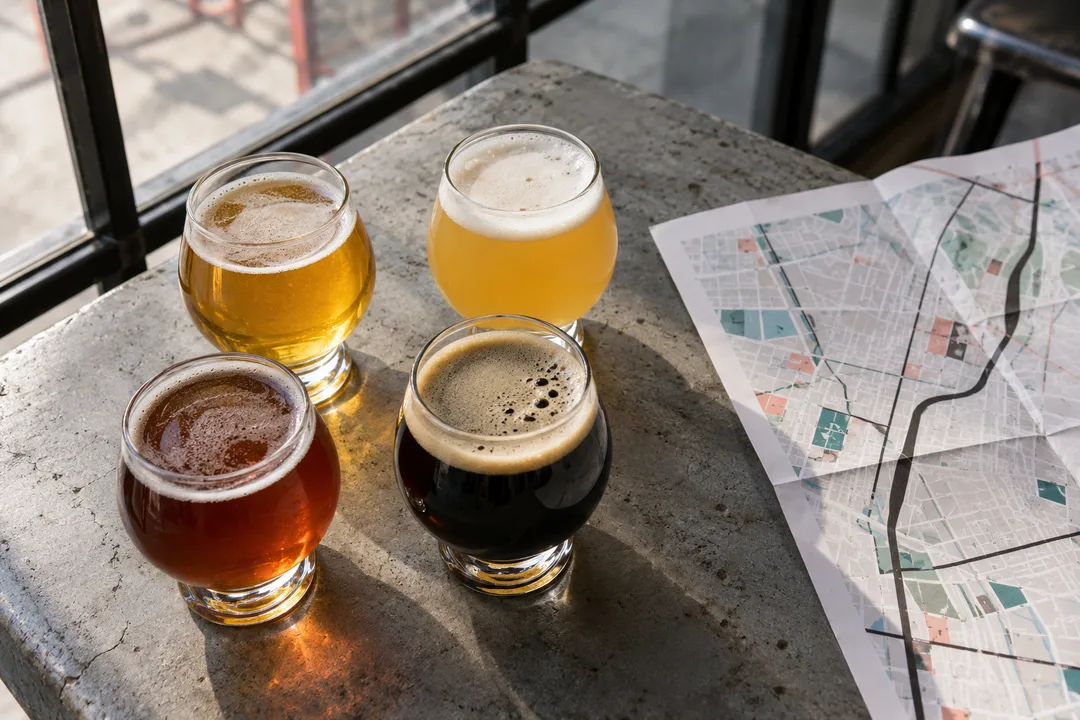
Start With A Tasting Goal
Make the first flight a lesson in contrast. Put a clean pilsner beside a hazy pale ale, then add a dark or roasted pour only if the group enjoys bitterness. If a friend dislikes hops, swap in a wheat beer or tart fruit beer instead of forcing the planned lineup. Use the app's style filters and notes field to record what actually worked, because memory gets fuzzy after several samples. Ask for serving size when a listing offers more than one option, and keep water as part of the plan. A good flight is not the one with the most glasses; it is the one that lets you name a difference between each glass without needing a second opinion.
Build A Flight That Teaches You Something
The Arts District rewards a route with one anchor and one optional branch. Pick the stop that best matches the group's main interest, mark it as the anchor, and then keep the next suggestion within an easy walk or a short ride. Karpo APP can organize the sequence you choose, so use the map view to spot an awkward backtrack before leaving home. A gallery or coffee break between flights is a useful reset, especially for a group with mixed tolerance. If rain arrives, shorten the walking leg and select a second indoor option nearby. If the group is moving quickly, save the branch for another day rather than squeezing in a final pour that no one can taste clearly.
Choose A Route With Breathing Room
Think of the finder as a decision board, not a promise that every tap is available at this exact minute. Open each result to see the listing details, then use the saved list to compare beer styles, atmosphere, distance, and the kind of stop you want next. Sort by walking order when the group values conversation, or by style when the tasting itself is the event. Add a note such as 'quiet first stop' or 'dessert after' so the plan reflects the evening, not just the beverage category. The tool is most helpful before you arrive: it turns scattered choices into a short list you can discuss together without passing a phone around at every corner.
Use The App As A Decision Board
Crowd management is mostly about protecting the first decision. Start with the stop that has the seating or service format your group needs, then keep one flexible alternative saved. A crowded room is not a failure if the next option is already chosen; you can read the room, take a water break, and move without debating from scratch. Avoid promising a table, a specific tap, or a particular pour in the article plan. Instead, use Karpo APP to mark preferences and let the group make the final call from current listing information. If someone wants to leave after one sample, the route should still feel complete. A short, intentional flight beats a long crawl built around waiting.
Handle Crowds Without Guesswork
End the Arts District plan with a deliberate handoff. If the group is hungry, switch the final filter from beer style to food nearby; if everyone is still curious, save a second route focused on one family of beers. Write down the favorite pour, the surprise disappointment, and one question for the next tasting. That small record makes the next finder session better because you are no longer starting from zero. The app can hold the saved ideas, while the article gives you the rhythm: choose a purpose, compare a few distinct pours, walk enough to reset, and stop before the experience becomes a checklist. Your best next stop is the one that fits the group's energy, not the one with the longest list.
Finish With A Better Next Stop
Before you leave, take one final look at the route as a whole. Did the first stop teach the group something, did the middle give everyone enough time, and did the ending match the energy you had left? Put the answer beside the saved list so a future Arts District search starts with lived context rather than a blank screen. You can keep the next plan shorter, swap the order, or begin with the style that surprised you most. The craft beer flight finder is valuable precisely because it turns that reflection into a practical next step without pretending that one evening can settle every question. Use the saved sequence to separate discovery from logistics. The opening choice can be adventurous, while the middle choice should be easy to understand and the last choice should match the group's remaining appetite. If a friend wants to stop early, the plan should make that feel complete rather than awkward. If another friend wants one more comparison, keep a style note ready instead of adding a random destination. This kind of route design is especially helpful when the neighborhood is full of tempting doors: the finder gives you a reason for each turn, and the notes preserve the reason after the glasses are cleared. Keep the closing choice modest and specific: one more sample, a food stop, or a clear trip home. The article is strongest when it helps a reader make that choice without pretending to know the night in advance.
Ask Karpo for more information.
Keep reading
- Downtown LA Comedy Club Night Picker for a Team Outing
 Fairfax Comedy Club Night Picker for Aspiring Comedy Writers
 Santa Monica Comedy Club Night Picker for a Shy Date