 Mar Vista Winter Farmers Market Picker for Weekend Cyclists
Weekend Plans
ICA LA Contemporary Art Space: Free Arts District Hours
ICA LA at 1717 East 7th Street is free Wednesday through Sunday, noon to 6pm, with experimental exhibitions and a calm Arts District route for slow looking.
ICA LA answers a contemporary art space search with a rare practical advantage: admission is free, and the official address is 1717 East 7th Street in Los Angeles. Its public hours are Wednesday through Sunday, noon to 6pm. That schedule makes the space especially useful for a flexible weekend afternoon, but the building is not a drop-in box you rush through in ten minutes. Give yourself at least an hour. The strongest visit begins by reading the current exhibition notes at the entrance, then moving through the rooms without trying to photograph every wall. The point is the change of pace, not a checklist.
Begin with the free-admission logic
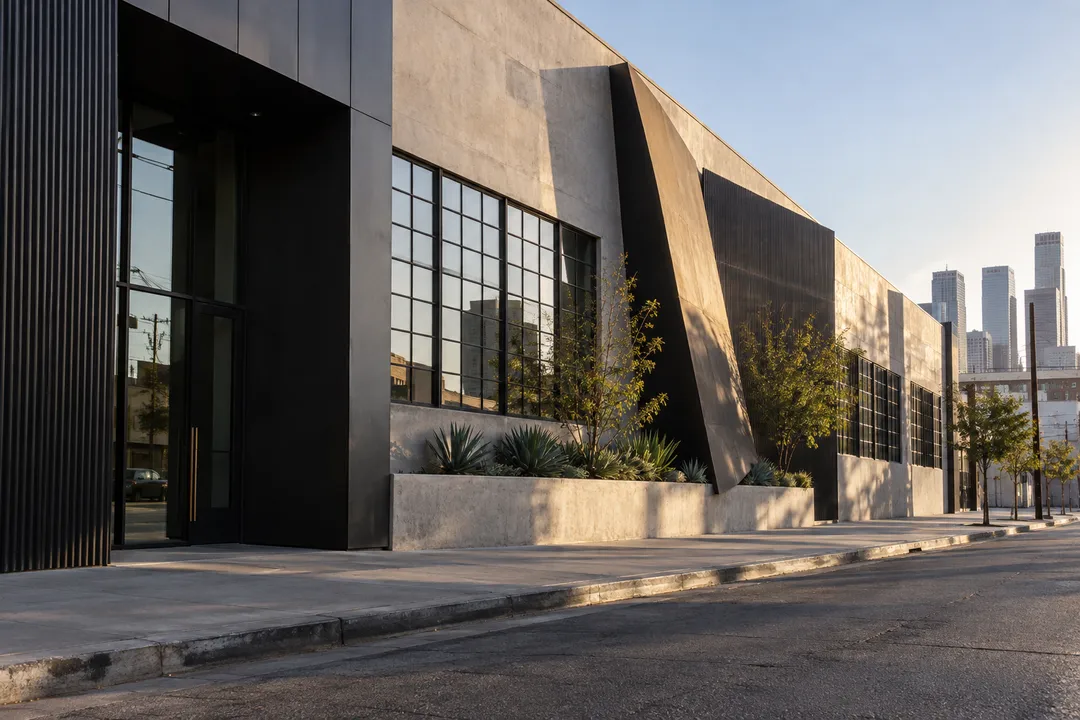
The Arts District setting matters before you reach the galleries. East 7th Street is a working urban corridor, so the approach has a little more texture than the polished museum route near Grand Avenue. ICA LA’s industrial character suits exhibitions that ask for attention to sound, scale, or material. On a first visit, pause outside long enough to notice how the street noise falls away once you enter. That contrast is part of the experience. It also explains why the space can feel more adventurous than a conventional white-cube stop, even when the room itself is spare.
The building changes the first ten minutes
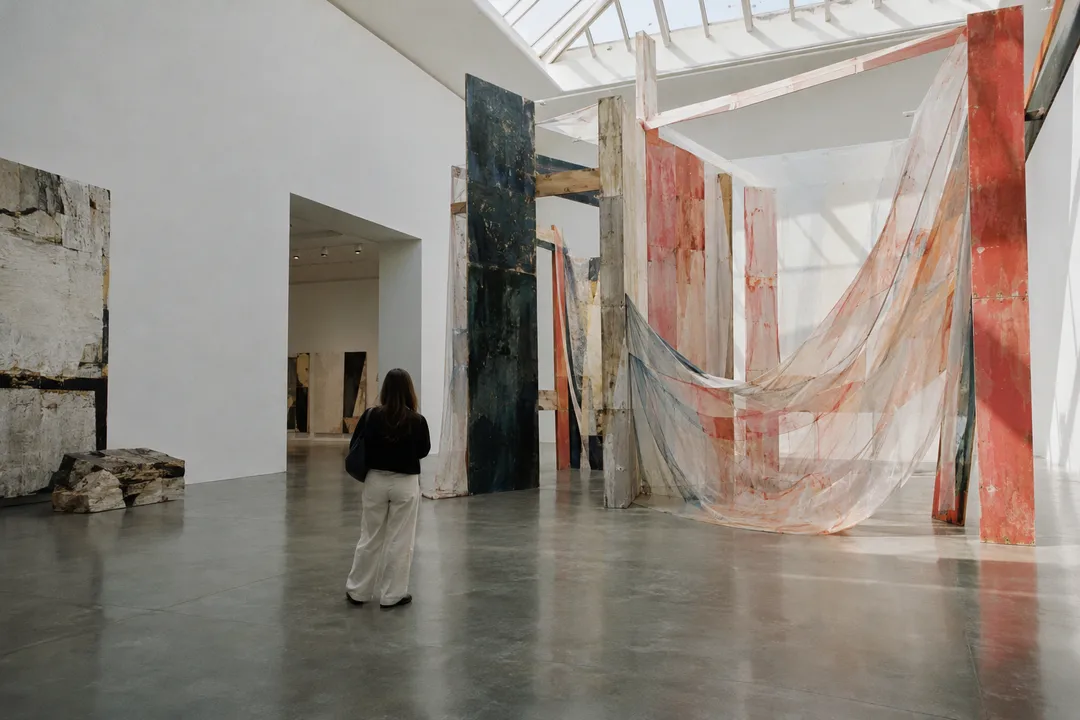
The most useful way to read an ICA LA show is by choosing one work as an anchor. Start with the piece that appears physically dominant, then trace the smaller decisions around it: a repeated color, a cut in a surface, a video loop that changes the room’s tempo. This is better than moving from label to label. The exhibitions often reward a second pass because a work that seems loud at first can become the quiet hinge of the installation. Bring a notebook if you like; leave the camera down for the opening circuit.
What deserves the longest look
There is no elaborate restaurant-style queue, but there are still room rules. Keep the entrance clear, do not lean on walls or plinths, and ask before photographing works that use projections or sound. When a gallery talk or public program is underway, the doorway can become a bottleneck. Stand to the side and let the group pass. Families, students, and solo visitors can all fit comfortably when the first room is not treated as a photo booth. The unwritten rule is simple: take your time without turning another visitor’s pause into your backdrop.
Rules that keep the room generous
For the calmest visit, arrive early in the published opening window or after the first weekend rush has softened. Midday light makes the building feel more open, while the final hour is better for a short, focused look than for a full first visit. If one exhibition is crowded, start with the rooms furthest from the entrance and circle back. I would skip trying to combine ICA LA with three distant museums in one afternoon; the better plan is one substantial exhibition followed by a neighborhood walk.
A better time to arrive
After the galleries, continue through the Arts District rather than jumping straight back into the car. A useful route is to head toward Mateo Street, then turn north toward the warehouses and public-facing studios that give the area its visual rhythm. Keep the walk loose: the reward is seeing how murals, loading bays, coffee counters, and new apartment blocks sit beside one another. If you need a second indoor stop, choose one nearby gallery only after seeing its posted hours. The neighborhood works best as an extension of the exhibition’s attention to material and scale.
Walk the Arts District afterward
Practical notes are straightforward. The official destination is ICA LA at 1717 East 7th Street, Los Angeles, California 90021. Public hours are Wednesday through Sunday, noon to 6pm, and admission is free. Wear shoes that can handle a few blocks of walking and avoid bringing a large bag if you want to move easily between rooms. The building’s program changes, so read the exhibition title and any installation restrictions at the entrance. Karpo APP is useful here for turning the visit into a wider Arts District route without adding a second museum by default.
Practical notes for a first visit
The honest verdict is that ICA LA is best for visitors who want contemporary art without a ticket decision or a marathon museum building. It is not the place to demand a neatly labeled survey of every trend. It is more valuable as a focused, changing space where one strong installation can reset the rest of your afternoon. Go when you can spare an hour, keep the first pass quiet, and let the Arts District walk do the decompression afterward. The free admission removes the pressure to make every minute feel productive.
Practical notes for a first visit
A useful backup plan is to leave after forty minutes if the current show is not holding you. The nearby district has enough galleries, storefronts, and public art to keep the afternoon alive, but do not invent a second destination before you see what is open. If rain changes the walking plan, spend longer inside and use the final hour before 6pm for a slower second circuit. The best version of this visit is deliberately modest: one address, one exhibition, and enough time to notice what the work does to the room.
The honest verdict
For a first-time contemporary art space search in Los Angeles, ICA LA delivers the strongest combination of access and concentration. The Wednesday-through-Sunday schedule, free admission, and Arts District location make it easy to fit into a real day rather than a special occasion. What to remember is the rhythm: read first, look twice, respect the room, then walk. That sequence turns a free gallery stop into a complete neighborhood plan instead of another hurried photograph on a long list. One small habit improves the visit: write down the name of the work that changes your pace, not only the work that looks most impressive. That distinction matters in experimental rooms, where sound, repetition, or a modest material detail may become the memory you carry out. It also gives you a useful conversation starter if you continue to another Arts District venue. Do not worry about extracting a complete interpretation. A free gallery can be valuable precisely because it leaves a question open and gives you a reason to return when the program changes.
Ask Karpo for more information.
Keep reading
- Mar Vista Winter Farmers Market Picker for Weekend Cyclists
 Downtown LA Winter Farmers Market Picker for Car-Free Hosts
 Larchmont Winter Farmers Market Picker for Kimchi-Making Day