 Mar Vista Winter Farmers Market Picker for Weekend Cyclists
Weekend Plans
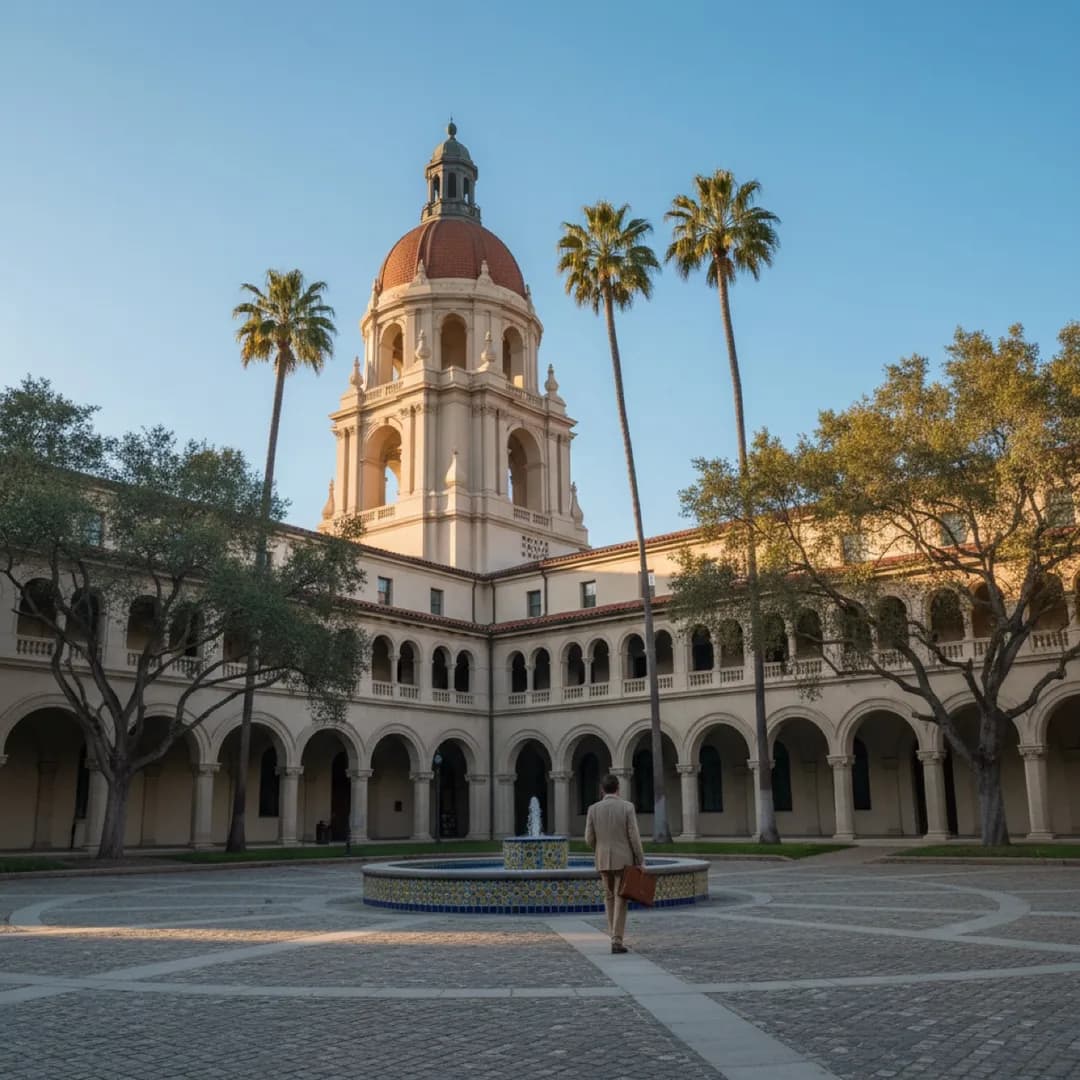
Pasadena Community Workshop Finder for Multi-Week Courses
Pasadena suits learners ready for a multi-week course, with community art programs near Old Pasadena and the A Line. Try one class, then commit to the series.
Pasadena is a good place to take a workshop seriously. Beyond one-time sessions, the city has long-standing community arts organizations, a strong library system, and colleges that run continuing education programs, which makes it easier than in many parts of Los Angeles to find multi-week courses in drawing, painting, ceramics, and other crafts. A community workshop finder for Pasadena should help you move from a single trial class to a full series, comparing schedules, commitments, and costs around Old Pasadena and the Metro A Line so that a weekly class fits your life rather than fighting it.
Why a Series Beats a One-Off
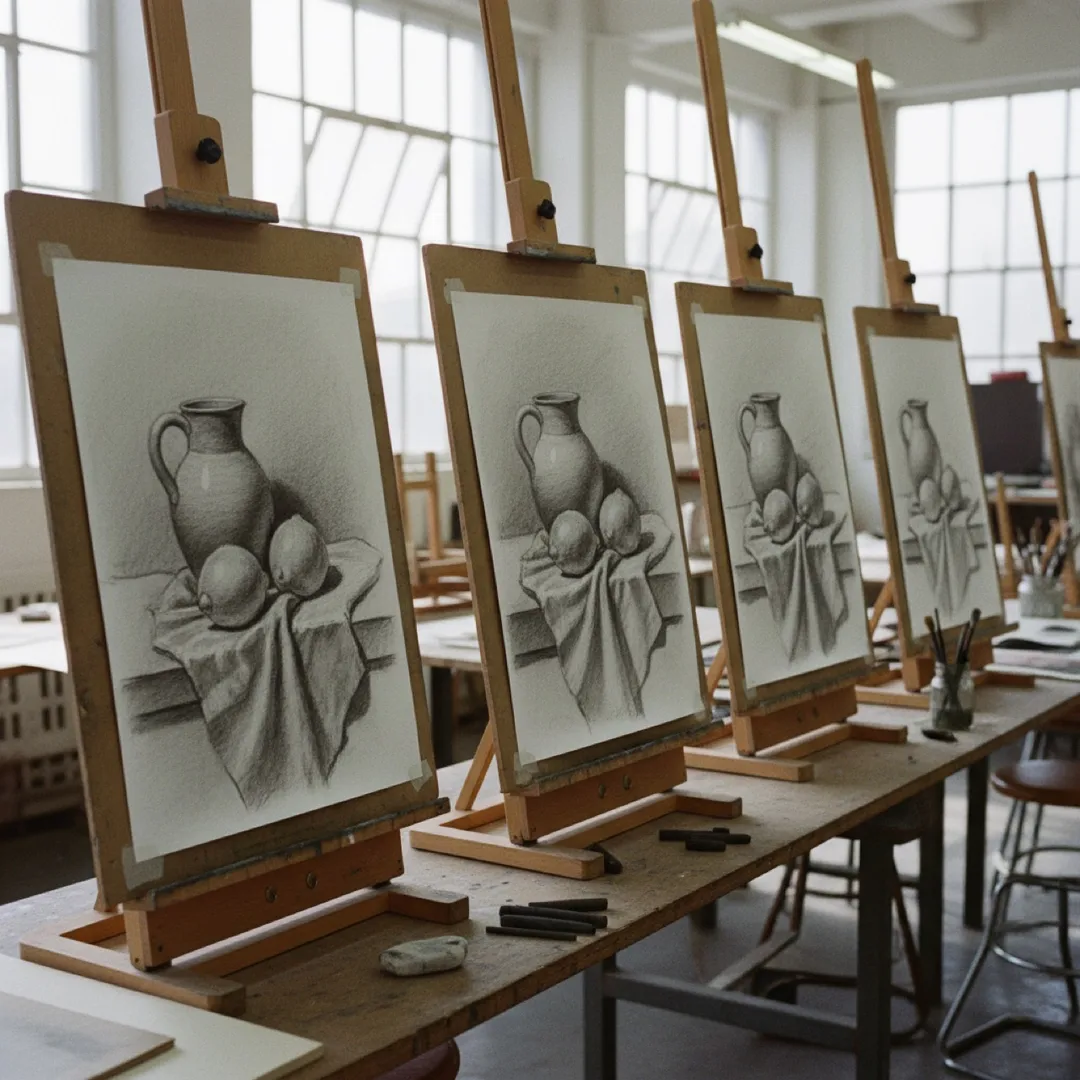
Single workshops are great for discovering a craft, but most skills take repetition. A four- to eight-week drawing or ceramics course gives you time to practice between sessions, ask follow-up questions, and see real progress. For many people, the jump from beginner to confident comes in weeks three and four, after the first excitement fades and practice begins to pay off.
Pasadena's combination of community art centers and continuing education options means you can often find a course that meets once a week at a predictable time. That consistency makes it easier to stick with the class and build a habit.
Testing the Waters First
Before signing up for a long course, try a single session or a short introductory class. This lets you check whether you enjoy the medium, the instructor's style, and the commute. Many organizations offer drop-in sessions, open studios, or one-day workshops alongside their longer programs.
The Karpo APP can help you collect both types of options. Ask for a beginner drawing workshop in Pasadena on a Saturday and a multi-week evening drawing course nearby, and compare them by schedule, length, and cost. Then use the trial class to decide whether the longer commitment is worth it.
Community Art Centers Worth Knowing
The Armory Center for the Arts, on North Raymond Avenue near Old Pasadena, is a nonprofit community arts organization that has offered studio classes and exhibitions for many years. It is a natural place to start your search for courses in drawing, painting, ceramics, and other media; check its official site for current class listings and registration.
Pasadena City College also runs extension and community education programs, and the Pasadena Public Library system hosts free public programs at its branches. Including these in your search gives you a mix of paid and free options to compare.
Fitting a Weekly Class Into Your Schedule
The most important question for a multi-week course is whether you can attend every session. Look at your calendar for the full span of the course, including holidays, work trips, and family events. Missing two classes in a six-week course can make it hard to keep up.
Evening and weekend courses are common, but they fill quickly. If you have flexibility, weekday daytime classes may have more space and a calmer atmosphere. Choose a time slot you are confident you can keep, even on a tiring week.
Comparing Two Courses Side by Side
When you have narrowed it down to two series, line them up on the same few points: total number of sessions, length of each session, class size, whether open studio time between classes is included, and the full cost with materials. A slightly more expensive course that includes studio access can be better value than a cheaper one where practice time is only available in class.
Look at the instructor's background as well. A working artist who exhibits regularly will teach differently from a teacher focused on fundamentals, and both can be right depending on your goals. Saving both courses in a Karpo plan with these notes side by side makes the choice clearer, and keeps the second option ready if the first fills before you register.
Getting There Week After Week
The Metro A Line runs through Pasadena with stations such as Memorial Park and Del Mar near Old Pasadena. If your class is close to one of these stations, taking the train can make weekly attendance much easier than driving and parking each time.
If you drive, look for consistent parking options near your class. Old Pasadena has public parking structures, but they can be busy on weekend evenings. Knowing where you will park every week reduces stress and makes it easier to arrive on time.
Making the Most of the Neighborhood
Old Pasadena's historic blocks along Colorado Boulevard are lined with restored brick buildings, alleys, and courtyards. Arriving early to walk these streets or grab a coffee can make your weekly class feel like a small ritual rather than an errand.
Pasadena City Hall, with its domed tower and courtyard garden, is a short walk from Old Pasadena and a pleasant place to sit before or after class. The Central Library on Walnut Street, a historic building with a quiet reading room, is another calm spot nearby.
Honest Advice on Committing
Skip long courses that do not include a clear description of the curriculum. A good series should say what you will learn each week or at least outline the overall progression. If a course listing is vague, ask the organizer for more detail before paying.
Also be cautious about signing up for multiple courses at once. One weekly class is often enough to build a new skill, and adding a second can turn a hobby into a chore. Focus on one medium until you feel ready for more.
What to Expect From Your Classmates
Multi-week courses in Pasadena often attract a mix of retirees, working professionals, students, and longtime local artists returning to practice. Many people return to the same course or instructor season after season, so classes can feel like small communities.
Being part of that community is one of the biggest benefits of a series. You get to know the people beside you, share tips, and encourage each other's progress. It is common for classmates to swap supplies, recommend materials, or form informal sketch groups outside class.
Practical Notes
Ask whether materials are included in the course fee or if you need to buy your own. Some courses require specific supplies, such as charcoal, paper, clay, or tools, and buying them in advance saves time on the first day.
Keep a simple record of your progress in the Karpo APP: what you learned each week, which techniques you want to practice, and how you feel about the course. These notes help you decide whether to continue to the next level, switch instructors, or try a new medium.
Ask Karpo for more information.
Keep reading
- Mar Vista Winter Farmers Market Picker for Weekend Cyclists
 Downtown LA Winter Farmers Market Picker for Car-Free Hosts
 Larchmont Winter Farmers Market Picker for Kimchi-Making Day