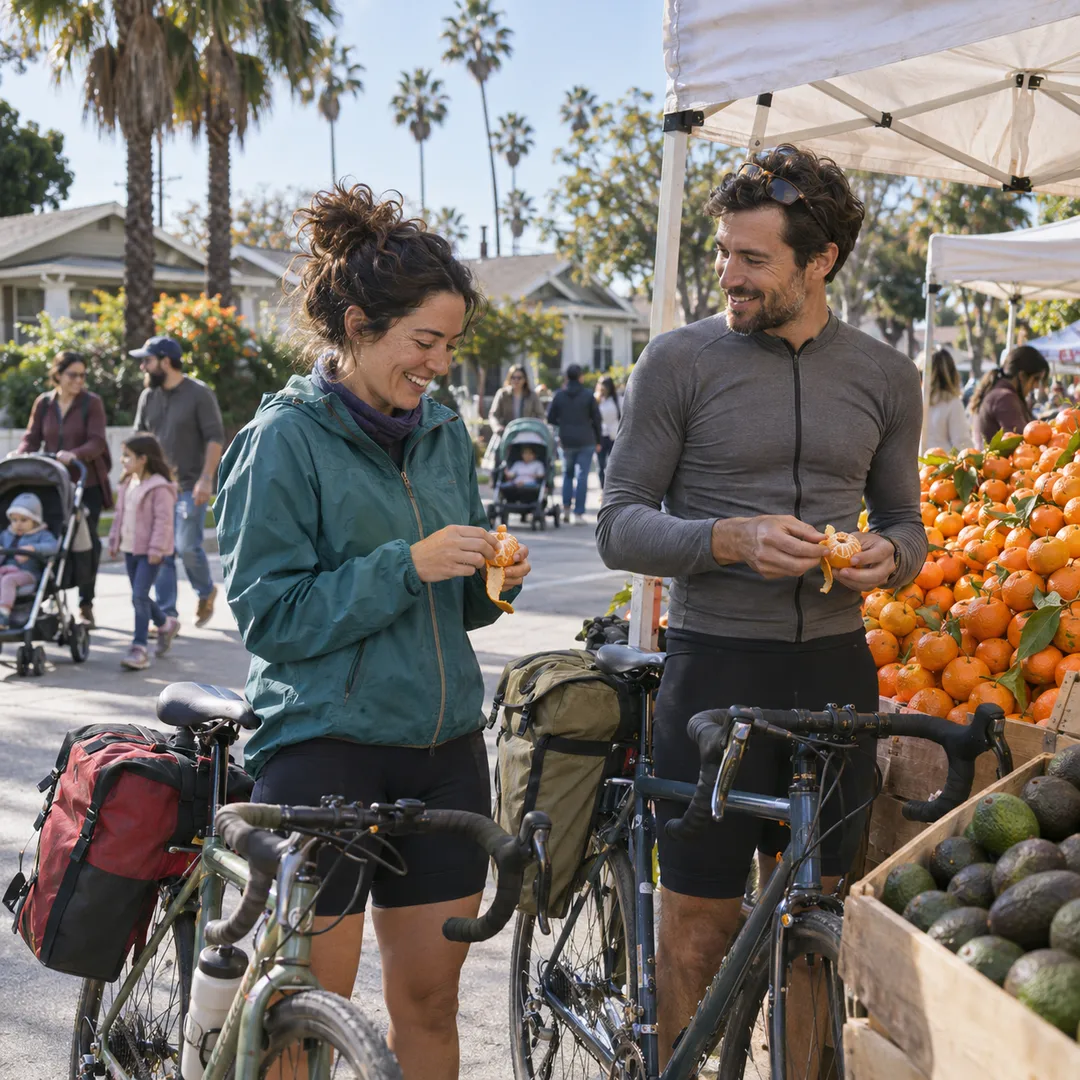
 Mar Vista Winter Farmers Market Picker for Weekend Cyclists
Weekend Plans
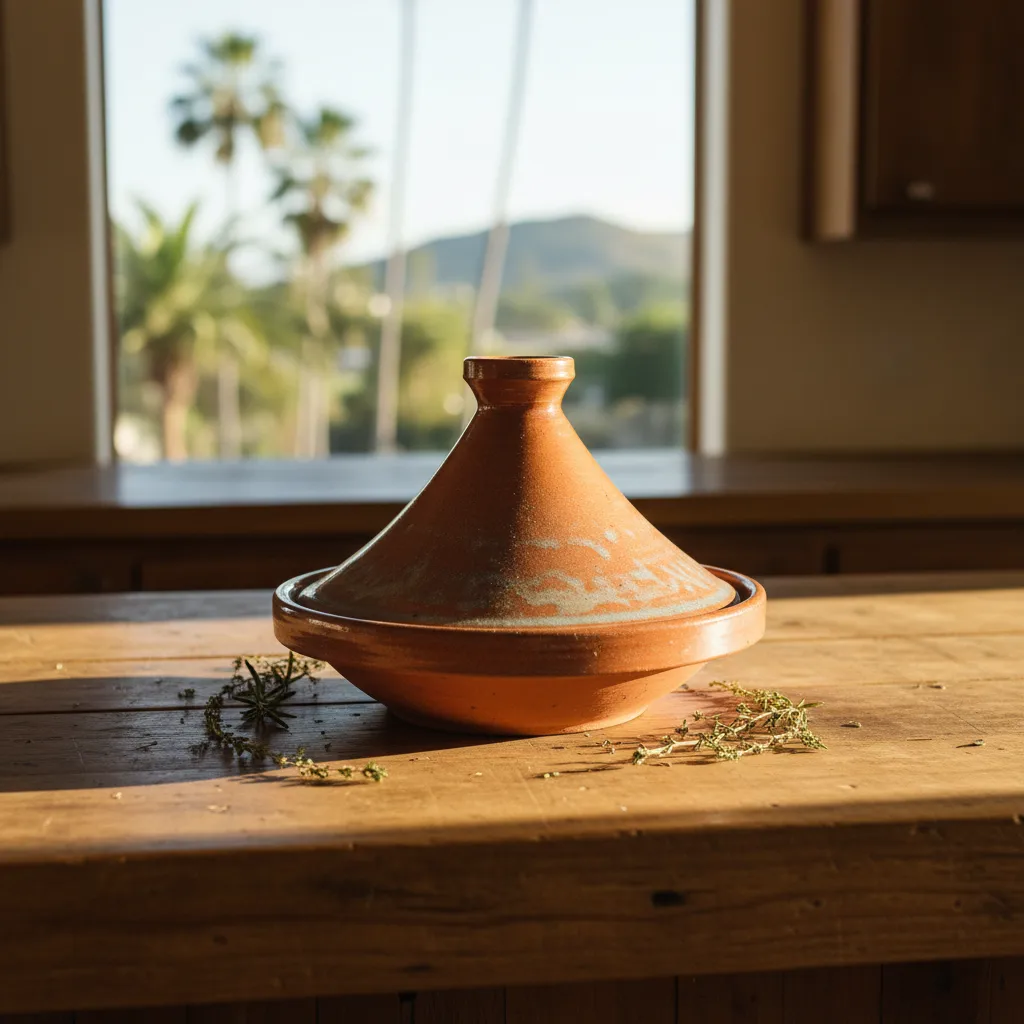
Silver Lake Clay Pot Cooking Workshop Weekend Guide
Craft seasonal Mediterranean and vegetable tagines in handcrafted earthenware vessels along the picturesque reservoir paths of Silver Lake, Los Angeles.
Perched in a sun-drenched culinary studio overlooking the hillside trails of Silver Lake, this weekend cooking workshop invites food enthusiasts to discover the plant-forward possibilities of earthenware cookery. Centered on the traditional North African tagine and Mediterranean terra cotta vessels, the masterclass demonstrates how porous clay gently concentrates the natural sugars and juices of seasonal vegetables without heavy added fats. Surrounded by mid-century architecture and lush hillside flora, participants learn the delicate art of slow heat accumulation, creating deeply comforting vegetable stews that celebrate California produce.
Artisanal Ceramic Craft and Conical Vapor Dynamics
The physics of vegetable tagine cooking centers on the harmonious moisture loop created by the conical chimney lid. As sweet root vegetables, onions, and legumes warm inside the shallow base, steam evaporates and hits the sloping unglazed walls of the upper cone. Cooling naturally against the ceramic surface, the moisture condenses and trickles back down, continuously basting the ingredients throughout a multi-hour braise. Students examine various hand-thrown vessels, appreciating how porous clay retains aromatic herbal vapors that metallic cookware routinely vents away.
Selecting quality clay cookware for home kitchens requires an eye for craftsmanship, weight balance, and firing integrity. Workshop instructors demonstrate how to inspect terra cotta pots for consistent wall thickness and smooth lid seating, explaining why unglazed and partially glazed vessels excel at vegetable cookery. Participants learn how porous clay breathes during cooking, absorbing volatile spice notes over months of domestic use to develop a seasoned patina that enriches subsequent winter braises.
The cultural ethos of Silver Lake has long championed organic farming, mindful consumption, and artistic craftsmanship, making it a natural setting for learning time-honored earthenware techniques. In traditional Mediterranean farming communities, communal clay pots simmered peacefully on hearth embers while family members tended seasonal orchards. Recreating these pastoral rhythms in modern Los Angeles encourages students to step away from fast-paced cooking methods and savor the meditative pleasure of slow food.
Gentle Stovetop Convection and Sweet Vegetable Melting
Mastering flame control on gas stovetops is essential to prevent thermal shock in delicate clay cookware. Because sudden thermal expansion can cause ceramic fracture, every cooking station features a heavy cast-iron flame diffuser plate. Students learn to start their burners on low settings, allowing the earthenware base to absorb heat gradually over ten minutes before adding extra-virgin olive oil, diced shallots, and freshly ground spices to sweat gently.
Acoustic awareness plays an indispensable role during the slow braising process. Inside a properly regulated tagine, ingredients emit a soft, gentle murmur accompanied by delicate wisps of steam emerging from the chimney vent. Instructors guide participants in recognizing this steady simmer, explaining that rapid boiling breaks down delicate vegetables into mush, whereas a restrained, steady temperature coaxes them into melting, velvety perfection.
Moisture regulation in vegetable clay pot cooking follows precise rules governed by natural plant hydration. Because root vegetables and squashes release substantial water during cooking, adding excessive broth or stock dilutes the sauce and leaves it thin. Instructors show students how to arrange ingredients strategically, placing dense winter squash along the base and layering delicate greens across the top to steam in aromatic vapors.
Braising Spiced Winter Squash and Heirloom Legumes
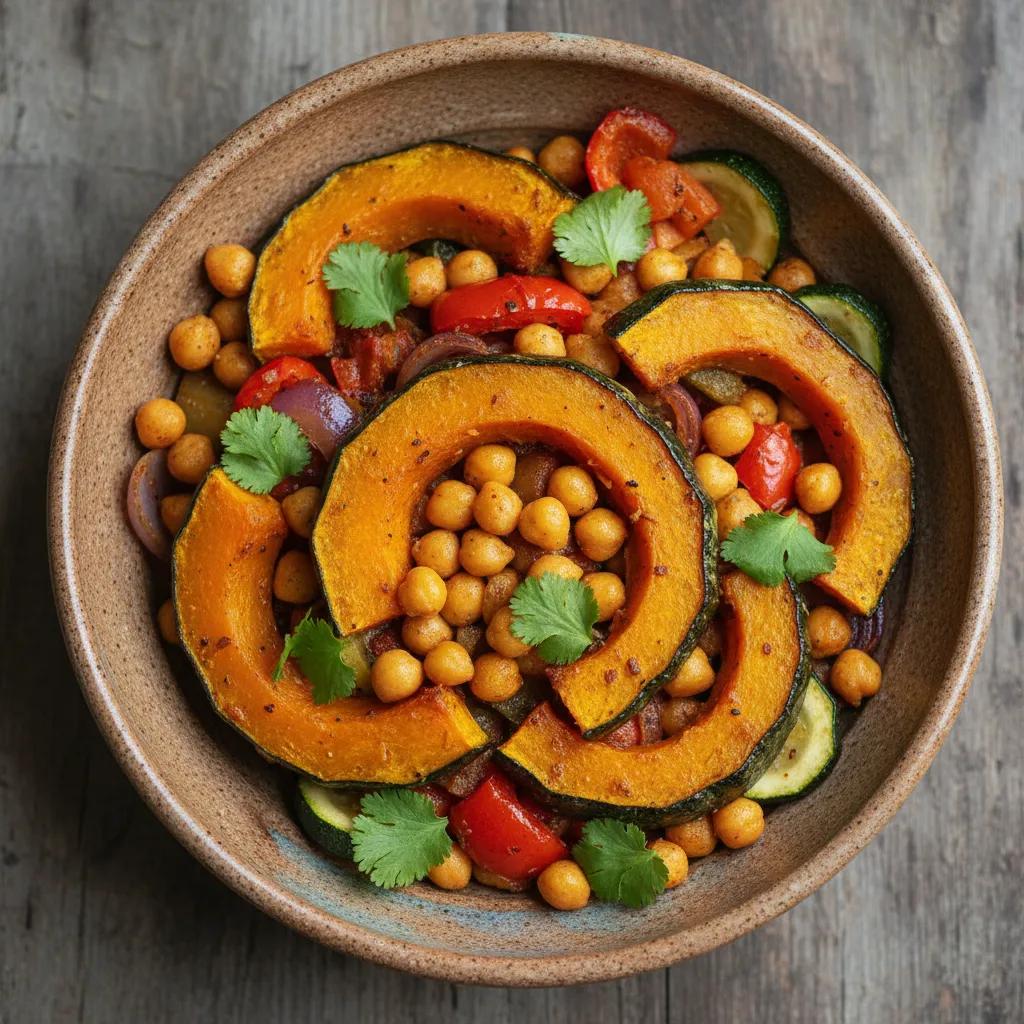
The centerpiece recipe of the workshop is a fragrant Mediterranean winter squash and chickpea tagine, combining sweet kabocha squash, plump chickpeas, caramelized shallots, and preserved lemon rind. Students begin by blooming a vibrant spice paste of ground coriander, cumin, ginger, cinnamon, and saffron threads in golden olive oil inside the tagine base. Sliced shallots and diced carrots are sweated into the fragrant oil before layering chunks of seeded squash and soaked chickpeas.
Covered tightly with its conical chimney lid, the tagine simmers over low flame for forty-five minutes, allowing the sweet squash to become spoon-tender while absorbing the savory, golden spice broth. Midpoint through the braise, students fold in slivered dried apricots and cured green olives, introducing bright acidic notes that balance the rich caramelized sweetness of the squash. The result is a multi-dimensional stew that showcases the transformative power of earthenware heat.
The finished tagine is presented at the communal table atop woven palm mats, garnished with freshly torn cilantro leaves, toasted sliced almonds, and a final drizzle of cold-pressed California olive oil. Steaming bowls of fluffy couscous and warm flatbreads are passed around for soaking up the aromatic sauce. Tasting the tender vegetables and harmoniously balanced spices demonstrates that plant-based cooking reaches its highest expression inside traditional clay pottery.
Silver Lake Reservoir Paths and Architectural Steps
During the slow-cooking interval, the class enjoys an invigorating walking tour around the perimeter of the Silver Lake Reservoir and through historic hillside neighborhoods. Strolling along the water's edge offers scenic views of mid-century hillside homes, eucalyptus groves, and distant mountain ridges. The fresh hillside air provides a refreshing sensory break while instructors share stories detailing Silver Lake's long-standing connection to progressive art and modernist architecture.
The walking path climbs the historic Mattachine steps and shaded pedestrian stairways that lace the surrounding hillsides. Students admire historic Spanish Colonial Revival and mid-century architectural details, discussing how the neighborhood's artistic community fostered California's organic food movements. The peaceful climb offers an inspiring look at how urban nature and neighborhood history intertwine in this creative enclave.
Returning toward Sunset Junction, the group pauses at a local spice apothecary and neighborhood farmers market to inspect artisanal dried herbs, sea salts, and specialty citrus varieties. Engaging with local merchants provides practical guidance on sourcing high-quality organic aromatics that elevate home vegetable stews, reinforcing the link between fresh market produce and traditional culinary techniques.
Pottery Seasoning Wisdom and Kitchen Studio Advice
Proper cleaning and maintenance protocols ensure that unglazed terra cotta tagines remain durable and sanitary across years of kitchen service. Students learn to let their vessels cool completely to room temperature before washing them with warm water and soft natural brushes, strictly avoiding synthetic dish soaps that can penetrate porous earthenware. Stubborn vegetable residues are easily loosened by soaking the pot in warm water mixed with baking soda.
Storing delicate conical pottery calls for dedicated, airy pantry shelves where ambient airflow prevents dampness from accumulating. Teachers recommend inverting the upper cone on a soft cotton pad within the base to keep both ceramic elements protected from accidental knocks. Should persistent vegetable aromas linger, gently simmering water with sliced fresh lemons and rosemary sprigs restores neutral clay freshness.
Joining this hillside Silver Lake cooking experience requires only comfortable casual clothing and cushioned walking shoes suited for concrete stair climbs. Workstations come fully stocked with chef knives, cutting boards, and washed linen aprons, leaving students free to focus on spice balance and gentle burner modulation.
Ask Karpo for more information.
Keep reading
- Mar Vista Winter Farmers Market Picker for Weekend Cyclists
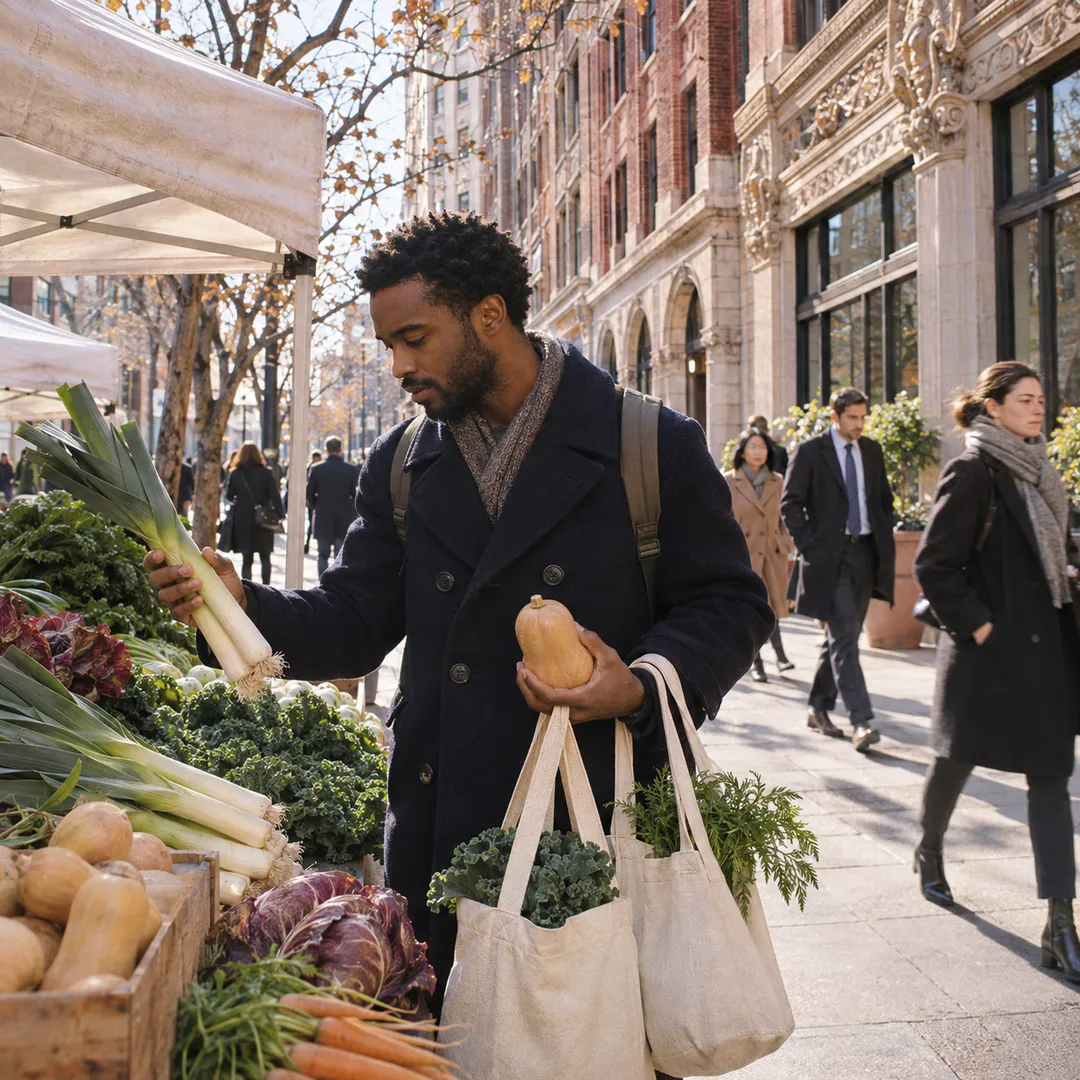 Downtown LA Winter Farmers Market Picker for Car-Free Hosts
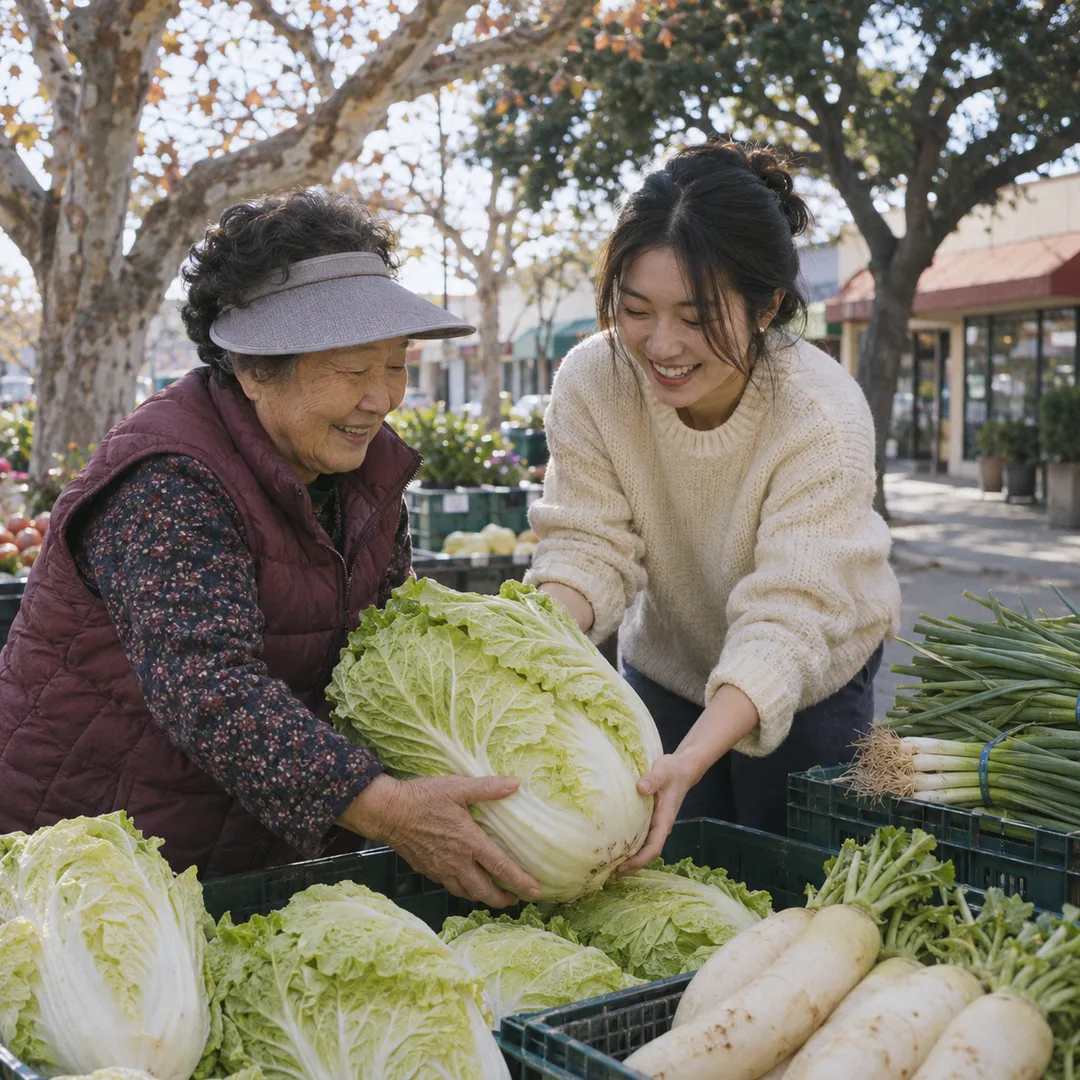 Larchmont Winter Farmers Market Picker for Kimchi-Making Day