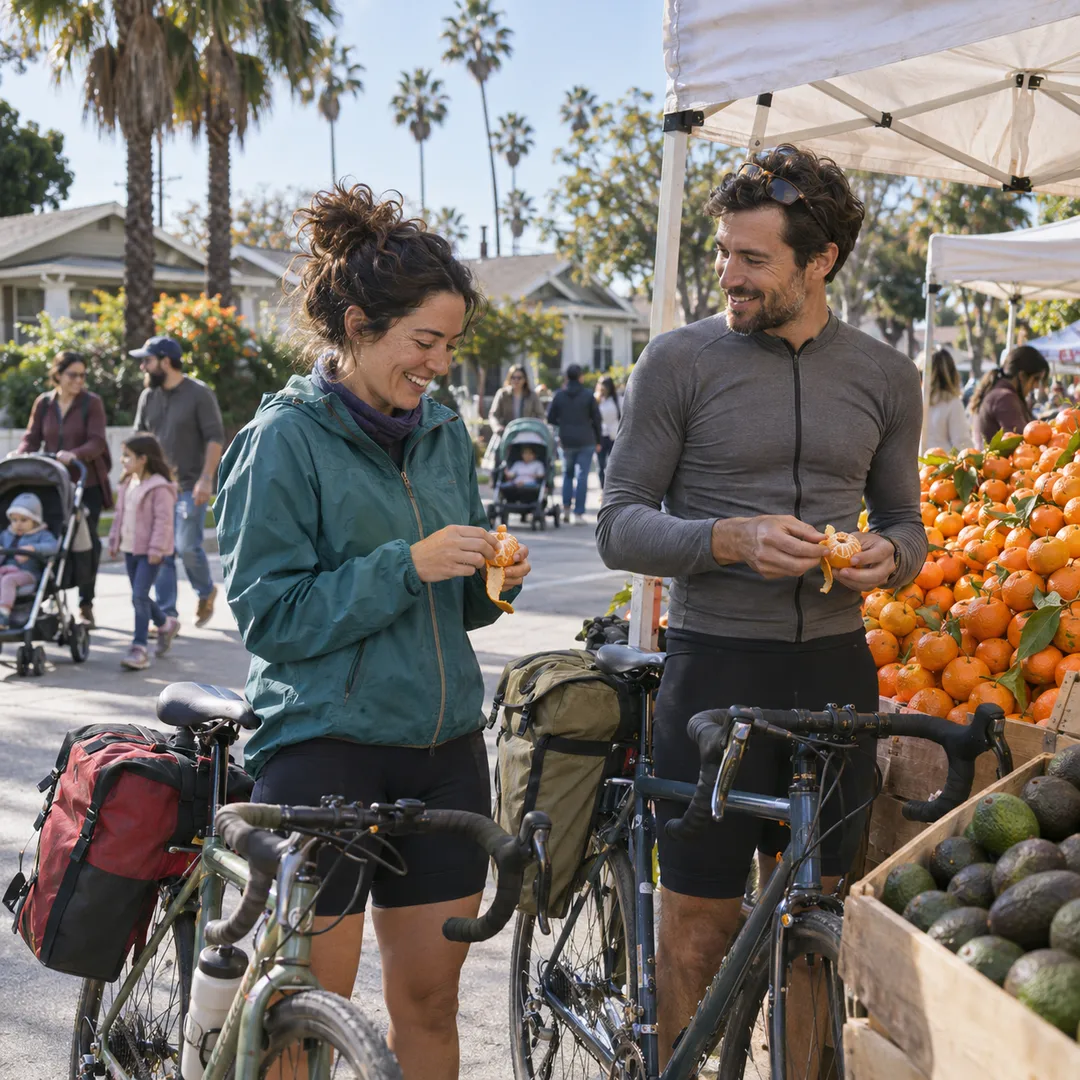
 Mar Vista Winter Farmers Market Picker for Weekend Cyclists
Weekend Plans
Echo Park Clay Pot Cooking Workshop Weekend Circuit
Cook traditional frijoles de olla and heirloom bean stews in unglazed Mexican clay pots near the lotus beds of vibrant Echo Park, Los Angeles.
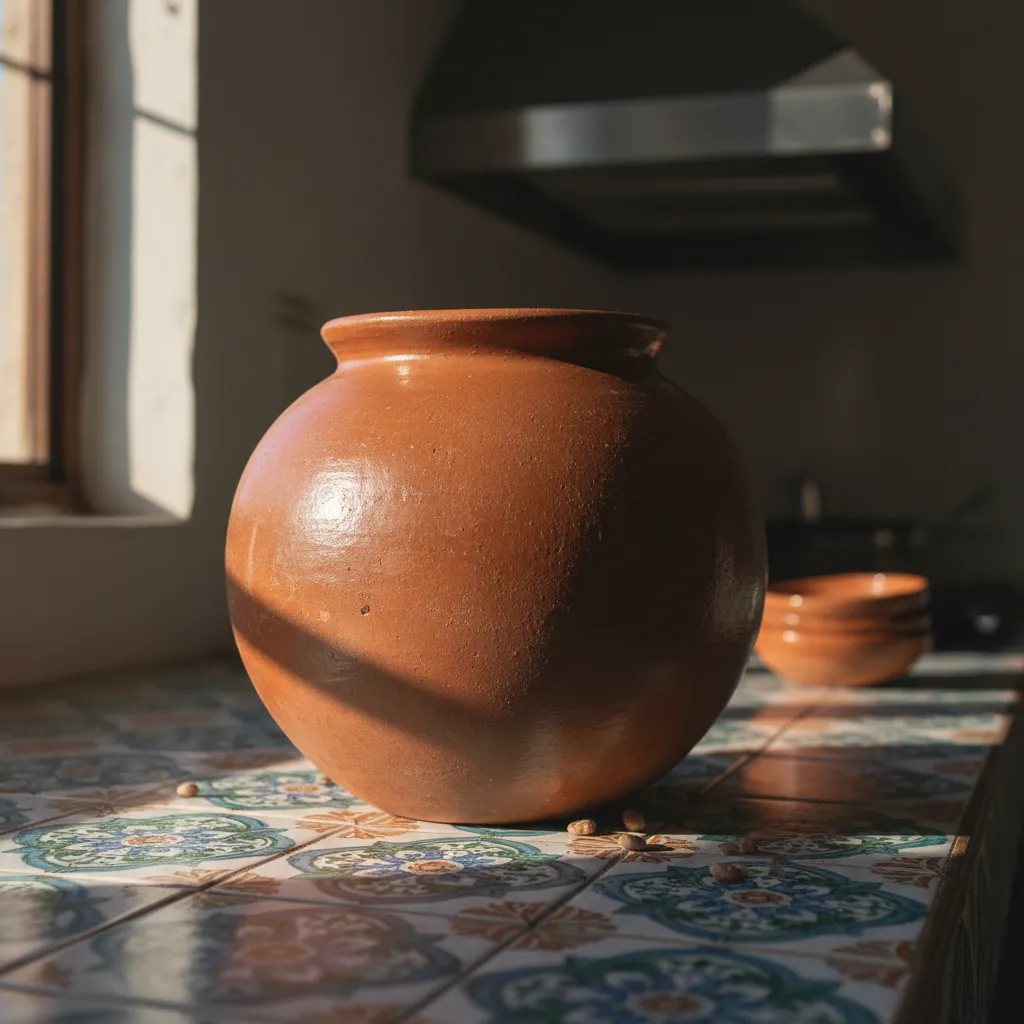
Located within community kitchen near the historic lotus flower beds of Echo Park, this weekend clay pot workshop explores the rustic beauty of Mexican earthenware bean cookery. Centered on the traditional unglazed clay pot known as the olla de barro, the class immerses students in the centuries-old art of simmering authentic frijoles de olla. Surrounded by Victorian hillside homes, palm trees, and the vibrant arts culture of Echo Park, participants discover how porous clay cooks heirloom black beans to velvety perfection without bursting delicate skins or creating bitter overtones.
Mesoamerican Olla Traditions and Unglazed Pottery Craft
Pre-Columbian pottery the Mexican olla de barro represents thousands of years of indigenous Mesoamerican culinary wisdom. Characterized by a spherical belly, narrow neck, and wide flanged rim, the olla creates natural convection currents that circulate cooking water gently around the beans. Fired from iron-rich alluvial clay without commercial chemical glazes, the porous ceramic walls breathe during cooking, releasing subtle mineral notes that soften hard water and enhance the natural sweetness of heirloom legumes.
Inspecting raw Mexican potters source and shape raw clay provides essential guidance for contemporary home cooks. Workshop instructors demonstrate how to inspect an unglazed olla for balanced wall thickness and structural sound, explaining why traditional pottery from states like Oaxaca and Puebla remains unmatched for bean cookery. Students examine the tactile, earthy surface of the pottery, learning how continuous culinary use seasons the clay over time.
Throughout rural frijoles de olla in Mexican daily life centers on warmth, sustenance, and hospitality. In traditional rural homes, an earthenware olla rests permanently on the back of the hearth or wood stove, simmering gently to provide nourishing beans and savory broth for family meals throughout the week. Bringing this comforting culinary ritual to modern Los Angeles connects participants with the timeless simplicity of authentic homestyle Mexican cookery.
Gentle Stovetop Convection and Starch Gelatinization
Tempering unglazed gas cooktops is essential to protect traditional unglazed pottery from thermal stress. Exposing cold unglazed clay directly to concentrated burner flames can cause thermal fractures, which is why participants position cast-iron heat diffusers over every gas range. Instructors guide participants in starting their burners on low settings, allowing the olla to warm gradually over ten minutes before bringing water to a gentle, steady simmer.
Observing bubbling auditory feedback of the pot helps cooks monitor cooking progress without relying on digital kitchen timers. A properly regulated olla displays small, lazy bubbles that rise through the center of the pot, accompanied by a soft, rhythmic murmur beneath the loose clay lid. Recognizing this gentle simmer ensures that bean starches gelatinize slowly, resulting in tender, creamy beans that retain their whole shape without turning to mush.
Steam retention clay ollas requires mindful attention to water levels throughout the simmer. Because raw clay breathes and allows slow evaporation, cooks must occasionally replenish liquid to keep the beans fully submerged. Instructors demonstrate the golden rule of earthenware bean cooking: always adding boiling water rather than cold tap water, which prevents thermal shock and keeps the simmering temperature perfectly stable.
Simmering Heirloom Black Beans and Fragrant Epazote
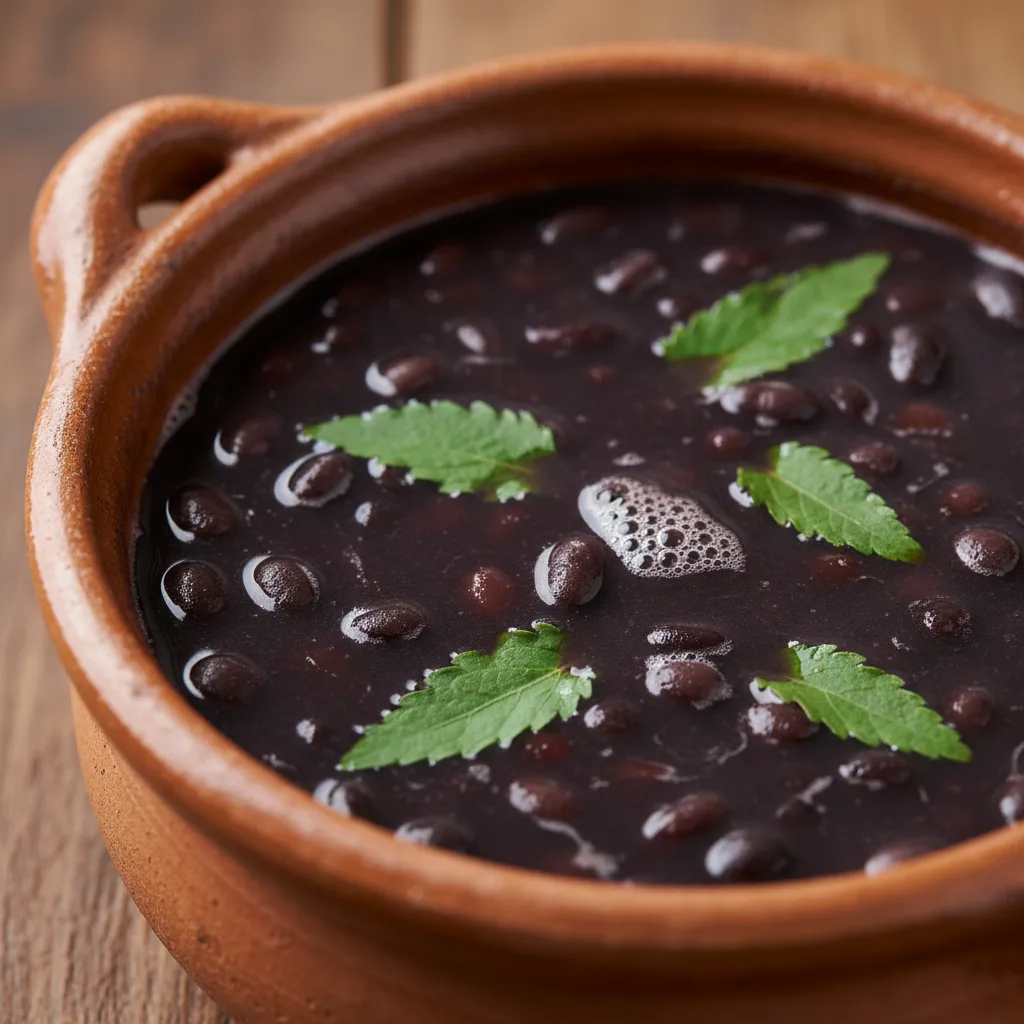
Focusing on heritage the workshop is traditional frijoles negros de olla, featuring heirloom black beans simmered with fresh epazote herbs, white onion, garlic cloves, and rich heritage lard. Students begin by sorting and rinsing the beans in cool water, placing them directly into the warm olla alongside quartered onions and peeled garlic cloves. Filtered water is added to cover the beans by three inches, and the pot is brought to a gentle simmer over low flame.
After forty-five minutes covered simmering, when the beans begin to soften and release their deep purple-black starch into the broth, fresh sprigs of epazote and a tablespoon of seasoned lard are incorporated into the pot. The unique anise-camphor aroma of the epazote permeates the kitchen, cutting through the earthy richness of the beans while promoting easy digestion. Sea salt is added only in the final twenty minutes of cooking, ensuring the bean skins remain tender.
Ladled into wide olla are ladled into wide earthenware bowls, swimming in their own velvety, savory bean broth. Garnished with crumbled queso fresco, sliced radishes, and fresh cilantro, the beans are served alongside warm handmade corn tortillas. Savoring the earthy, creamy texture and aromatic broth demonstrates that the humble bean reaches its culinary zenith when cooked in traditional Mexican fired clay.
Echo Park Lake Lotus Beds and Victorian Hillside Walks
Leaving the olla, the class enjoys a refreshing walking tour around the perimeter of Echo Park Lake and through the surrounding historic hillside streets. Strolling along the lake boardwalk offers scenic views of blooming lotus beds, gliding pedal boats, and the Downtown Los Angeles skyline rising beyond the palm trees. The open park air provides an invigorating sensory break while instructors share stories detailing Echo Park's vibrant artistic and bohemian history.
Past Carroll Avenue the historic residential slopes of Carroll Avenue, renowned for its extraordinary collection of intact nineteenth-century Victorian homes. Students admire ornate wooden gingerbread trim, wrap-around verandas, and lush subtropical gardens, discussing how the neighborhood's creative residents have fostered independent community culture for over a century. The peaceful architectural stroll offers an inspiring contrast to modern urban bustle.
Heading back along Sunset Boulevard, the group pauses at a neighborhood Latin market and community tortilleria to inspect heirloom dried bean varieties, fresh Mexican herbs, and traditional clay cookware. Engaging with local merchants offers valuable insight into sourcing authentic provisions that elevate homestyle cooking, reinforcing the deep cultural connection between neighborhood markets and traditional culinary techniques.
Clay Olla Maintenance Rituals and Workshop Recommendations
Bean pot protocols ensure that unglazed Mexican ollas remain durable and sanitary across years of regular kitchen use. Before using a new olla, it must be cured by soaking it in water for twelve hours and simmering a starchy mixture of water, corn flour, and garlic within its basin to seal microscopic pores. After cooking, students learn to let the vessel cool to room temperature before washing it with warm water and soft natural brushes, strictly avoiding synthetic detergents.
Maintaining unglazed demands dedicated storage in airy cabinets where porous clay can breathe unhindered. Workshop chefs suggest hanging traditional vessels by sturdy woven twine or setting them upright on ventilated bamboo mats. Should mineral bloom develop after extensive use, boiling clean spring water with dried epazote leaves completely purifies the interior.
Joining this Echo Echo Park culinary afternoon calls for casual comfortable clothing and flexible walking shoes suited for lake trails and hillside stairs. Stations provide chef knives, prep cutting boards, and washed linen aprons, while personal journals help attendees capture bean soaking milestones and flame tempering tips.
Ask Karpo for more information.
Keep reading
- Mar Vista Winter Farmers Market Picker for Weekend Cyclists
 Downtown LA Winter Farmers Market Picker for Car-Free Hosts
 Larchmont Winter Farmers Market Picker for Kimchi-Making Day