 Mar Vista Winter Farmers Market Picker for Weekend Cyclists
Weekend Plans
Arts District Clay Pot Cooking Workshop Kitchen Guide
Braise rich Jalisco-style birria and savory adobo meats in Mexican clay cazuelas inside industrial loft kitchens of the Arts District, Los Angeles.
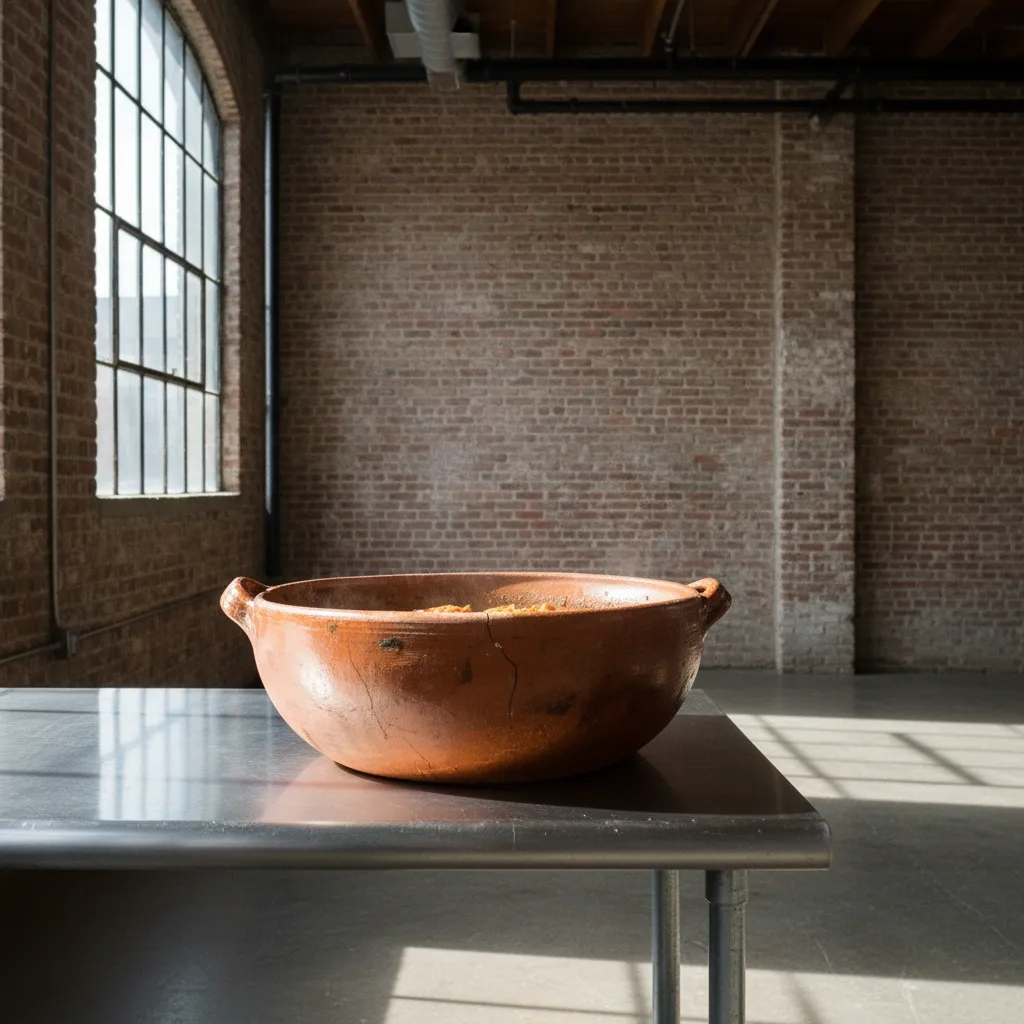
Positioned in industrial loft kitchen in the heart of Downtown Los Angeles' Arts District, this weekend clay pot workshop explores the rich heritage of Mexican earthenware braising. Centered on the traditional cazuela de barro, the class immerses students in the centuries-old technique of simmering Jalisco-style birria de res. Surrounded by exposed brick walls, steel-framed factory windows, and vibrant street murals, participants discover how the gentle, steady thermal conductivity of red clay tenderizes robust beef cuts while mellowing complex chile adobos into rich, silky consomé.
Mesoamerican Barro Origins and Industrial Loft Kitchens
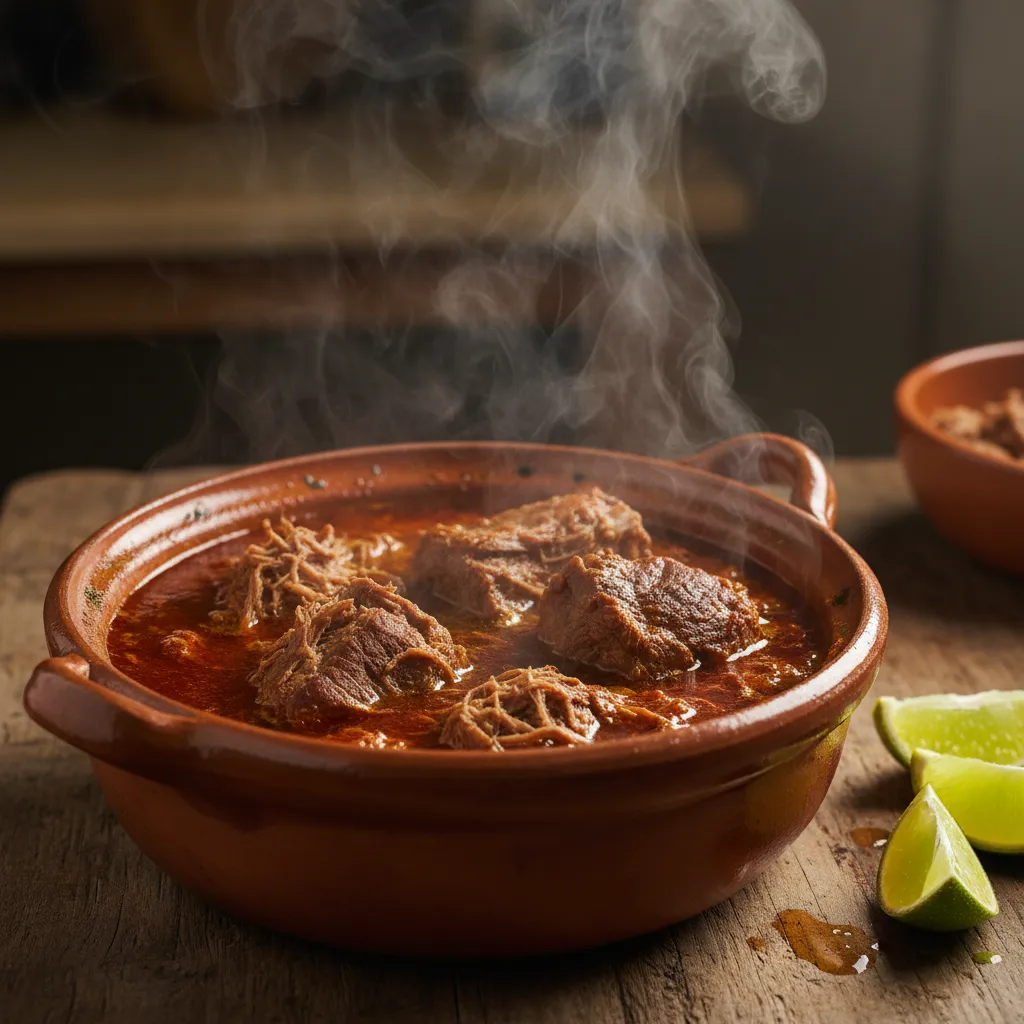
Mesoamerican ceramic Mexican cazuela de barro represents a seamless integration of indigenous ceramic wisdom and colonial culinary adaptation. Fired from iron-rich clays in regional pottery hubs like Michoacán and Jalisco, these wide, shallow basins feature thick walls that store substantial heat, allowing broths to simmer in a slow, continuous rolling motion. The lead-free glazed interior basin prevents acidic ingredients like tomatoes and vinegar from corroding the pottery, while the unglazed raw exterior breathes naturally during cooking.
Examining authentic Mexican potters craft and burnish these vessels provides vital guidance for contemporary home cooks. Instructors explain that authentic handmade cazuelas possess subtle surface variations and earthy mineral aromas that impart unique character to slow-cooked stews. Students handle vessels of various diameters, examining base stability, rim thickness, and loop handle ergonomics to appreciate the durable craftsmanship required for regular stovetop braises.
Across vibrant birria cooking in Mexican traditions centers on festive celebrations, weddings, and weekend family reunions. Traditionally, seasoned meats were wrapped in maguey leaves and slow-cooked in subterranean clay ovens or large earthenware pots over glowing embers. Reinterpreting these communal culinary rituals inside a modern Arts District studio connects students directly with the living cultural heritage of Southern California's Mexican communities.
Uniform Thermal Distribution and Slow Adobo Braising
Regulating gas commercial gas ranges is essential to protect traditional clay pottery from thermal shock. Placing raw earthenware directly over high flame causes rapid ceramic expansion that can crack the vessel, so students utilize heavy cast-iron flame diffusers at every workstation. Instructors guide participants in starting their burners on low settings, allowing the cazuela to warm gradually over ten minutes before adding seasoned lard and aromatics.
Sensory cues auditory feedback of the pot helps cooks monitor cooking progress without relying on digital timers. A properly regulated cazuela displays lazy, glossy bubbles that emerge across the surface of the adobo, accompanied by a soft, rhythmic murmur beneath the heavy lid. Recognizing this gentle simmer ensures that tough collagen in the beef shank dissolves gradually into rich gelatin without boiling vigorously or drying out the meat fibers.
Liquid reduction clay cazuelas requires careful balancing of evaporation and lid placement. Because the broad open mouth encourages reduction, adobo sauces thicken naturally to coat the meat luxuriously. Instructors demonstrate how resting the lid slightly ajar allows excess steam to vent while keeping the beef fully submerged in flavorful braising juices throughout the two-hour simmer.
Simmering Tender Beef Birria and Guajillo Consomé
At the the workshop is an authentic Jalisco-style beef birria, combining bone-in beef shank, guajillo, ancho, and cascabel chiles, toasted Mexican spices, and fresh herbs. Students begin by destemming and lightly toasting the dried chiles on a dry comal before rehydrating them in warm broth. The softened chiles are blended with roasted tomatoes, garlic, cumin, cloves, black pepper, and apple cider vinegar to create a vibrant, aromatic adobo paste.
Tender beef generously in the red adobo marinade before being layered into the warm cazuela alongside Mexican cinnamon sticks, bay leaves, and dried Mexican oregano. Covered tightly, the meat simmers undisturbed over low heat for two hours, allowing the rich chile oils and rendered marrow to infuse the surrounding broth. The gentle radiant heat of the clay transforms the tough beef into meltingly tender shreds that fall away from the bone effortlessly.
Plated in served in wide clay bowls alongside steaming cups of rich, red-tinted consomé garnished with finely diced white onions, fresh cilantro, and lime wedges. Warm, fresh corn tortillas are passed around the table for assembling tacos or dipping directly into the savory broth. Tasting the balanced interplay of smoky chiles, aromatic spices, and succulent beef confirms the unmatched culinary advantages of cooking in authentic Mexican earthenware.
Arts District Mural Corridors and Creative Lofts
An urban, the class enjoys a guided walking tour through the dynamic streets and industrial alleys of the Arts District. Strolling along Traction Avenue and 3rd Street exposes students to monumental street art murals, historic railway depots, and converted warehouse galleries that define the neighborhood's creative renaissance. Instructors share historical anecdotes detailing how the district evolved from a gritty manufacturing sector into an internationally acclaimed culinary hub.
Strolling along Traction at neighborhood artisanal bakeries, craft coffee roasteries, and specialty food purveyors tucked inside restored brick buildings. Students inspect locally made ceramic tableware, imported Mexican provisions, and specialty heirloom spices, gaining inspiration for styling their own home dining spaces. Engaging with local business owners highlights how traditional craftsmanship and contemporary culinary culture thrive side by side in Downtown Los Angeles.
Returning past brick studio through quiet residential mews, the group pauses to admire the dramatic skyline vistas of Downtown Los Angeles framed by historic brick bridges. The inspiring urban atmosphere offers a refreshing creative interlude, allowing participants to reflect on the relationship between urban industrial heritage and traditional regional culinary traditions.
Clay Cazuela Maintenance and Workshop Guidelines
Cazuela maintenance protocols ensure that Mexican clay cazuelas remain durable and sanitary across years of regular kitchen use. Before using a new unglazed cazuela, it must be seasoned by rubbing raw garlic cloves over the exterior base and boiling a starchy mixture of water and corn flour within its basin to seal microscopic pores. After cooking, students learn to let the vessel cool to room temperature before washing it with warm water and soft sponges, strictly avoiding chemical detergents.
Preserving traditional cool, dry pantry cabinets sheltered from damp basement air. Instructors emphasize stacking earthenware with protective corrugated cardboard spacers between glazed surfaces to avert chipping during transit. When stubborn charred marinade clings to the clay bottom, soaking with warm water and a handful of wood ash or baking soda easily restores a pristine finish.
Attendees heading Arts District loft kitchen should choose sturdy work footwear and casual cotton clothing suitable for open-flame cooking environments. Each student receives an embroidered work apron, chef knives, and detailed recipe printouts, while personal notebooks help capture spice bloom timing and flame modulation observations.
Ask Karpo for more information.
Keep reading
- Mar Vista Winter Farmers Market Picker for Weekend Cyclists
 Downtown LA Winter Farmers Market Picker for Car-Free Hosts
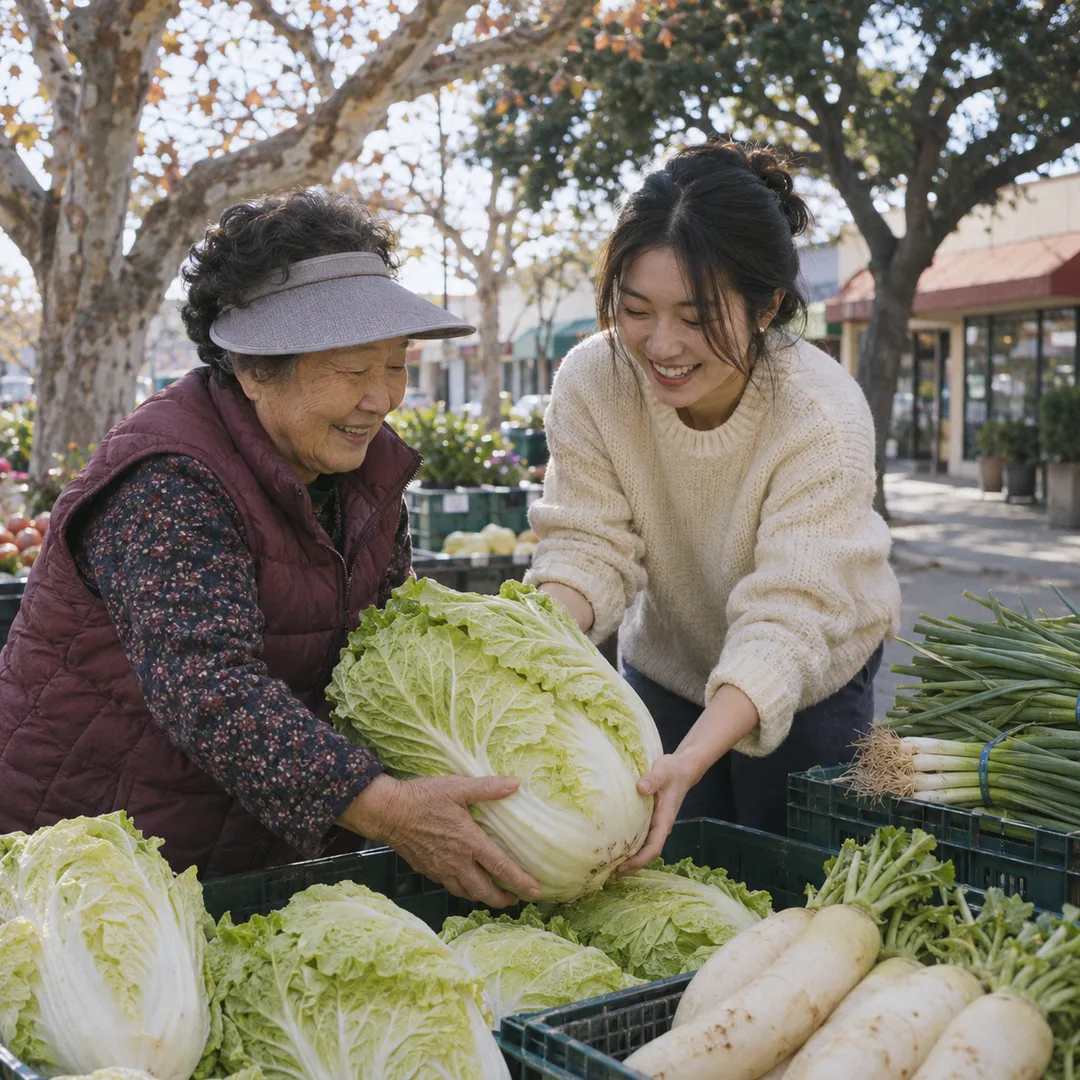 Larchmont Winter Farmers Market Picker for Kimchi-Making Day